
.webp)
Flat-pack cabinets can sound worrying. For many homeowners, the term immediately brings up IKEA, ready-to-assemble furniture, or cabinets that feel less durable than fully built boxes.
But flat-pack describes how cabinets are shipped and assembled, not how they are designed or made. A cabinet can be custom-made for a specific kitchen layout, appliance plan, finish, and storage system while still arriving flat or partly unassembled.
Quick Definition: What Flat-Pack Cabinets Mean
.jpg)
Flat-pack cabinets are cabinets shipped as separate or partly assembled components. The term describes the shipping and assembly format, not the cabinet quality.
Flat-pack tells you how the cabinet travels, not how the cabinet was designed or made. That distinction matters because a low-cost modular cabinet can ship flat, but so can a custom cabinet made to project-specific measurements, finishes, appliance panels, and storage needs.
Does Flat-Pack Mean Cheap?
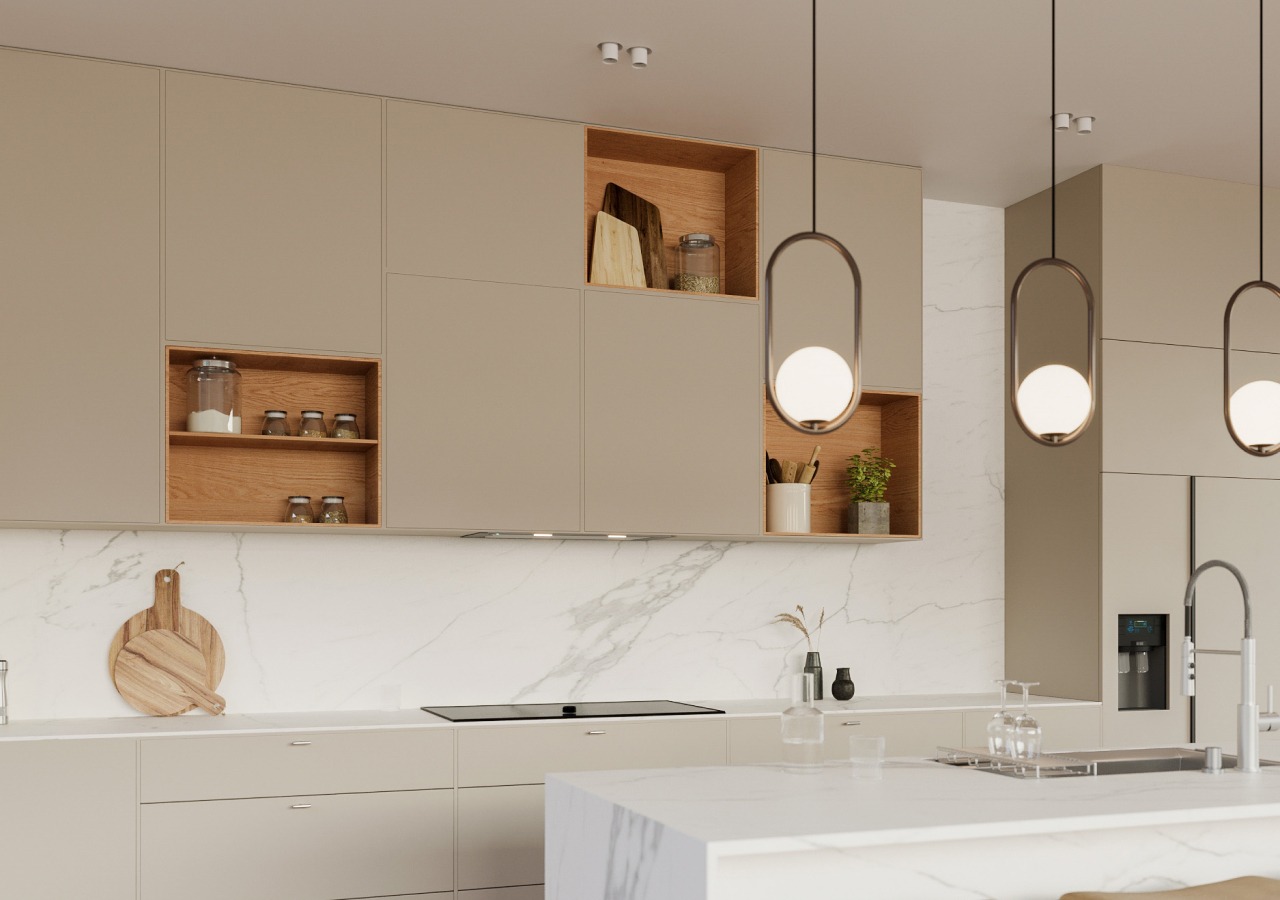
Flat-pack does not mean the cabinets are cheap. It means the cabinet parts are shipped unassembled or partly unassembled, then assembled before or during installation.
The quality level depends on what happens before the cabinets are packed: measurements, engineering, material selection, hardware, finish, appliance coordination, and factory quality control.
For homeowners comparing cabinet options, this is the main point. A fully assembled cabinet may still be basic. A flat-packed cabinet may still be custom, carefully finished, and designed around a detailed kitchen plan.
Why Custom Cabinets May Ship Flat
.webp)
Custom cabinets may ship flat because it can make packing, transport, and handling more practical. Cabinet boxes are large and bulky, especially when they need to travel long distances or move through tight buildings.
Flat-pack shipping allows cabinet sides, shelves, fronts, drawers, and panels to be packed in a more controlled way. It can also make delivery easier in condos, older homes, narrow staircases, elevators, and tight hallways. This does not remove every shipping risk, but it can reduce unnecessary bulk and make the cabinets easier to protect during freight and handling.
In some projects, shipping format may also affect logistics, handling, and customs considerations, so it should be explained clearly in the quote and process.
Flat-Pack Custom Cabinets vs. IKEA and RTA Cabinets
.webp)
Flat-pack custom cabinets are not the same thing as IKEA or standard ready-to-assemble cabinets. The similarity is the shipping format. The difference is the design process.
IKEA and many RTA systems are modular. They are usually based on fixed cabinet sizes, standard depths, preset parts, and catalog-based combinations.
Custom flat-pack cabinets can be made around the actual room, appliance layout, storage needs, front design, fillers, panels, and finish direction. The cabinets may arrive in parts, but those parts can still be made for one specific project.
This difference matters in modern European-style kitchens, where appliance panels, drawer fronts, tall units, fillers, and end panels all need to align cleanly with the actual room.
What Actually Determines Cabinet Quality
.webp)
Cabinet quality comes from the full system, not the shipping format. A good cabinet is the result of durable materials, reliable hardware, accurate panel production, clean edge work, stable engineering, and proper final adjustment.
Before judging a cabinet by how it ships, look at what it is made from and how it is supported:
- Cabinet case and front materials
- Hardware, drawer systems, and hinges
- Edge quality and finish durability
- Technical drawings and cabinet schedule
- Factory quality control
- Assembly and installation support
These details affect daily use. Drawers should glide smoothly. Hinges should adjust cleanly. Cabinet fronts should align. Tall panels should feel intentional. The kitchen should look calm from the outside and work hard on the inside.
What to Confirm Before Delivery
.webp)
Before ordering flat-pack custom cabinets, homeowners should confirm what is included, what arrives assembled, and who is responsible for assembly. This helps avoid confusion between cabinet manufacturing, shipping format, and installation scope.
A custom flat-pack kitchen should arrive as an organized system, not as unidentified parts. The components should connect clearly to the approved kitchen design.
This checklist is also useful when comparing quotes. Flat-pack does not automatically mean cheap, and assembled does not automatically mean complete.
What Assembly Requires
.webp)
Flat-pack custom cabinets need proper assembly. This is where the final quality of the kitchen can either be protected or compromised.
Cabinet boxes need to be square. Cabinet runs need to be level. Panels and fillers may need to be adjusted to the room. Drawer fronts and doors need to align. Appliance panels, pull-outs, pocket doors, integrated lighting, and handleless details require extra care.
A skilled contractor or cabinet installer may be able to handle the work if they are comfortable with frameless cabinetry, detailed drawings, and precise adjustment. For a deeper look at contractor readiness, see Corner Renovation’s guide to European custom cabinet installation.
Can Components Be Preassembled?
.webp)
Some components may be preassembled or partly assembled depending on the project, shipping method, and cabinet design. Preassembly can reduce some on-site work, but it is not automatically better.
Fully assembled cabinets are bulkier. They can be more expensive to ship, harder to move into the home, and more exposed during handling.
Partial preassembly can be a useful middle ground. Certain mechanisms or sections may be prepared in advance, while larger cabinet parts still ship in a more compact format.
Before ordering, ask what arrives assembled, what arrives flat, and what must be completed on site. That one conversation can prevent confusion later.
Common Misconceptions About Flat-Pack Cabinets
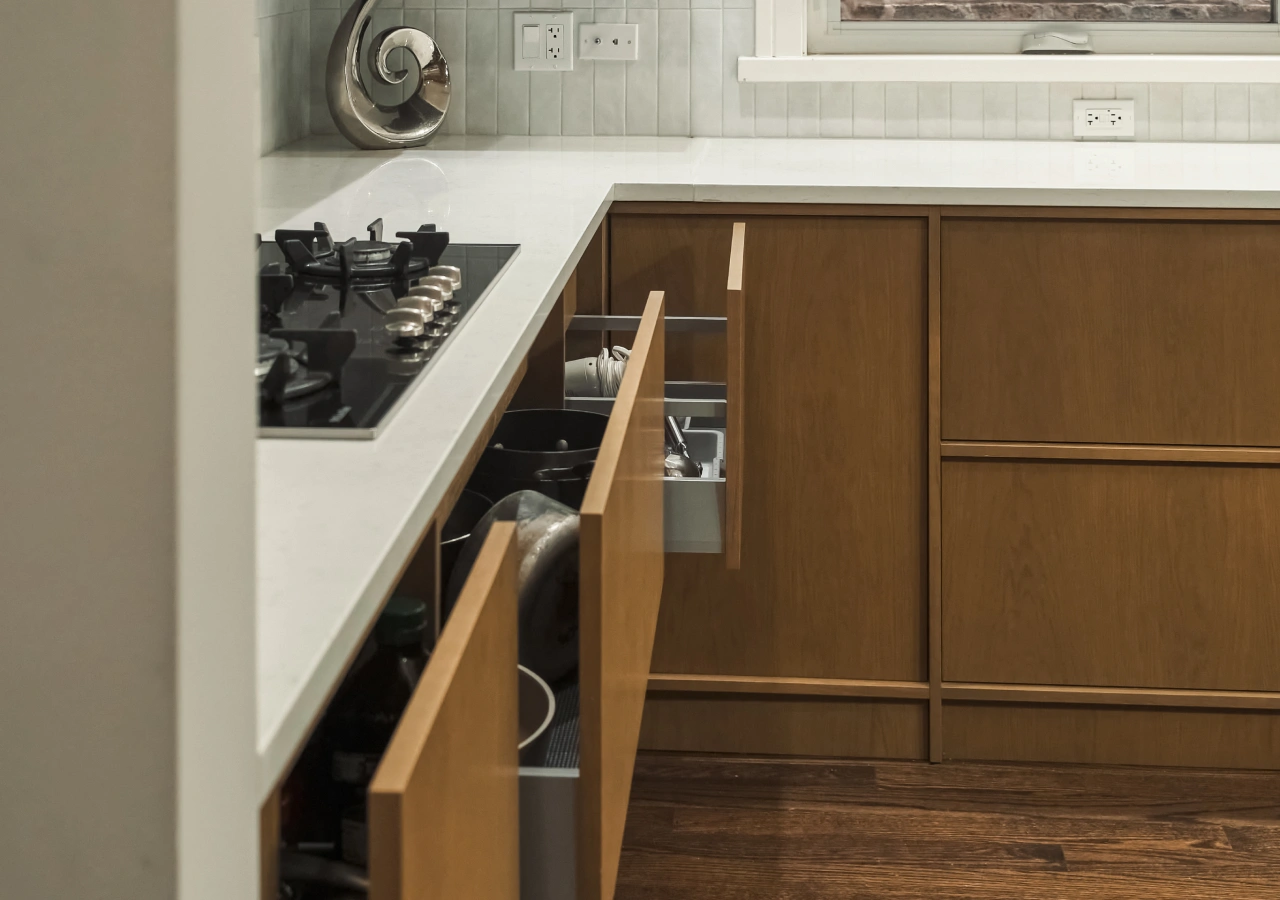
The biggest misconception is that flat-pack means IKEA. IKEA is a modular cabinet system that often ships flat. Custom flat-pack cabinets can still be made to project-specific measurements.
Another misconception is that flat-pack means low quality. The shipping format does not decide the quality. Materials, hardware, finish, panel accuracy, factory checks, and installation are what matter.
Flat-pack also does not mean easy DIY. A custom kitchen is different from a simple furniture project. Integrated appliances, fillers, side panels, leveling, drawer alignment, and final adjustments require care.
Pre-assembled cabinets are not automatically better either. They may reduce some assembly work, but they can also increase freight bulk, cost, and handling risk.
Conclusion
Flat-pack custom cabinets are not a lower design tier. They are simply shipped in parts so they can be packed, transported, handled, and assembled more efficiently.
What matters more is the system behind them: materials, hardware, drawings, engineering, packing, support, and installation accuracy. A custom kitchen can arrive flat and still be made for a specific home, appliance layout, and storage plan.
Before ordering, ask what arrives assembled, what needs on-site assembly, what drawings are included, and who supports the installer. With those answers clear, flat-pack becomes a practical format, not a quality concern.


