
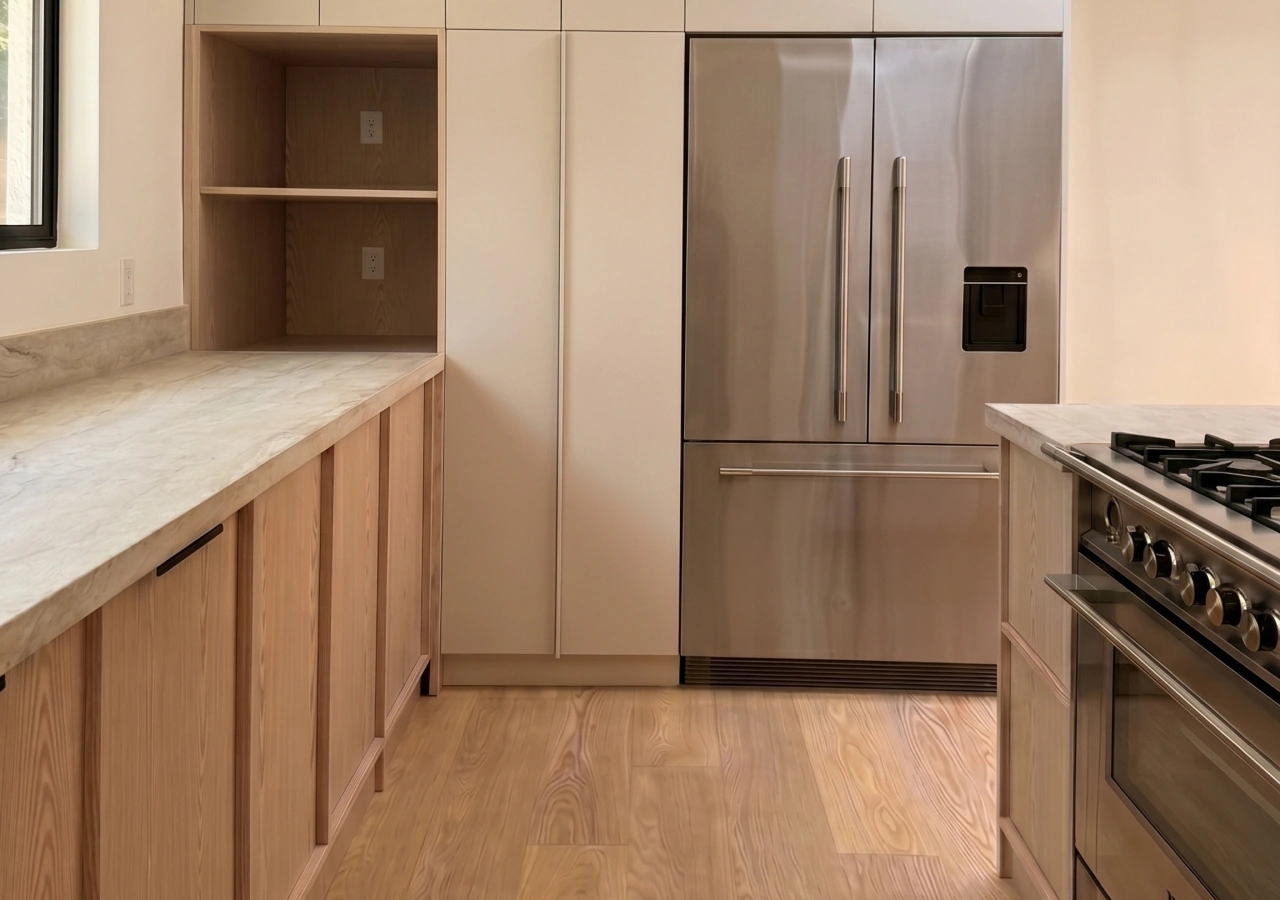
European custom cabinets can often be installed by a skilled local contractor. The installer does not need to work for the manufacturer, but they should be comfortable reading detailed drawings, checking site conditions, coordinating appliances, and adjusting frameless cabinetry precisely.
Installation uncertainty can delay an otherwise well-planned kitchen. Who assembles the cabinets when they arrive? Can a general contractor handle the work? Is a specialist necessary, or could an experienced family member reduce the budget? The answer depends on the kitchen’s complexity, the installer’s experience, and how well the handoff is organized before production and delivery.
Can My Contractor Install European Custom Cabinets?

A skilled local contractor can often install European custom cabinets. What matters is not whether they have installed that exact brand before, but whether they understand frameless cabinetry and can follow technical drawings without relying on guesswork.
A general contractor or finish carpenter may suit a straightforward layout with standard appliance openings and limited specialty hardware. Ask how they level runs, manage uneven surfaces, fit fillers and end panels, and complete final adjustments. Recent frameless or integrated kitchen examples matter more than general carpentry experience.
What Makes European Cabinet Installation Different?

European kitchen cabinet installation depends heavily on alignment. Frameless boxes, full-overlay fronts, narrow reveals, handleless openings, tall pantry walls, and integrated appliances are designed to read as one continuous composition.
Proper installation supports function and appearance. Drawers move smoothly, appliance panels sit evenly, and tall units align. Corner collections such as Element and Evoke include panel-ready appliances, inner drawers, pocket doors, pull-outs, and lighting. Each must be fitted correctly on site.
Flat-Pack vs. Pre-Assembled Cabinets
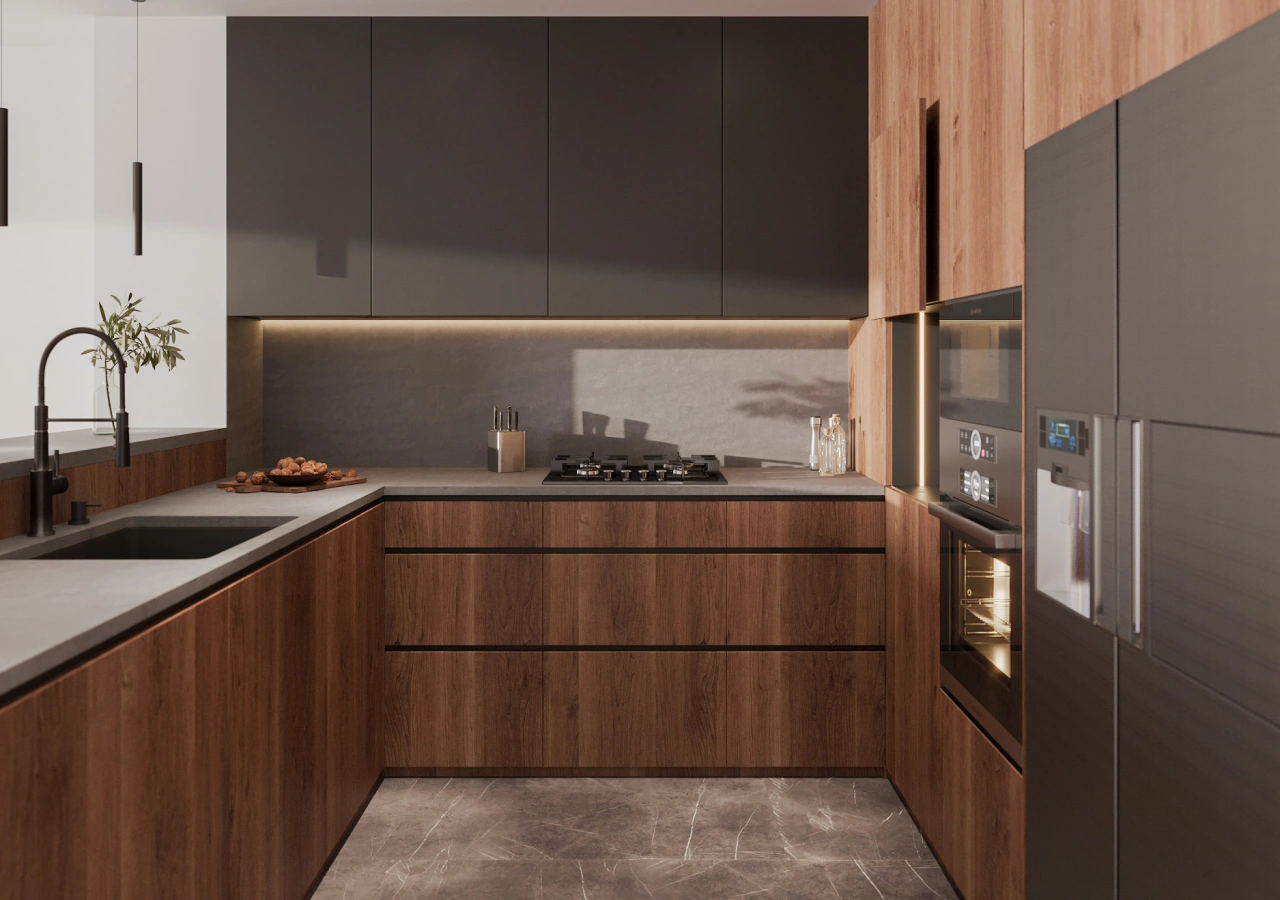
“Flat-pack” describes the shipping and assembly format, not cabinet quality. Custom cabinets can be shipped flat while still being made to project-specific dimensions, finishes, appliance specifications, and storage requirements.
This is not the same as a basic ready-to-assemble kitchen. Quality comes from the materials, hardware, engineering, finish, and accuracy of fit. A custom flat-pack order may still include wood veneer fronts, premium drawer systems, pocket-door hardware, and appliance panels.
The installer must assemble each box square, follow the cabinet schedule, and adjust the completed run. Flat-pack makes transport practical, not installation less precise.
Local Contractor, Specialist Installer, or DIY?
When Is a Specialist Installer Better?

A specialist installer is usually the safer choice when several precision-sensitive features appear in the same kitchen. The more the design depends on concealed function and continuous lines, the less room there is for improvisation.
Consider one for panel-ready appliances, ceiling-height pantry walls, pocket doors, handleless profiles, suspended cabinets, integrated lighting, multiple mechanisms, large finished panels, complex appliance walls, or significantly uneven surfaces.
A specialist is not required for every European kitchen. A careful local contractor who regularly installs frameless cabinetry may be fully qualified, provided they can explain their process and show comparable work.
What Your Contractor Needs From Corner
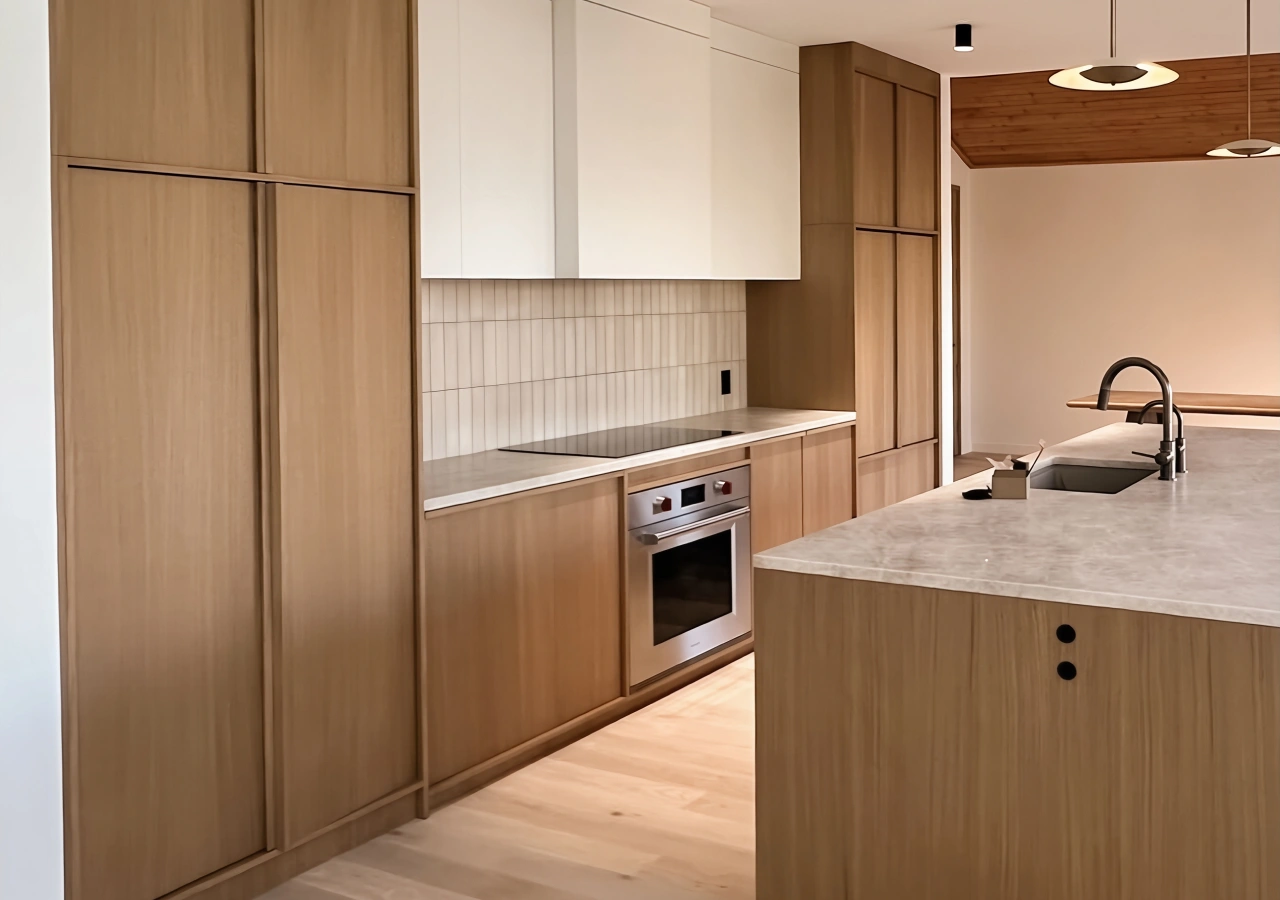
A clean installation starts with a complete handoff. The contractor should review the technical information before the cabinets enter production, not for the first time when delivery arrives.
The package should include final plans and elevations, a cabinet schedule or numbered list, appliance specifications, assembly and installation guidance, hardware details, panel-ready appliance information, packing labels when available, and a support contact.
These documents show how the kitchen works as one system and allow the installer to flag unclear dimensions, service conflicts, or site concerns early.
What Must Be Ready on Site?
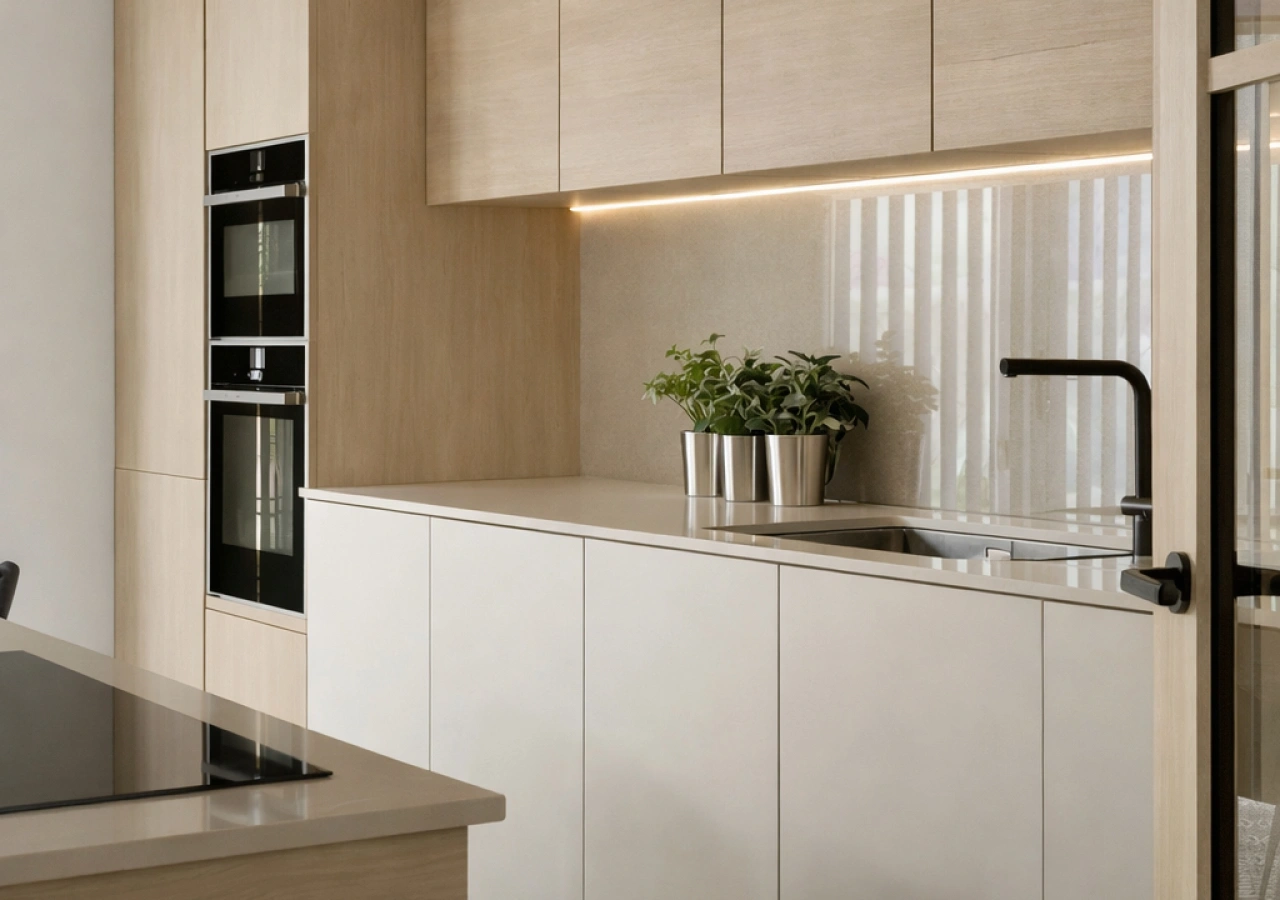
Site readiness means the finished room matches the approved drawings closely enough for the cabinets to fit as intended. Floors, walls, ceiling height, rough-ins, appliances, and access should all be checked before installation.
Level floors and plumb walls matter because long runs make small irregularities more visible. Normal variation can often be managed with shims, fillers, and scribed panels, but major differences may affect appliance openings, countertops, and alignment.
Before delivery, confirm final measurements, appliance model numbers, plumbing and electrical locations, gas and ventilation points where relevant, the flooring sequence, finished walls, unloading access, protected storage, and the installer’s schedule.
What Local Trades Handle
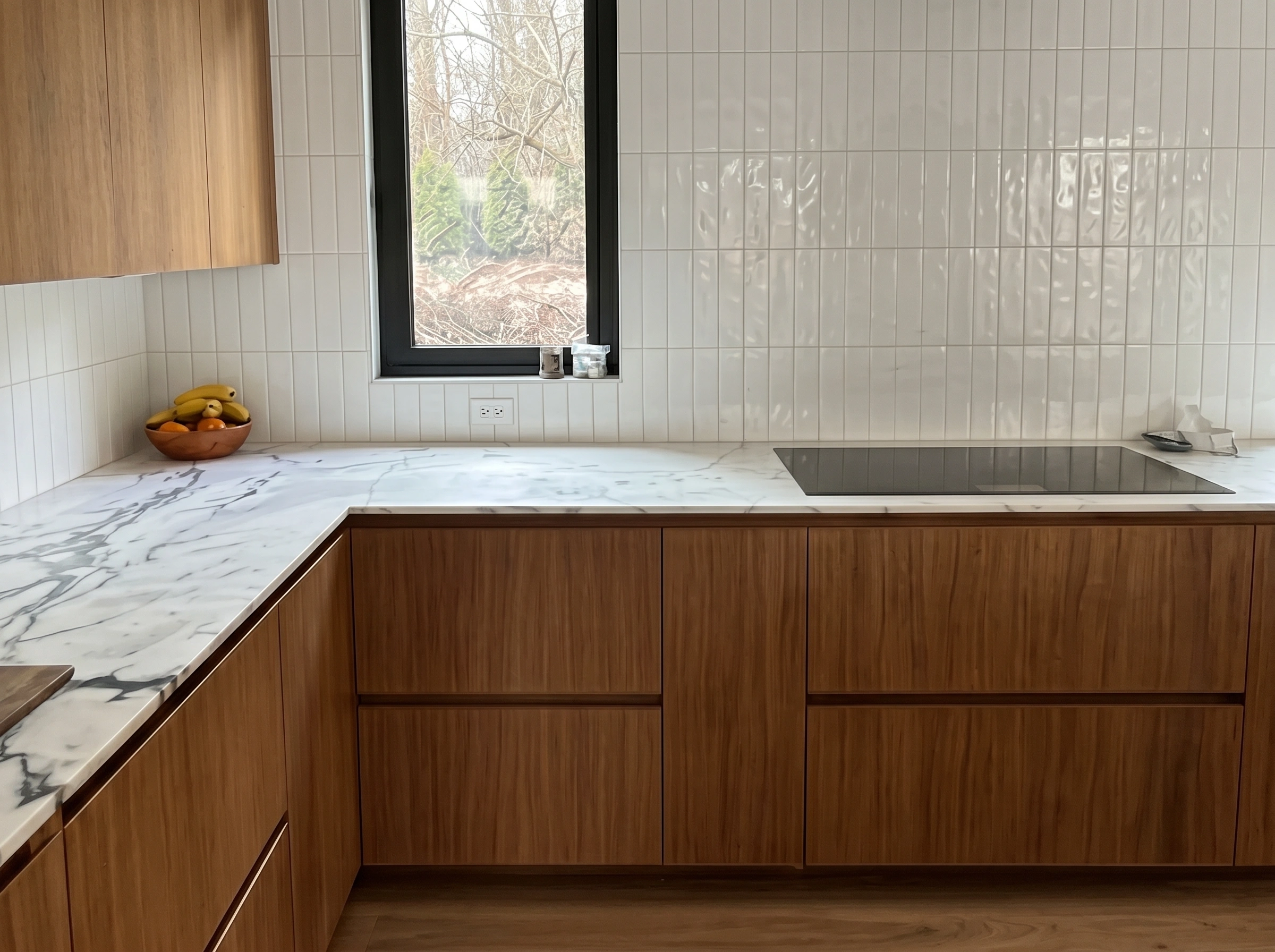
Cabinet installation is separate from electrical, plumbing, gas, and other regulated work. The cabinet installer coordinates around those systems, while licensed local trades should complete work that requires licensing, permits, or specialist connections.
The wider team may handle demolition, framing, wall preparation, flooring, plumbing, electrical work, ventilation, countertop templating and installation, and appliance connections. Define each scope in writing. Integrated lighting may be part of the cabinet design, but its wiring still needs electrical coordination.
What Does Installation Cost?

Installation should be priced separately from cabinet supply unless the proposal clearly states otherwise. A cabinet quote may cover boxes, fronts, hardware, and shipping while local labor, unloading, trade work, countertops, and appliance connections remain separate.
Contractor Handoff Checklist
A clear contractor handoff helps turn the cabinet design into a smoother installation. Confirm appliances, drawings, site conditions, trade scopes, and delivery details before production or on-site work begins.
-
Confirm all appliances. Provide model numbers, cut sheets, panel requirements, ventilation details, and utility needs.
-
Review the drawings together. Check dimensions, fillers, panels, rough-ins, and installation assumptions before production.
-
Verify the finished site. Recheck walls, floors, ceiling height, openings, and service locations.
-
Separate each trade’s scope. Confirm who handles cabinetry, plumbing, electrical, ventilation, countertops, and appliance connections.
-
Plan delivery and storage. Decide who receives the shipment and where components will be kept safe and organized.
-
Set the installation sequence. Review cabinet numbering, tall units, appliances, panels, and final adjustments.
-
Raise questions early. Resolve technical questions before parts are cut or modified on site.
Common Installation Mistakes
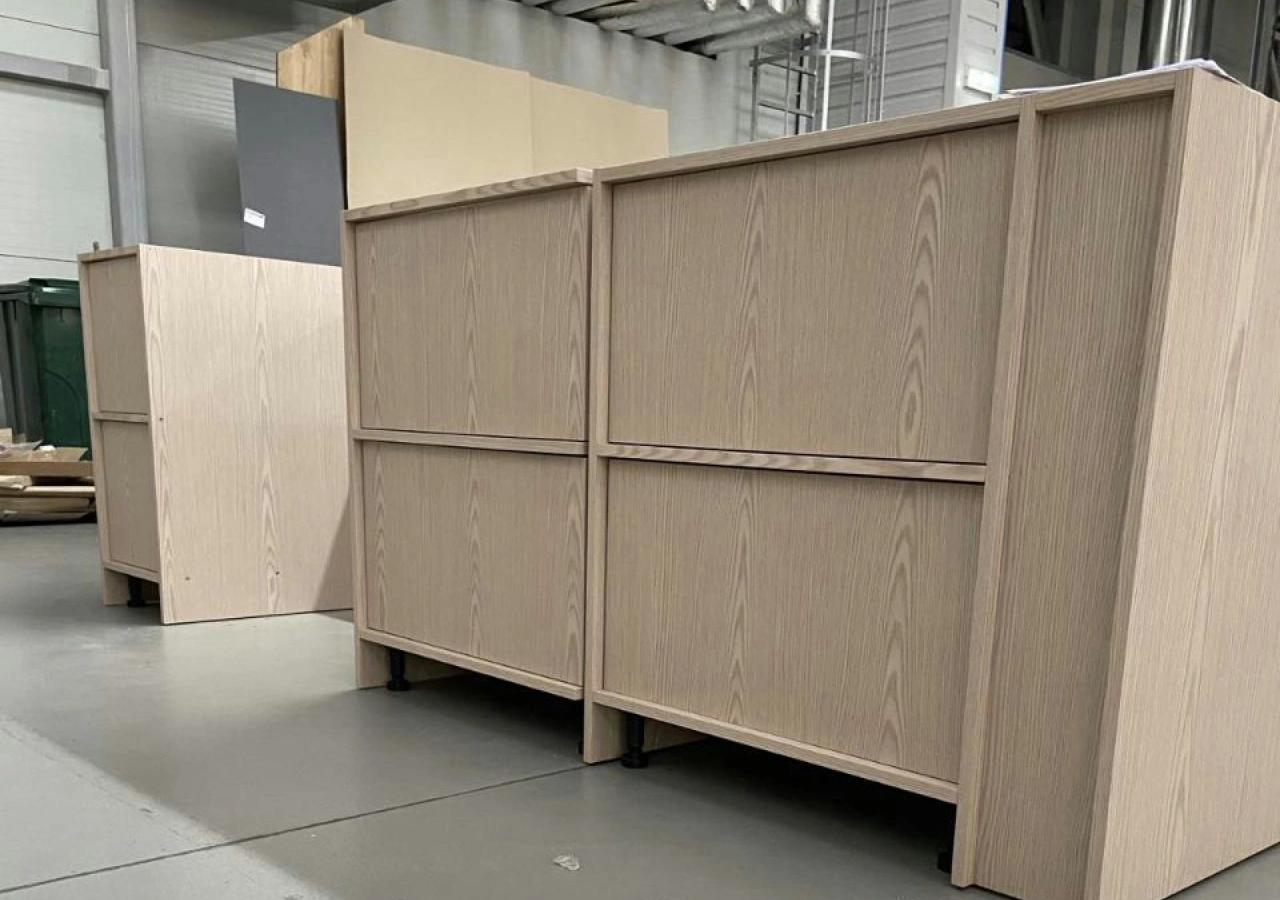
Most problems begin before installation. Common mistakes include assuming labor is included in the cabinet quote, hiring the installer too late, failing to review drawings before production, changing appliances after approval, ignoring uneven surfaces, and having no unloading or storage plan.
Another mistake is treating custom flat-pack cabinetry like a basic off-the-shelf system. The components may arrive in boxes, but the finished kitchen still depends on accurate assembly, fitting, appliance coordination, and detailed adjustment.
Conclusion
A skilled local contractor can often install European custom cabinets when they understand frameless construction, follow detailed drawings, and take site preparation seriously. A specialist becomes more valuable when the kitchen includes panel-ready appliances, tall cabinet walls, pocket doors, integrated lighting, multiple mechanisms, or unusually tight tolerances.
The best results come from involving the installer before production, confirming appliances and rough-ins early, and separating cabinet installation from licensed electrical, plumbing, gas, and ventilation work. Installation should also be priced clearly rather than assumed to be part of the cabinet order. Explore Corner Renovation’s collections and completed projects to see how these details come together, or discuss the installation plan during a design consultation.


