
.webp)
Cabinet material terms can make a kitchen renovation feel more confusing than it should. You may start with a simple goal: a calm, elegant kitchen with better storage, smooth organization, and finishes that feel beautiful in daily life. Then the quote arrives, and the conversation turns into veneer, solid wood, MDF, laminate, melamine, core material, edge banding, and coatings.
These details matter because cabinets shape more than appearance. They affect appliance integration, drawer function, daily cleaning, storage capacity, and durability around sinks, dishwashers, drawer pulls, and high-use zones. A well-designed kitchen needs both a refined front and a smart structure behind it.
Cabinet Materials Are a System, Not a Ranking
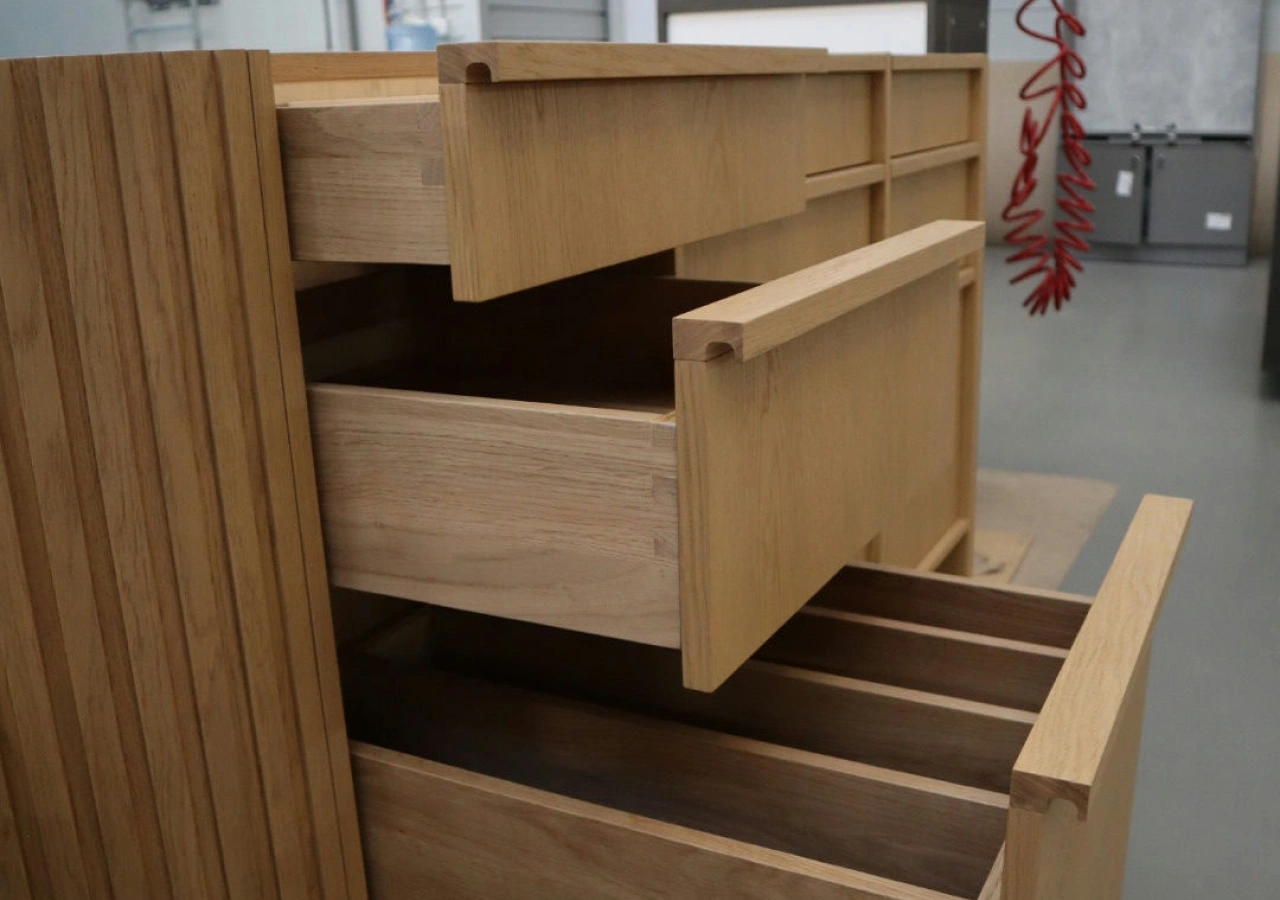
The best kitchen cabinet material depends on where it is used. A front door core, cabinet box, edge detail, coating, hardware, drawer system, and organizer all play different roles. Wood veneer is real wood, not plastic: it is a thin natural wood surface applied over a stable core, often used for modern flat cabinet fronts because it gives real grain with better dimensional stability. Solid wood is beautiful, but it is not automatically better for large kitchen doors because natural wood can move with humidity.
That is why “solid wood is best” or “MDF is cheap” is too simple. Veneer, solid wood, laminate, melamine, MDF, plywood, and particle board can all be appropriate when the design and construction are right. The better question is what material fits the layout, budget, finish, and daily use.
In Corner’s design language, materials support both function and atmosphere. Warm oak feels soft and natural, dark stained wood feels architectural, and matte neutrals create calm while storage does the quiet work. The strongest kitchen is not the one with the most expensive material everywhere; it is the one where each material has a clear purpose.
Front Material vs. Core Material
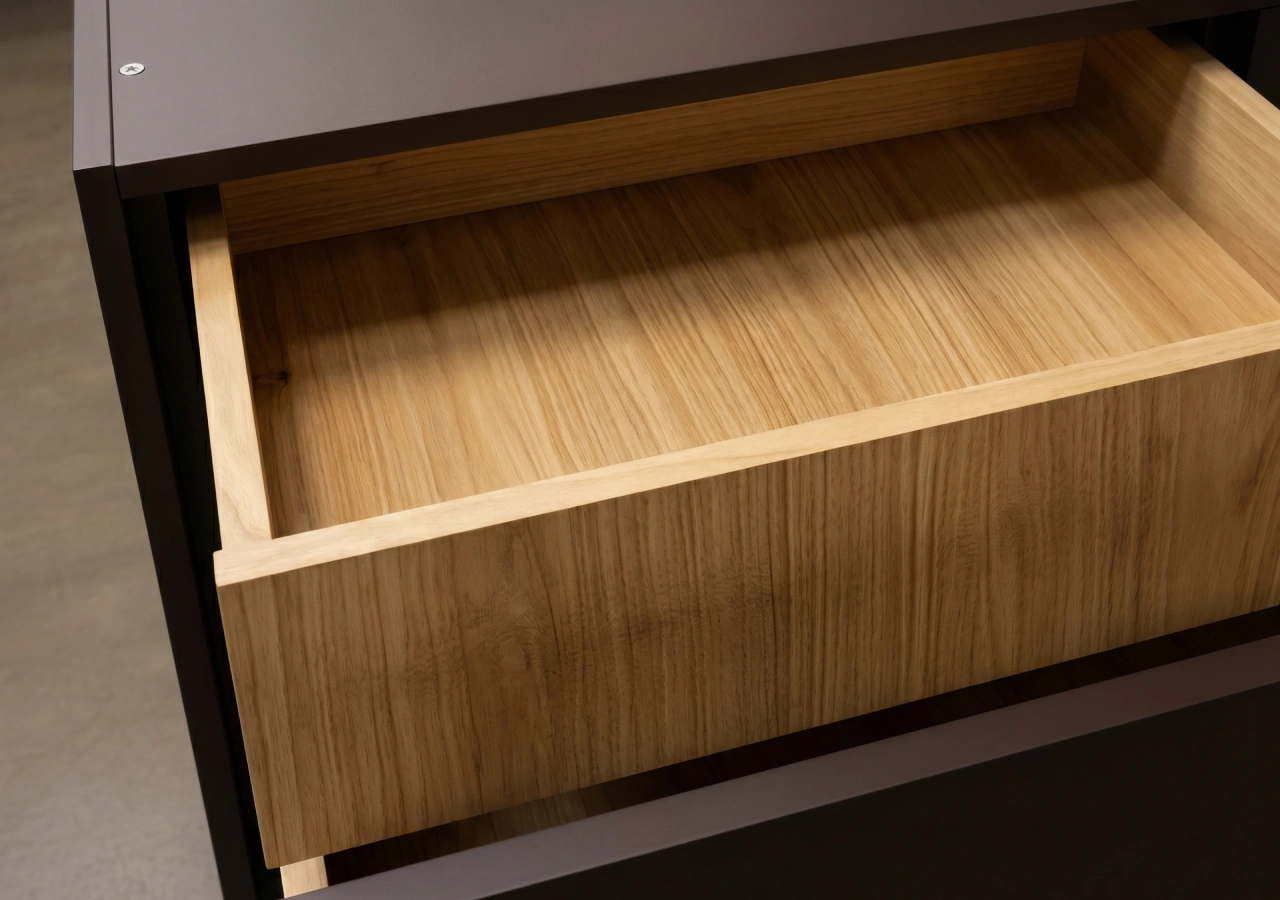
The front material is the visible surface you see and touch. The core material is the structural panel underneath. This distinction clears up most cabinet material confusion.
A front may be wood veneer, laminate, melamine, lacquer, paint, or a matte performance surface. The core may be MDF, plywood, particle board, or another engineered wood panel. It affects flatness, weight, machining, and stability. Plywood, MDF, and particle board are not automatically good or bad; the grade, application, coating, and construction quality matter more than the name alone.
Edge banding, coating, sealing, hardware, and installation quality also shape durability. Two doors can both be described as “wood,” while one is real wood veneer, one is solid wood, and one is a wood-look laminate.
When comparing quotes, ask what the visible front is, what the door core is, how edges are finished, and whether appliance panels, fillers, side panels, and toe kicks are included. These questions help you compare value, not just vocabulary.
Wood Veneer: Real Wood With Modern Stability
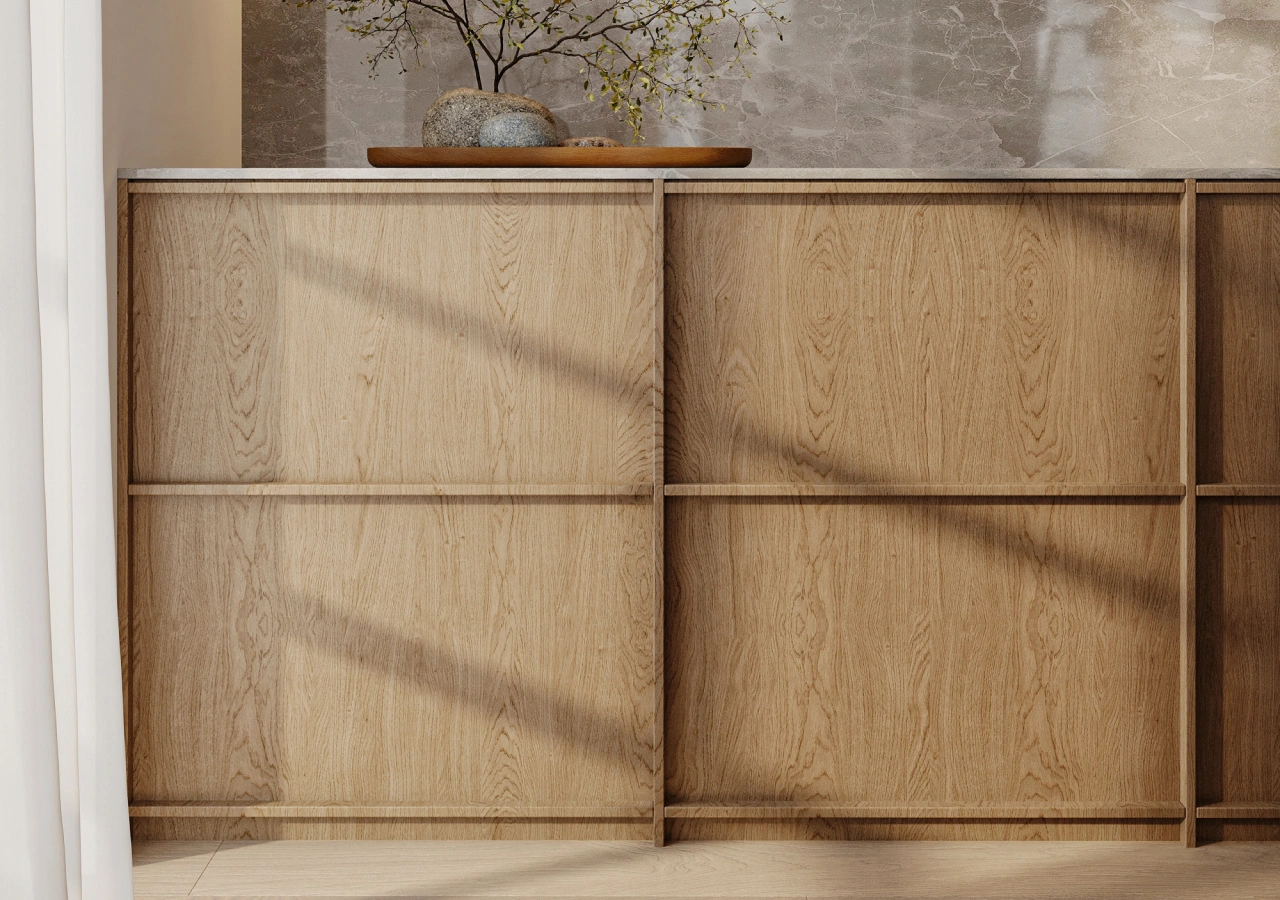
Wood veneer is a real wood surface applied over a stable core. It is thin, but thin does not mean fake. In modern cabinetry, veneer often makes real oak, walnut, or stained wood more practical across large, flat fronts.
Veneer works especially well in European-style, Scandinavian, Japandi, and warm minimalist kitchens. It gives visible grain and natural variation while helping doors stay calmer than a large solid wood slab might. This is useful for long base runs, tall pantry walls, panel-ready refrigerators, appliance garages, and islands.
Aesthetically, veneer brings warmth without visual clutter. Light oak can feel airy and soft. Dark oak can feel grounded and architectural. Walnut can add depth and richness without making the kitchen feel heavy. If you want a walnut or walnut-like kitchen, clarify whether the quote uses real walnut veneer, stained oak, dark oak, or a wood-look laminate, because each option affects tone, price, and natural grain.
Use veneer when you want real wood character and refined modern fronts. Plan grain direction, edge details, sheen, and placement carefully so the kitchen feels intentional from cabinet run to appliance panel.
Solid Wood: Beautiful, But Not Always Better
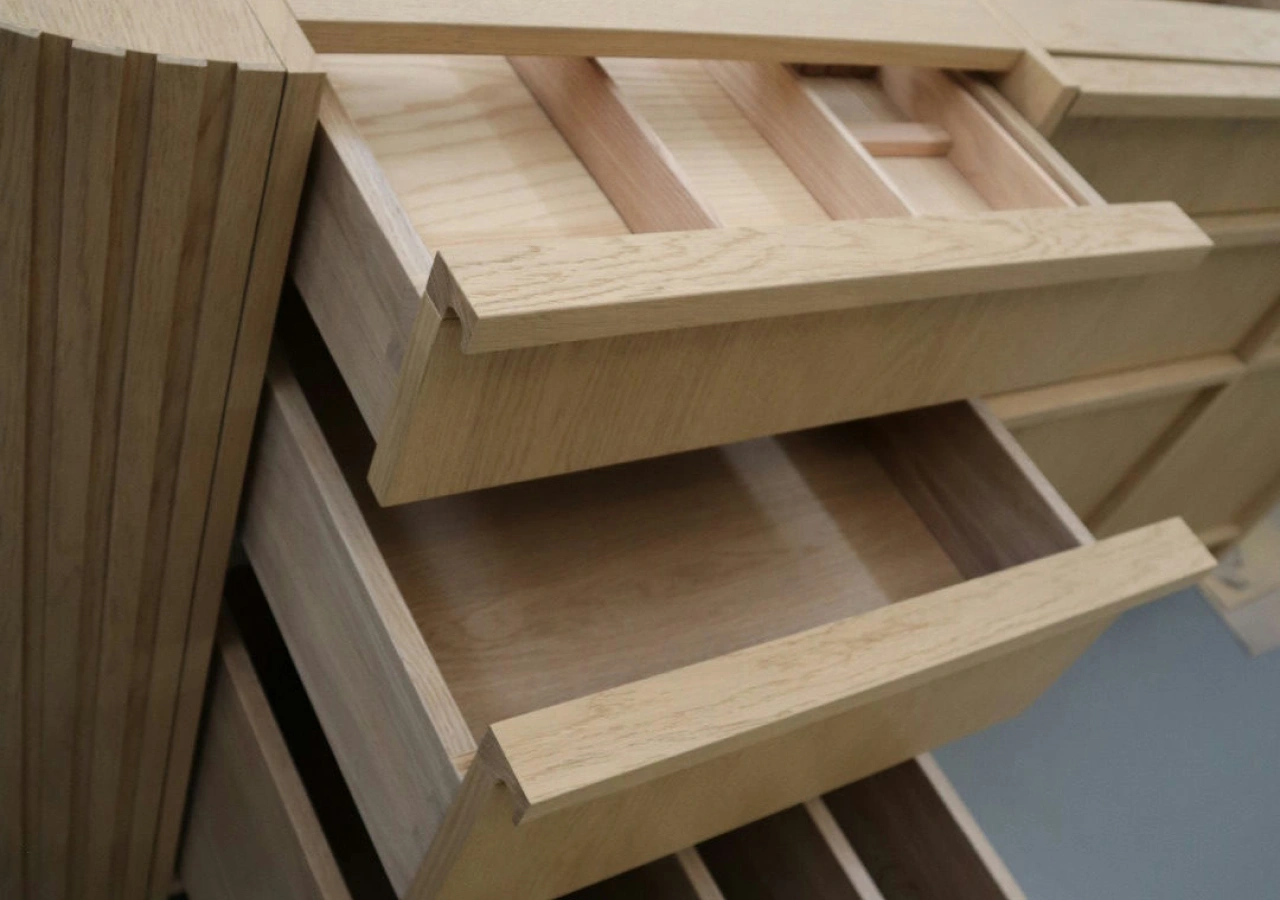
Solid wood is natural, tactile, and expressive. It can be beautiful for shelves, handles, frames, trims, and furniture-like details. Used intentionally, it adds craft and depth.
But solid wood moves. Humidity, heat, and seasonal changes can make natural wood expand and contract. On large flat slab doors, that movement can lead to cupping, warping, or visible shifts over time. This does not make solid wood bad; it means it has to be used where its strengths make sense.
For broad modern fronts, veneer over a stable core can be more practical. It gives the visual warmth of real wood while supporting the precision that flat-front, handleless, and panel-ready kitchens need. Think of solid wood as expressive, not automatically superior.
Laminate and Melamine: Practical, Durable, and Budget-Smart
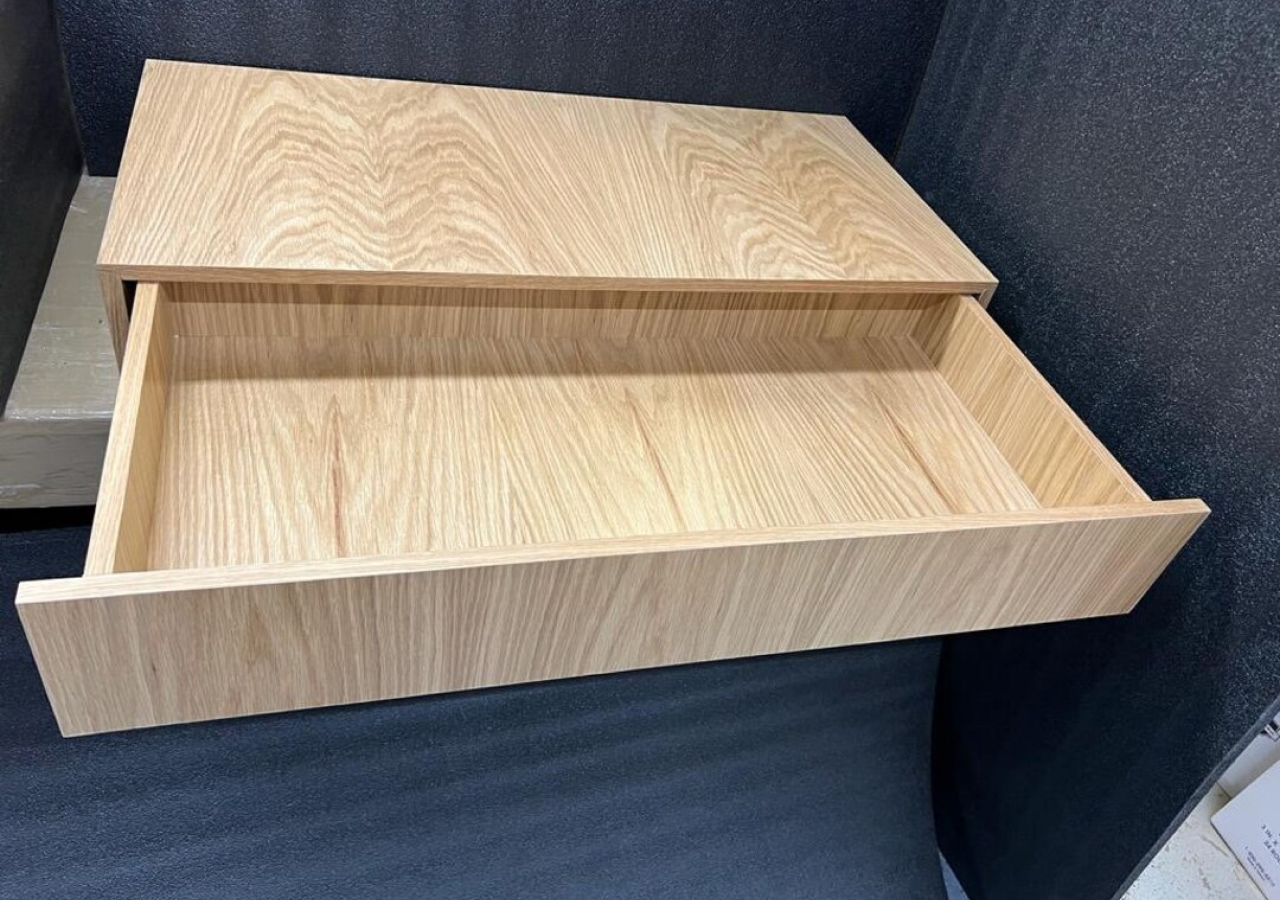
Laminate and melamine are manufactured decorative surfaces. They are not the same as real wood veneer, but high-quality options can be durable, easy to clean, and useful in modern kitchens.
Not every laminate is the same. Some wood-look laminates can feel flat or printed. Better European laminates and matte surfaces can look refined, especially in solid colors, interiors, utility zones, or high-use areas. Laminate is often a smart way to keep a kitchen calm while controlling cost.
Laminate can also free budget for storage, organizers, countertops, appliances, or better drawer systems. It will not give the same natural grain depth as veneer, but it can still look considered when used honestly and paired with the right layout, lighting, and finishes.
MDF and Engineered Cores: Not Automatically Cheap, Not Waterproof
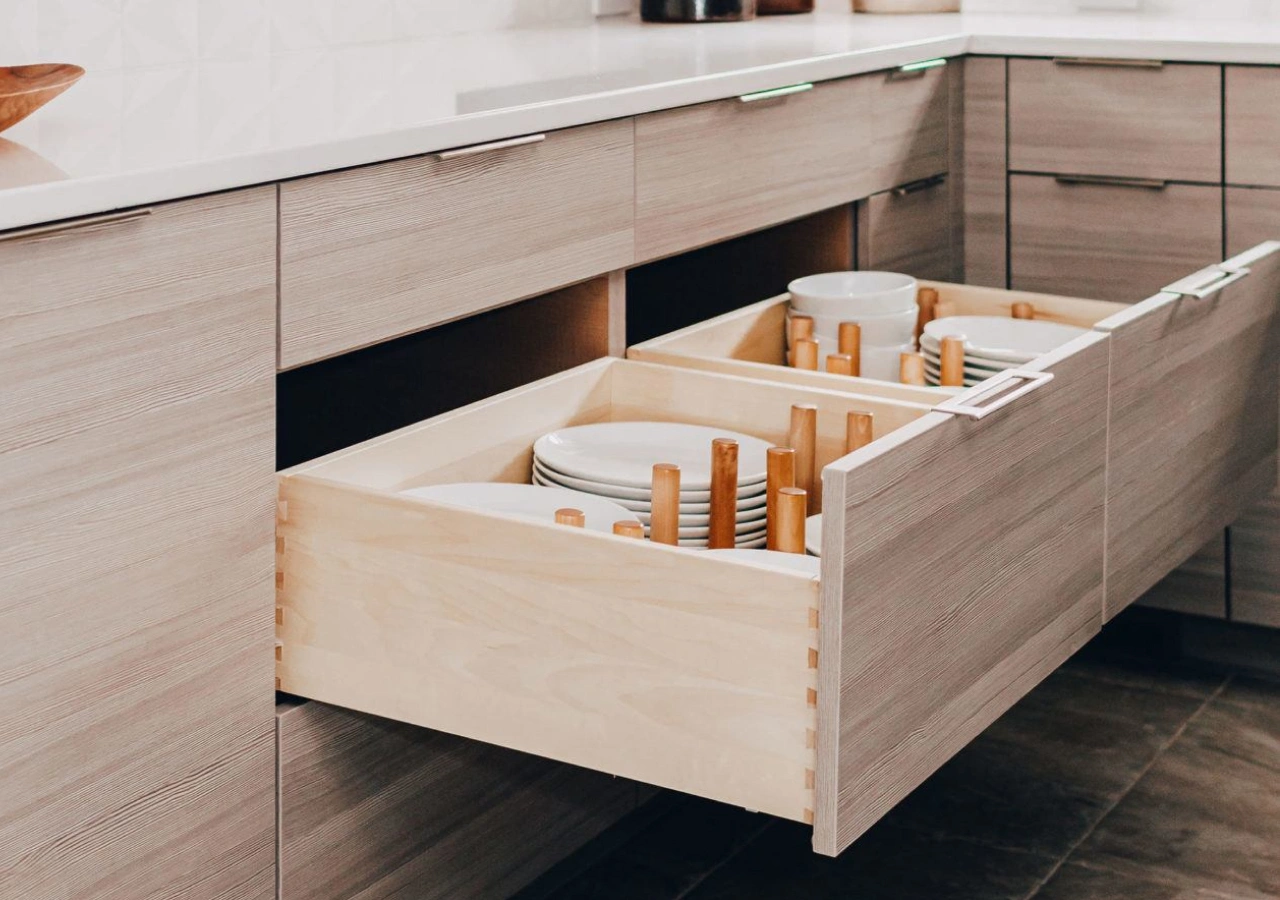
MDF is an engineered wood core often used because it is smooth, stable, and suitable for painted finishes, matte fronts, routed details, and flat modern doors. It is not automatically low quality, but it should not be treated as waterproof.
Performance depends on density, coating, edge sealing, construction quality, and where the material is used. Properly finished MDF can be practical. Poorly protected MDF can be vulnerable around moisture. No cabinet material likes standing water.
Leaks and long-term moisture at toe kicks or panel edges can damage many types of cabinetry. Good planning protects wet zones with proper appliance installation, finished edges, sealed panels, and smart detailing around sinks, dishwashers, and floors.
Instead of asking only “Is it MDF?” ask where it is used, how it is coated, how the edges are protected, and what surface material sits above it. The performance is in the full assembly.
How Materials Affect Сabinet Price
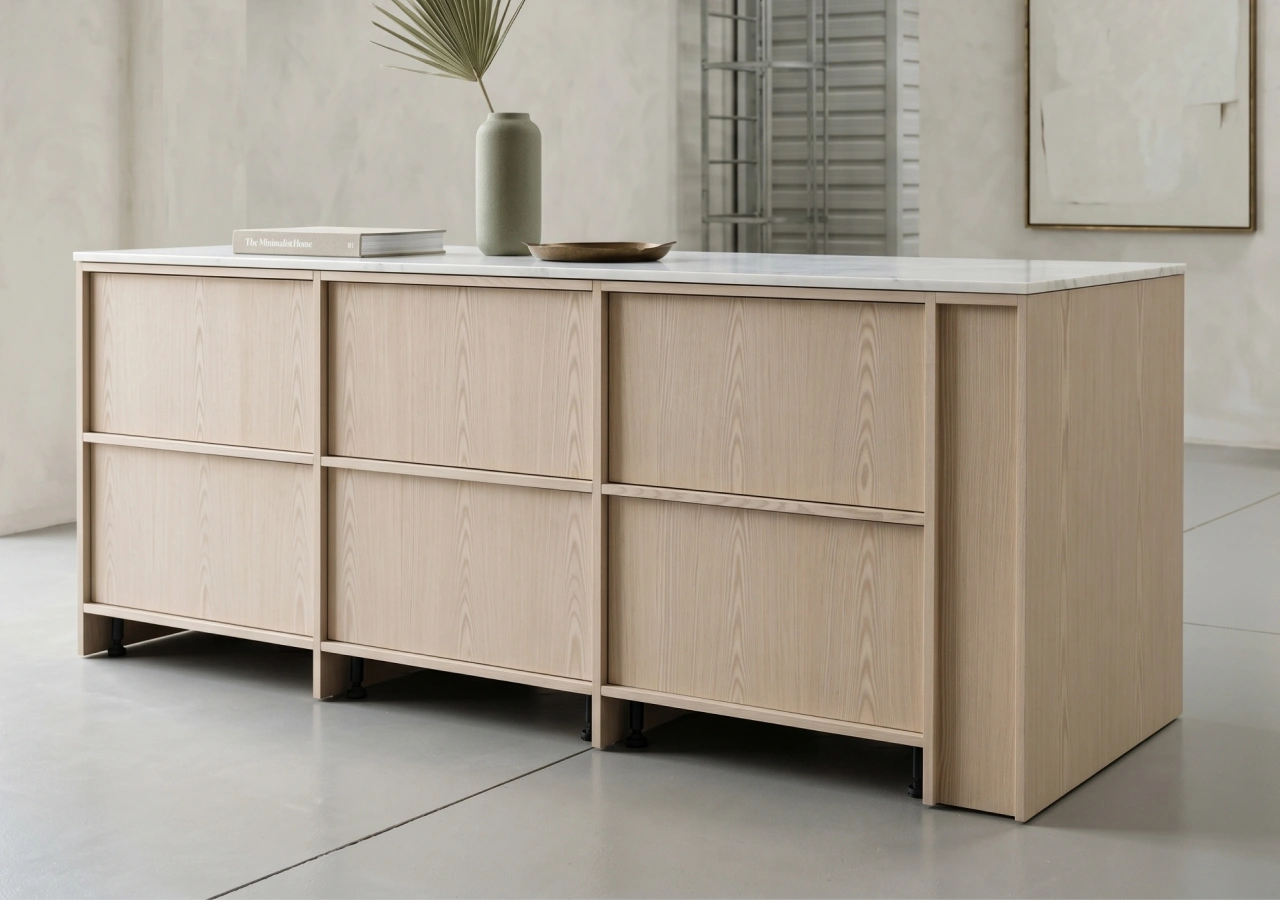
Cabinet price depends on material and scope. A higher quote may include better fronts, more drawers, upgraded hardware, appliance panels, organizers, installation support, or custom detailing.
Wood veneer often costs more than laminate because it uses a real wood surface and may require finish control and grain planning. Laminate can reduce cost, especially for solid colors, interiors, or secondary zones. This does not mean laminate is “bad”; it means it may be doing a different job in the design.
A lower quote is not automatically a better quote. It may include different materials, fewer drawers, simpler hardware, no internal organizers, fewer appliance panels, or less installation support. Compare the same layout, front material, core, drawer count, hardware, organizers, panels, toe kicks, delivery, and installation assumptions before judging value.
Which Material Should You Choose?
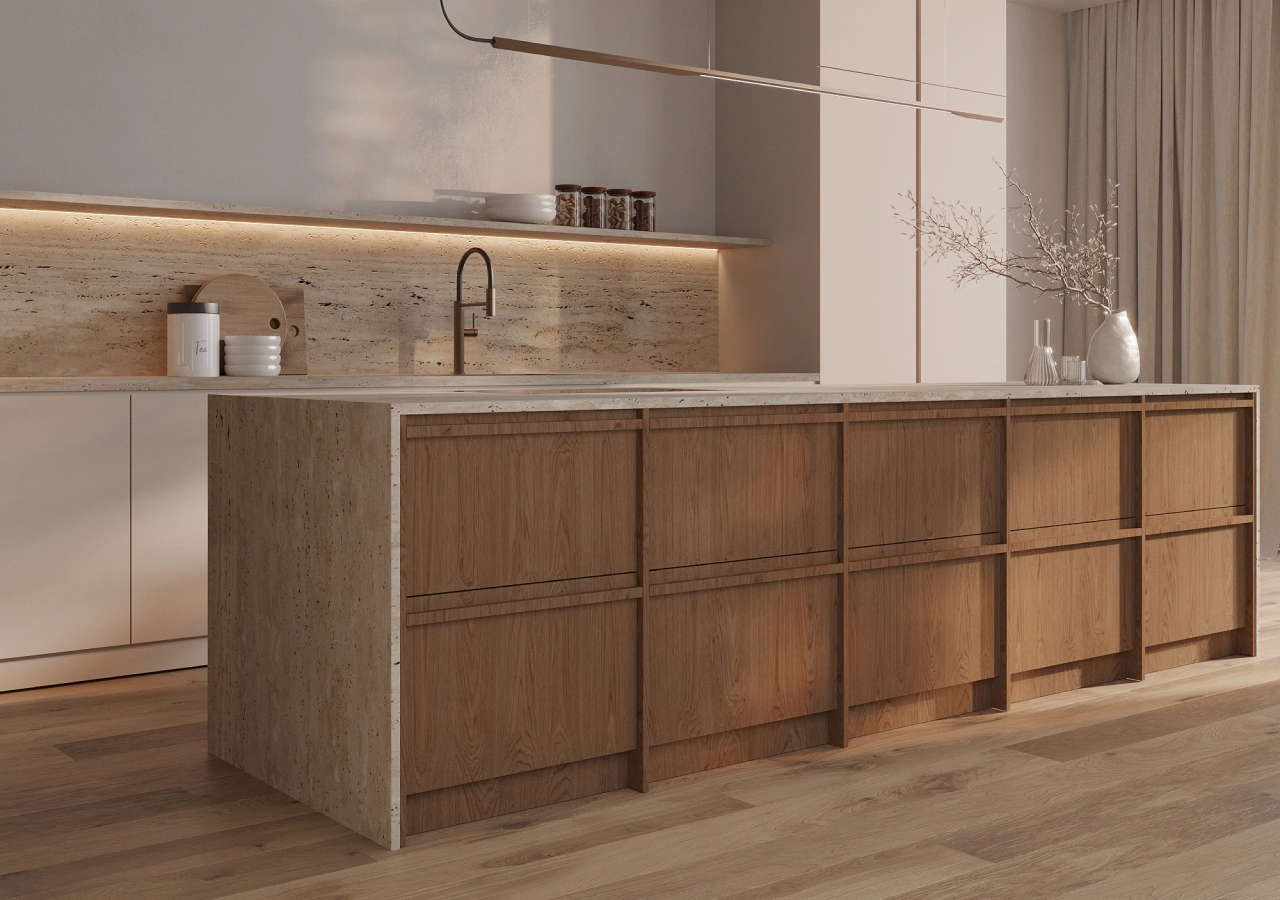
Choose wood veneer if you want real wood warmth, natural grain, and refined modern fronts. Choose solid wood for crafted details where natural movement is understood. Choose laminate or melamine for durability, easy cleaning, solid color, or budget control. Choose MDF or another engineered core when smoothness, stability, and precision matter.
The strongest kitchens often combine materials intentionally. A design might use veneer where warmth matters most, laminate or matte surfaces where practicality matters, and engineered cores where stability and precision are needed. Each material should have a clear role.
Conclusion
Cabinet material choices are really trust choices. Homeowners want to know what is real, what will last, why one quote costs more, and what they will touch every day. Veneer is real wood and can be more practical than solid wood for modern flat fronts. Solid wood is beautiful, but it needs the right application. Laminate can be durable and budget-smart, while MDF and engineered cores can perform well when properly finished.
The same intentional thinking applies when mixing materials: use wood where warmth matters most, laminate or matte surfaces where practicality matters, and engineered cores where stability and precision are needed.
To choose confidently, compare samples, clarify front and core materials, and study real kitchen examples. Explore Corner’s collections, view project galleries, or book a design consultation when you are ready to turn material questions into a clear design direction.


