.webp)
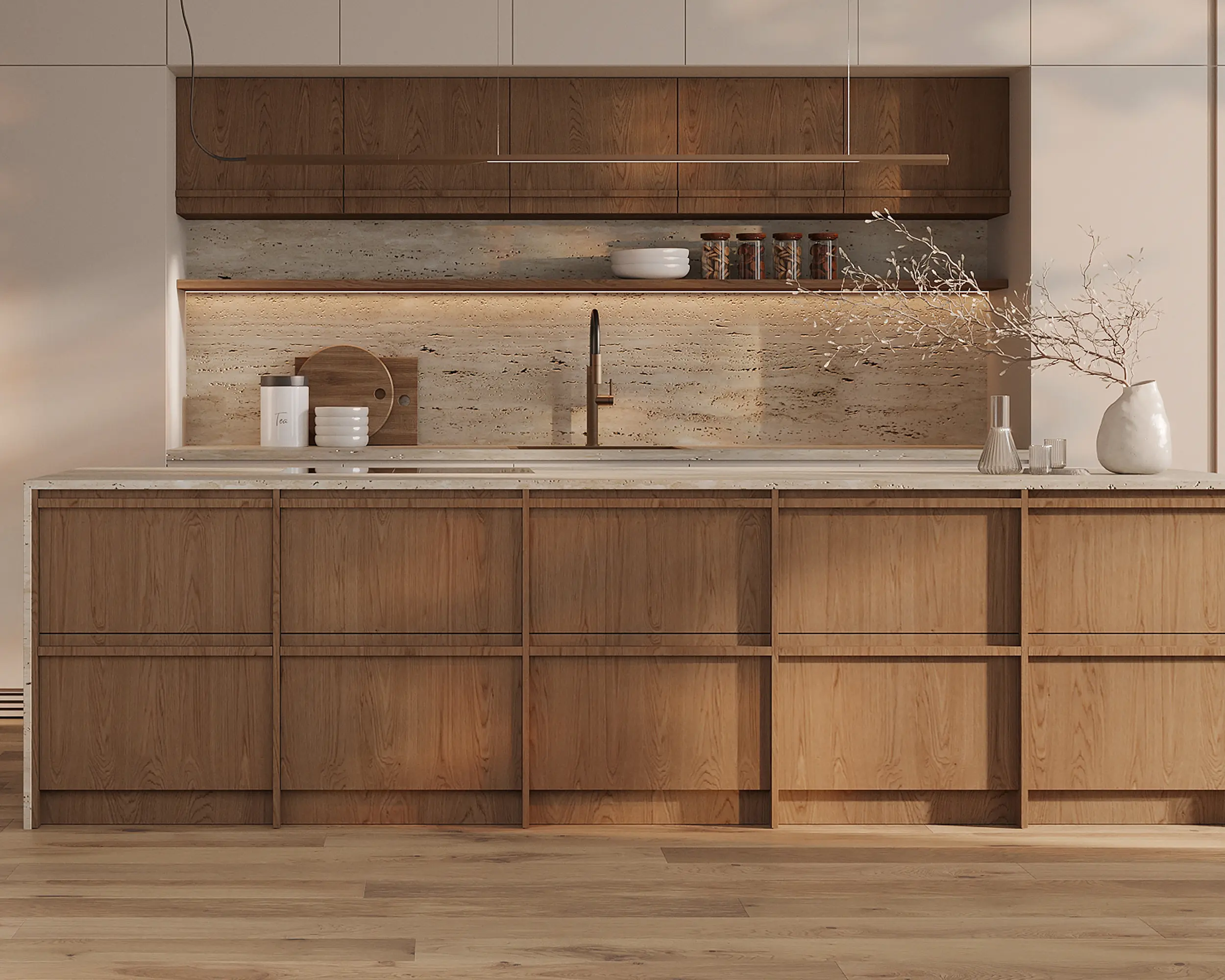
A kitchen cabinet quote can look simple from the outside: one number for the cabinets. In reality, that number may cover very different things depending on the company, the design, and how much support is included.
One estimate may include only cabinet boxes, fronts, and basic hardware. Another may include appliance panels, inner drawers, pull-outs, pantry systems, finished side panels, detailed drawings, shipping coordination, and installation support. That is why comparing two cabinet quotes by price alone can be misleading.
Before approving a quote, the main question is not just “How much does it cost?” It is “What exactly is included in this number, and what will be handled separately?”
A Cabinet Quote Is More Than a Price
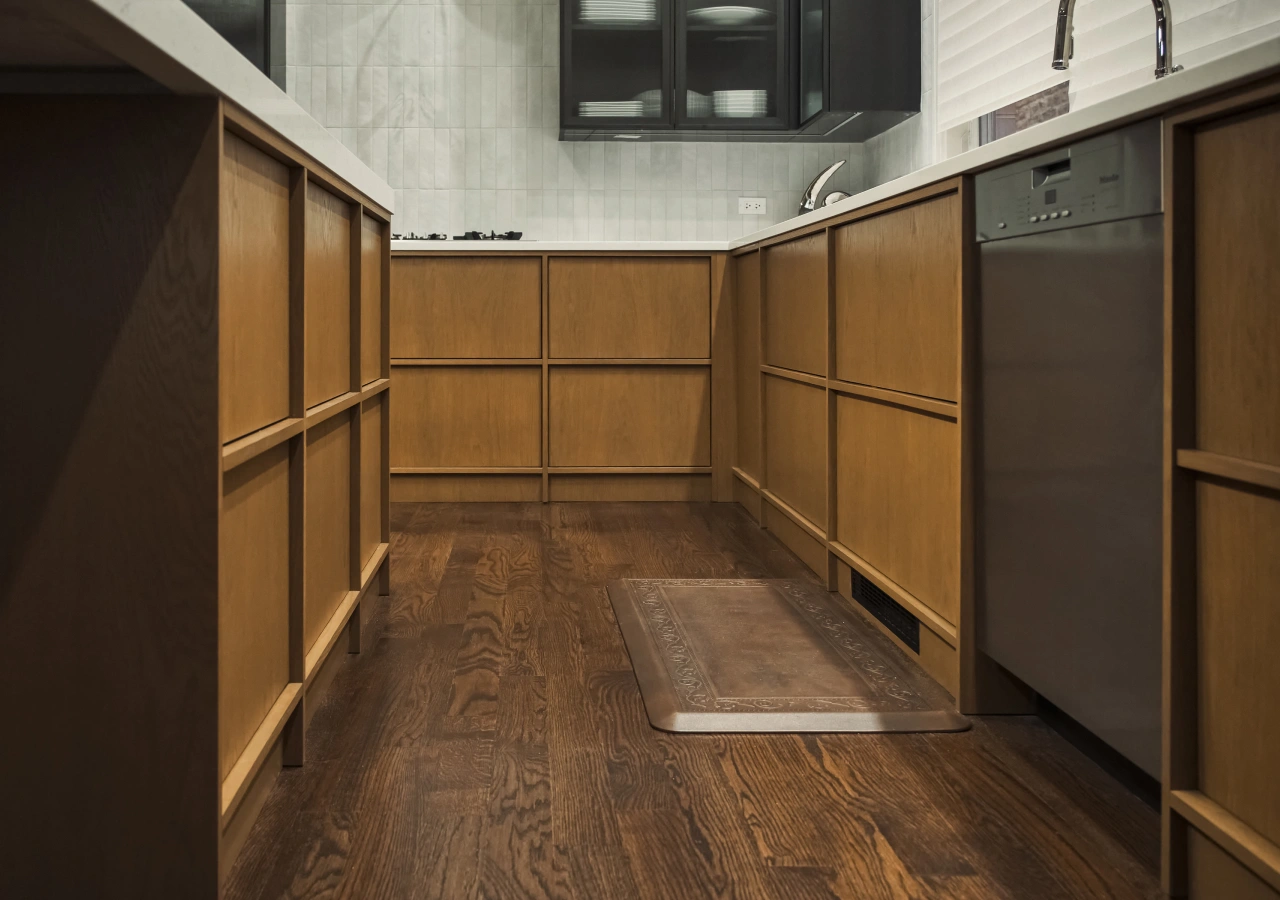
A cabinet quote should explain what the cabinet package includes and where that package ends. This is especially important in custom or semi-custom kitchens, where small details can change both the function and the final cost.
For example, a simple base cabinet with doors and shelves is not the same as a base cabinet with deep drawers, premium runners, inner drawers, and custom organizers. A tall pantry with fixed shelves is not the same as a pantry with internal drawers and pull-out storage. From the outside, the layout may look similar, but the actual build is different.
That is why the estimate should be read as a project scope, not just a price. It should show what is included, what is optional, and what still needs to be supplied or coordinated by someone else.
Cabinet Boxes and Fronts
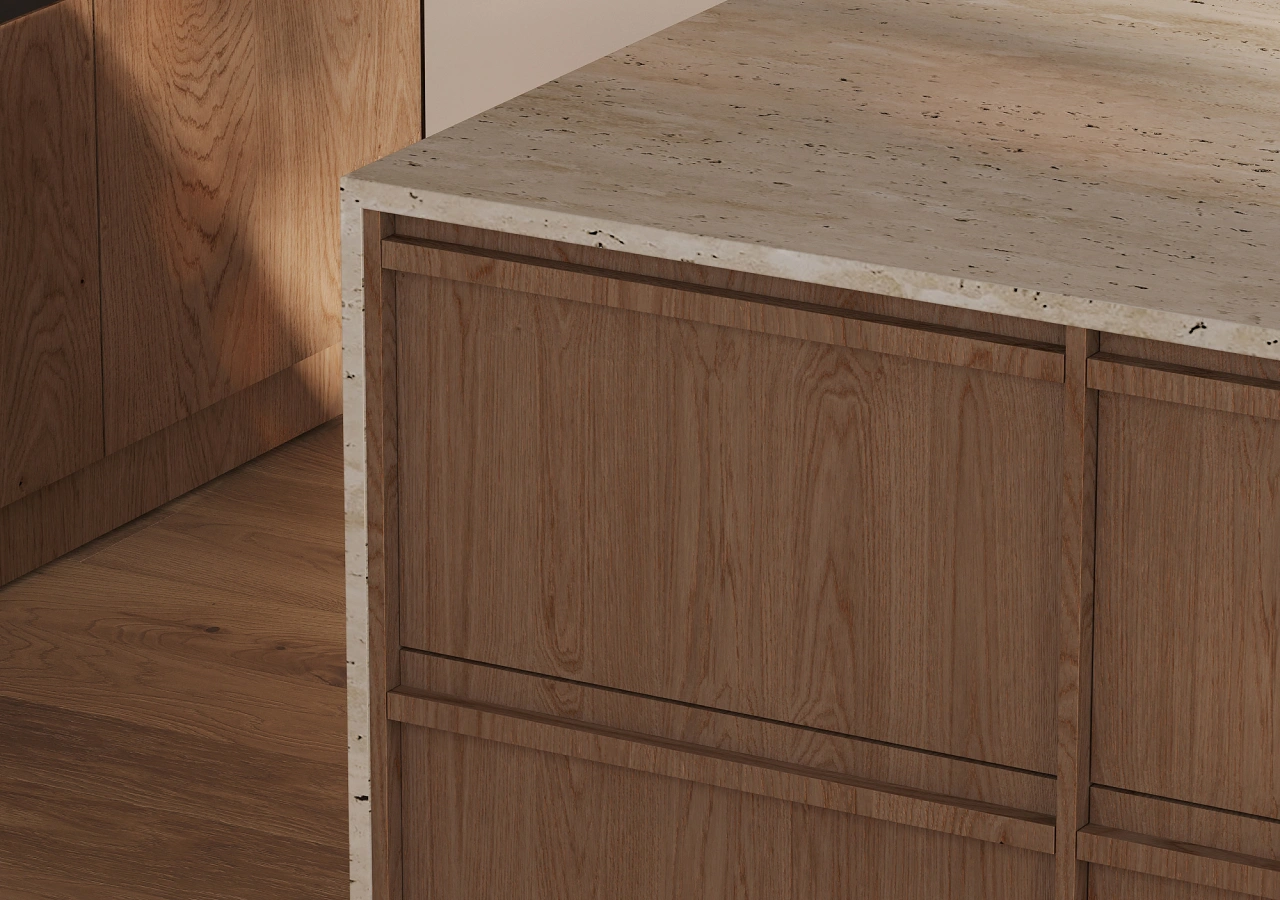
Cabinet boxes are the structure of the kitchen. They form the base cabinets, wall cabinets, tall cabinets, pantry units, appliance housings, and island cabinets. This part of the quote tells you what is being built and how the kitchen is organized.
Cabinet fronts are the visible layer: doors, drawer fronts, and exposed finished surfaces. They define much of the kitchen’s appearance, whether the design uses natural wood veneer, matte lacquer, FENIX, laminate, slim shaker fronts, handleless doors, glass, or a mixed-material palette.
The estimate should identify the front material, finish, color, edge detail, handle style, and grain direction where relevant. These details can change the cost significantly. A walnut veneer kitchen, a matte lacquer kitchen, and a basic laminate kitchen may have the same layout, but they will not price the same way.
Hardware and Drawer Systems
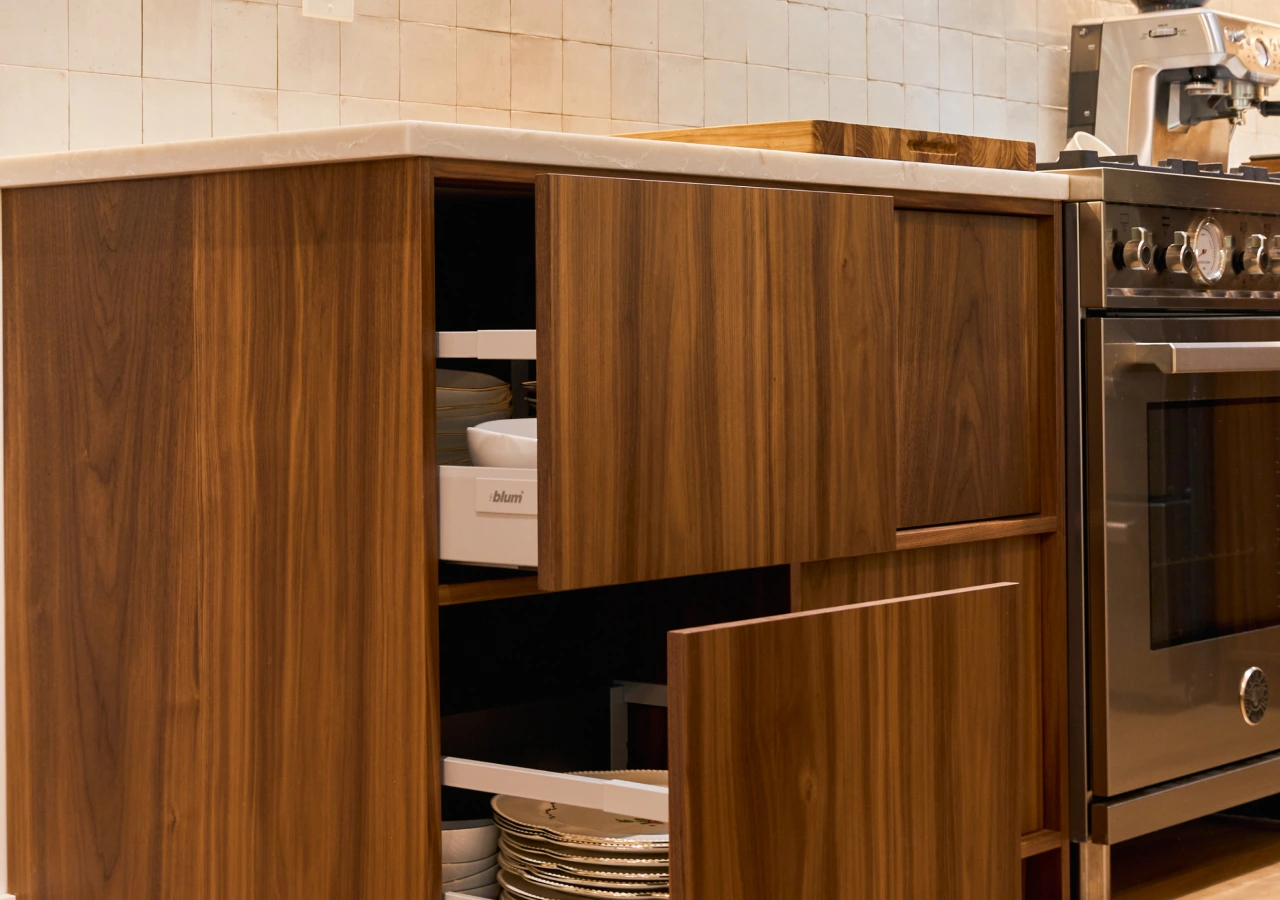
Hardware includes the parts that make cabinets open, close, slide, lift, and function. This can include hinges, drawer runners, lift-up systems, push-to-open mechanisms, recessed pulls, J-pulls, soft-close hardware, and other opening systems.
Hardware affects how the kitchen feels after installation. A rendering may show clean lines, but the daily experience comes from how the drawers move, how the doors align, how lift-up cabinets operate, and whether the opening system feels natural to use.
Drawer systems can also change the estimate. Deep drawers, inner drawers, and premium runners often cost more than basic cabinets with doors and shelves, but they can make the kitchen much easier to use. This is especially true in base cabinets, pantry areas, and cooking zones where access matters.
Interior Storage and Functional Accessories
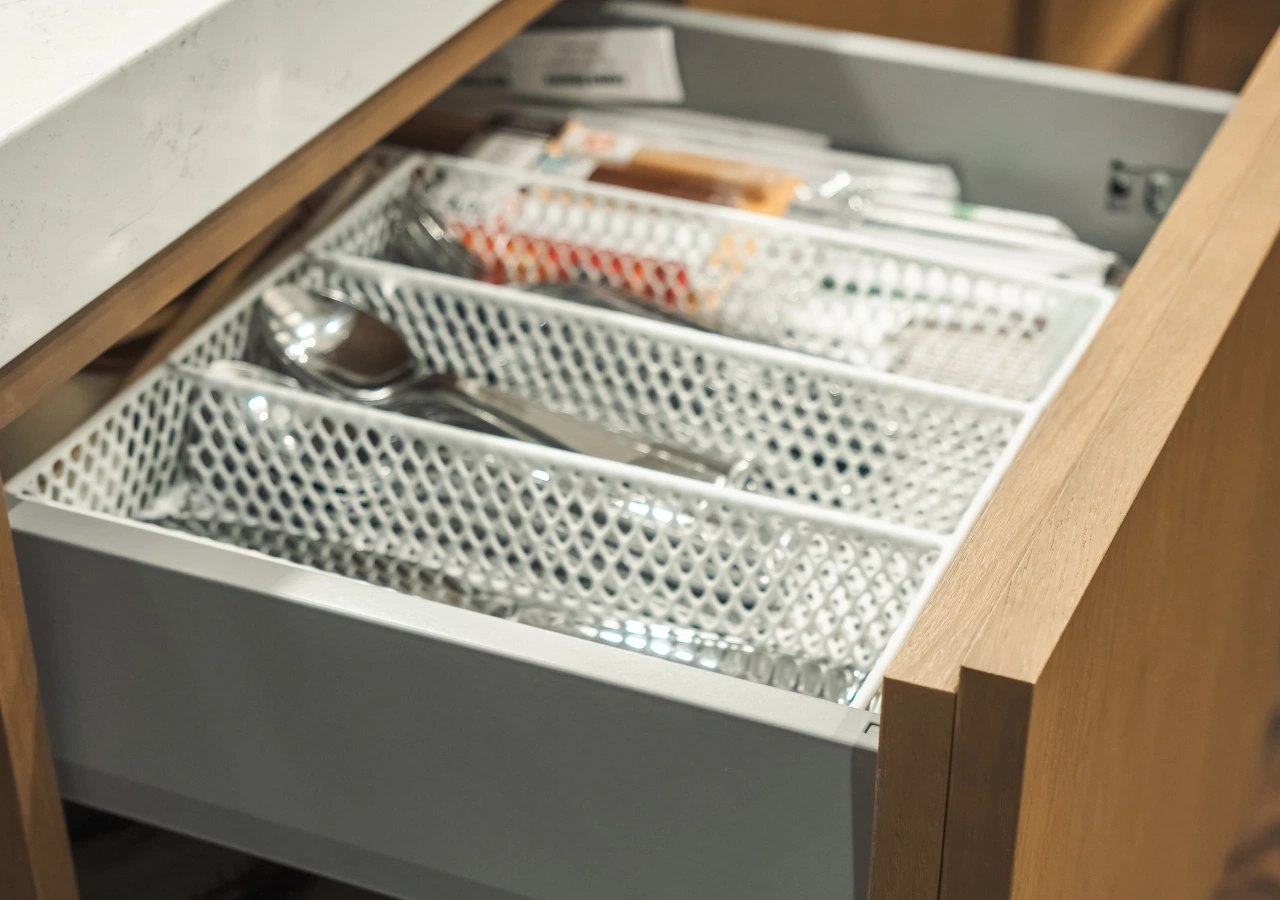
Interior accessories are often the difference between a kitchen that looks organized and a kitchen that works well in daily use. They are also one of the areas where homeowners may assume something is included when it is not.
Common accessories include inner drawers, pull-out waste bins, spice pull-outs, pantry systems, corner mechanisms, tray dividers, cutlery organizers, and appliance garage interiors. These features should be listed in the estimate if they are part of the design.
A pantry wall is a good example. From the outside, two pantry walls may look almost identical. Inside, one may have fixed shelves, while the other has inner drawers, pull-out trays, and organized zones for food, appliances, and serving pieces. Those are different cabinet packages, even if the exterior looks similar.
Appliance Panels and Built-In Planning
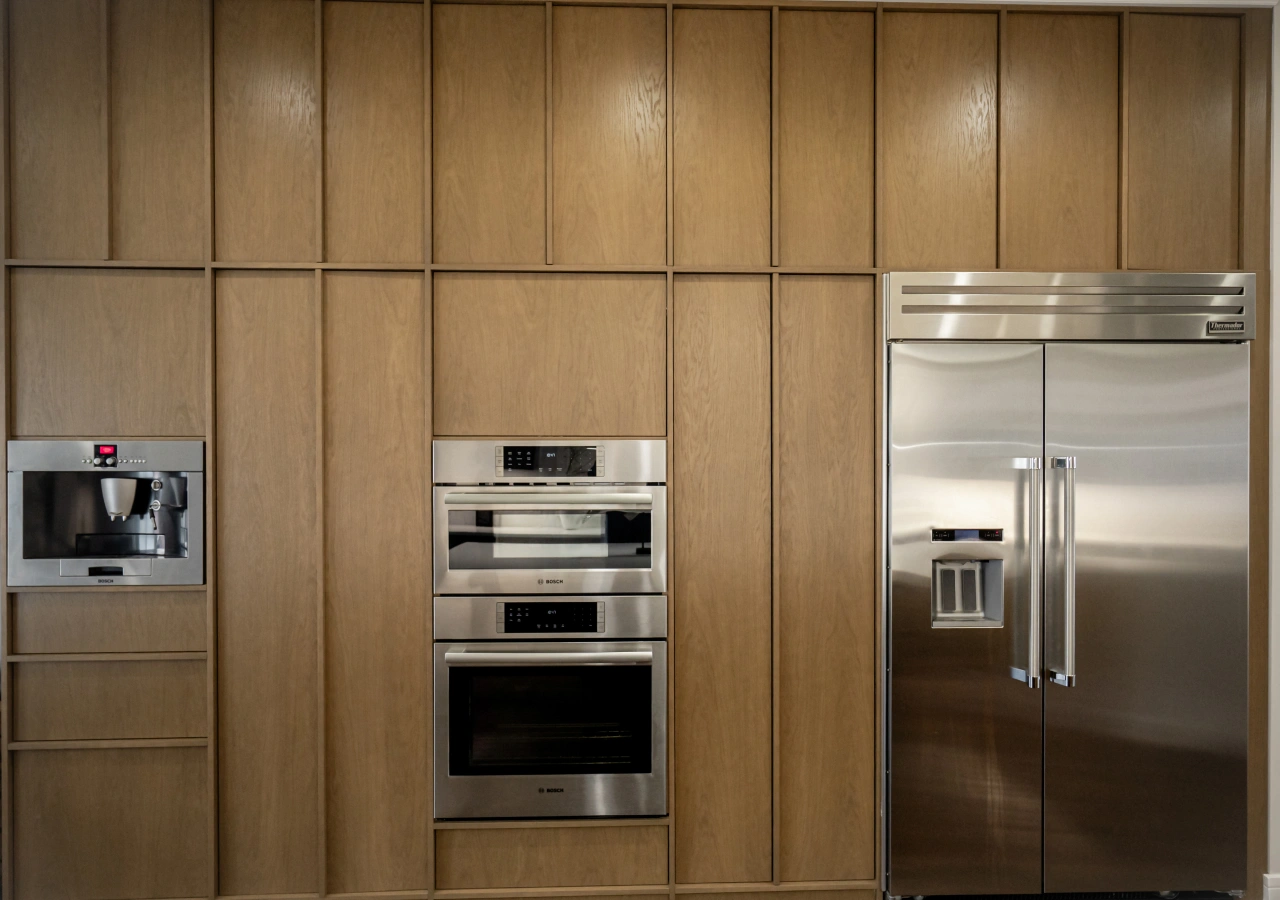
Appliances are normally purchased separately from the cabinet package, but the cabinetry still needs to be designed around them. This matters most with panel-ready appliances, built-in ovens, integrated dishwashers, ventilation hoods, cooktops, and large refrigeration columns.
A panel-ready refrigerator, freezer, or dishwasher needs matching cabinet fronts, side panels, fillers, toe kick planning, and careful alignment. If those pieces are not included in the quote, the finished kitchen may not match the integrated look shown in the design.
The drawings should also reflect the exact appliance models whenever possible. Appliance openings, clearances, ventilation needs, filler sizes, and door swings depend on real specifications. If the estimate is based on placeholder appliances, some details may change once final models are selected.
Panels, Fillers, Toe Kicks, and Finished Ends
.webp)
Panels, fillers, toe kicks, and finished ends are not the most exciting parts of a kitchen quote, but they make a major difference in the finished room. They close gaps, cover exposed cabinet sides, finish island backs, align tall units, and help the cabinetry meet walls, floors, ceilings, and appliances properly.
These details are especially important for islands, tall appliance walls, panel-ready refrigerators, open-ended cabinet runs, and layouts where cabinet sides remain visible. Missing panels or fillers can lead to awkward gaps, unfinished sides, or unexpected add-ons later.
The estimate should show which finishing pieces are included. This may include side panels, cover panels, toe kicks, island back panels, appliance side panels, fillers, and finished ends.
Design Support and Technical Drawings

Some cabinet quotes include more than the physical cabinet parts. They may also include design support, layout planning, 3D renderings, material coordination, appliance planning, revisions, and technical drawings.
Renderings help you understand how the kitchen will look. Technical drawings help make the kitchen buildable. They show cabinet dimensions, appliance openings, panels, fillers, toe kicks, clearances, finished sides, and installation details.
This part of the process can prevent expensive mistakes before production begins. Detailed drawings help catch appliance conflicts, missing panels, awkward storage, wrong clearances, and unclear installation conditions before the cabinets are manufactured.
Features Included Only If Listed
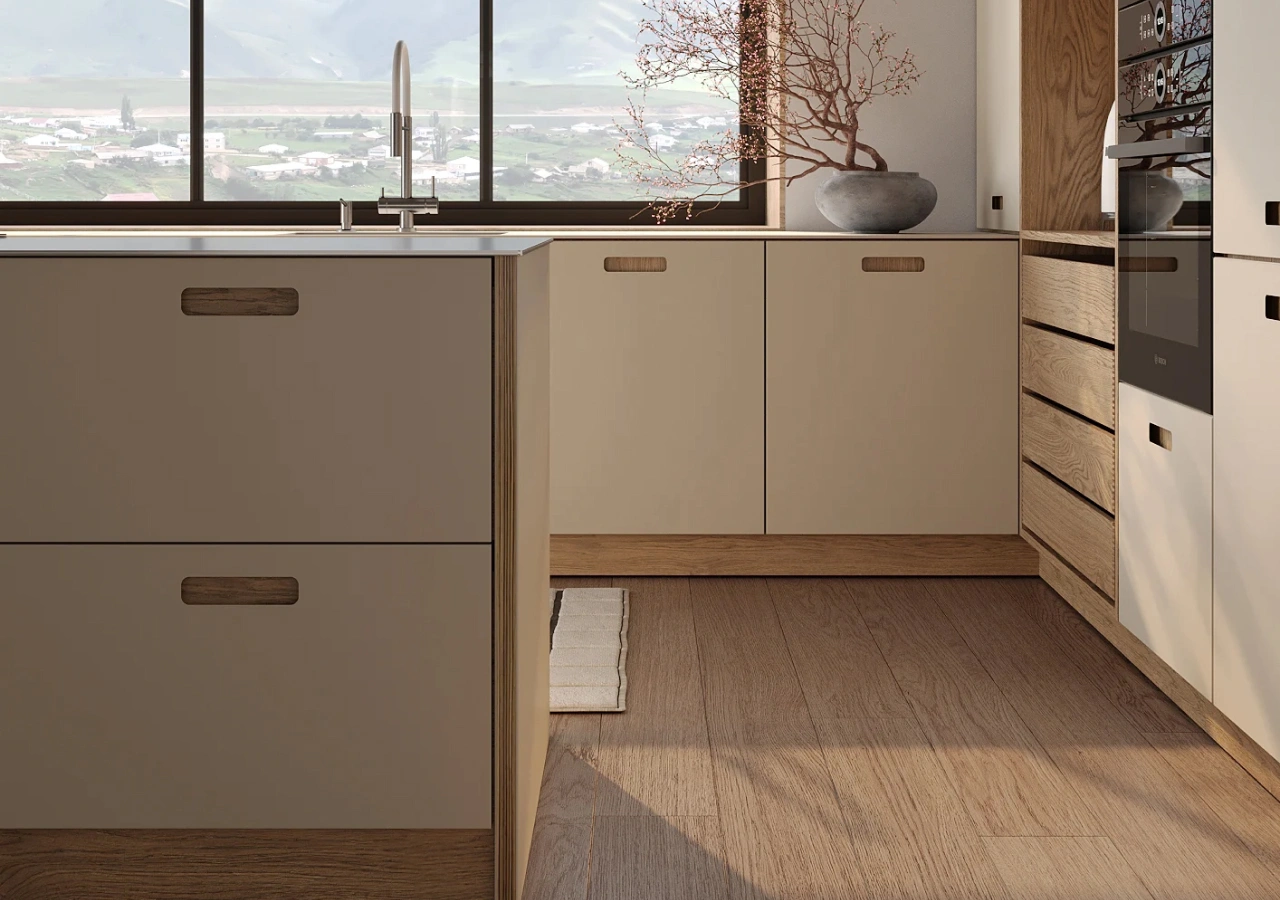
Some features should not be assumed. They are part of the cabinet package only when they are shown in the design and written into the estimate.
Appliance garages are a common example. They may require pocket doors, lift-up hardware, custom depth, outlets, lighting, ventilation, and countertop coordination. From the outside, an appliance garage may look simple, but it often adds hardware, planning, and installation complexity.
Lighting is another area to check carefully. A quote may include cabinet lighting, lighting preparation, LED channels, or no lighting at all. Even when the cabinets are prepared for lighting, the electrical connection is normally handled by a local electrician.
Paneling and cladding may also sit outside the main cabinet package. This can include wall panels, decorative veneer panels, fireplace cladding, appliance side panels, or custom surfaces beyond the main kitchen run.
Shipping, Delivery, and Installation
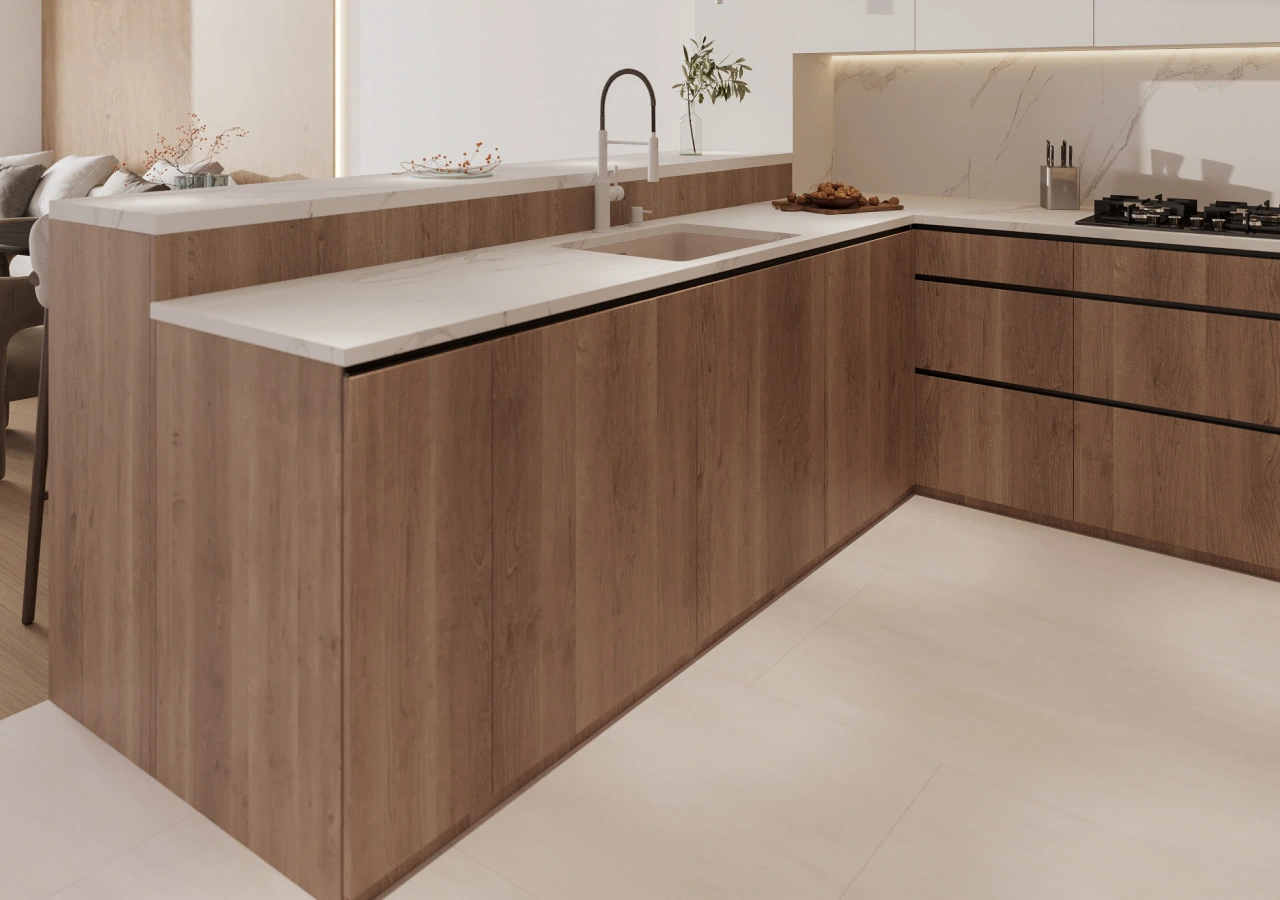
Shipping and delivery can be included, listed separately, or handled as a separate coordination item. It is important to understand what the delivery line actually covers.
Freight to the address is not the same as unloading, inside delivery, carrying cabinets into the home, storage, or site protection. If those services are needed, they should be discussed before the project moves forward.
Installation is another separate part of the conversation. A cabinet quote may be supply-only, meaning it covers the cabinetry package but not the on-site labor. Installation may be quoted separately, handled by a local contractor, or coordinated with support from the cabinet company.
For Corner, installation is usually listed separately unless it is specifically included in the agreed scope. Assembly guidance and installation support are part of the process, but on-site labor, unloading, adjustments, and final fitting should be clarified early.
What Is Usually Separate From a Cabinet Quote?
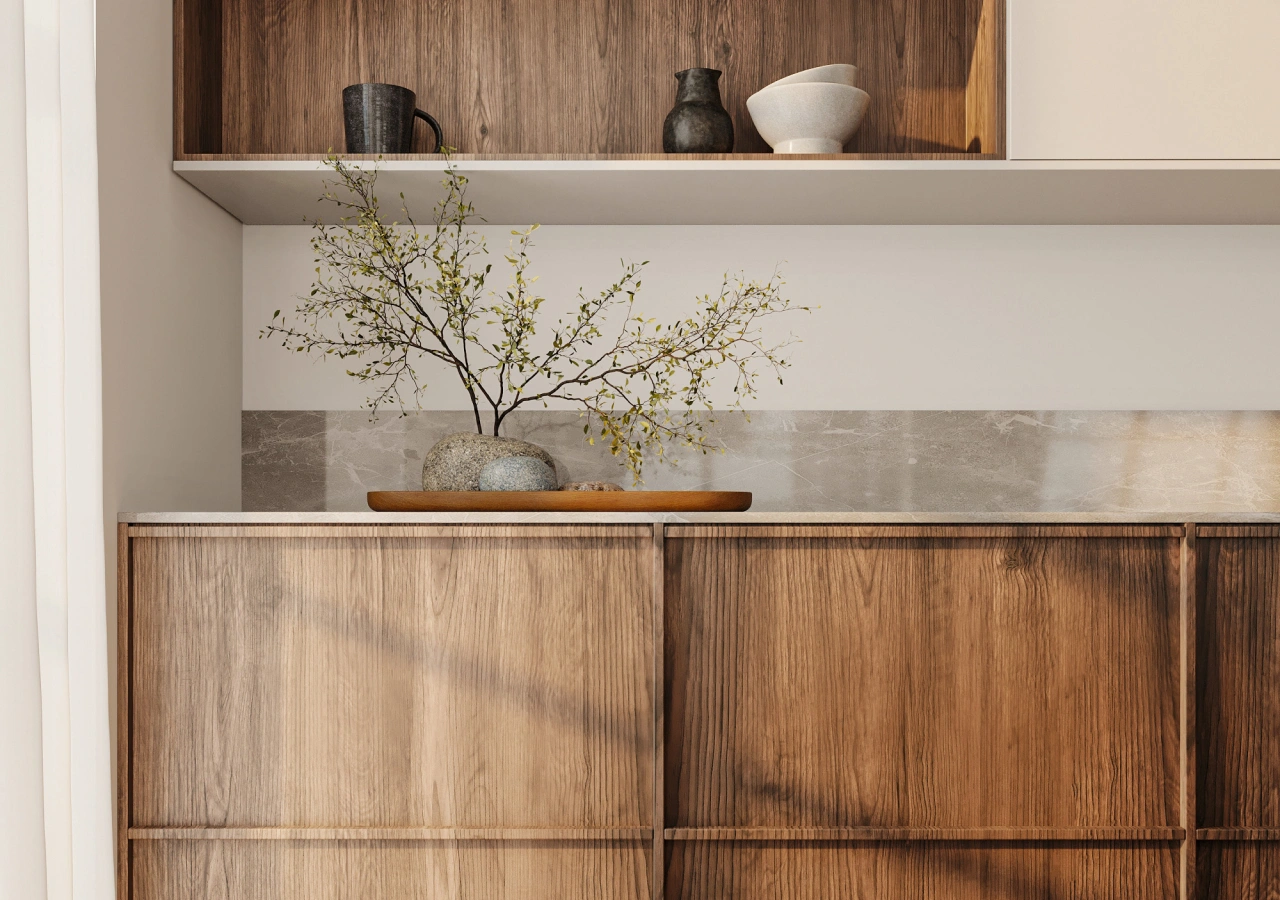
Countertops are normally outside the cabinet quote unless the proposal says otherwise. Stone countertops often need to be templated after the cabinets are installed, so fabrication and installation are usually handled locally. This applies to quartz, marble, granite, Dekton, Silestone, concrete, and similar surfaces.
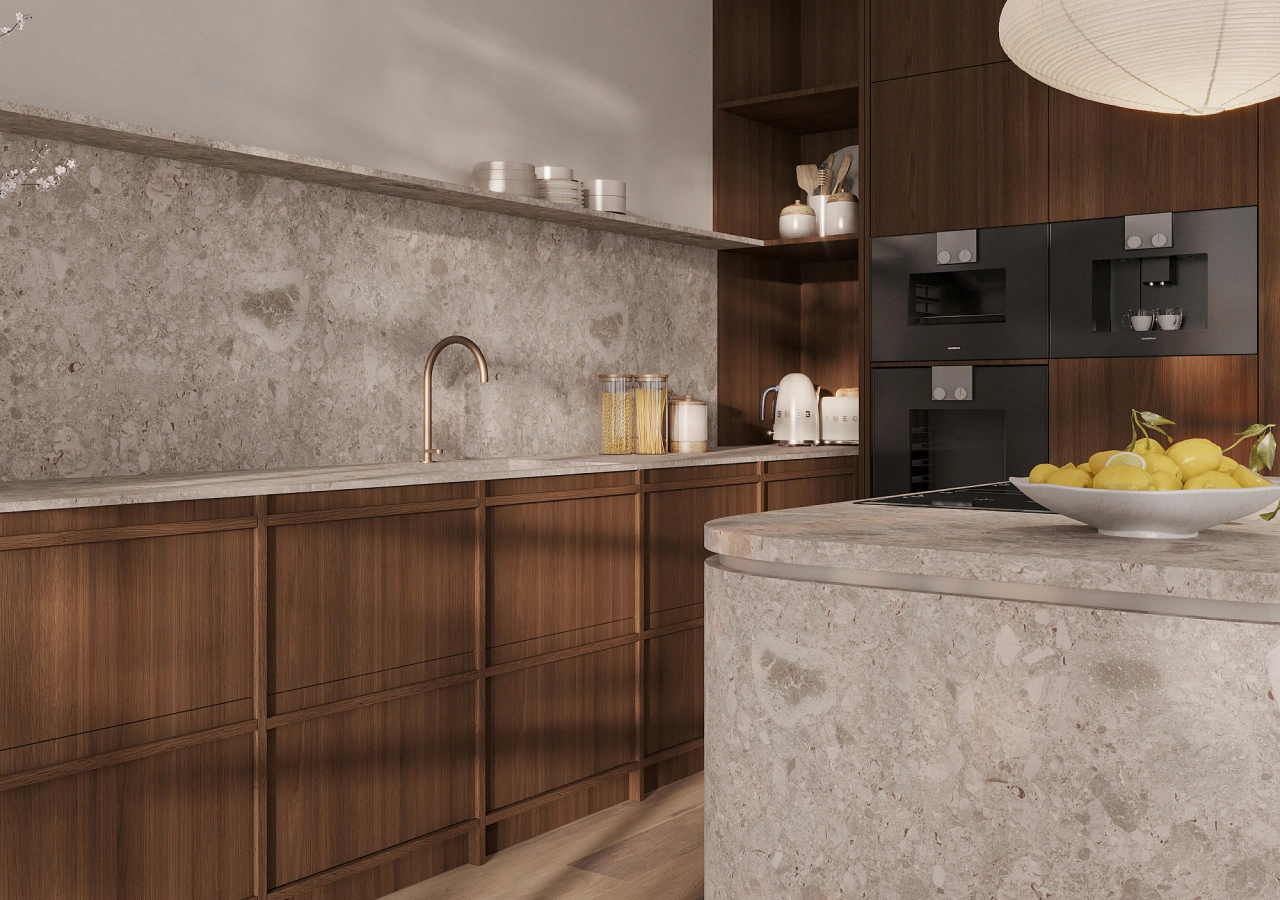
Appliances are also separate in most cases. The cabinet design may be planned around a refrigerator, dishwasher, oven, range, cooktop, or ventilation hood, but the appliances themselves are typically purchased outside the cabinet package.
Local site work is separate as well. This can include demolition, plumbing, electrical work, flooring, wall repair, painting, ventilation, countertop fabrication, and general contractor labor. A cabinet supplier may help coordinate some of these steps, but that does not mean the local labor is included in the cabinet price.
A Simple Way to Read a Cabinet Quote
The easiest way to review a cabinet quote is to divide it into three groups: included, included only if listed, and separate.
CategoryWhat it meansUsually includedCabinet boxes, fronts, basic hardware, selected panels, and agreed finishesIncluded only if listedInner drawers, pull-outs, appliance garages, appliance panels, lighting, cladding, upgraded hardware, drawings, shipping, and installation supportUsually separateCountertops, appliances, plumbing, electrical work, flooring, demolition, painting, and local contractor labor
Before approving the estimate, ask five questions:
- What is included in the cabinet package?
- What is optional or upgraded?
- What is excluded?
- What depends on final measurements or appliance specs?
- Who is responsible for the local work?
This article is focused on understanding one cabinet quote. If you are comparing estimates from different companies, use the Kitchen Cabinet Quote Checklist to compare them side by side.
Conclusion
A kitchen cabinet quote should tell you more than the total price. It should explain what is included in the cabinet package, what is optional, what is excluded, and who is responsible for the work outside the cabinetry.
Cabinet boxes, fronts, hardware, storage accessories, appliance panels, drawings, shipping, and installation support can all affect the final number. Countertops, appliances, and local site work are separate unless the proposal specifically includes them.
Before approving a quote, check the details behind the price. The more specific the estimate is before production, the fewer surprises you are likely to run into later.