
.webp)
Cabinet timing affects more than the cabinet order itself. Cabinets determine appliance placement, storage, countertop measurements, installation order, and delivery planning. When they are ordered too late, the rest of the renovation schedule can start to slip.
A common mistake is waiting until the contractor is almost ready for cabinets. For custom cabinets, the better time to order is when the design is ready to be built: the layout is approved, measurements have been checked, appliance specs are confirmed, finishes are selected, and drawings are reviewed.
Here is how to think about cabinet timing across 8, 12, and 16-week renovation schedules.
Quick Answer: When Should You Order Kitchen Cabinets?
.webp)
Before custom cabinets go into production, the main design decisions need to be locked in. That includes the cabinet layout, site measurements, appliance models, sink and cooking locations, panel-ready requirements, finishes, storage features, island size, technical drawings, final checks, scope, schedule, delivery access, installation plan, and countertop coordination.
Once cabinets are ordered, changes become harder, slower, and more expensive. The goal is to give the cabinet supplier, designer, and contractor clear information before anything is built.
Kitchen Cabinet Timeline Comparison: 8, 12, and 16 Weeks

This table gives homeowners a practical benchmark for planning cabinet decisions before a remodel. The shorter the timeline, the more decisions must already be finalized.
The Biggest Misconception: The Timeline Starts With the First Quote

Many homeowners assume the cabinet timeline begins when they request an estimate. In reality, a quote is only the beginning of the planning process. Cabinets cannot move into production until there is enough confirmed information to build them correctly.
This matters because cabinets are not just storage. They affect appliance placement, traffic flow, drawer access, pantry organization, island size, and how the finished kitchen comes together. If the layout is still changing or appliance dimensions are missing, the kitchen is not ready for production.
Ordering at the right time gives the project more room to handle issues before they affect the contractor’s schedule. It helps avoid rushed finish decisions, late appliance changes, drawing revisions, and installation delays. Smooth installs usually come from decisions made weeks earlier, not from rushing right before delivery.
What Must Be Finalized Before Cabinets Go Into Production?
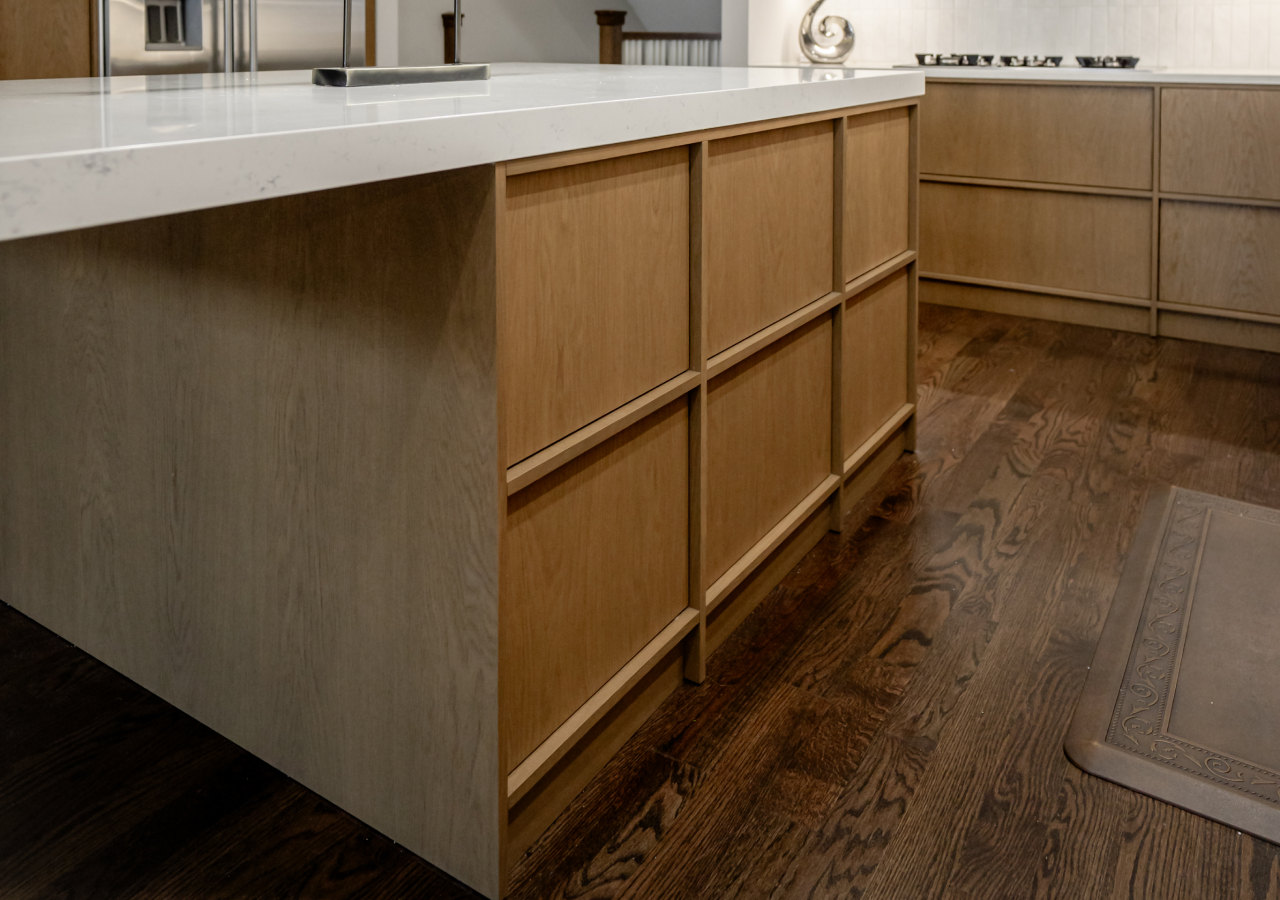
Before custom kitchen cabinets can move into production, the project needs stable design information. This includes the layout, appliance specs, measurements, finish direction, technical drawings, and final approval.
This is the point where the design becomes buildable. Inspiration, layouts, and finish ideas need to turn into clear instructions for the cabinet supplier, designer, and contractor. The more complete the information is, the lower the chance of delays, rework, or confusion.
Before ordering, confirm:
- Cabinet layout
- Rough measurements or floor plan
- Appliance list and model numbers
- Sink location
- Range, cooktop, oven, and hood direction
- Panel-ready appliance requirements
- Finish and material direction
- Storage features and organizers
- Island size
- Estimate and scope approval
- Technical drawings
- Final measurements or site checks
- Contractor schedule
- Delivery access
- Who installs the cabinets
- Countertop coordination
The practical takeaway is simple: do not treat “ordering cabinets” as one final click. Treat it as a production handoff. The cleaner the handoff, the lower the risk.
The 8-Week Kitchen Cabinet Timeline: Fast, Tight, and Decision-Heavy
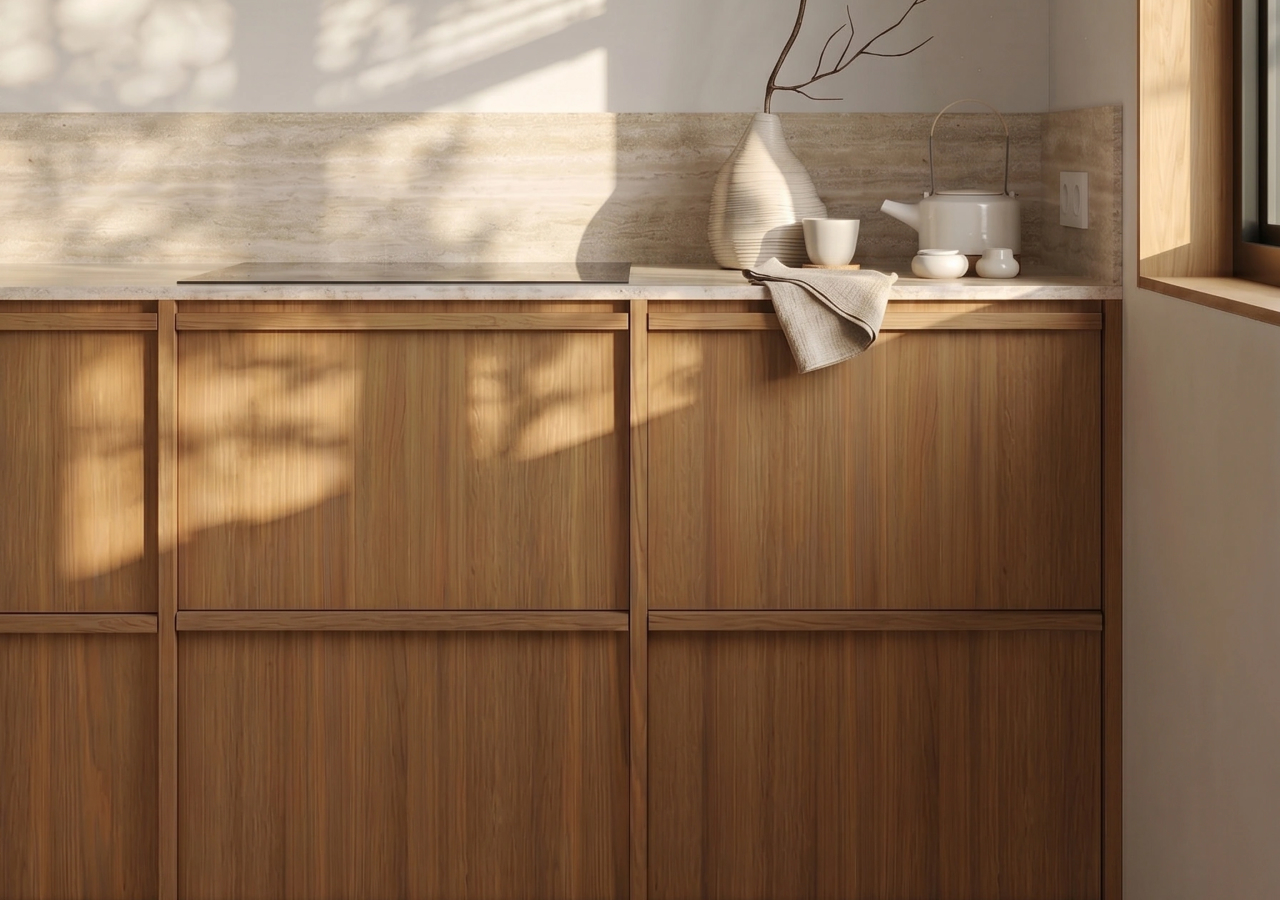
An 8-week cabinet timeline can work only when the project is already organized. It is not the right timeline for exploring several layouts, waiting on appliance choices, or comparing finishes.
Use this timeline when the layout is mostly set, measurements are ready, appliances are selected, finishes are not changing, the contractor is already scheduled, and the client can approve quickly.
The upside of this timeline is speed. The downside is limited flexibility. If you are still choosing materials, adjusting the island, waiting for samples, or confirming panel-ready appliance dimensions, 8 weeks can become stressful quickly.
An 8-week timeline is not a good fit if you are still changing the layout, coordinating major site work, or waiting for appliance models.
The 12-Week Kitchen Cabinet Timeline: The Realistic Planning Window
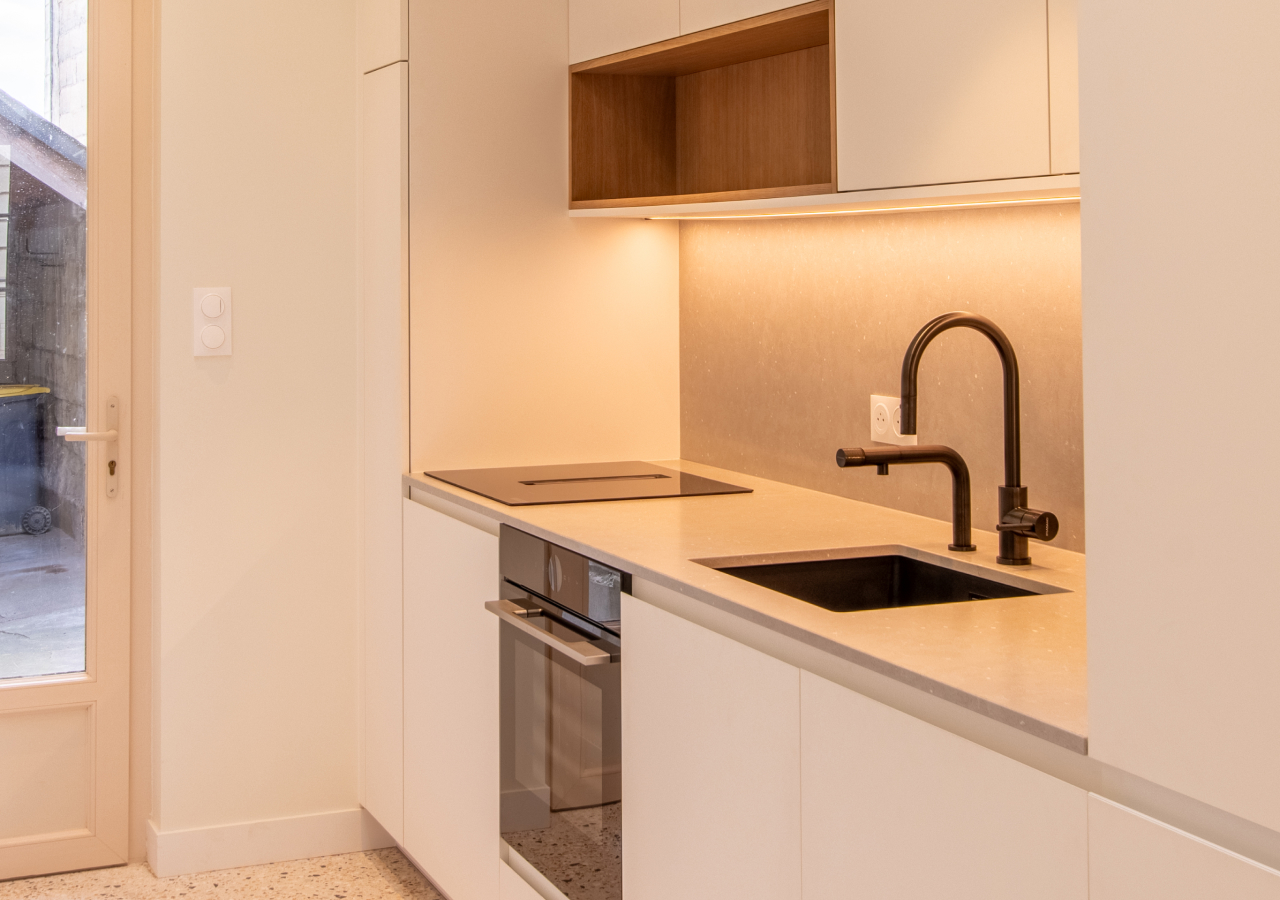
A 12-week kitchen cabinet timeline is often the most realistic option for a remodel. It gives enough room for design refinement, sample review, estimate approval, technical drawings, production, quality control, shipping, and contractor coordination.
Use this timeline when the homeowner has a contractor or renovation window, the layout is mostly known but still needs refinement, appliances are being selected, samples may still need review, and technical drawings need proper time.
This timeline helps the cabinet design connect to the renovation schedule instead of turning into a rushed product order. It gives the homeowner and project team enough time to catch missing details before production starts.
If your contractor starts in about 12 weeks, you should already be choosing cabinets now, not waiting until demolition begins.
The 16-Week Kitchen Cabinet Timeline: The Safest Custom Kitchen Plan

A 16-week cabinet timeline is the safest option for custom kitchens or projects with more design decisions. It gives homeowners time to choose materials, review samples, finalize appliances, approve drawings, and coordinate site conditions before production.
Use this timeline when the client is still choosing style or materials, appliances are not finalized, the layout may change, the contractor schedule is flexible, or the kitchen includes panel-ready appliances, an appliance garage, special storage, a curved island, stone coordination, or other custom details.
The benefit of a 16-week plan is that decisions do not need to be rushed. Homeowners have more time to compare finishes, confirm the appliance list, resolve storage, and understand the quote scope before anything is built.
This timeline is especially helpful for kitchens where simple details need to line up precisely. Minimal, European-inspired, Scandinavian, and Japandi-style kitchens often rely on clean alignment, integrated panels, and careful proportions. Those details are easier to protect when the schedule has enough room.
What Usually Delays Custom Kitchen Cabinets?
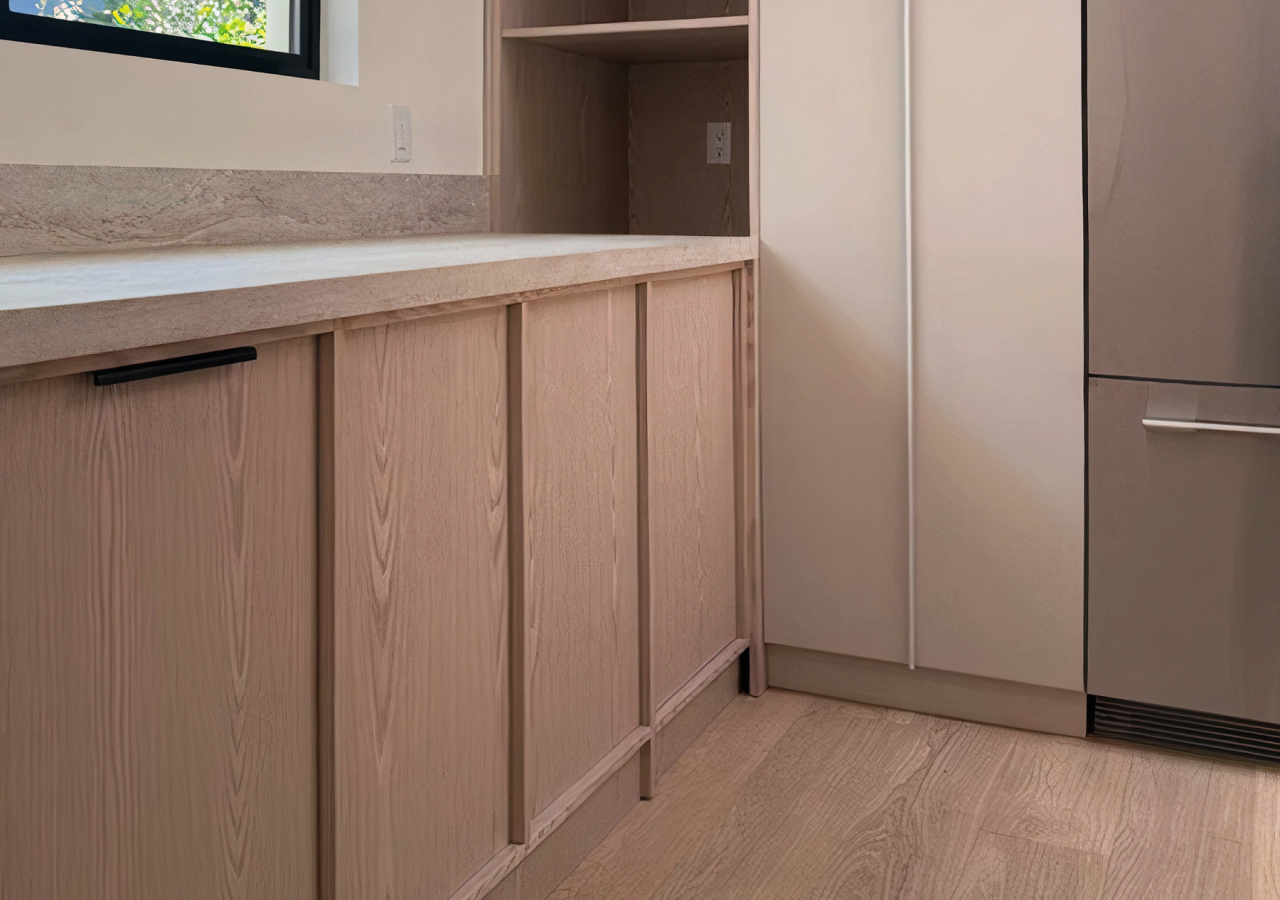
Most cabinet delays are not caused by one big problem. They usually come from small unresolved decisions that stop the project from being ready for production.
Common delay points include:
- Appliance models are not confirmed
- Panel-ready dimensions are missing
- Final measurements change
- Plumbing or electrical locations change
- The client is still deciding between finishes
- Countertop or stone plans affect the layout
- Technical drawings need revisions
- The delivery location is not ready
- The installer is not confirmed
- The client assumes production starts before approvals are complete
These details affect both function and appearance. A panel-ready refrigerator needs the correct clearances and panels. A tall pantry wall needs accurate measurements. A curved island or appliance garage needs earlier coordination because custom details can affect cost, fabrication time, and storage.
The practical fix is to create a decision deadline before the contractor’s start date. Work backward from installation, then delivery, then shipping, then production, then drawing approval, then appliance and finish selection.
Conclusion
The best time to order kitchen cabinets is when the design is ready to become real: the layout is approved, measurements are checked, appliance specs are confirmed, finishes are selected, drawings are prepared, and production details are clear. An 8-week timeline can work for a very organized project, 12 weeks is usually the most realistic planning window, and 16 weeks is the safest option for custom kitchens with more design decisions.
Custom details should be used intentionally, with clear functional value. They can make a kitchen more beautiful and personal, but they may also add cost, coordination needs, fabrication complexity, or storage tradeoffs. For a calmer process, start with your target installation date, then work backward through delivery, production, drawings, appliance specs, finish decisions, and layout approval.


