
.webp)
Buying custom cabinets online can feel like a big decision because cabinets shape almost every part of a kitchen renovation. They affect storage, appliance placement, installation, countertops, lighting, and how the space works every day.
That is why homeowners often ask practical trust questions before paying a deposit: Can I see real projects? Are these photos or renderings? Can you provide references? How do I know the materials are real?
The answer is not only “visit a showroom.” A showroom can help, but it is just one type of proof. Before committing, you want clear evidence that shows what you are buying, how the cabinets will be designed, and how the company supports the project from planning to delivery.
1. Physical Samples You Can Review at Home
.webp)
Physical samples help you judge cabinet materials in your own light. Wood tone, veneer grain, matte texture, color temperature, and edge detail can look different online than they do next to your flooring, walls, countertop, and backsplash.
This matters most in minimalist, Japandi, and Scandinavian kitchens, where small material changes can shift the whole mood. A warm oak, American walnut, matte beige, or dark cabinet front should feel right in the actual space, not only in a photo.
Before paying a deposit, ask whether the company can send samples of the exact finishes being quoted. Review them in morning and evening light. Place them near other planned materials before approving the final cabinet direction.
2. Real Project Photos and References
.webp)
Real project photos show what the company has actually delivered. Renderings are useful for planning, but installed kitchens are stronger proof of cabinet quality, proportions, material choices, and finished details.
Ask to see projects that are close to your style, layout, or scope. A similar island, tall cabinet wall, appliance garage, handleless system, or walnut cabinet run can tell you more than a generic showroom display.
If privacy allows, ask whether the company can provide references, case studies, or examples from projects similar to yours. The project does not need to be near you to be useful, but it should help prove that the design language is buildable and not just attractive in concept.
3. Clear Deposit and Refund Terms
.webp)
The deposit is the trust moment. Before paying, you should know what the deposit covers, whether it is refundable, and when the project becomes committed.
Ask what happens after payment. Does the deposit start design work, renderings, samples, measurement review, technical drawings, production planning, or manufacturing? Also ask when the deposit becomes non-refundable and what approvals are needed before production begins.
This protects both the homeowner and the cabinet company. You know what you are paying for, and the company can explain what work begins after commitment. A serious online cabinet process should feel clear at this stage, not vague.
4. A Quote That Clearly Shows What Is Included
.webp)
A custom cabinet estimate does not need to read like a contractor’s line-item bid, but it should make the scope clear. Before paying a deposit, you should understand what the number includes, what is optional, and what will be handled separately.
One estimate may cover mainly cabinet boxes and fronts, while another may include panels, fillers, drawer systems, appliance panels, organizers, design work, delivery, or installer support. Countertops, appliances, plumbing, electrical work, local labor, and installation may be separate.
The goal is not a long spreadsheet. The goal is a quote that prevents confusion later, especially when comparing an online cabinet company with a local shop, showroom, semi-custom supplier, or flat-pack system.
What Your Cabinet Estimate Should Clarify
5. A Clear Path From Design to Technical Drawings
.webp)
Technical drawings often come after the initial deposit, but the path to them should be clear before you pay. You should know what drawings will be created, what information is needed, and what approvals will happen before production starts.
Renderings show the mood of the kitchen. Technical drawings show how the kitchen will actually be built. They clarify cabinet dimensions, appliance openings, fillers, panels, clearances, toe kicks, finished sides, and installation details.
Before paying a deposit, ask how the design moves from concept to technical drawings. Confirm how final measurements, ceiling height, appliance specs, plumbing notes, and installer requirements will be reviewed. If your kitchen includes panel-ready appliances, tall cabinets, an appliance garage, or a large island, this approval process becomes especially important.
6. Installation and Contractor Support
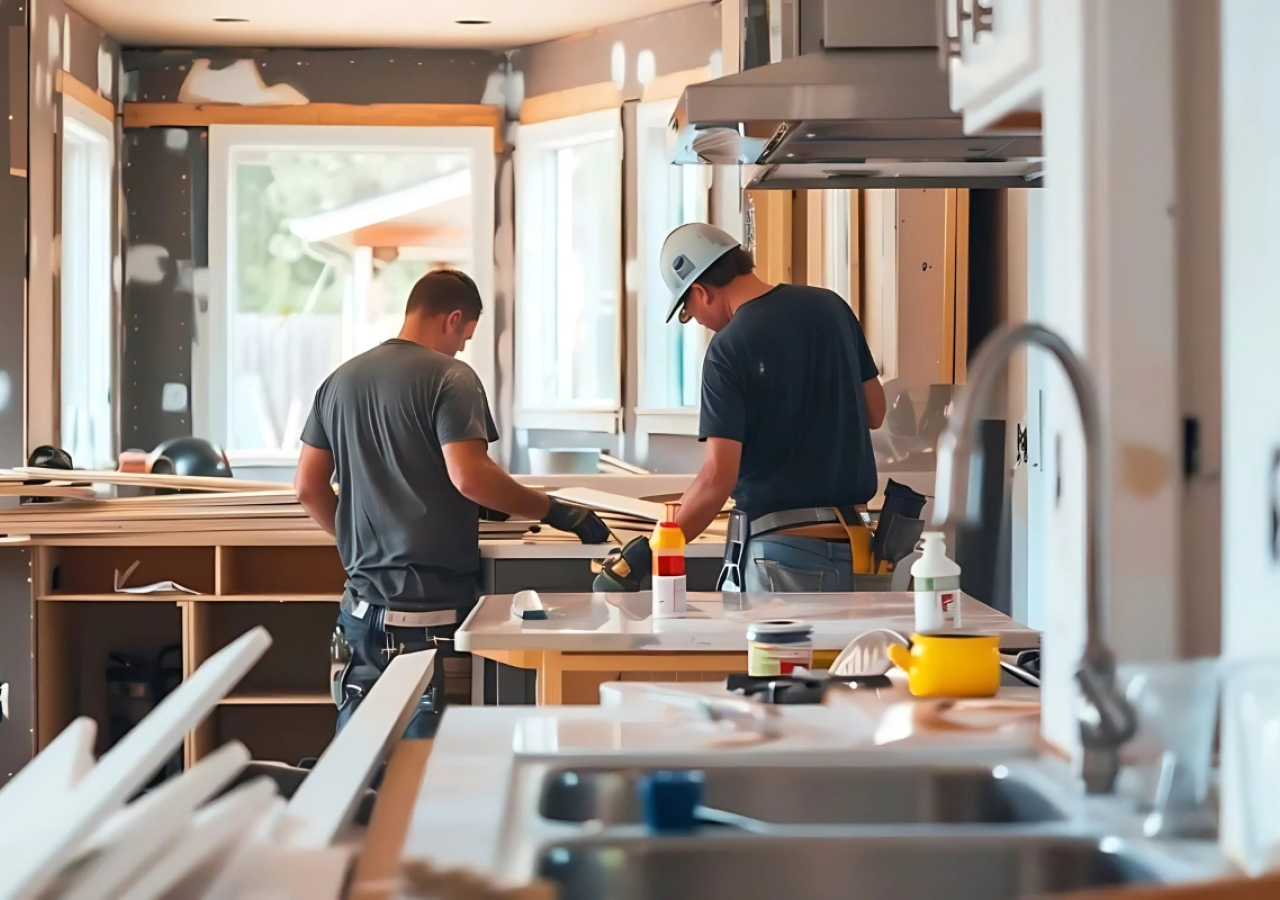
Buying cabinets online still leads to a physical installation. Someone needs to receive the cabinets, assemble or place them, level them, adjust the fronts, align reveals, and coordinate with appliances and countertops.
Ask whether your contractor can install the cabinets. Then ask what they will receive: technical drawings, cabinet schedules, appliance panel notes, filler details, assembly guidance, and support if questions come up on site.
This is especially important for European-style and minimalist kitchens. Tight reveals, handleless fronts, tall cabinet walls, and integrated appliances need careful planning. A digital-first process can work well, but it should not leave your contractor guessing.
7. Warranty, QC, Delivery, and Damage Process
.webp)
Warranty and delivery details are part of the buying decision. Before paying a deposit, ask how the cabinets are checked before shipping and what happens if something arrives damaged.
A strong process should include quality control, clear delivery timing, and written warranty terms. Photos or videos before shipment, when available, can also help homeowners see the order before it leaves production.
Ask practical questions early. Who receives the shipment? Who unloads it? When should the boxes be inspected? What photos are needed if there is damage? How quickly should a claim be reported? Who handles replacement parts?
This is not negative thinking. It is normal renovation planning. A good online cabinet company should be able to explain the process clearly.
Conclusion
Buying custom cabinets online should not feel like sending a deposit into the dark. The right company should give you enough proof before production starts: real samples, real projects, a clear scope, a defined drawing process, installation support, warranty terms, and delivery protection.
A showroom can be useful, but it is not the only way to build trust. In many projects, stronger proof comes from process clarity, technical detail, and real examples of finished work.
Before you commit, look for signs that the company understands both design and renovation mechanics. Beautiful cabinets matter, but so do storage planning, appliance fit, installation support, and the handoff from drawings to real construction.
If you are considering Corner Renovation, start by reviewing collections, finished projects, and the design process before booking a consultation.


