
.webp)
European kitchen cabinets are defined less by a door style and more by a system: aligned runs, quieter surfaces, and storage that does the work behind closed fronts. For modern homeowners, the appeal is practical. When prep, cooking, cleanup, and pantry zones are planned as one workflow, counters stay clearer because each category has a defined place. That’s why this approach reads so calm in open-plan homes: there are fewer visual breaks, and less “stuff” needs to live out in the room.
If you’ve been searching for European kitchen cabinets and want to understand what actually changes (construction, storage, hardware, and installation), this guide breaks down the essentials and how to choose a setup that holds up in real daily use.
What are European Kitchen Cabinets?
.webp)
European kitchen cabinets usually describe a construction and planning system, not a door style. The most common foundation is frameless construction with full-overlay fronts, which creates a more continuous cabinet plane and slightly more usable opening space compared to face-frame builds. If you’re comparing European kitchen cabinets brands and quotes, this is the core structural difference you’re usually paying for.
Inside the box is where the system earns its reputation. Frameless European kitchen cabinets are typically planned around drawers, inner drawers, pull-outs, and tall organizers so everyday items sit close to where they’re used. That internal logic is why modern European kitchens often feel “built-in” rather than “furnished.”
Key Features that Define European-Style Kitchen Cabinets
.webp)
European style is built on alignment discipline. Fronts line up across appliances, tall units, base runs, and islands, so the kitchen reads as one connected system. Frameless construction supports that precision because there’s no face frame; access feels more direct and openings feel more usable, particularly with drawer-heavy bases. This is what most people mean when they say European style kitchen cabinets.
Handle choices matter because they sit on top of the grid and influence how quiet the cabinetry reads. Many homeowners want a handleless look, but “handleless” can mean different solutions with different ergonomics and maintenance needs.
Handle options (what changes day-to-day)
| Handle approach | What it looks like | Best for | Watch-outs |
|---|---|---|---|
| Gola / rail profile | Channel line between fronts | Ultra-minimal, very modern | Rails show fingerprints; channels collect dust |
| Recessed / cutout pull | Integrated grip, no applied hardware | Minimal + easy wipe-down | Comfort depends on profile depth |
| J-pull / edge pull | Lip for a handleless feel | Budget-friendly modern look | Can feel sharp; test ergonomics |
| Push-to-open | No handle, opens with a press | Cleanest surface for light-use doors | More adjustment-sensitive on heavy drawers |
European Cabinets vs American Cabinets
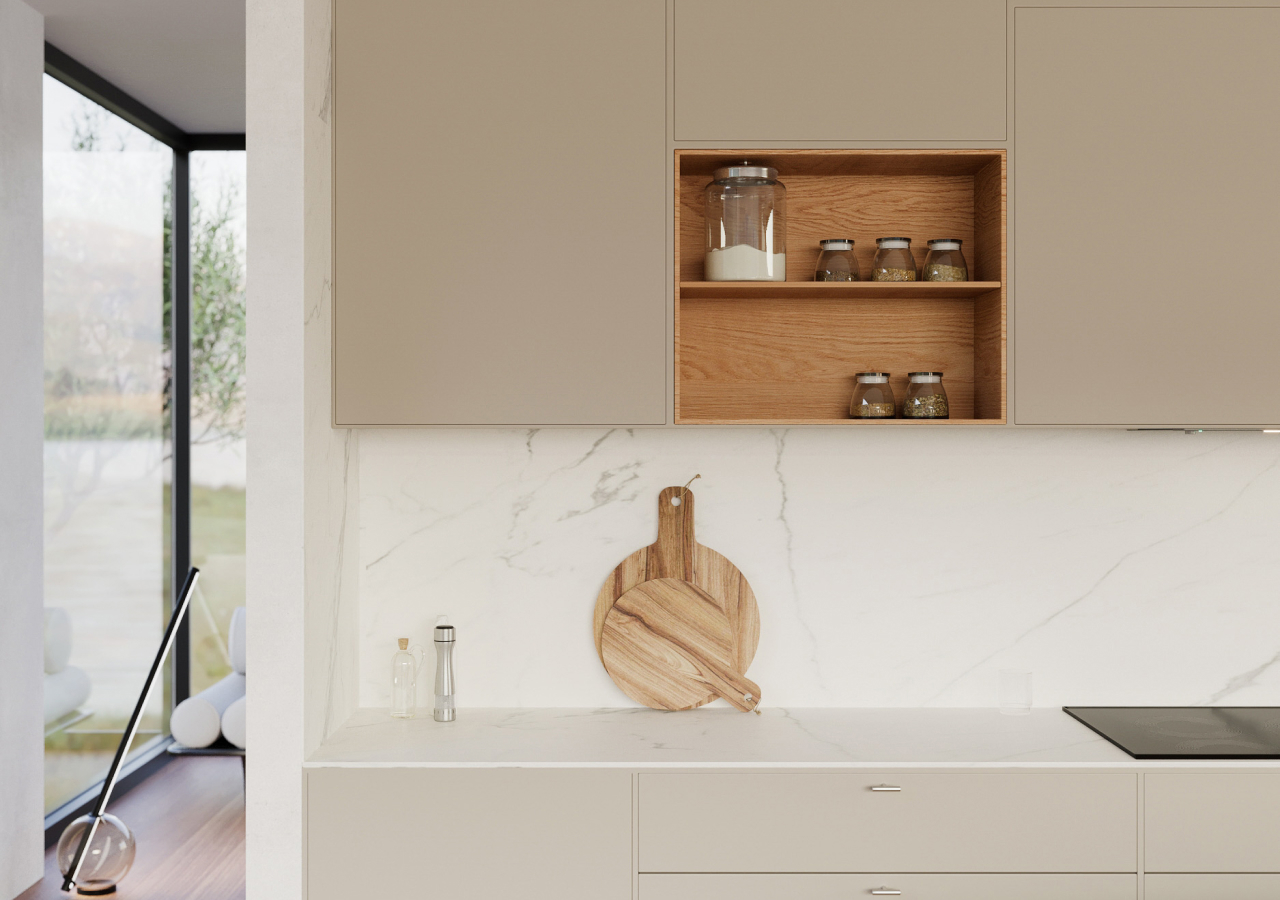
The difference shows up in priorities. European kitchens often reduce visual breaks through long runs, fewer decorative details, more concealed storage, and appliances that integrate into the cabinet wall. American cabinets often lean into door styling, frames, and visible features that add character even when the cabinet run is broken into parts.
Functionally, a European approach concentrates storage into tall runs and drawer-first bases, which keeps daily zones tight and efficient. Many American kitchens rely more on distributing storage across the room. That can work well, but the kitchen often asks for more active tidying to keep surfaces clear.
| Handle approach | What it looks like | Best for | Watch-outs |
|---|---|---|---|
| Gola / rail profile | Channel line between fronts | Ultra-minimal, very modern | Rails show fingerprints; channels collect dust |
| Recessed / cutout pull | Integrated grip, no applied hardware | Minimal + easy wipe-down | Comfort depends on profile depth |
| J-pull / edge pull | Lip for a handleless feel | Budget-friendly modern look | Can feel sharp; test ergonomics |
| Push-to-open | No handle, opens with a press | Cleanest surface for light-use doors | More adjustment-sensitive on heavy drawers |
Pros and Cons of European Kitchen Cabinets
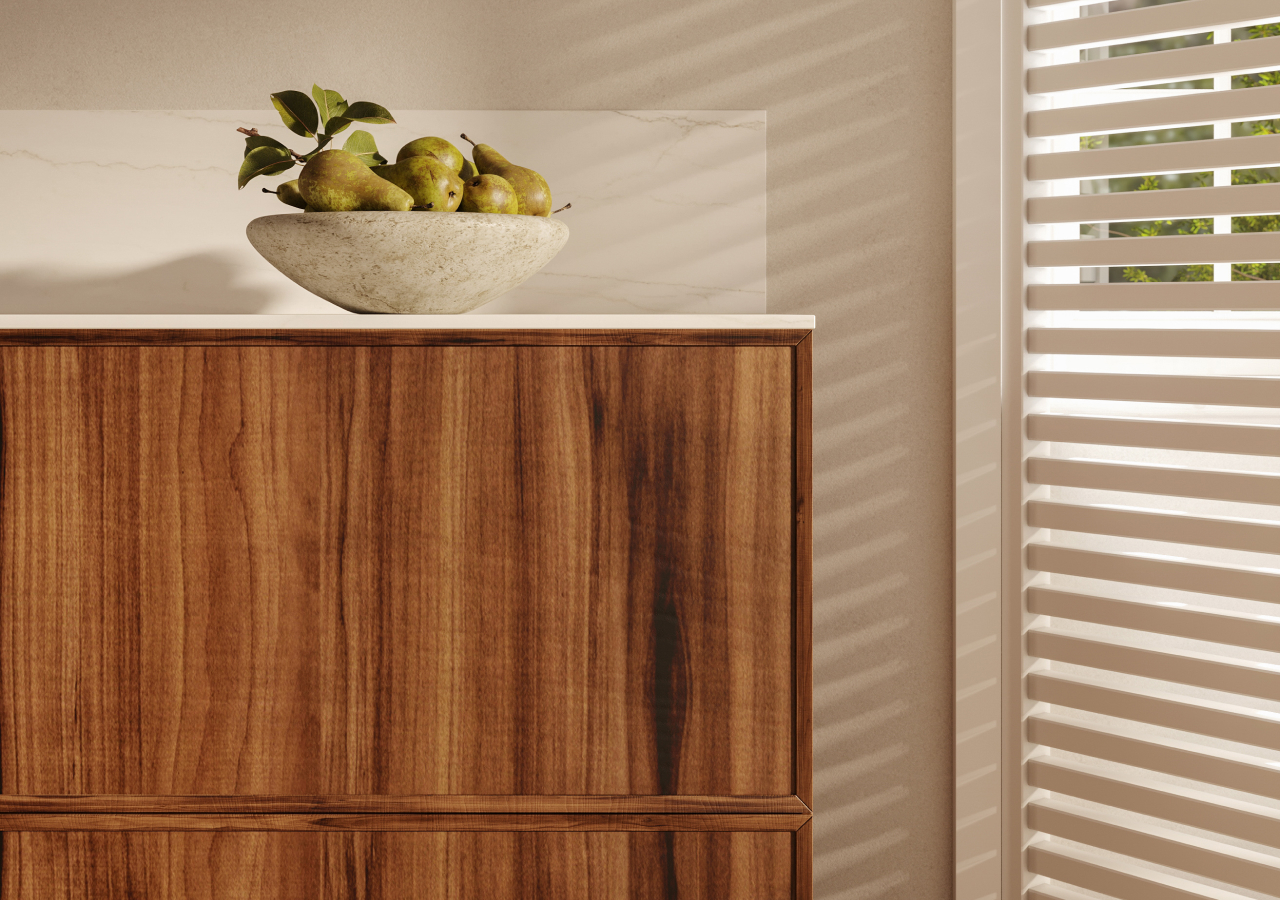
European kitchen cabinets perform best when the project respects precision. The upside is tangible: frameless construction and drawer-forward planning improve access and daily workflow, and tall cabinet runs can carry the pantry load so countertops don’t become default storage. Many homeowners also like how the kitchen feels calmer in open-plan spaces, because it reads as one composed object rather than a cluster of parts.
The trade-off is sensitivity to small errors. Frameless systems, tight reveals, and handleless fronts make alignment more visible. Walls out of level, floors out of plane, or shortcuts around appliance integration show up quickly in the finished lines. That’s why installer selection belongs inside the design decision, particularly with integrated appliance walls.
If you’re planning frameless European kitchen cabinets, installer selection is part of the design, this guide walks you through what to look for.
Materials and Construction Quality
Cabinet Box Fundamentals that Affect Longevity
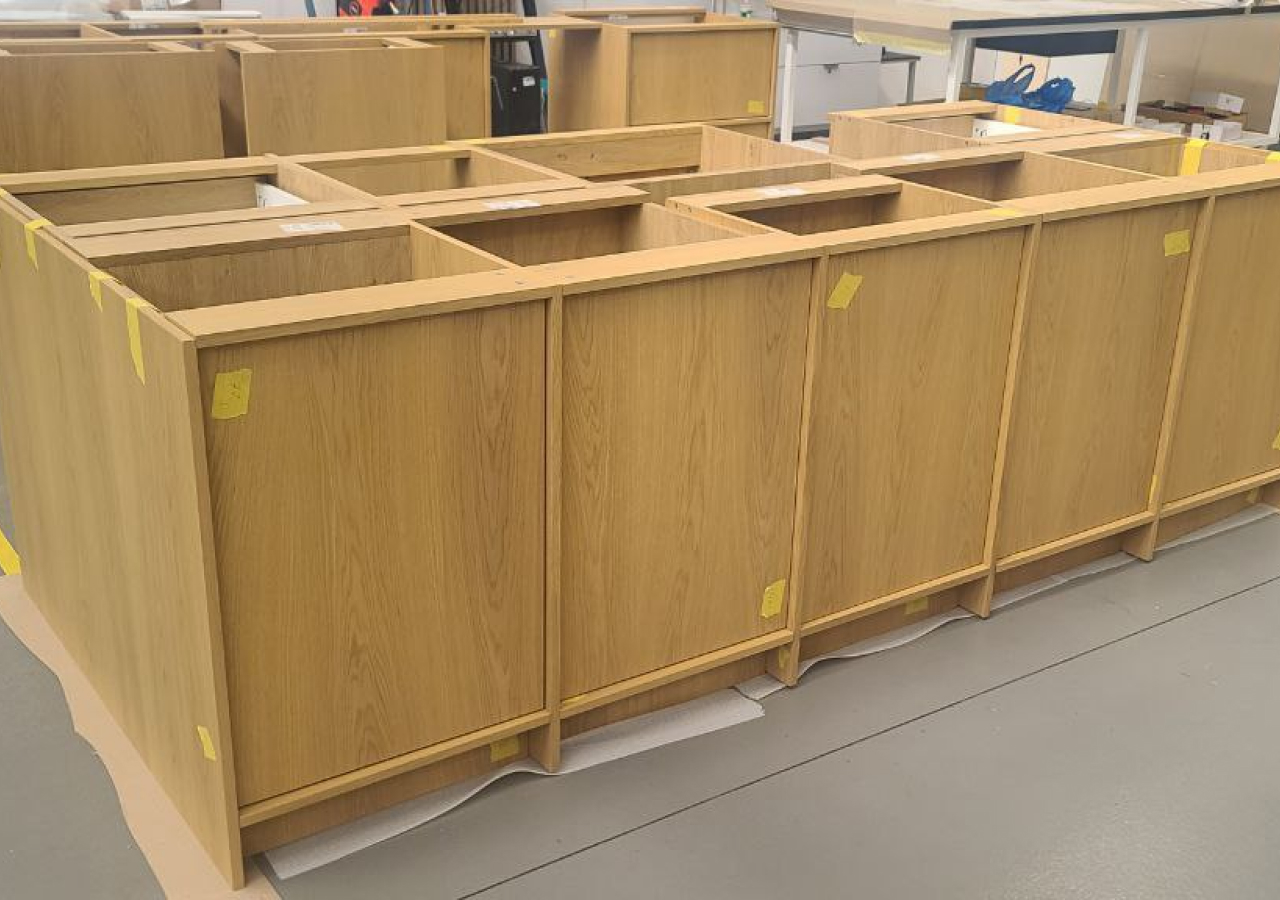
With European kitchen cabinets, the “feel” comes from the box as much as the front. Frameless construction relies on stable engineered panels, accurate machining, and clean joinery so doors stay aligned and drawers run smoothly over years of use. When comparing European frameless cabinets, focus on box material, edge finishing, and consistent tolerances; those details decide whether the kitchen still feels crisp after daily opening, closing, and wiping.
Front materials at a glance
| Front material | Best at | Watch-outs | Where it shines |
|---|---|---|---|
| Veneer | Warmth + natural grain | Needs thoughtful grain matching; sunlight matters | Long runs, warm minimalist looks |
| Lacquer | Clean, uniform color | Sheen shows wear differently; consistency matters | Full-height walls, strong color stories |
| Matte performance finish | Low glare + daily practicality | Confirm cleaning guidance + repair strategy | High-touch zones, handleless fronts |
| Quality laminate / HPL | Durable value | Edge quality varies; can feel flat without lighting | Busy households, budget control |
Veneer Fronts: Warmth, Grain, and Consistency
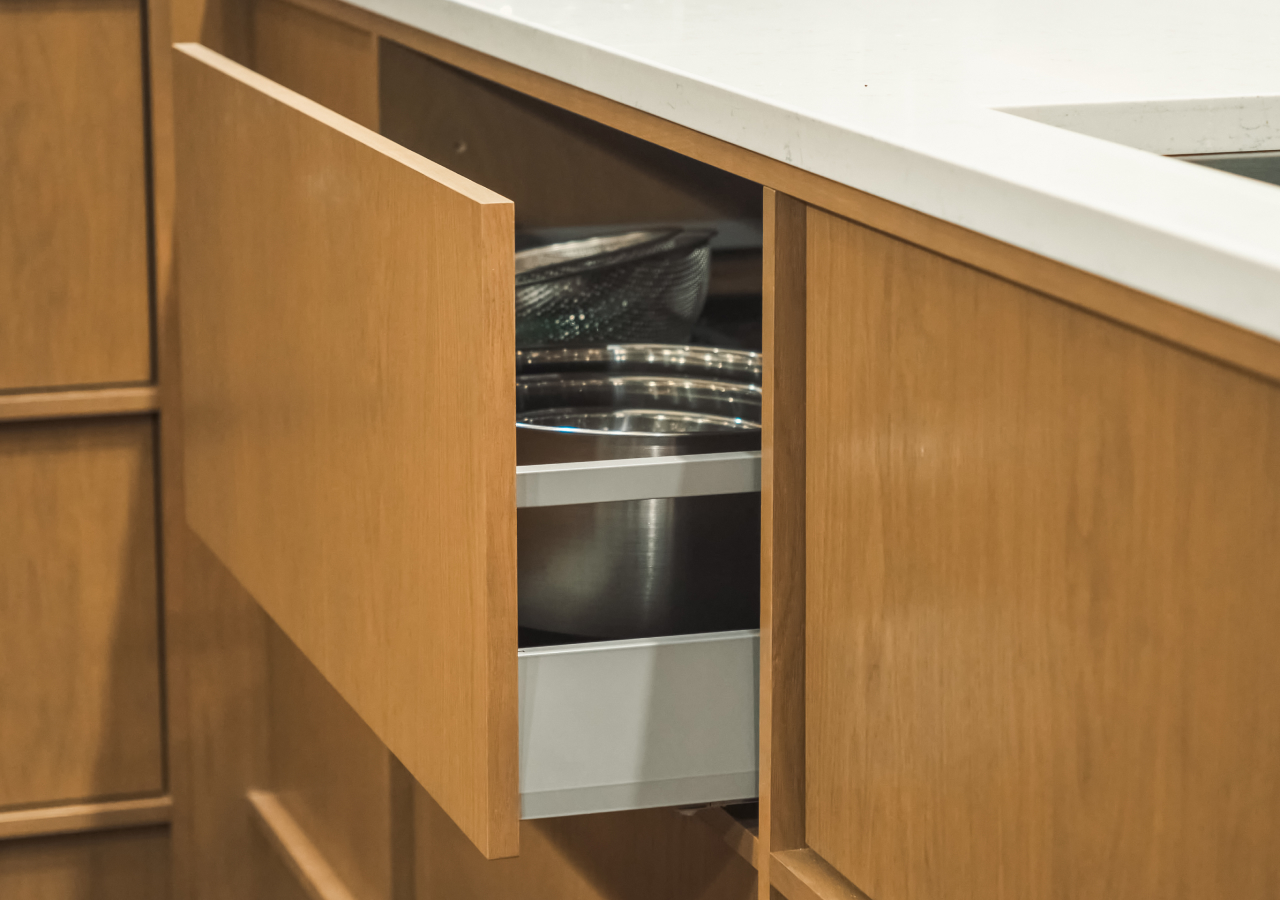
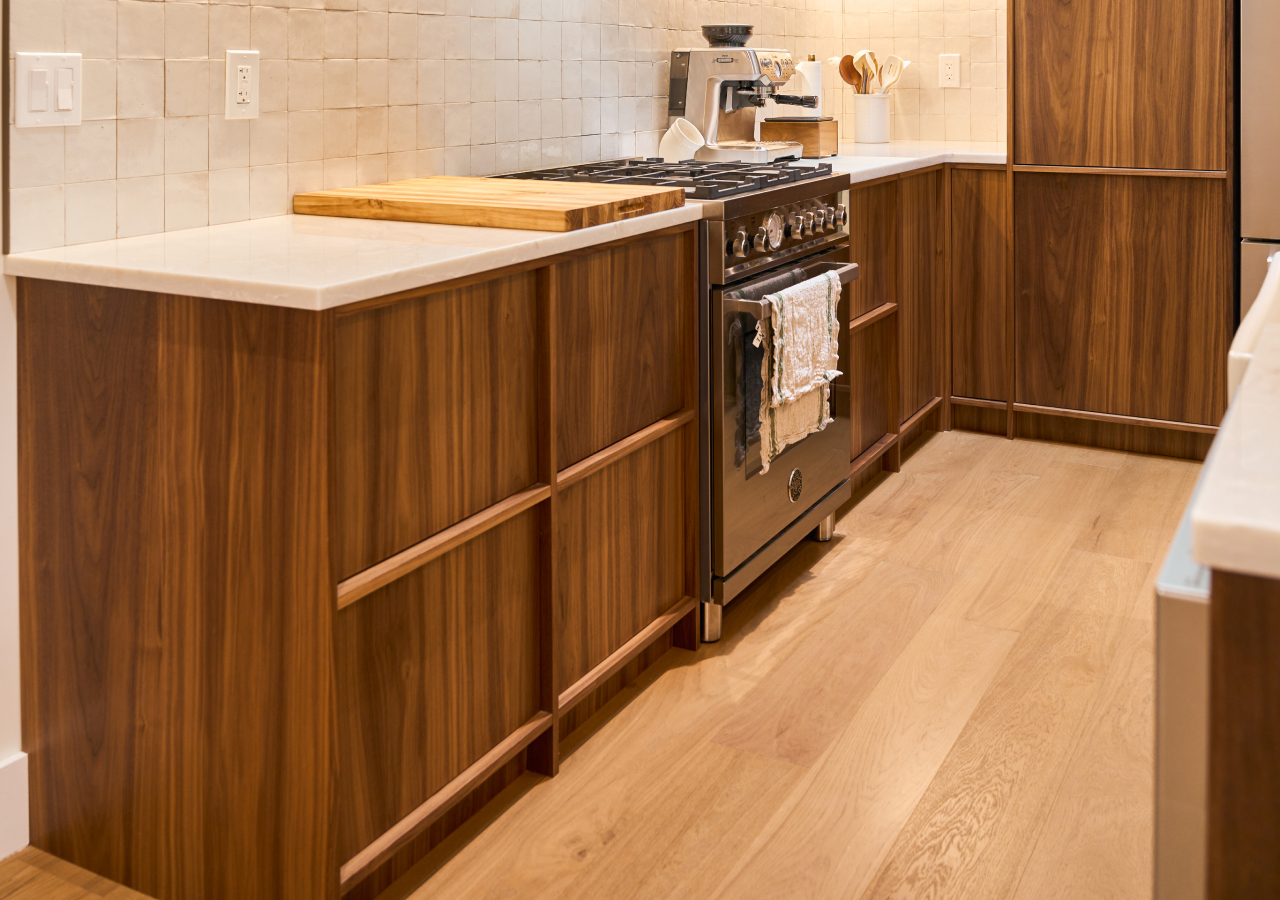
Veneer is a clean path to warmth in modern European kitchen cabinets, like in minimalist or Scandinavian-leaning kitchens. Grain direction and sheet matching matter: a controlled veneer plan reads calmly across long cabinet walls. For real homes, plan high-touch zones (trash, pantry, fridge area) thoughtfully and consider sunlight exposure so the veneer stays looking intentional over time.
Lacquer Fronts: Color Control and Touch Points
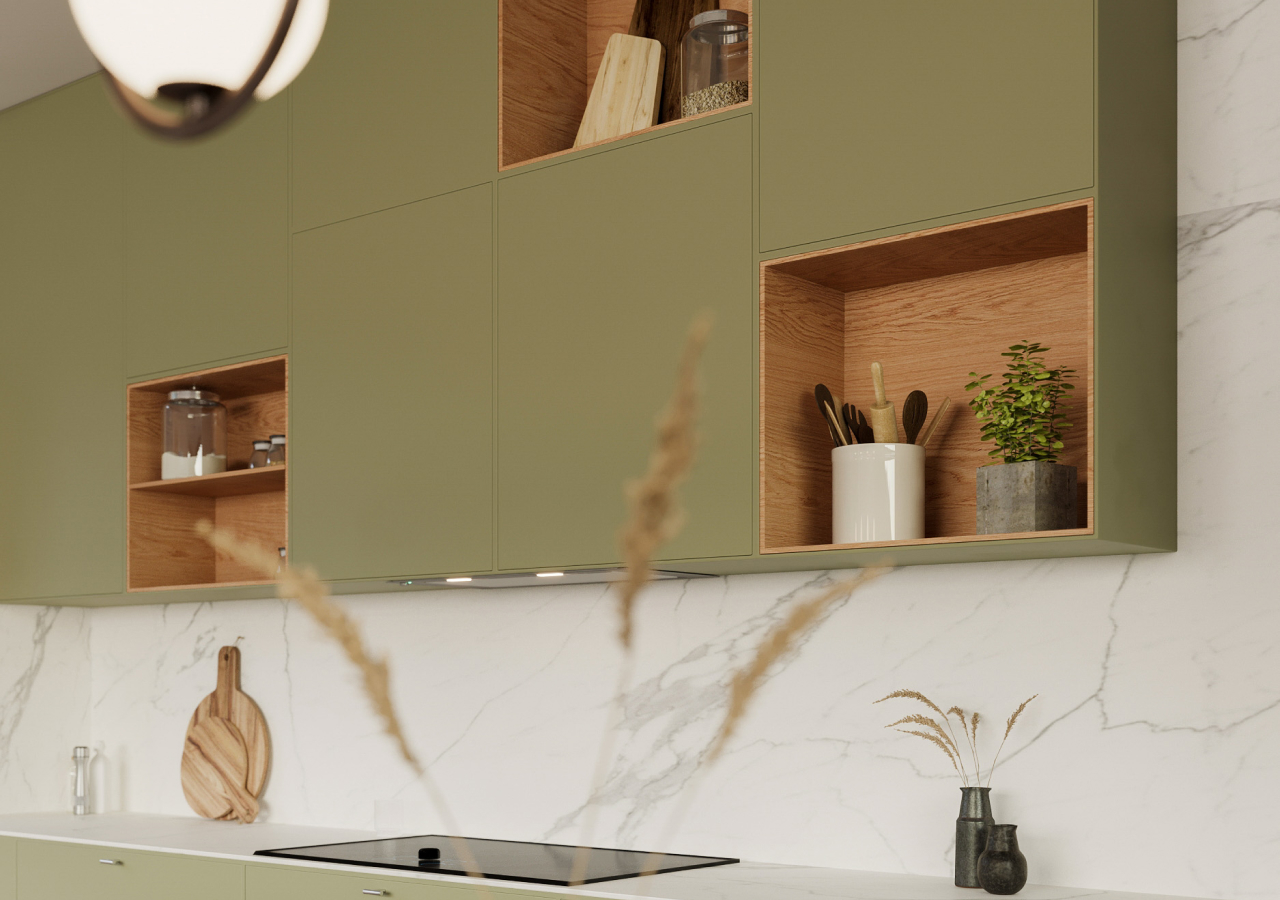
Lacquer delivers uniform color across long runs. Sheen is the practical decision: lower-glare finishes read more architectural and feel more forgiving under mixed lighting. Consistency across doors, drawer fronts, and panels becomes the quality test, especially in open-plan rooms where the cabinet wall is always visible.
Matte Performance Finishes: Low-Glare Practicality
Matte performance finishes are popular in contemporary European kitchen cabinets because they support a quiet surface look and behave well in high-use areas. They pair naturally with handleless systems, where the finish and the lines become the design.
Hardware and Drawer Systems: The Part You Feel Every Day
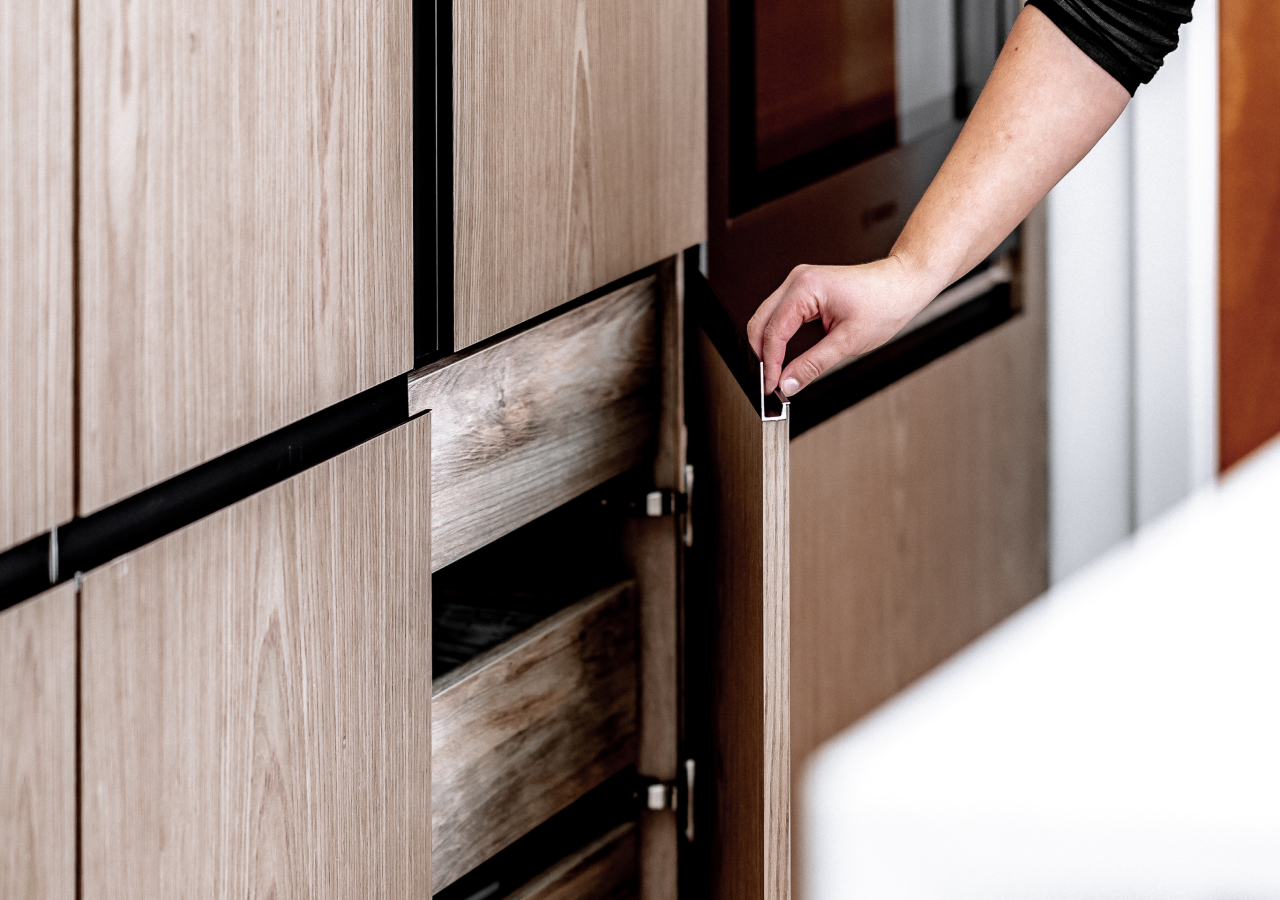
European cabinetry earns its reputation through motion: stable drawer boxes, full-extension slides, soft-close hinges, and predictable alignment. A kitchen can look right and still feel frustrating if drawers rack, slides flex under load, or hinges drift out of alignment. Prioritize drawer performance for the base run, because daily life lives there.
Storage that Makes European Kitchens Feel Effortless
.webp)
Storage is where the European system pays off. European kitchen cabinets stay visually calm because the inside is engineered: drawers replace stacks, inner drawers keep categories separated, and pull-outs bring items forward instead of burying them on deep shelves.
The biggest functional shift is a drawer-first mindset on the base run. Dishes, utensils, prep tools, and pantry staples can live in drawers close to their zones. Cleanup gets easier when trash, recycling, and cleaning supplies sit together in the clean area near the sink and dishwasher. Tall units then do the heavy lifting: pantry pull-outs, appliance garages, and vertical storage that keeps the countertop from becoming the landing zone.
Inner drawers behind tall doors are worth special attention. They protect the exterior grid, one continuous front, while giving drawer-level organization inside.
Sizing and Layout Considerations for US Kitchens
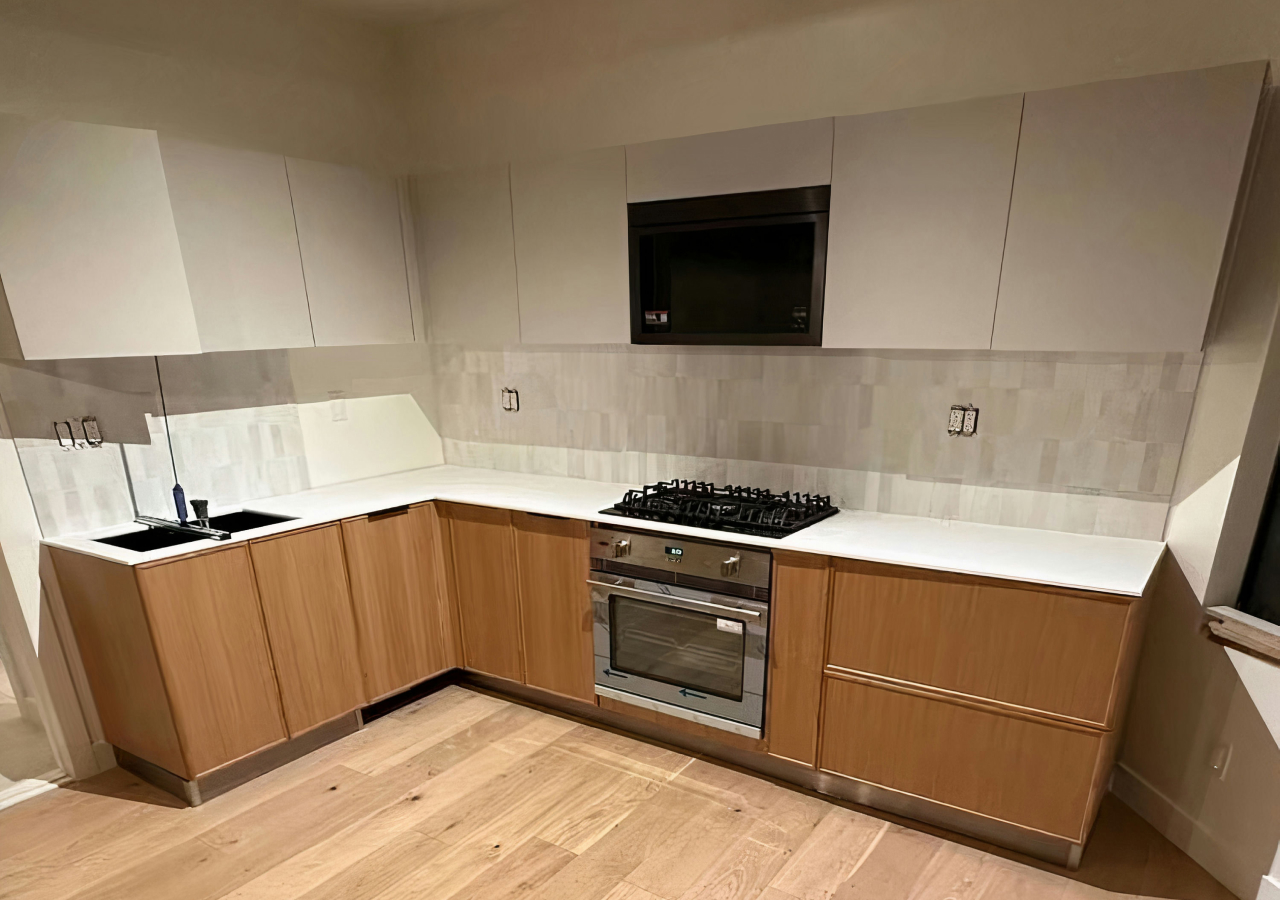
European planning tends to assume the kitchen should work efficiently regardless of square footage, which translates well to American homes when you protect circulation and sightlines. Start with zones, then build cabinetry around them. The goal is to reduce the number of steps between the actions you repeat: unload groceries, prep, cook, clean.
Tall runs are very useful in US kitchens because they consolidate storage. A wall of tall cabinets can hold pantry items, ovens, refrigeration panels, and utility storage while keeping the rest of the room lighter, notably in open-plan spaces, where the kitchen is always visible from living and dining areas.
Islands matter here, too. A European-style island often reads as a clean block with restrained detailing. The sizing should serve function first: protect clearances for movement, keep seating from blocking working paths, and place storage where it supports the prep zone.
Cost Guide: What European Kitchen Cabinets Typically Cost
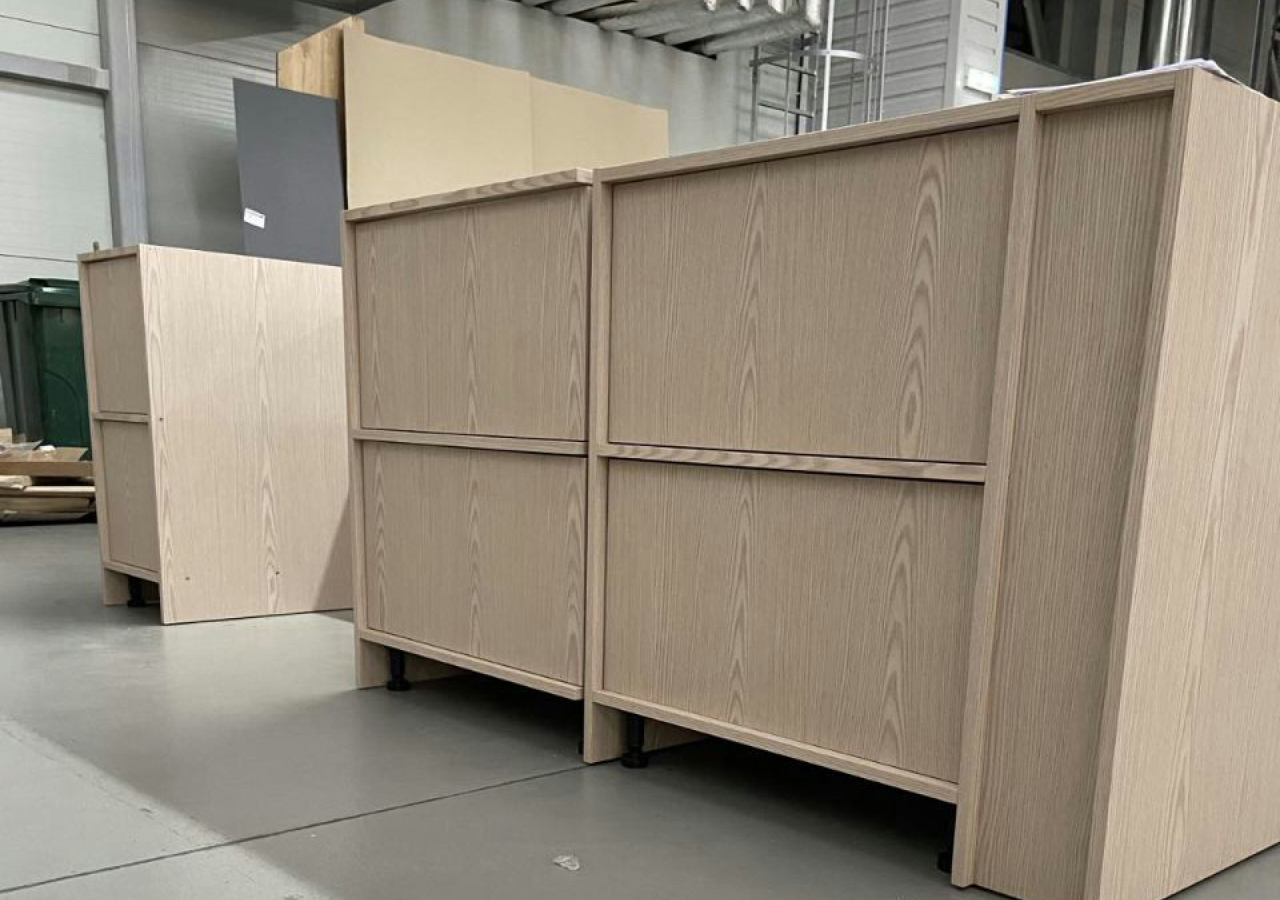
Pricing varies because “European” describes a system and outcome, not a single price bracket. Total cost moves with cabinet volume, finish system, internal hardware (drawer density, pull-outs, organizers), and plan complexity, including tall runs, integrated appliance panels, corners, and islands. A small kitchen with a simple base run and limited tall storage can price very differently from a similar-sized room that adds a full appliance wall, inner drawers, and a high-spec finish.
The most common reason quotes feel confusing is scope packaging. One proposal may roll panels, fillers, organizers, delivery, and installation details into a single number, while another breaks them out, or excludes them entirely. Before you compare totals, normalize what’s actually included so you’re not pricing the same kitchen two different ways.
What’s included? Scope table (use this to compare quotes)
| Line item | Should be included in a European cabinet quote | Common exclusions to watch for |
|---|---|---|
| Cabinet boxes + fronts | Box material + thickness, edge banding, finish system, toe-kicks | Side panels/end panels, matching fillers |
| Hardware | Hinges + drawer slides (brand/series), soft-close, adjustment range | Upgraded drawer boxes, heavier load slides |
| Storage systems | Trash pull-out, cutlery insert, tray dividers (if shown) | Pantry pull-outs, corner systems, inner drawers |
| Panels + fillers | Appliance panels, end panels, scribes, fridge/oven surround | Decorative panels, extra-large fillers |
| Delivery + handling | Packaging, delivery method, damage policy | Room-of-choice carry-in, stairs/hoist |
| Installation | Leveling, scribing, panel alignment, final adjustments | Countertop templating, plumbing/electrical, appliance install |
Once you align the scope, compare the parts that typically drive the real difference in value: box quality and edge finishing, finish durability, drawer performance, and how thoroughly appliance integration is planned. Installation quality is also a meaningful line item in US projects. Tight reveals and integrated appliance walls demand experience and accuracy, and that workmanship is what protects the clean grid you’re paying for.
If you want a quick “sanity check,” ask each vendor to confirm three things in writing: the exact finish system, the hardware brand/series for drawers and hinges, and what’s included in panels/fillers and scribing. Those details usually explain most price gaps long before you get into small upgrades.
How to Choose the Right European Cabinets for Your Kitchen
- Define your priority. Clean look, maximum storage, easiest maintenance, or budget control.
- Map your zones. Prep, cook, clean, pantry—list what must live in each zone.
- Plan tall runs first. Pantry + ovens + fridge wall carry the storage load.
- Commit to the cabinet grid. Lock reveals and filler logic before selecting finishes and handles.
- Go drawer-first on the base run. Add inner drawers or pull-outs where categories need separation.
- Pick one handle approach and keep it consistent. Gola, recessed pull, edge pull, or push-to-open.
- Choose materials based on touch, light, and upkeep. Veneer vs lacquer vs durable matte finishes.
- Confirm appliance specs early. Panel-ready, integrated, and clearance requirements before finalizing cabinet widths.
- Validate sizing for US kitchens. Island depth, walkways, seating paths, and landing zones.
- Choose an installer experienced with frameless tolerances. Measure professionally before final production.
Conclusion
European kitchen cabinets combine a clean exterior with a highly usable interior. Frameless construction supports better access and tighter alignment, full-overlay fronts create a continuous modern surface, and tall runs help the kitchen carry storage without feeling busy. For the best outcome, treat the cabinet system and the installer as one decision, then build the layout around routines that repeat every day.
If you want help translating the European approach into a kitchen that fits your home, explore Corner Renovation’s collections or book a consultation.
FAQ: European Kitchen Cabinets


