
.webp)
A kitchen remodel has a lot of moving parts: design, measurements, appliances, cabinetry, site work, delivery, and installation. The smoother the process is, the easier it is to make good decisions before work begins.
This guide explains how a remodel works with Corner, what we handle, what stays local, and what we typically need from you or your contractor to keep the project moving.
Corner’s Kitchen Remodel Process
Discovery → Design + Estimate → Samples → Technical drawings → Production + QC → Delivery + install coordination
We aim to lock decisions early so production and installation go smoothly.
.webp)
1. Discovery
We start with your existing kitchen, goals, and timing. This usually includes photos or videos, rough measurements or a floor plan, inspiration images, appliance plans, preferred cabinet styles, and your target timeline.
If you already have a contractor or installer, we can factor that into the planning too. You do not need every detail figured out before the first conversation.
2. Design and Estimate
Once we understand the space, we begin shaping the design and preparing an initial estimate. This may include layout planning, cabinet configuration, appliance placement, storage ideas, finish direction, and the general cabinet scope.
The estimate becomes more accurate as the layout, materials, appliance specs, and measurements are confirmed.
3. Samples and Material Direction
Samples help you see how a finish will look in your actual home. Natural light, flooring, wall color, countertops, and nearby furniture can all change how a cabinet finish feels.
This is especially useful for walnut, oak, painted, textured, and wood-look finishes, where small tone differences can change the whole mood of the kitchen.
4. Technical Drawings
Once the design direction is approved, we prepare technical drawings for production and installation. These drawings connect the cabinet package to the actual space and may include dimensions, elevations, appliance openings, panel details, fillers, and installation notes.
This is where accurate measurements and appliance specifications matter most. Final appliance models, wall dimensions, ceiling height, plumbing locations, electrical needs, and site conditions can all affect the final drawings.
5. Production and Quality Control
After final approval, the cabinetry moves into production.
Corner handles cabinet manufacturing, hardware coordination, and quality control before shipment. For custom kitchens, this is where decisions become fixed, so major design and technical questions should be resolved before production begins.
6. Delivery and Install Coordination
Once production and quality control are complete, the kitchen is prepared for delivery.
Most overseas shipments are flat-packed for safer transport and easier handling. Cabinets are assembled on site using the project drawings and installation guidance.
Corner coordinates shipping and provides the drawings and support needed for installation. Depending on the project, installation may be handled by your contractor, a local installer, or an installer from our network.
Who Does What During a Kitchen Remodel?
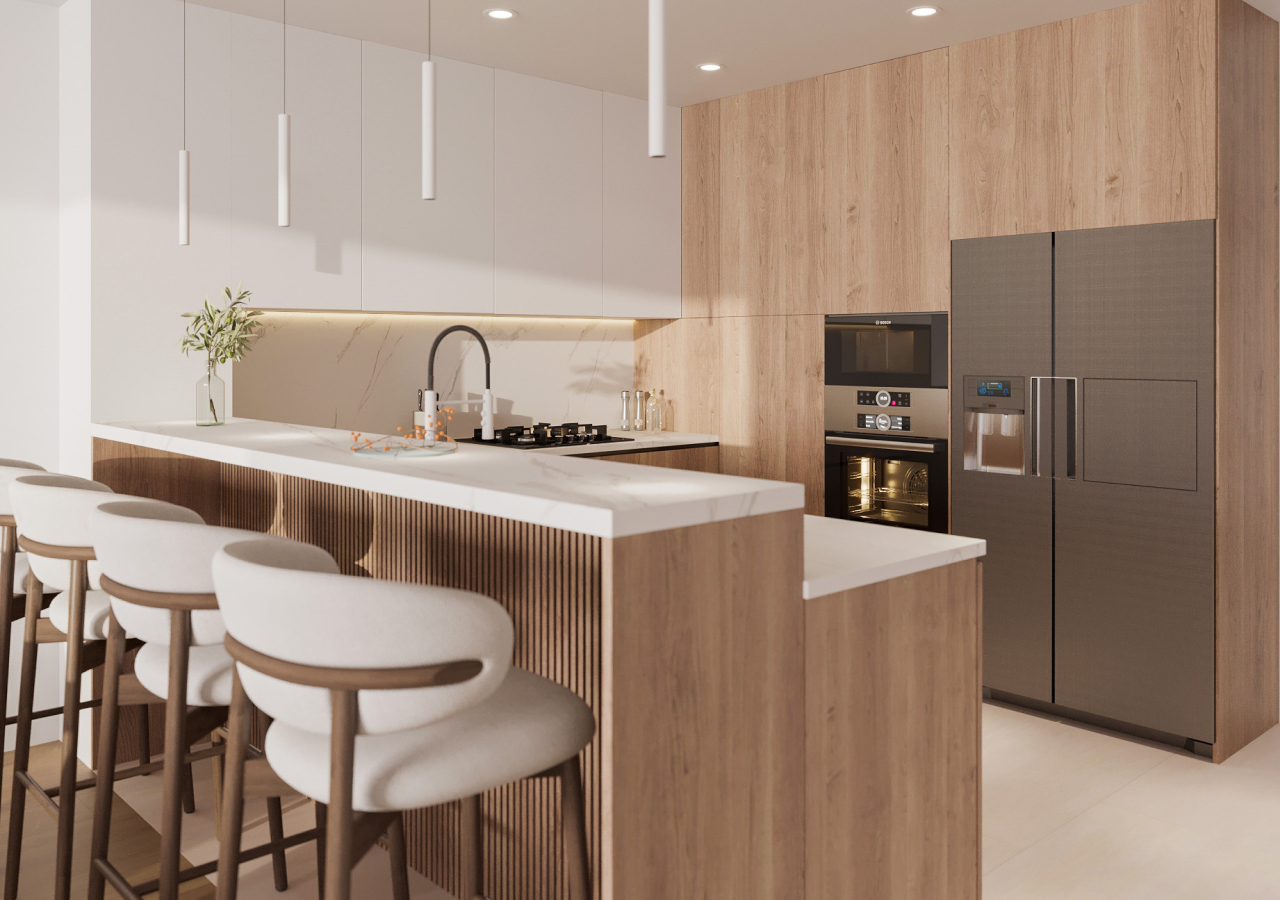
Corner is responsible for the cabinet and design side of the project: kitchen design, cabinet configuration, finish direction, cabinetry production, hardware, technical drawings, measurement guidance, quality control, shipping coordination, and installation support.
The local side is usually handled by you, your contractor, installer, or local trades. This includes site measurements from you, your contractor, or our installer partner if applicable, along with demolition, wall preparation, plumbing, electrical, flooring, appliance installation, cabinet installation, stone countertops, and final on-site adjustments.
Your own contractor can usually install the kitchen, as long as they review the drawings, confirm site conditions, and understand the cabinet system before installation begins. Stone countertops are usually coordinated locally because templating, fabrication, delivery, and installation depend on the exact site conditions.
What Your Cabinet Estimate Includes and What Stays Separate
.webp)
This is where kitchen quotes are hard to compare. One proposal may cover only cabinetry, while another may include installation, stone, labor, delivery, or other renovation work. For a broader breakdown, read our guide to [kitchen remodel costs in 2025].
A Corner cabinet estimate is focused on the cabinetry package and related design scope. Depending on the project, it may include cabinet boxes and fronts, drawers, internal hardware, appliance panels, finish selections, technical drawings, cabinet hardware, and shipping coordination.
Some parts of a kitchen remodel are local by nature. Demolition, plumbing, electrical work, flooring, wall repairs, appliance purchase and installation, cabinet installation labor, stone countertops, backsplash installation, permits, and final jobsite adjustments are usually handled separately.
Always compare the scope before comparing the final number. A lower cabinet estimate may not include the same panels, drawers, accessories, hardware, or delivery assumptions as a more complete proposal.
Timeline Reality
.webp)
A kitchen remodel has two timelines: the full renovation timeline and the cabinet timeline.
The full renovation timeline depends on your contractor, site conditions, permits, trades, stone fabrication, appliances, and installation schedule. The Corner cabinet timeline usually begins after the design, technical drawings, appliance details, and final measurements are approved.
After technical sign-off, expedited cabinet delivery is often around 8 weeks for some projects, when drawings and specs are finalized and the project qualifies for an expedited schedule. Standard timelines vary by scope, production schedule, and shipping method.
What Can Delay a Kitchen Remodel?

Most delays happen before production or during local site work. Missing appliance specs, changed measurements, late scope changes, unfinished site prep, contractor scheduling, and stone templating can all affect timing.
Cabinetry depends on accurate appliance dimensions and site measurements. If those change after drawings are prepared, the design may need to be updated before production or installation can move forward.
How to Trust an Online Kitchen Process

Before production, you can review the design direction, samples, renderings, technical drawings, specifications, and cabinet details before approving the project.
Before shipping, Corner reviews the cabinet package through quality control to confirm that the project follows the approved design and production details before it leaves the factory.
What Makes Corner’s Process Different?
.webp)
Corner combines remote kitchen design with custom cabinetry, curated materials, technical drawings, and delivery support.
With Corner, you can plan custom-sized cabinetry, integrated appliance panels, storage details, and a full cabinet system online, while still working with local installers or contractors for the site work.
The result is a more flexible way to build a design-led kitchen: European-style cabinetry, quality control before shipment, and support through delivery and installation.
Conclusion
A smooth kitchen remodel starts with clear information, realistic timing, and the right design decisions before production begins.
Corner can help you plan the cabinet system, understand your options, prepare technical drawings, coordinate production, and support delivery and installation. Your local contractor or installer handles the site work that needs to happen inside the home.
Get an estimate
Book a design consultation
Still researching? Start with these guides:


