
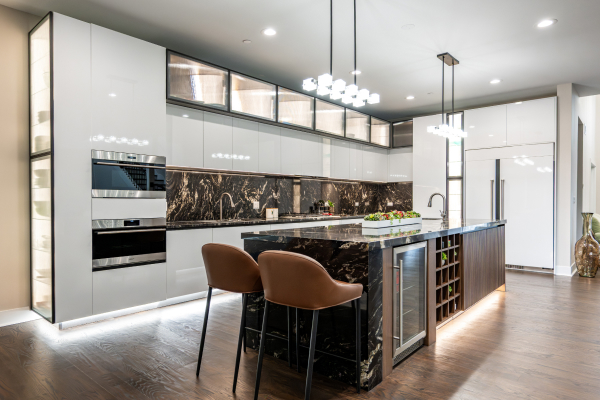
When people search for luxury European kitchens, they’re usually not craving “fancy.” They’re craving calm: a kitchen that looks clean even on a Tuesday, feels effortless to use, and still holds up years later. European design earns that feeling through organization, storage logic, and surfaces that don’t beg for attention.
In practice, the “luxury” often comes from what you don’t see: clutter moved into appliance garages, pantries that don’t require you to dig to the back shelf, and layouts built around clear zones instead of random cabinet stacks. If you plan how you cook, clean, and reset the room, the aesthetic almost takes care of itself, because the space stops fighting you.
What “Luxury” Means in a Modern European Kitchen
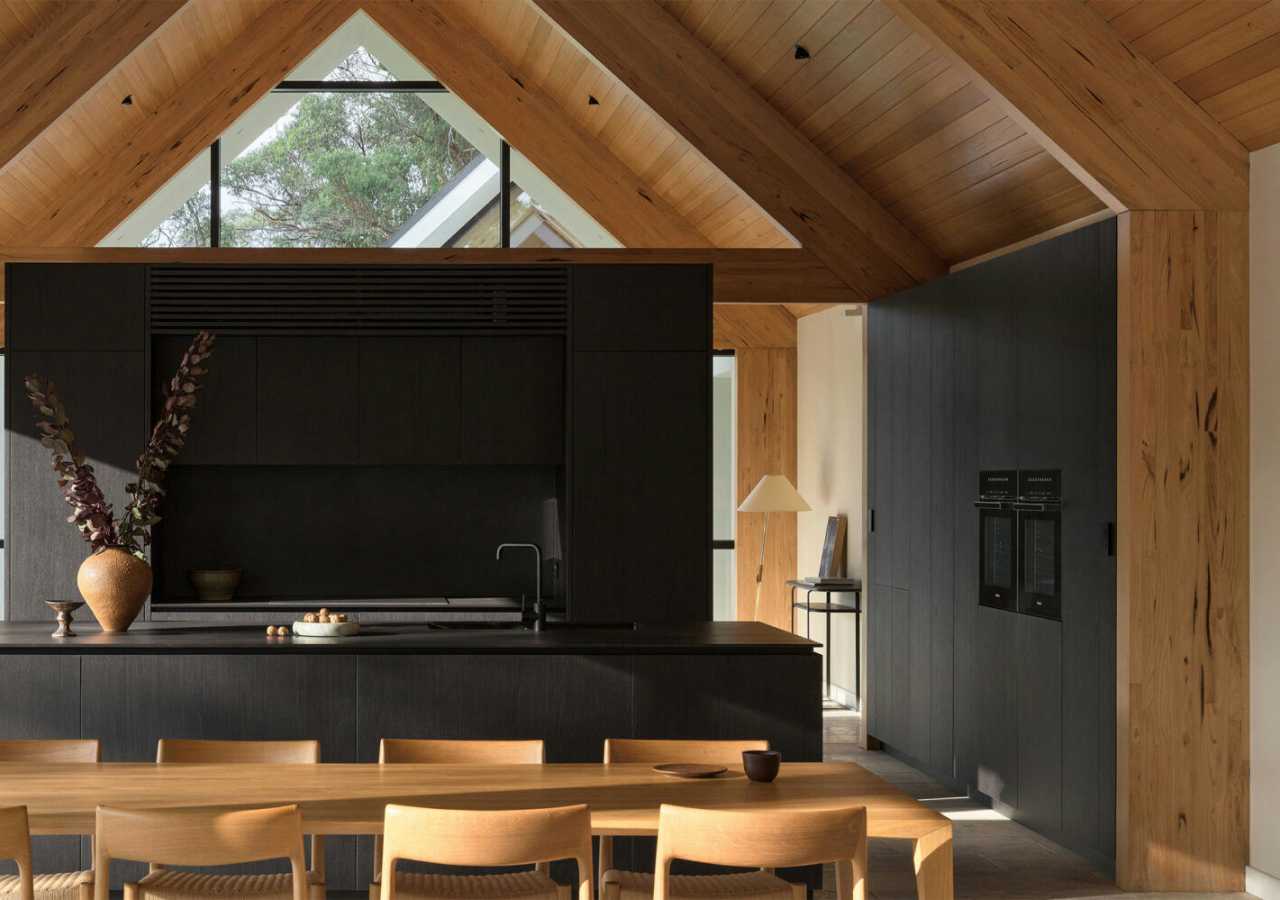
A modern European kitchen is defined less by ornament and more by execution: frameless cabinetry (clean box construction), tall cabinet runs, and integrated appliances that let the room read as architecture, not just a collection of products. That’s the baseline for a European luxury kitchen that feels composed from every angle.
The part people miss is the intent. European luxury kitchens aren’t “bling kitchens.” They’re calm, continuous planes with minimal joins and a deliberate lack of visual noise. Luxury is the daily experience: drawers that feel substantial, hardware that moves smoothly, and a layout that’s easy to keep tidy.
That’s why the best luxury European kitchen choices often look almost “simple” at first glance. They’re optimized for longevity. Ornate doors can be beautiful, but they aren’t required for a premium result. In a truly high-end European approach, restraint is often the upgrade.
Layout Moves That Make the Whole Kitchen Feel High-End
A kitchen looks expensive when it’s planned, because workflow discipline reduces visual noise. European layouts tend to prioritize long, continuous runs of cabinetry and cleaner geometry, since uninterrupted lines make a room feel more intentional and less “assembled.”
The biggest layout wins usually come from three moves:
Build the plan around zones, not cabinet positions
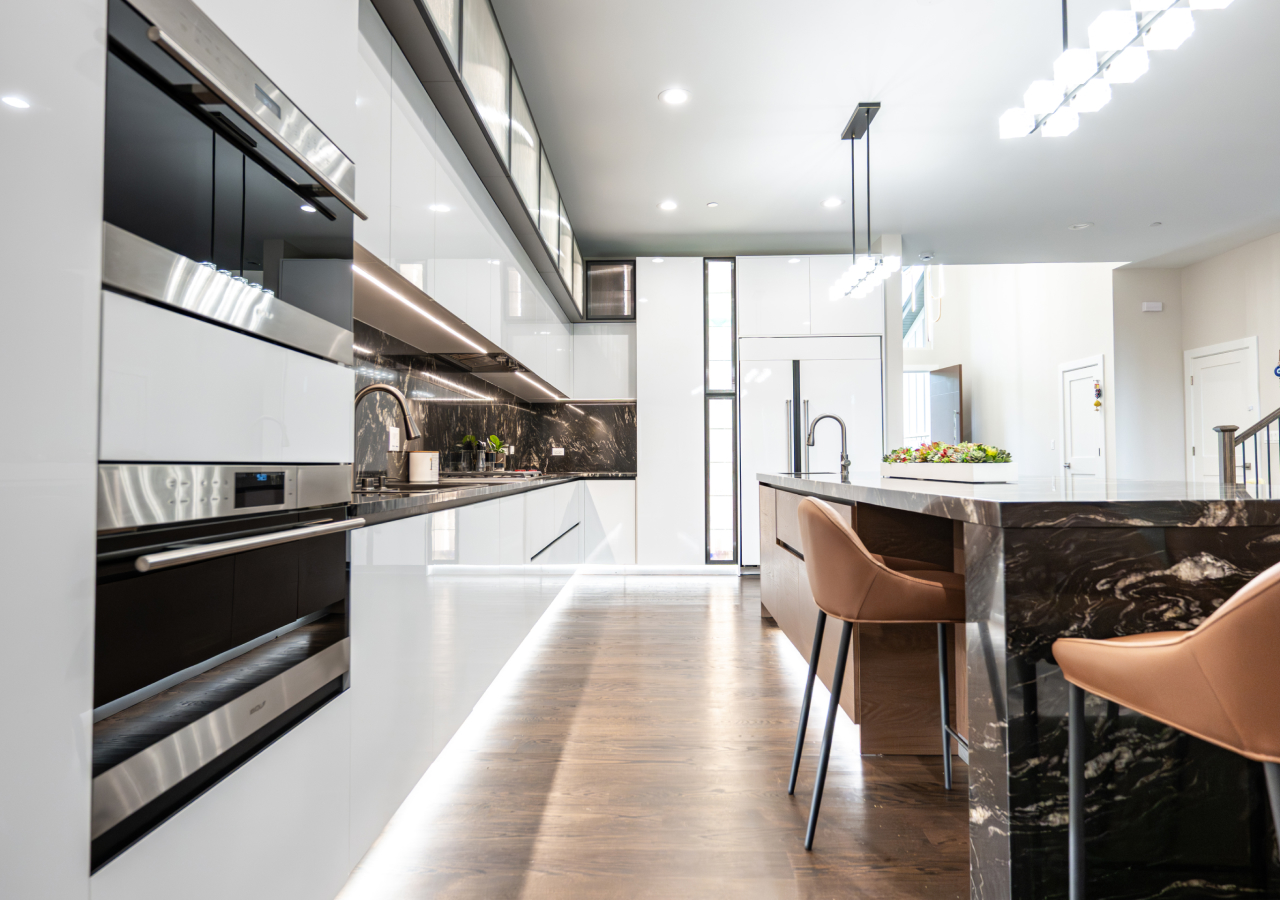
When prep, cooking, cleanup, storage, and serving zones are clearly mapped, you stop “crossing the kitchen” for basic tasks. It’s safer, faster, and noticeably calmer in daily life.
Get the island proportions right (and keep the walkways honest)
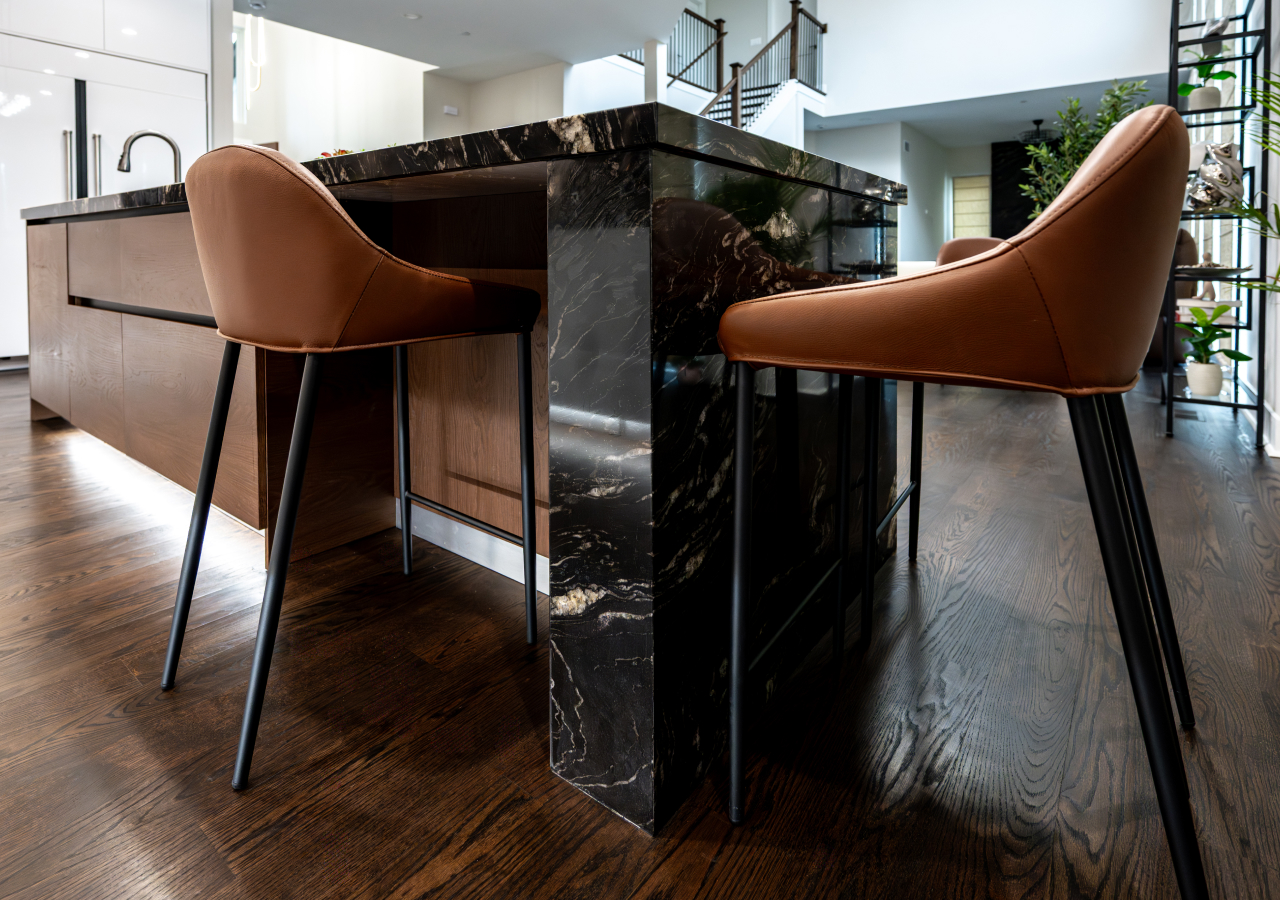
A well-sized island is a work surface, a storage core, and often the social center. European kitchen island size planning rules emphasize clear circulation (so two people can move without bumping) and realistic seating clearance (so stools don’t block the kitchen).
Create “hidden mess zones”
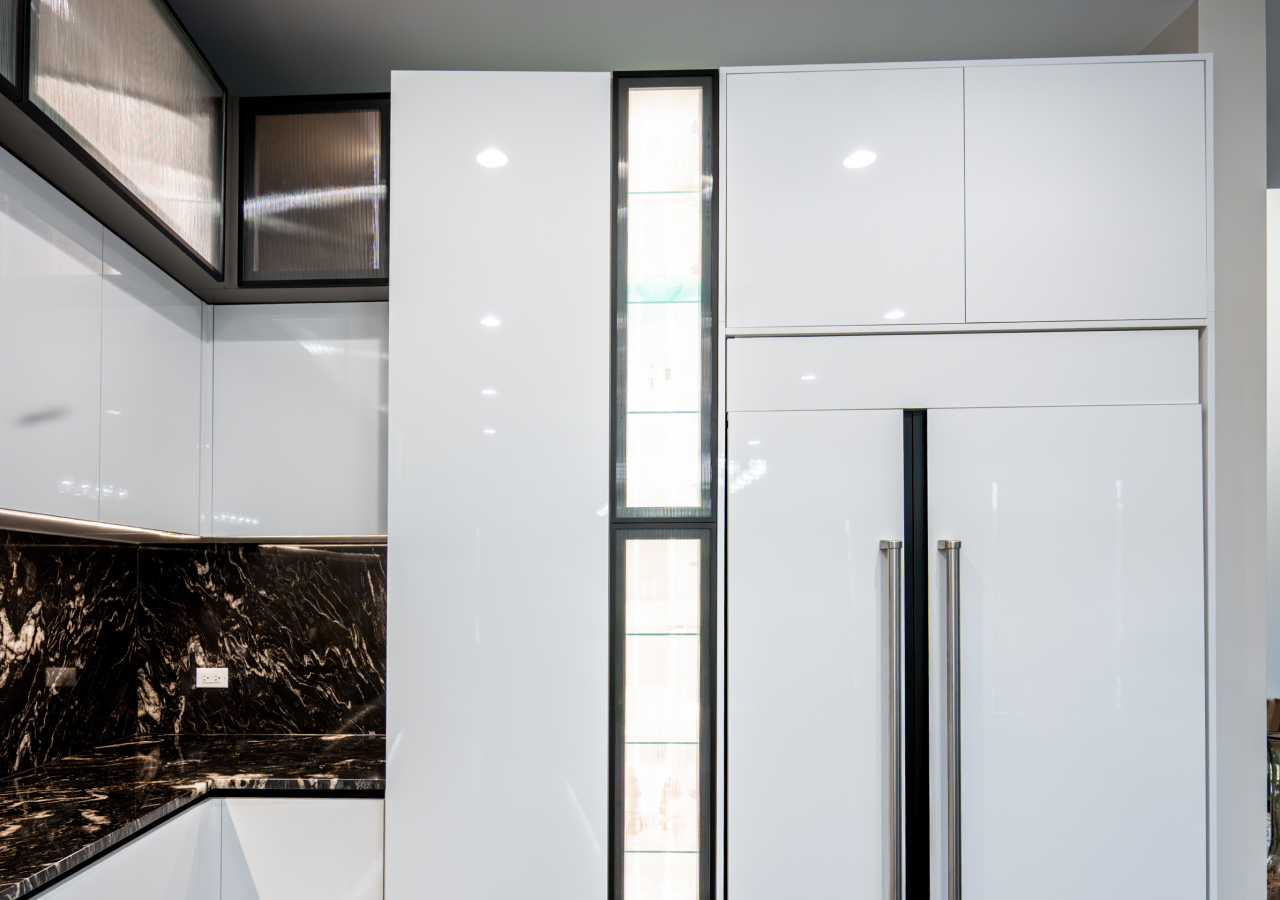
A kitchen can look minimal and still be highly equipped, if the busy parts are tucked away. Appliance garages remove countertop clutter while keeping daily tools within reach, and pantry systems work best when they’re planned for access, not just shelf space.
This is also where European logic adapts beautifully to bigger U.S. rooms: you can keep the compact efficiency (zones, continuous runs, concealed clutter) while scaling up islands and storage so the kitchen stays calm, not oversized.
Materials That Read Luxury (And How to Choose Them Without Chaos)
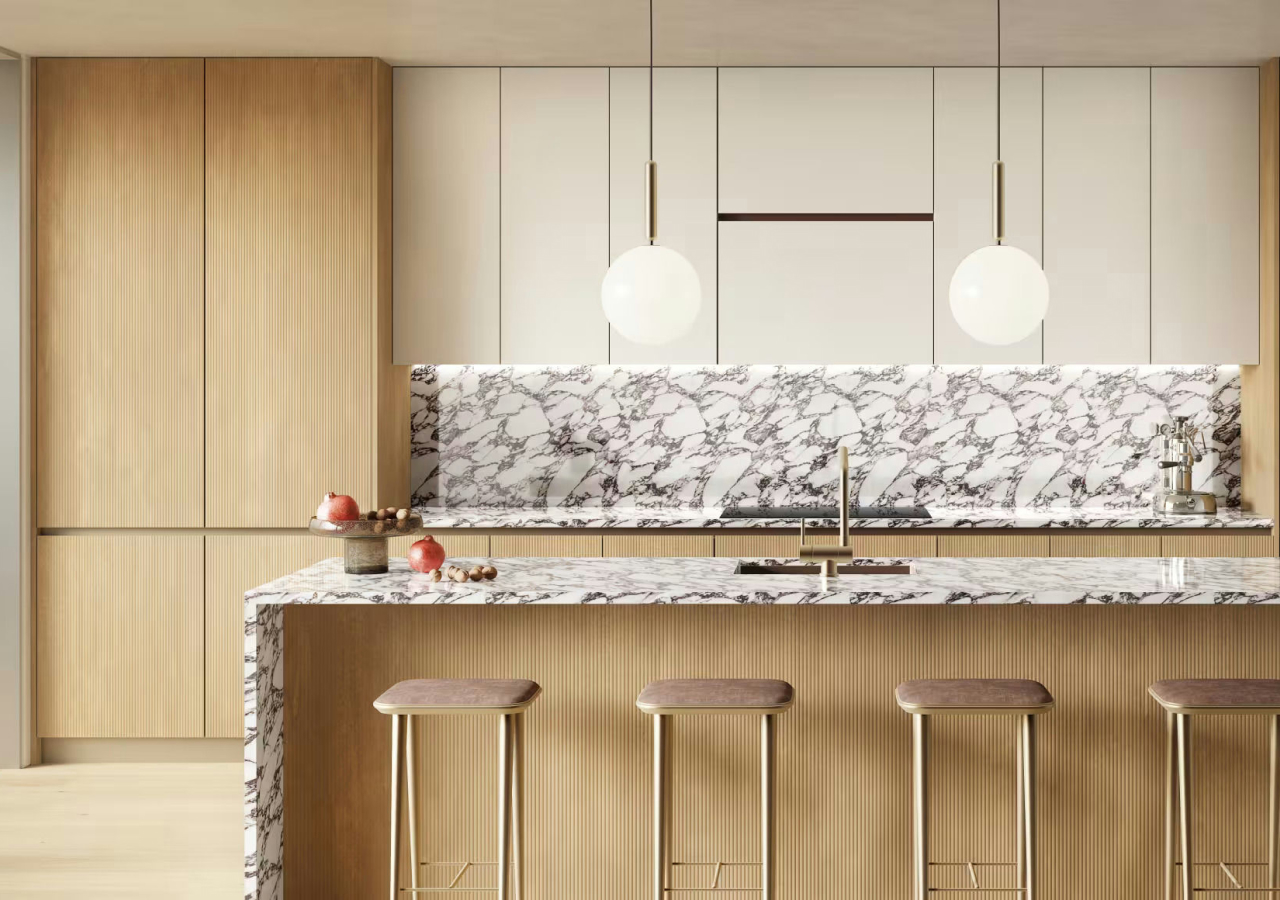
Materials feel luxurious when they stay controlled across the room. In European luxury kitchens, materials do two jobs at once: they set the mood, and they determine how the kitchen ages. The simplest high-end rule is restraint: choose 2–3 core materials and repeat them consistently so the space reads calm from a distance and rich up close.
Start with cabinet fronts. Real wood veneers like oak and walnut deliver depth that cheap foils can’t fake, especially in natural light. Used well, wood warms up a minimal layout without turning the kitchen into a décor story.
For countertops and key surfaces, “luxury” is usually less about dramatic veining and more about controlled texture and believable edges. Here’s a practical comparison you can use while keeping the palette quiet.
Material comparison table
A quick note on intent: when people search expensive European kitchens, they often find rooms overloaded with glossy finishes, busy patterns, and competing focal points. The European luxury move is the opposite& fewer materials, chosen better, applied cleaner.
The Craft Details That Separate Premium From “Just Pretty”
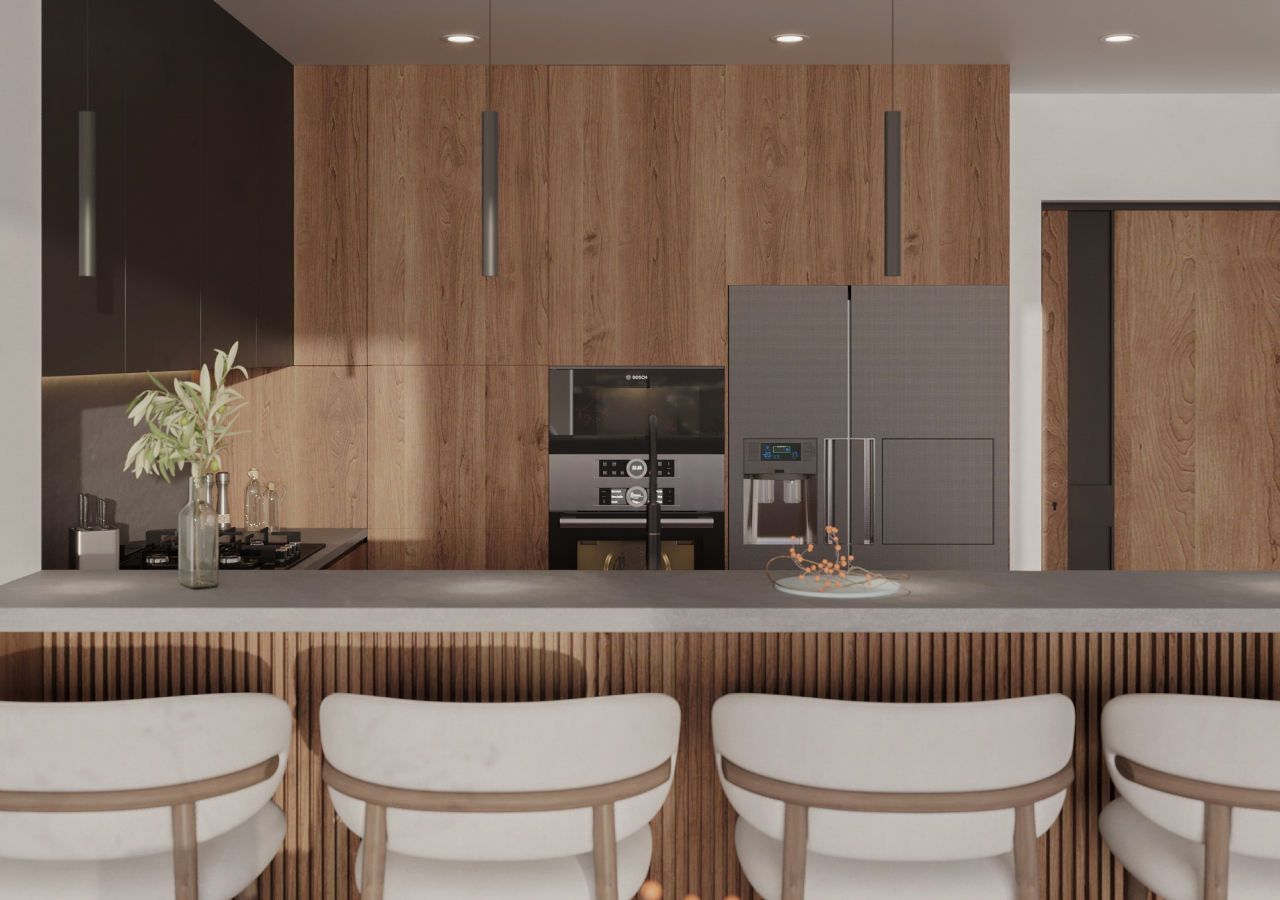
Premium kitchens are made in the millimeters. A European luxury kitchen depends on precision: consistent reveals, tight gaps, aligned horizontal lines across tall units and drawers, and clean transitions at end panels, fillers, and plinths. Even great materials can look average if these details are off.
Installation quality matters because frameless cabinetry has different tolerances than many traditional U.S. cabinet installs. The right installer is the one who regularly installs frameless European systems, follows technical drawings closely, and knows how to level long runs without twisting the line of the kitchen.
In other words, luxury is not just what you buy. It’s what gets executed, especially where the kitchen meets real-world imperfections in walls, floors, and ceilings.
Appliances the European Way: Integrated, Not Loud
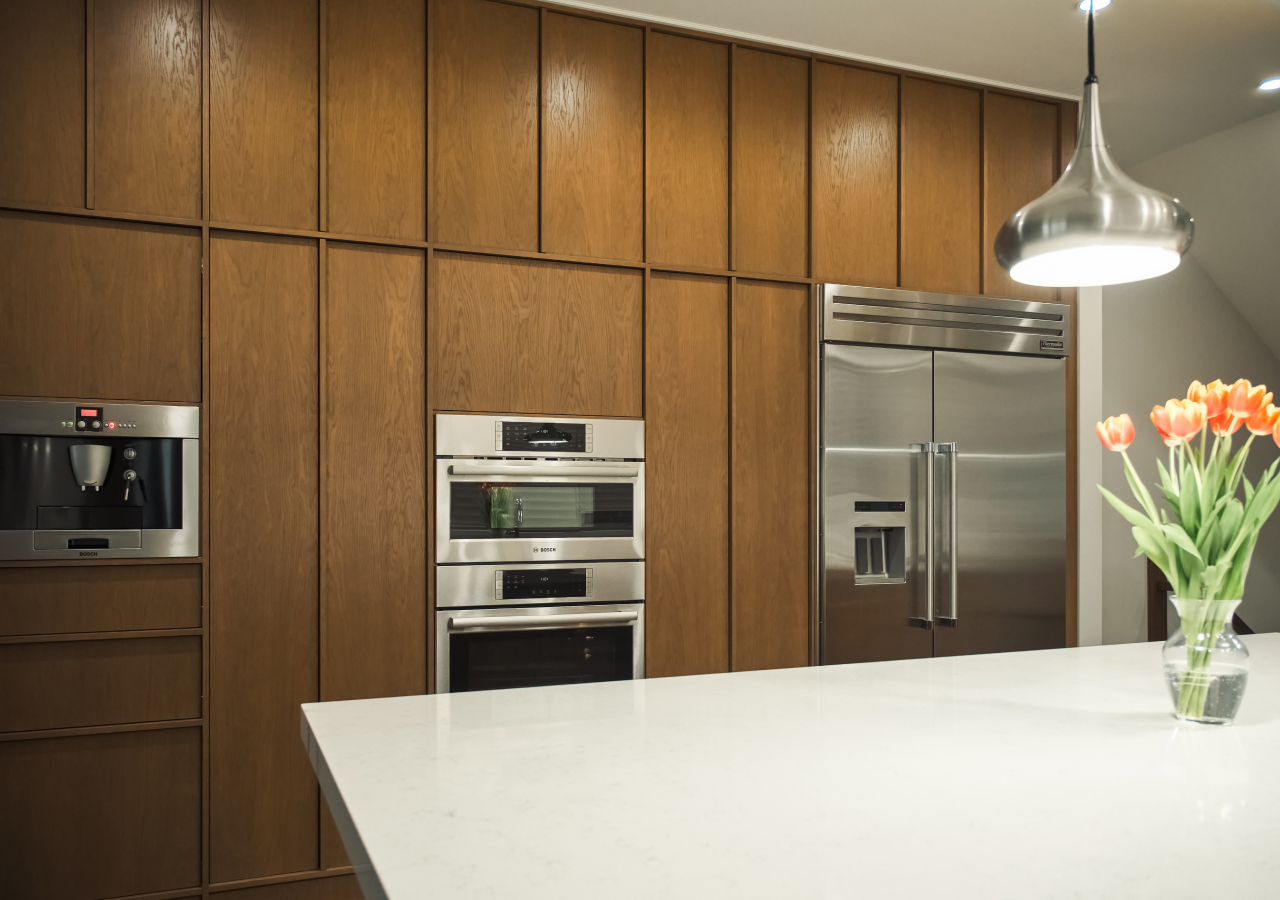
In a luxury European kitchen, appliances are treated like part of the cabinetry system, not separate objects that steal attention. Panel-ready fridges and dishwashers let the elevation read as one continuous run, which instantly makes the room feel calmer and more furniture-like. The luxury is about clean lines, consistent planes, and a layout where doors, clearances, and work zones are designed as one system.
Panel-ready appliance ideas are simple: when the fridge becomes part of a tall cabinet run, it stops looking like a standalone stainless block and starts reading like architecture. That matters even more in open-plan homes where the kitchen is always in view. Integration also improves function: plan appliances early and you avoid door clashes, protect walkways, and keep kitchen zones intact without awkward compromises later. The result is a modern European kitchen that feels intentional, not assembled.
Timeless Color and Texture (Luxury That Isn’t Trendy)

The most enduring European luxury kitchens feel expensive because they’re restrained. Warm whites, soft neutrals, muted charcoals, and natural wood tones like walnut or oak create visual calm that doesn’t date quickly. Corner’s “white + wood + soft neutrals” approach works because it’s practical: softer whites and gentle neutrals blend with wood more naturally than stark bright white, so the kitchen stays warm without needing extra décor.
Texture is what keeps that restraint from feeling flat. Matte fronts reduce glare and quiet the room visually. Real wood grain adds depth and warmth without looking busy. Stone (or refined engineered surfaces) adds weight and richness when veining stays subtle and contrast is controlled. When you repeat tones and textures across the room instead of introducing new “statement” moments, the kitchen holds together as one composed space—elegant in real light, and still calm when it’s actually being used.
Where to Spend vs Where to Save (Without Breaking the Concept)
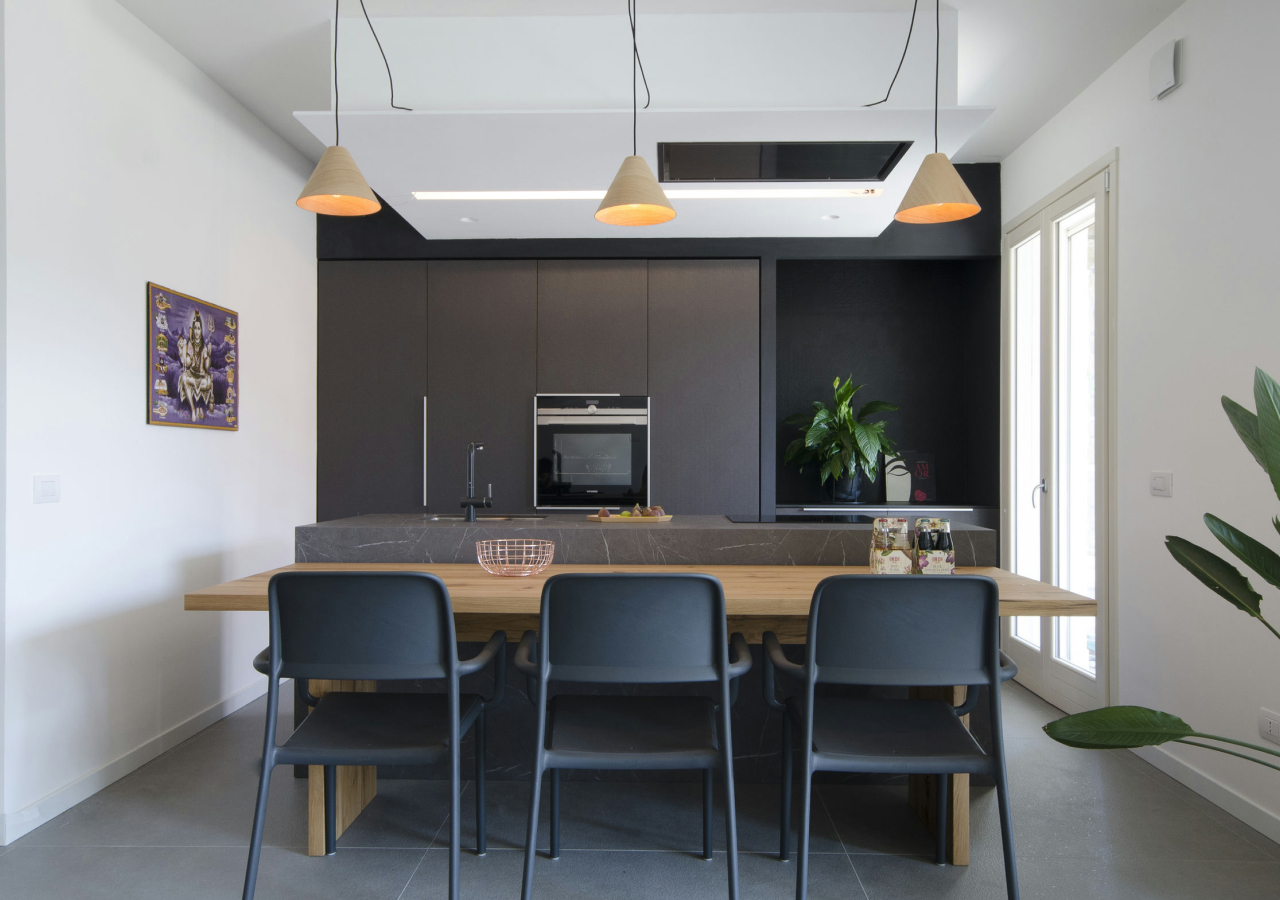
A luxury result is usually about priorities, not excess. Spend where you’ll feel it every day, and stay disciplined elsewhere so the kitchen doesn’t lose its calm, “designed as a system” feel.
Spend on what carries the kitchen long-term: cabinet construction and fronts, hardware and drawer performance, countertops, good lighting, and, often most importantly, installation quality. Complexity also drives cost: tall runs, integrated appliances, corners, and detailed islands can raise the price fast, so the smartest luxury move is choosing these intentionally rather than everywhere at once.
Save carefully on upgrades that don’t change the system. Many internal organizers can be added later once you know your habits. Secondary surfaces can be simplified if your main countertop choice is strong. And with appliances, you don’t always need to max out every spec if integration and layout are already doing the heavy lifting.
Spend vs save table
Conclusion
A luxury European kitchen isn’t defined by ornate doors or flashy surfaces. It’s defined by calm lines, organized storage, materials that age well, and craftsmanship that stays precise over time. When zones are logical, the island is proportioned correctly, and clutter has a home, the kitchen naturally feels higher-end—because it’s easier to live in and easier to keep beautiful.
If you’re planning a renovation, keep the priorities simple: lock the layout first, choose a restrained material system, integrate appliances intentionally, and don’t under-invest in installation quality. For inspiration, explore Corner Renovation’s collections and project examples—and if you want help mapping your space into a true European luxury kitchen plan, book a consultation and we’ll build the sequence with you.


