
.webp)
Choosing between different countertops is about more than just the appearance of your kitchen surface. It also affects how the kitchen functions, how much maintenance it needs, and how well the surface holds up over time.
Stainless steel and stone are both premium countertop materials, but they solve different problems. Stainless steel is usually the better fit for kitchens that need maximum hygiene, heat resistance, and low maintenance. Stone works better when the goal is a warmer, more residential look with more visual depth.
Stainless Steel vs. Stone Countertops: Quick Comparison
What Is the Main Difference Between Stainless Steel and Stone Countertops?
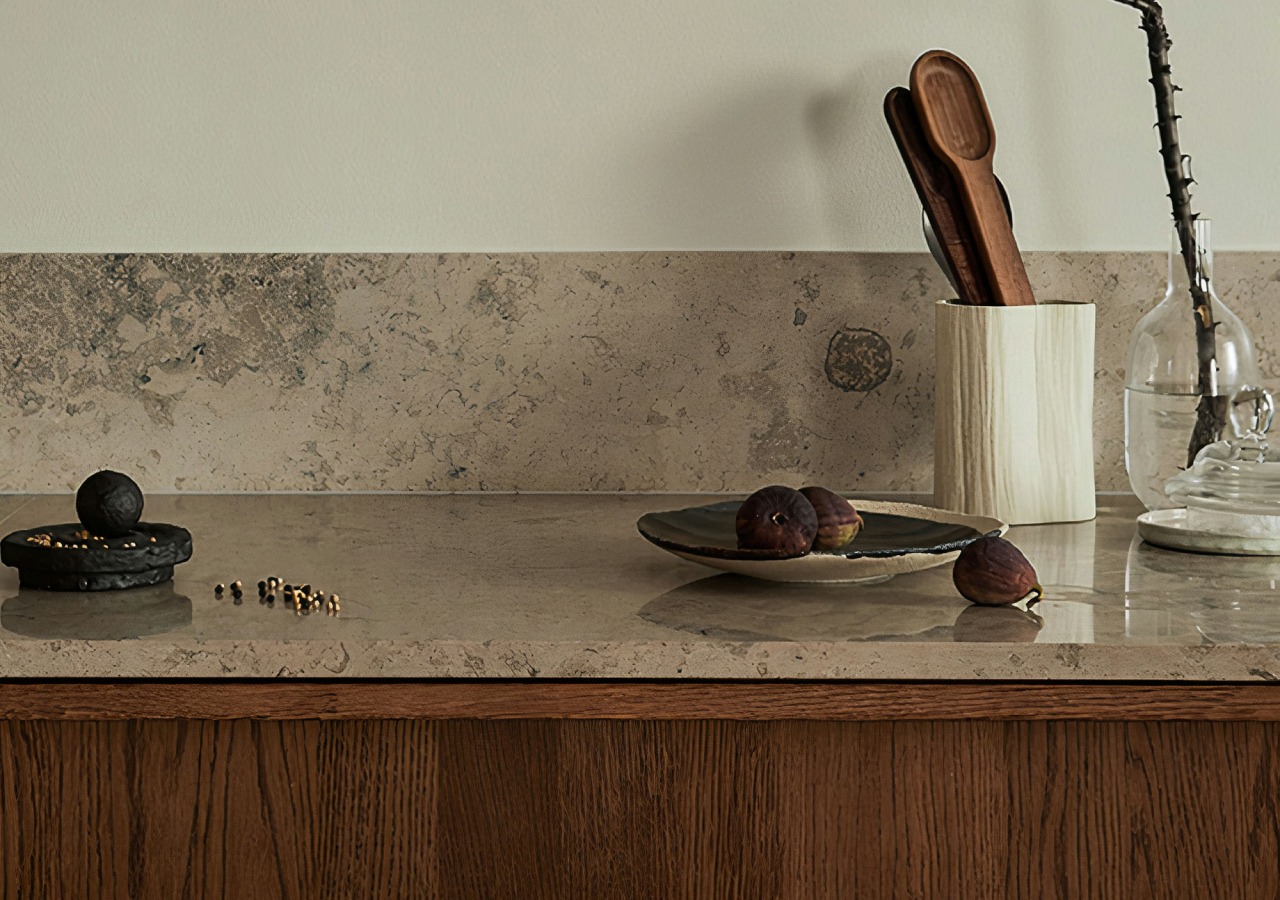
Stainless steel countertops prioritize performance, while stone countertops prioritize atmosphere. Stainless steel is non-porous, highly heat-resistant, and easy to maintain, making it well-suited to kitchens that see serious daily use. Stone offers a broader visual range and usually feels softer and more grounded in a residential setting, but some versions need more care.
That is why this is less a question of which material is better overall, and more a question of what kind of kitchen you want to live with every day.
Appearance and Style
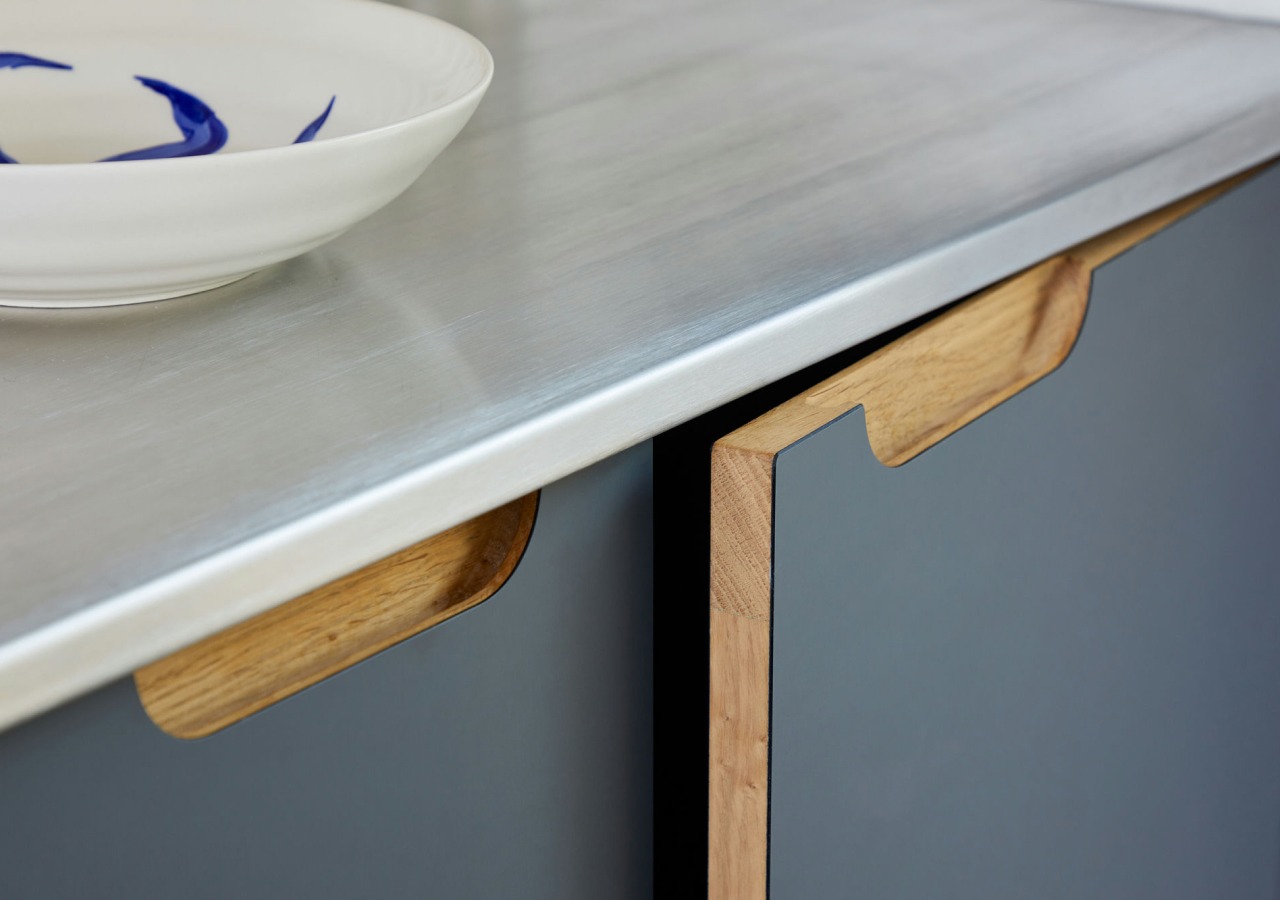
Stainless steel countertops create a sharper, more minimal look by reflecting light and supporting clean, uninterrupted lines. Stone surfaces, including granite, marble, and quartzite, introduce natural variation, depth, and a more residential feel that integrates easily into living spaces.
Stainless steel is often associated with professional kitchens, but in the right interior, it can also feel refined, clean, and architectural. Its reflective surface helps bounce light around the room, making the kitchen feel brighter and more open. Depending on the finish, it can read as sleek and understated or more obviously industrial.

Stone creates a different effect. It adds natural variation, surface depth, and a sense of permanence. Each material brings its own character, which makes the countertop feel more like a visual feature rather than just a work surface.
If the goal is a crisp, restrained kitchen with a more technical edge, stainless steel usually fits better. If the goal is a kitchen that feels richer, softer, and more residential, stone usually has the advantage.
Durability and Everyday Wear
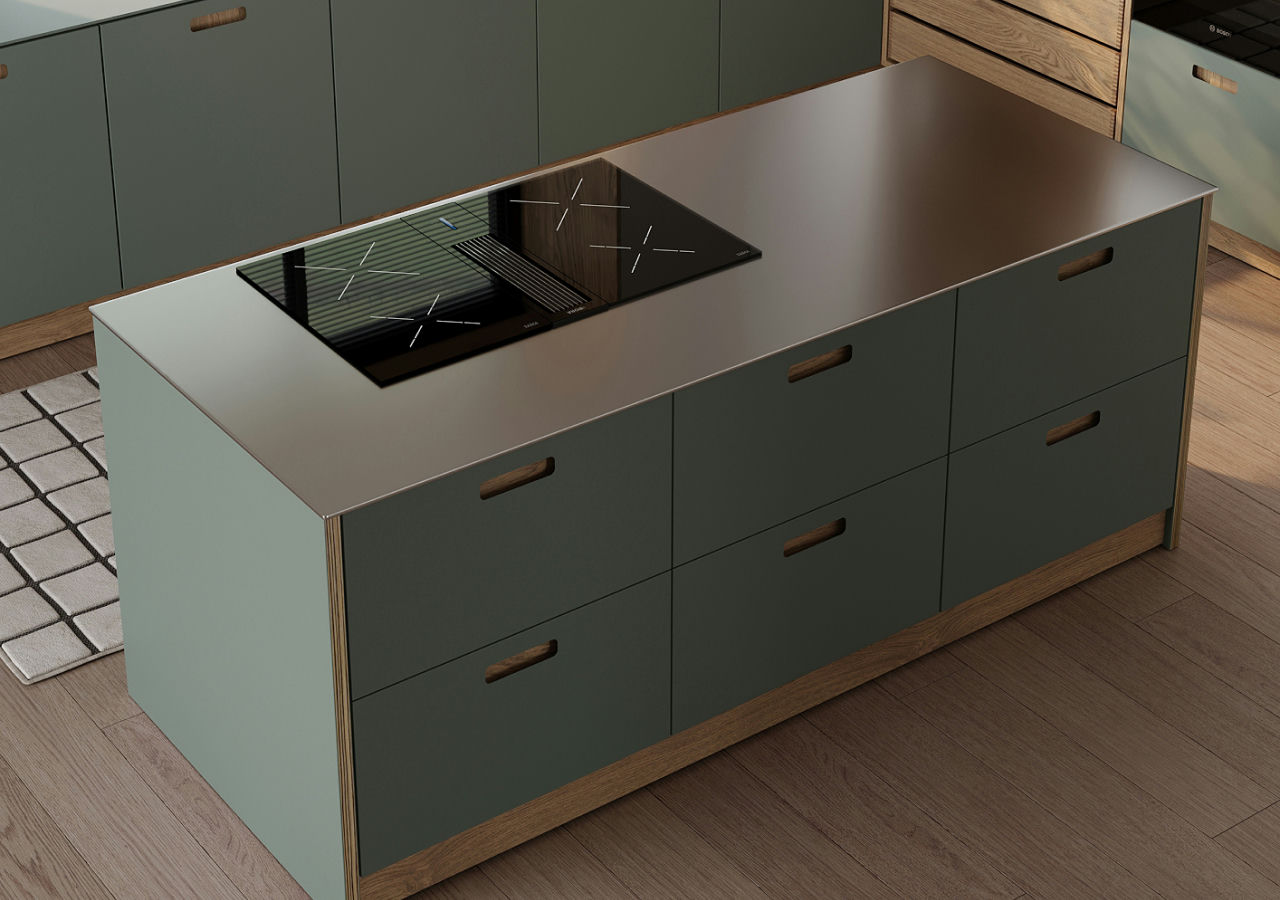
Both stainless steel and stone are durable countertop materials, but they wear differently over time. Stainless steel handles heat and heavy use extremely well but develops visible scratches and a patina. Stone performance depends on the material and may involve chipping or surface etching.
Stainless steel handles heat extremely well, does not mind moisture, and performs reliably in busy kitchens. You can place hot cookware directly on it without worrying about damage. That makes it one of the most practical countertop materials for serious cooking. The tradeoff is that it can get scratched and dented.

Stone durability varies. Granite and quartzite are among the strongest options and hold up well against scratches and daily use. Marble is softer and more prone to etching and wear, even though it still handles heat fairly well. Stone can also chip, especially on exposed edges or corners.
If you want a countertop that stays functionally strong under heavy use, both materials can work. If you want one that hides small wear better, some stones may age more gracefully than stainless steel. If you want pure heat resistance and performance, stainless steel has the edge.
Hygiene and Stain Resistance
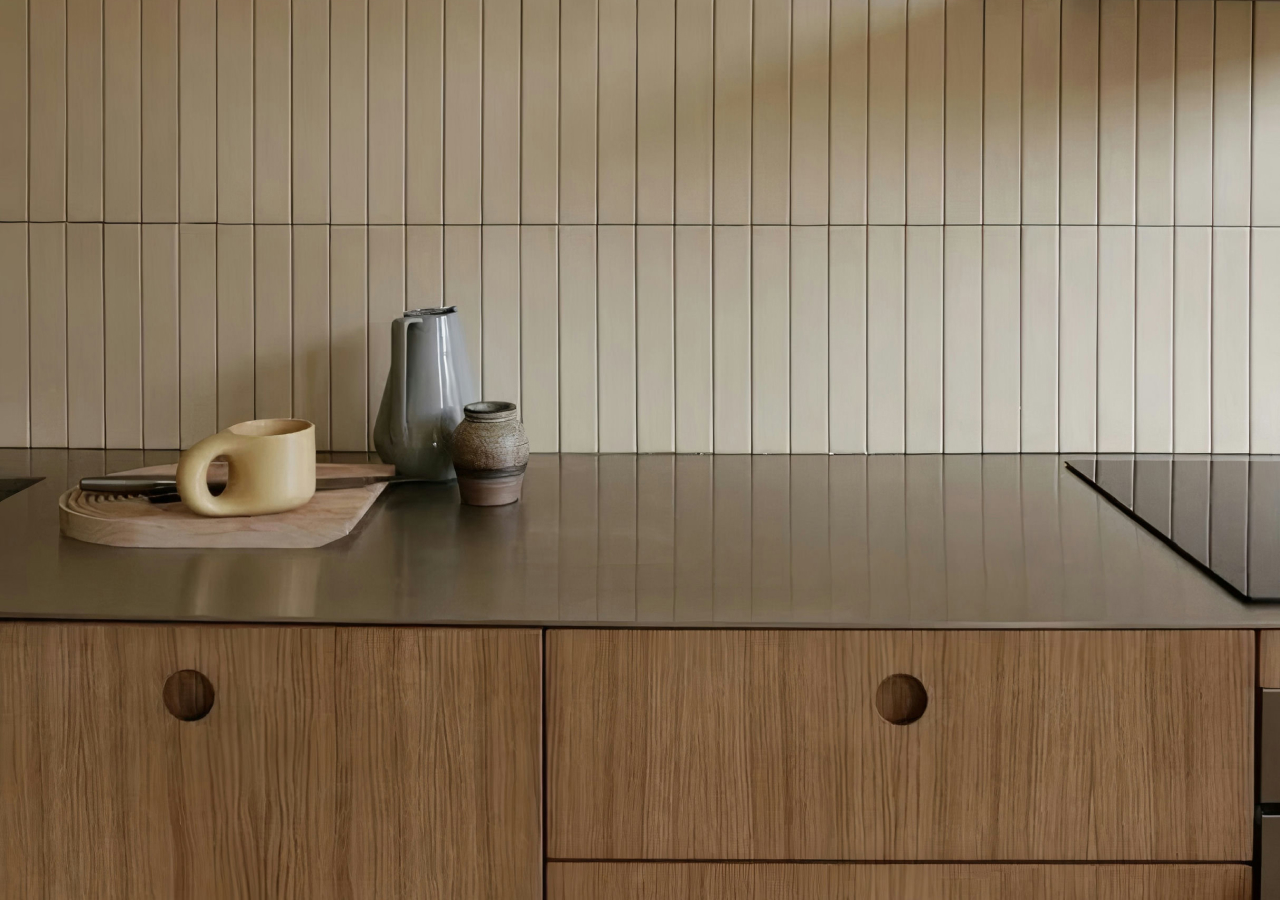
Stainless steel is non-porous and highly hygienic, which makes it one of the easiest materials to clean and sanitize. Stone varies depending on the material, and some types require sealing to prevent stains and moisture penetration.
Because it is non-porous, stainless steel does not absorb liquids, does not trap residue, and is very easy to sanitize. That is one of the main reasons it is used so widely in professional kitchens.
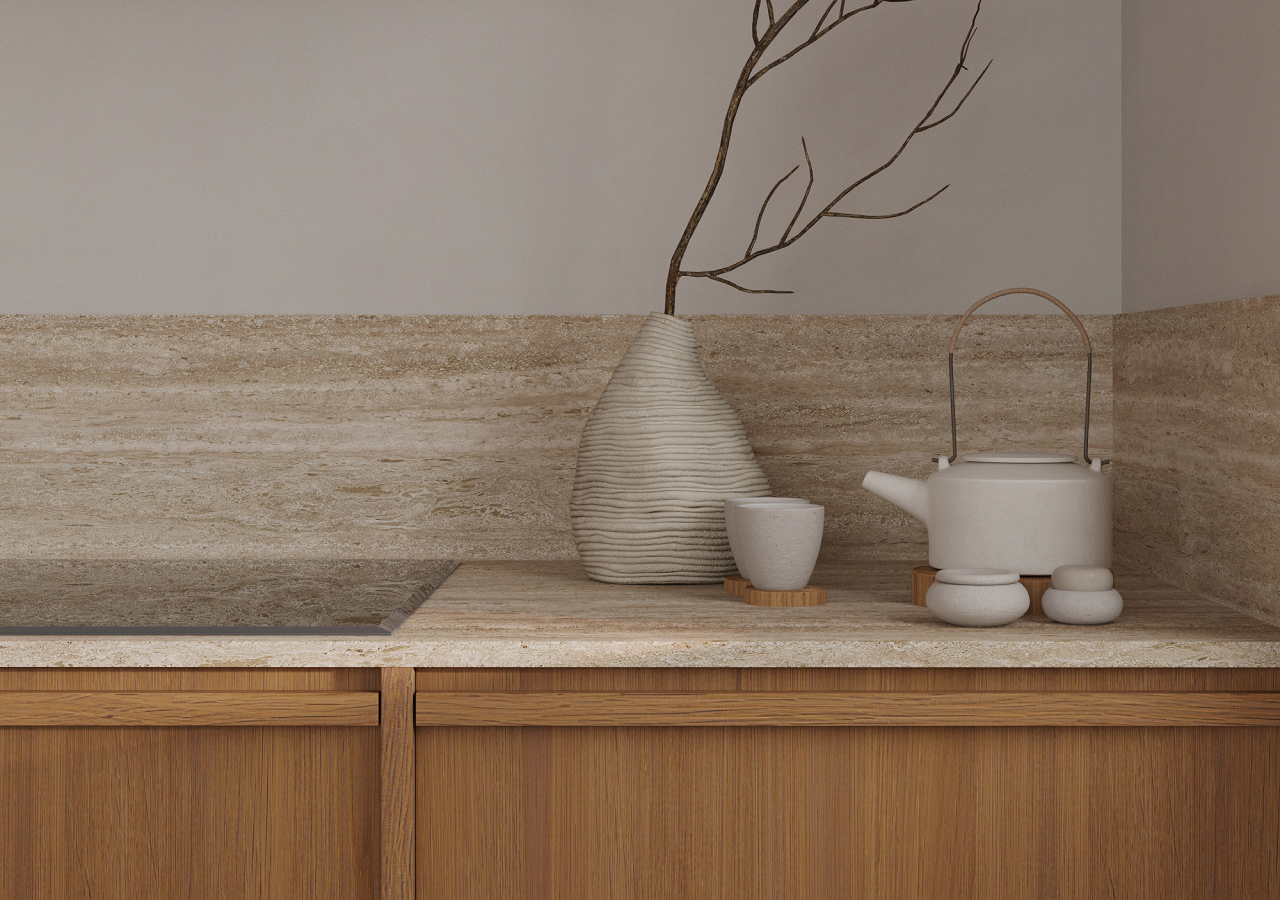
Stone varies more. Some natural stones are porous and need sealing to help prevent stains. Without that protection, liquids can soak in and leave marks behind. Quartz is different because it is non-porous and more stain-resistant, but it does not handle heat as well as stainless steel or most natural stone surfaces.
If hygiene and low-maintenance cleaning are the priority, stainless steel is the stronger option. Stone can still perform well, but it usually asks more of the homeowner.
Maintenance Requirements
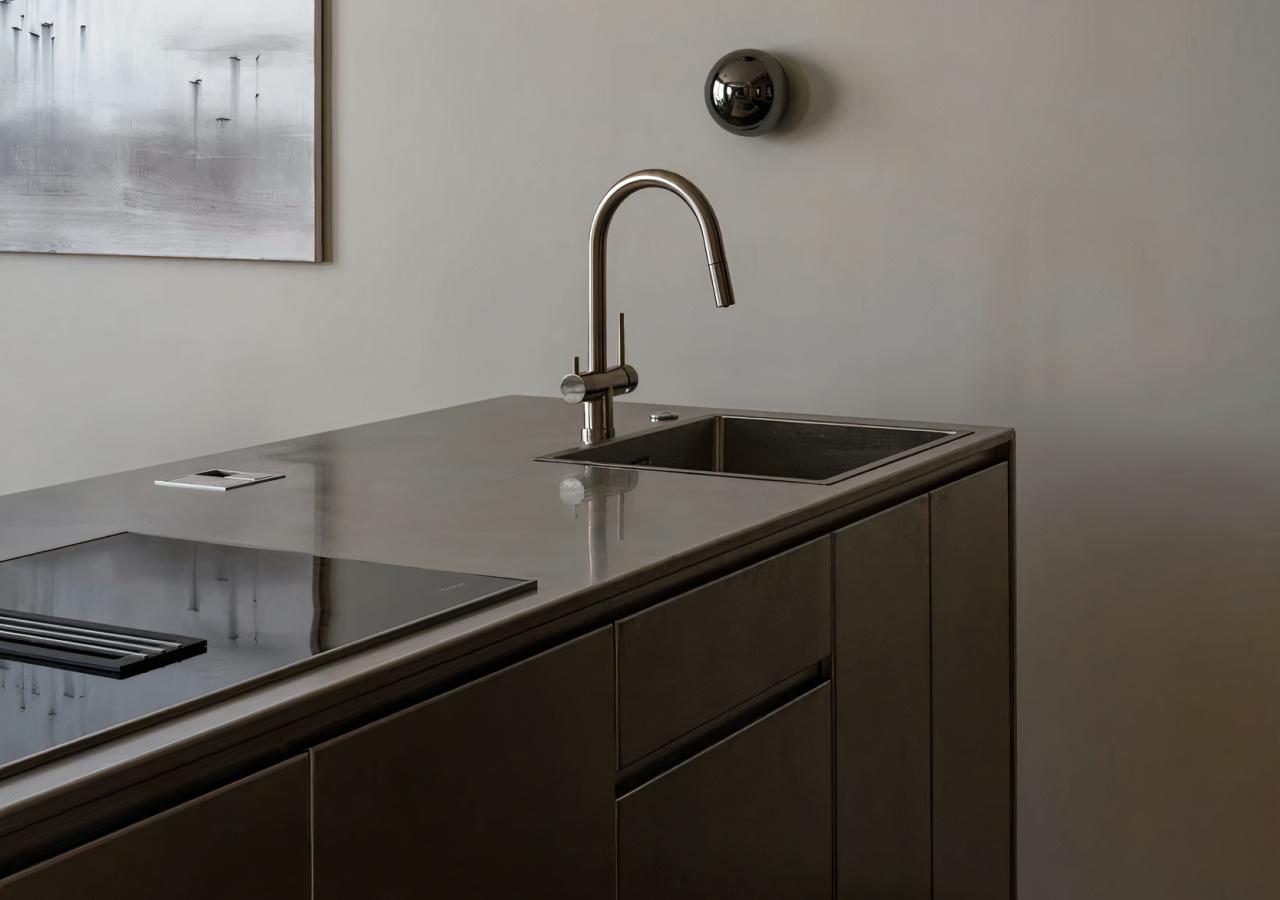
Stainless steel is one of the lowest-maintenance countertop materials available, while stone typically requires more care, including sealing and stain management.
Stainless steel does not need sealing, oiling, or special care. In most cases, water, a soft cloth, and a mild cleaner are enough. It may show fingerprints or watermarks depending on the finish, but the actual upkeep is simple.
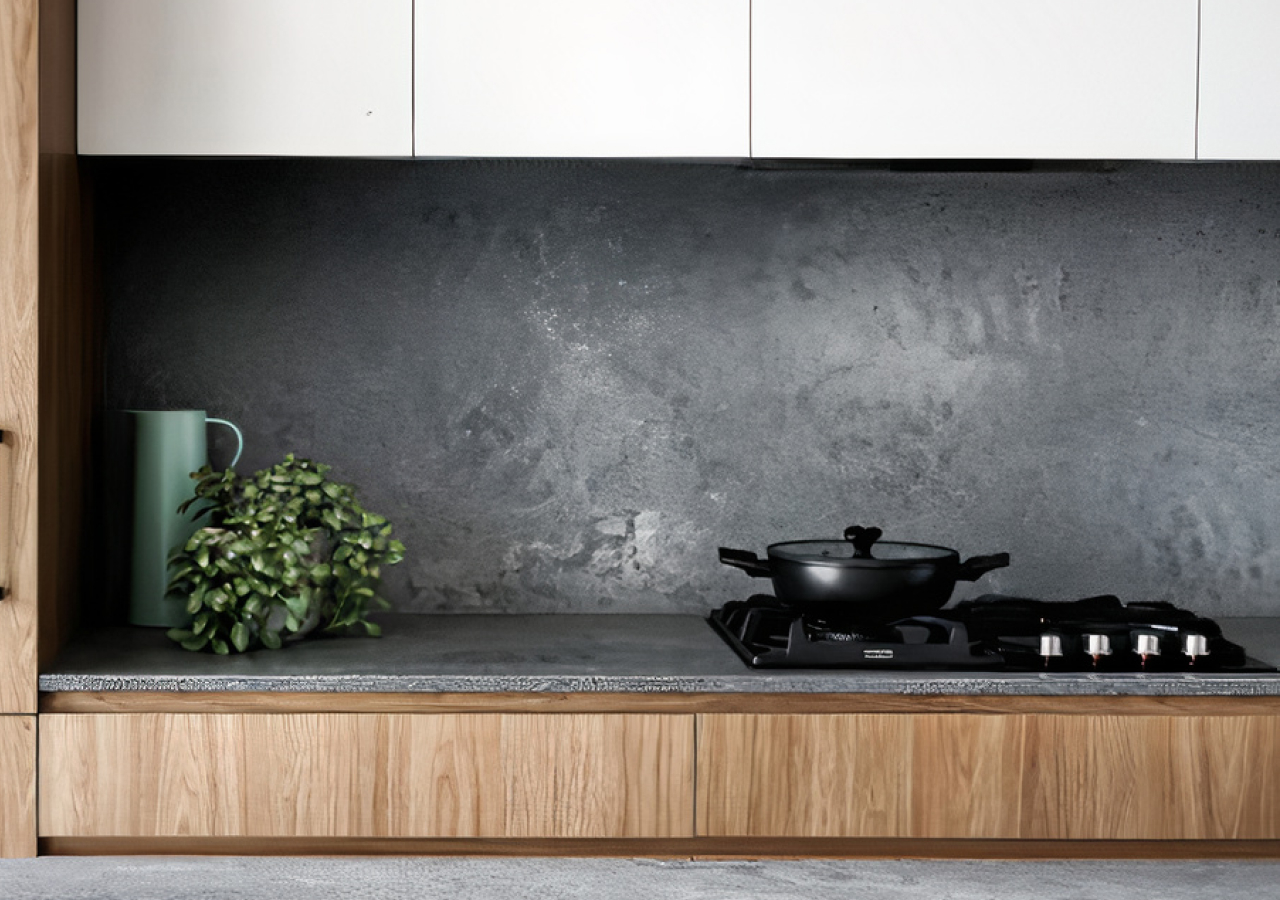
Stone needs a bit more attention. Granite, marble, and quartzite often require periodic sealing to maintain stain resistance. Quartz is easier to maintain, but it can be more sensitive to heat and certain cleaning products.
So while both materials are durable, stainless steel usually wins on maintenance.
Comfort and Feel in Daily Use
.webp)
Stainless steel feels cooler, harder, and more technical in everyday use, while stone feels warmer, quieter, and more tactile. This difference often becomes a deciding factor in how the kitchen feels over time.
Stainless steel tends to amplify noise, so cookware, dishes, and utensils sound sharper against the surface. For some people, that clean and professional quality is exactly the appeal. For others, it makes the kitchen feel less relaxed.
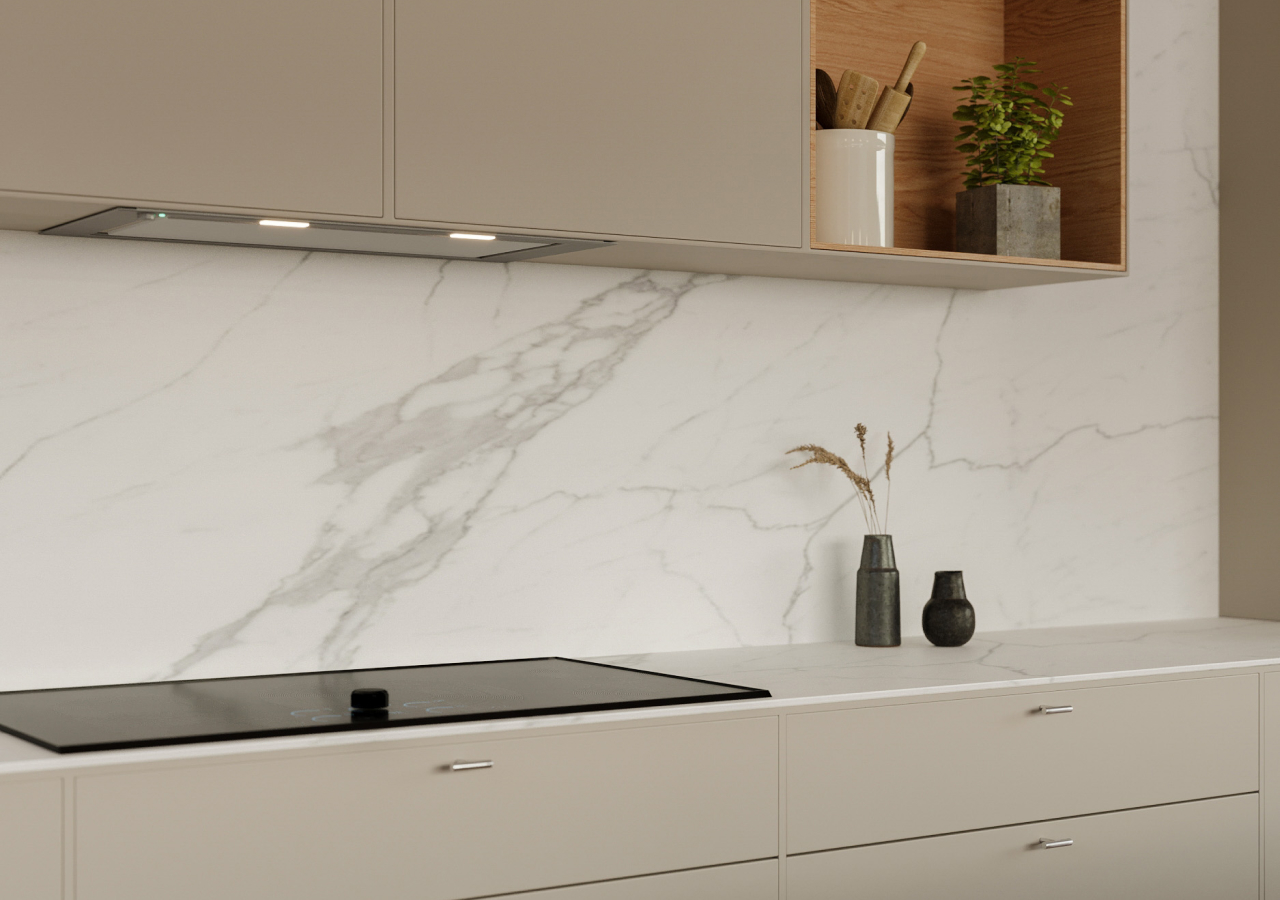
Stone brings more softness into the room. It sits more naturally alongside wood, soft lighting, and integrated cabinetry, especially in open-plan homes.
If the kitchen is part of a broader living space and you want it to feel calm and grounded, stone often works better. If you prefer a sharper, more functional material language, stainless steel can be a better match.
Design Flexibility
.webp)
Stainless steel allows for seamless fabrication and integrated elements, while stone offers more visual variety but less flexibility in shaping and detailing.
Stainless steel can be made to exact dimensions, paired with integrated sinks, and formed into continuous surfaces with fewer visual breaks. That makes it especially useful in minimalist kitchens.
Stone offers flexibility differently. Its strength is visual range, from subtle to highly expressive slabs. However, fabrication is more constrained, and certain details are harder to execute cleanly.
Cost and Long-Term Value
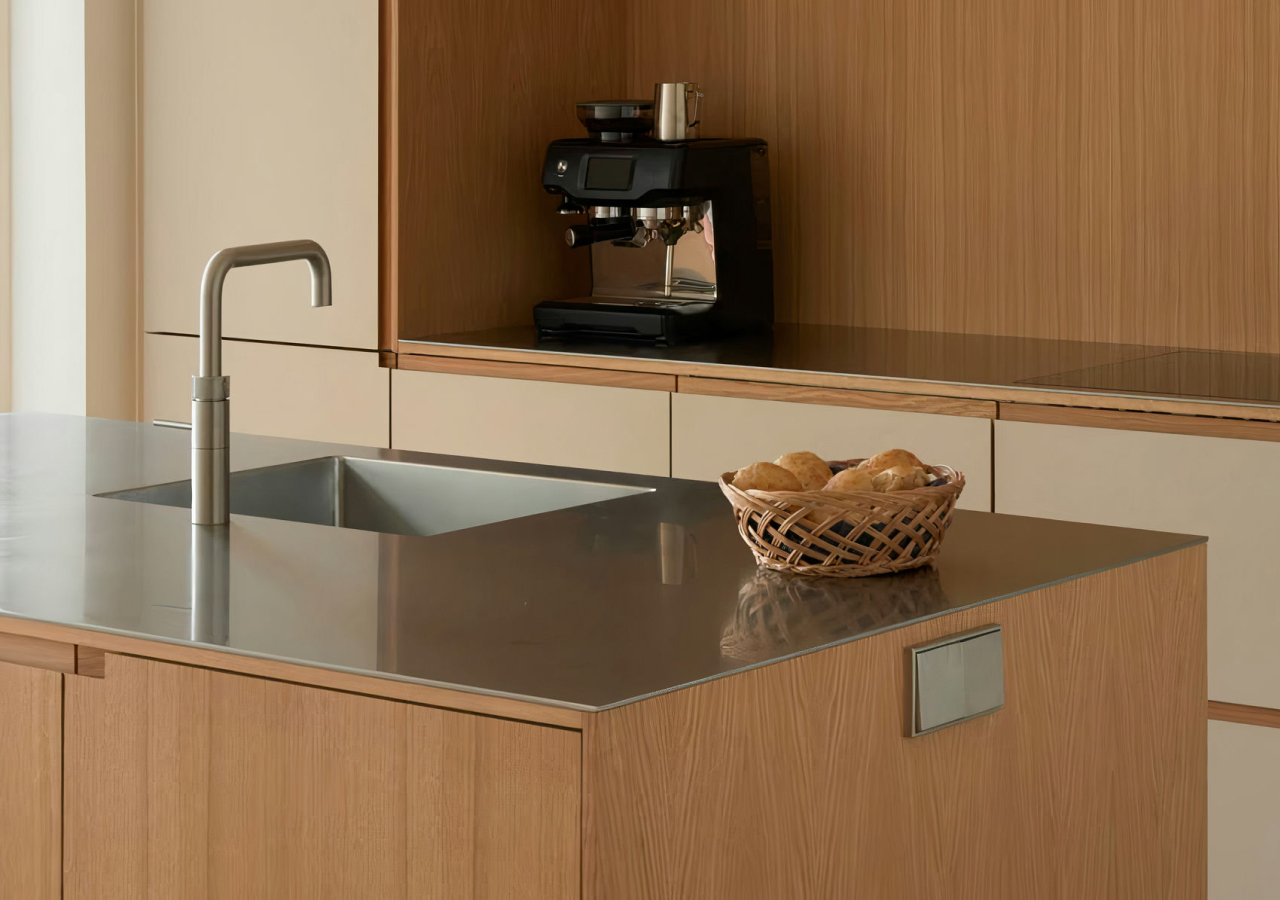
Both materials sit in the premium category, but their value comes from different strengths. Stainless steel offers long-term performance with minimal maintenance, while stone adds visual impact and perceived resale value.
Stainless Steel vs. Stone Countertops: Quick Comparison
Stainless steel is often priced in the mid-to-high range and holds up well over time with little upkeep.
Stone can vary much more in price depending on the material and slab quality. It is widely seen as a high-end finish and can influence how the kitchen is perceived in a residential setting.
Which Countertop Is Better for Your Kitchen?
Choose stainless steel countertops if you want:
- low maintenance
- strong heat resistance
- excellent hygiene
- a more minimal or professional look
- a countertop that performs well in a hard-working kitchen
Choose stone countertops if you want:
- a warmer, more residential atmosphere
- more natural texture and visual depth
- a surface that feels less industrial
- a stronger decorative role in the kitchen
- a countertop that integrates easily with wood, stone, and softer finishes
Conclusion
Stainless steel and stone are both durable, premium countertop materials, but they suit different priorities.
Stainless steel is usually the better choice for homeowners who care most about performance, hygiene, and ease of maintenance. Stone is usually the better choice for homeowners who want a more tactile, visually layered kitchen that feels warmer and more integrated into the home.
The right decision comes down to how you use the kitchen and what kind of atmosphere you want it to create. A countertop should not just look right on installation day. It should still feel right once the kitchen is being used every day.


