
.webp)
Minimalist kitchen ideas work best when the design supports real life: clear prep space, smart storage, and calm surfaces that don’t demand constant tidying. Modern homeowners often want a kitchen that feels lighter and more elegant, but still warm enough for everyday cooking. The difference is organization built into the plan—drawer-first bases, a proper waste zone near prep, and appliance storage that keeps cords and small gear out of sight.
When each routine has a home (prep, cook, clean, pantry), countertops stop becoming a drop zone and the whole room resets fast after dinner. In this guide, you’ll find 25 practical ideas, that help you build a minimalist kitchen setup without losing the warmth that makes a kitchen feel lived-in.
What Defines a Minimalist Kitchen?
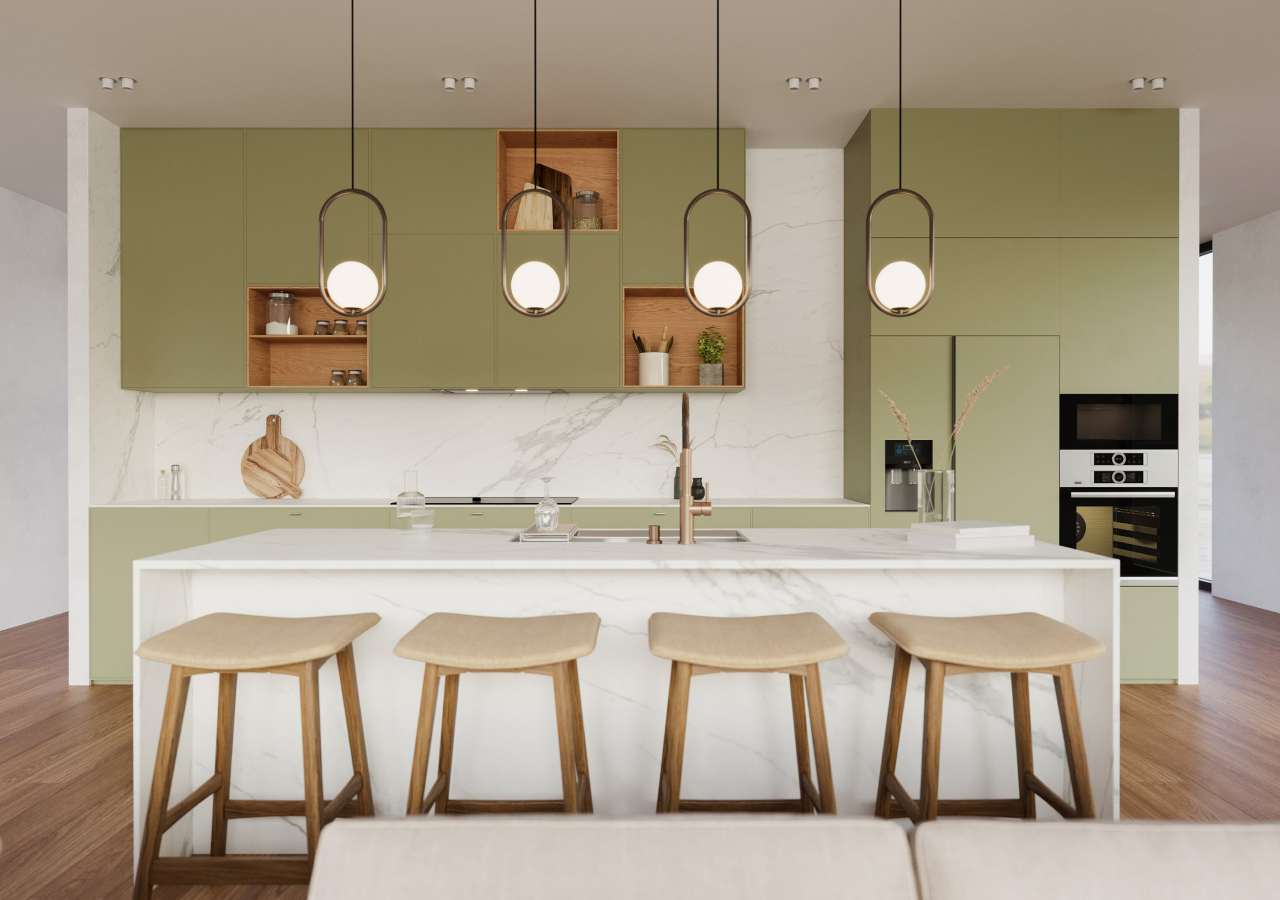
A minimalist kitchen is defined by clear sightlines, simple cabinet lines, and storage that keeps everyday items off the countertop. You’ll see it phrased as kitchen design minimalist or design kitchen minimalist—the consistent principle is fewer visual breaks and better capture systems so the room resets quickly after cooking.
| System | What it does | Minimum spec to aim for |
|---|---|---|
| Protected prep run | Prevents counters becoming a drop zone | One uninterrupted counter stretch + drawers directly below |
| Drawer-first base storage | Keeps tools accessible without countertop piles | Deep drawers for cookware + daily tools, not door cabinets |
| Waste + recycle near prep | Eliminates “staging” piles and packaging linger | Pull-out bins within 1–2 steps of prep |
| Appliance containment | Stops cords, pods, and small gear spreading | Appliance garage / coffee niche / closed station |
| Layered lighting | Keeps nights functional without harsh glare | Ambient + task + one anchored feature light |
Layout and Planning Ideas
The best design ideas for minimalist kitchen layouts protect one clear prep zone, consolidate tall storage, and keep sightlines composed. Minimalism shows up as fewer decisions while cooking because each routine has a “home.”
1. Clean Sightline Open-Concept Layout
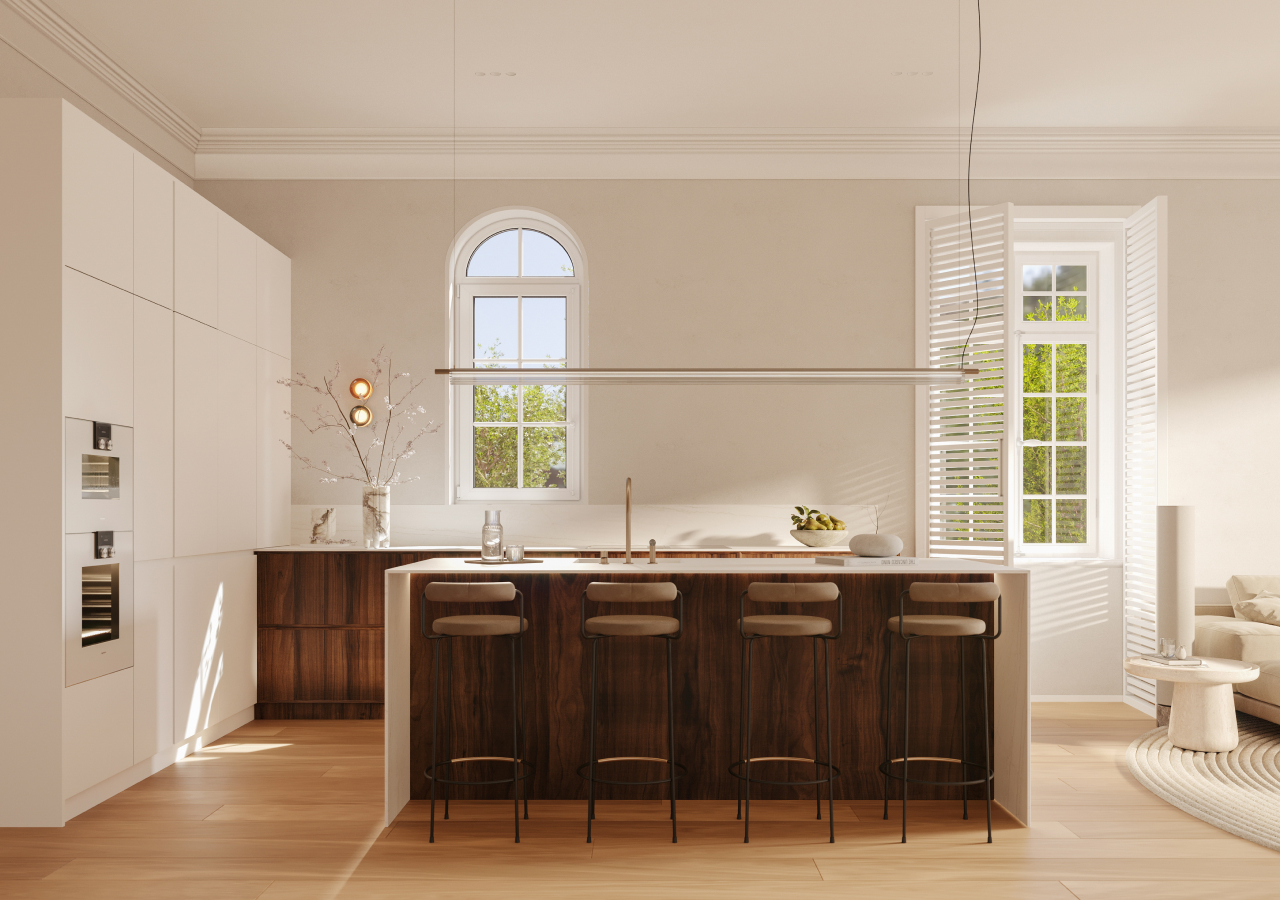
A clean-sightline layout makes the kitchen read as one composed system from the living area. The payoff is visual calm: fewer breaks, fewer competing focal points, and a more architectural feel. Consolidate tall units into a single run, align door and appliance lines, and keep transitions simple so the room looks intentional from every angle.
2. Compact Small-Space Prep Zone
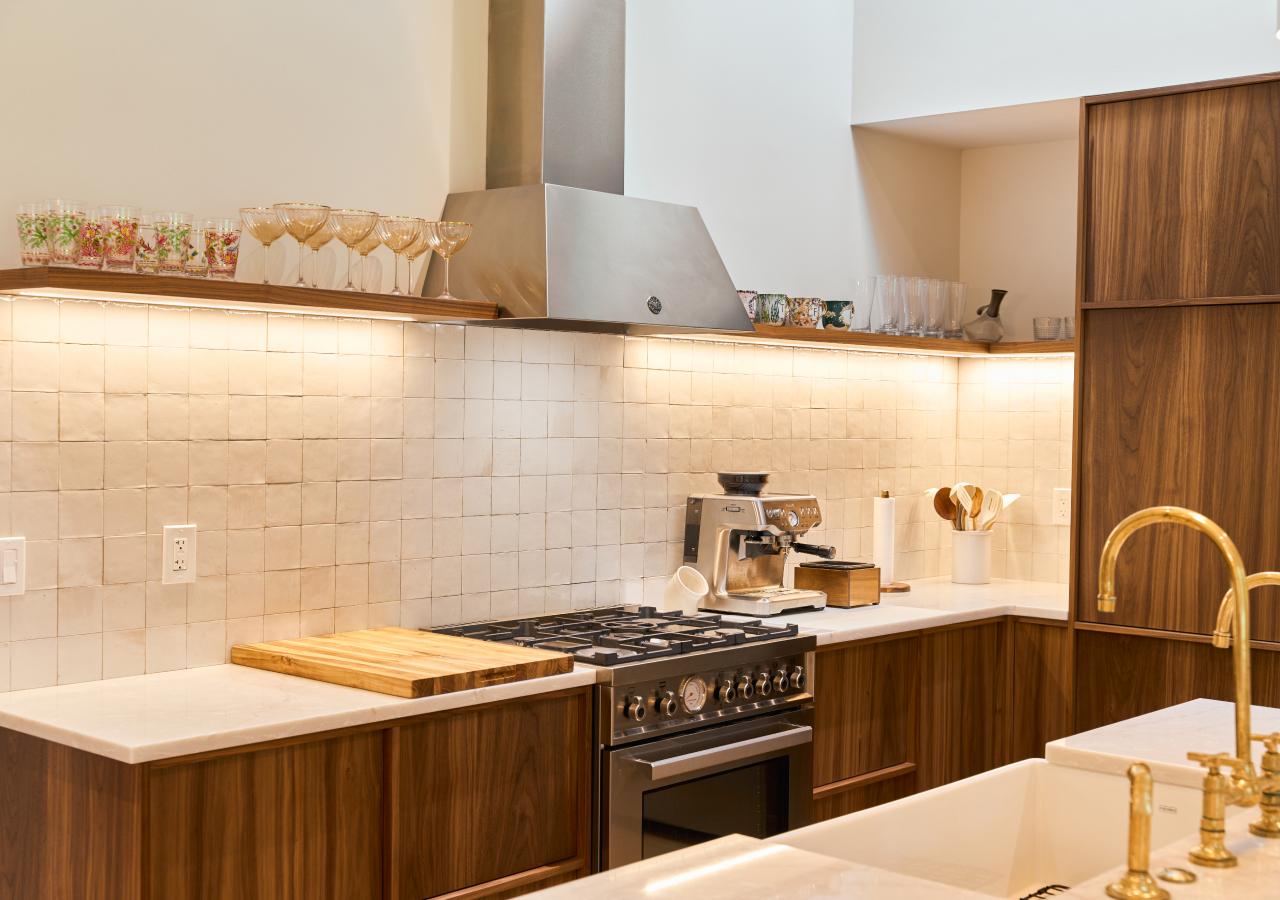
In small minimalist kitchens, minimalism comes from protecting one reliable prep stretch. Keep one uninterrupted counter run for prep, place deep drawers directly below for knives, boards, bowls, wraps, and everyday spices, and use vertical storage nearby for trays so the zone stays clean and efficient.
3. Slimline Minimalist Kitchen Island
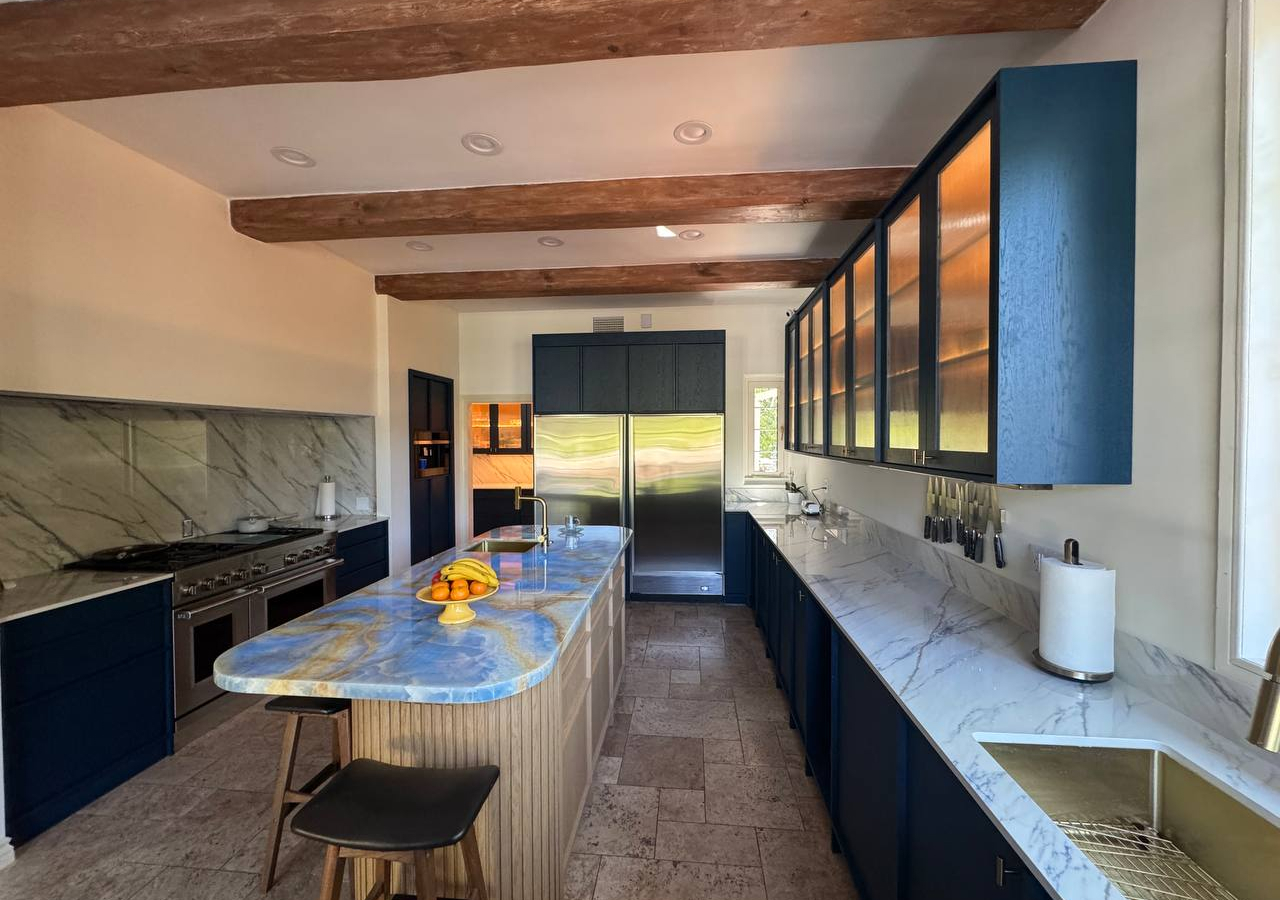
A slim island adds function without crowding the room. It supports prep, landing space, and storage capture while keeping circulation comfortable. Keep the island proportionate to the room, match the cabinetry finish for a built-in look, and design storage on the working side so tools and mess stay out of sight.
Benchmark clearances (use for planning)
| Clearance | Metric | When to use it |
|---|---|---|
| Walkway around island | 36–42 in (90–105 cm) | Comfortable flow for 1–2 cooks |
| Behind stools | 42–48 in (105–120 cm) | Seating + pass-through without pinching |
| Between sink and island (working aisle) | 40–48 in (100–120 cm) | Prep + cleanup without collisions |
| Dishwasher open clearance | 44–48 in (112–120 cm) | Allows passage while open |
4. Open-Plan Kitchen-Living Social Island
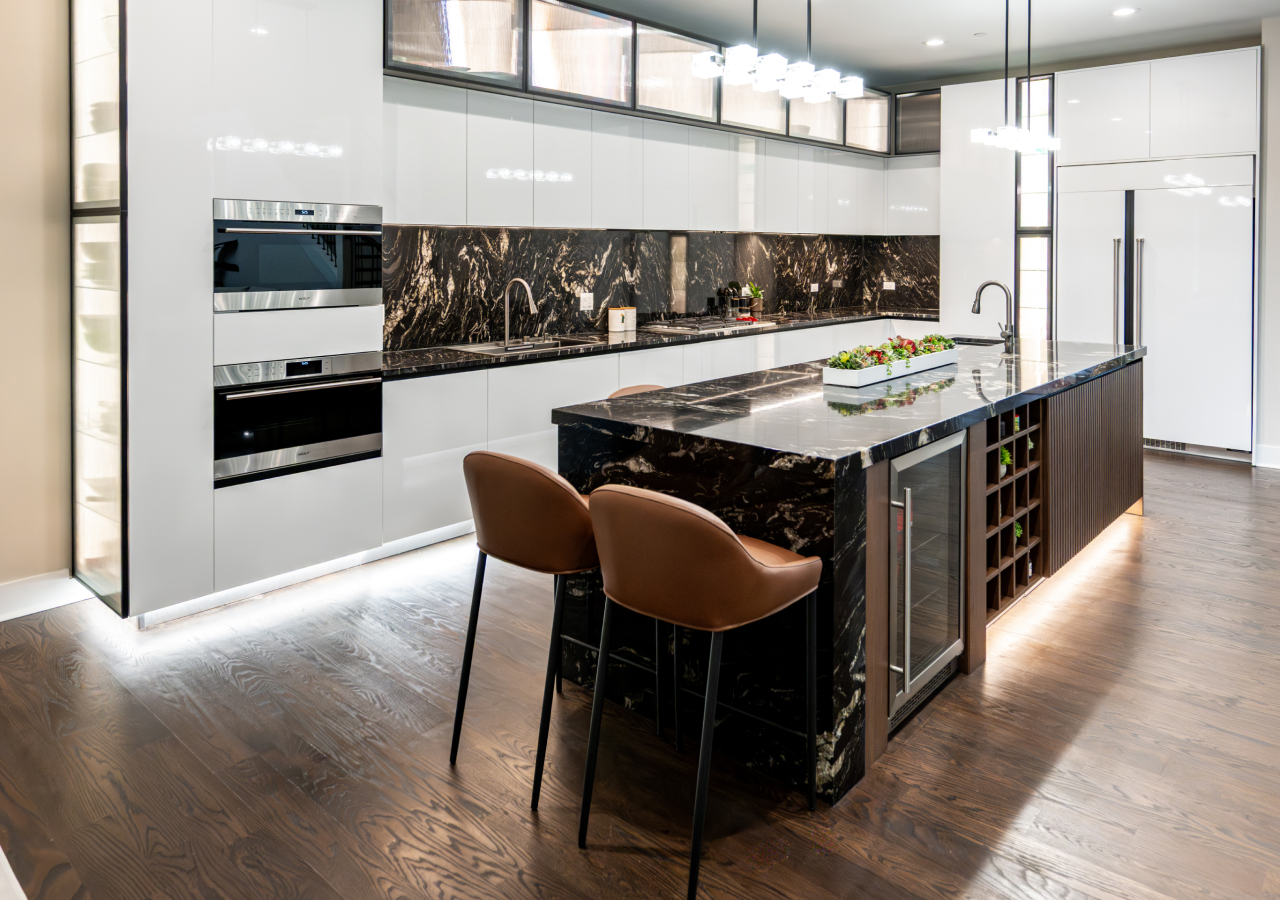
A social island helps an open plan feel welcoming while staying visually quiet. It organizes the “people zone” and the “work zone,” so the kitchen remains composed during real life. Make one side seating-forward and the other storage-forward, then keep the working side clean with drawers for daily tools and a nearby waste pull-out for fast cleanup.
5. Minimalist Dining Table Integration
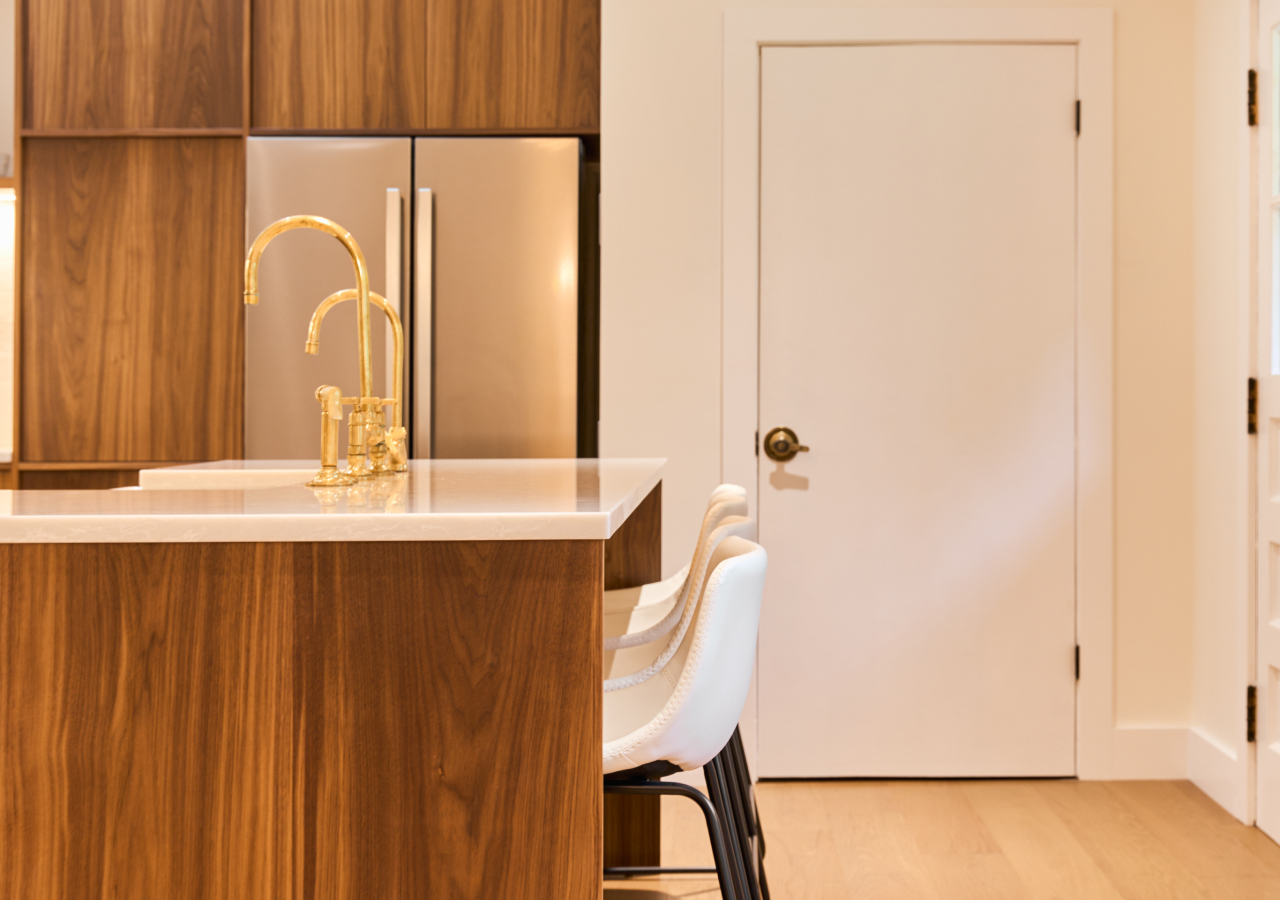
Integrating a dining table can add warmth while keeping the layout simple. It reduces the temptation to overbuild cabinetry and makes the space feel more human and flexible. Choose a table with clean lines, repeat one material note from the kitchen (wood tone or metal finish), and center lighting above it so the zone feels designed rather than dropped in.
Storage and Organization Ideas
Minimalism is storage design, not empty counters. The goal is a system that catches daily items before they land: drawers where you work, a waste zone near prep, and one contained place for small appliances. That’s the core of a simple minimalist kitchen that stays simple.
6. Handleless Minimalist Cabinetry
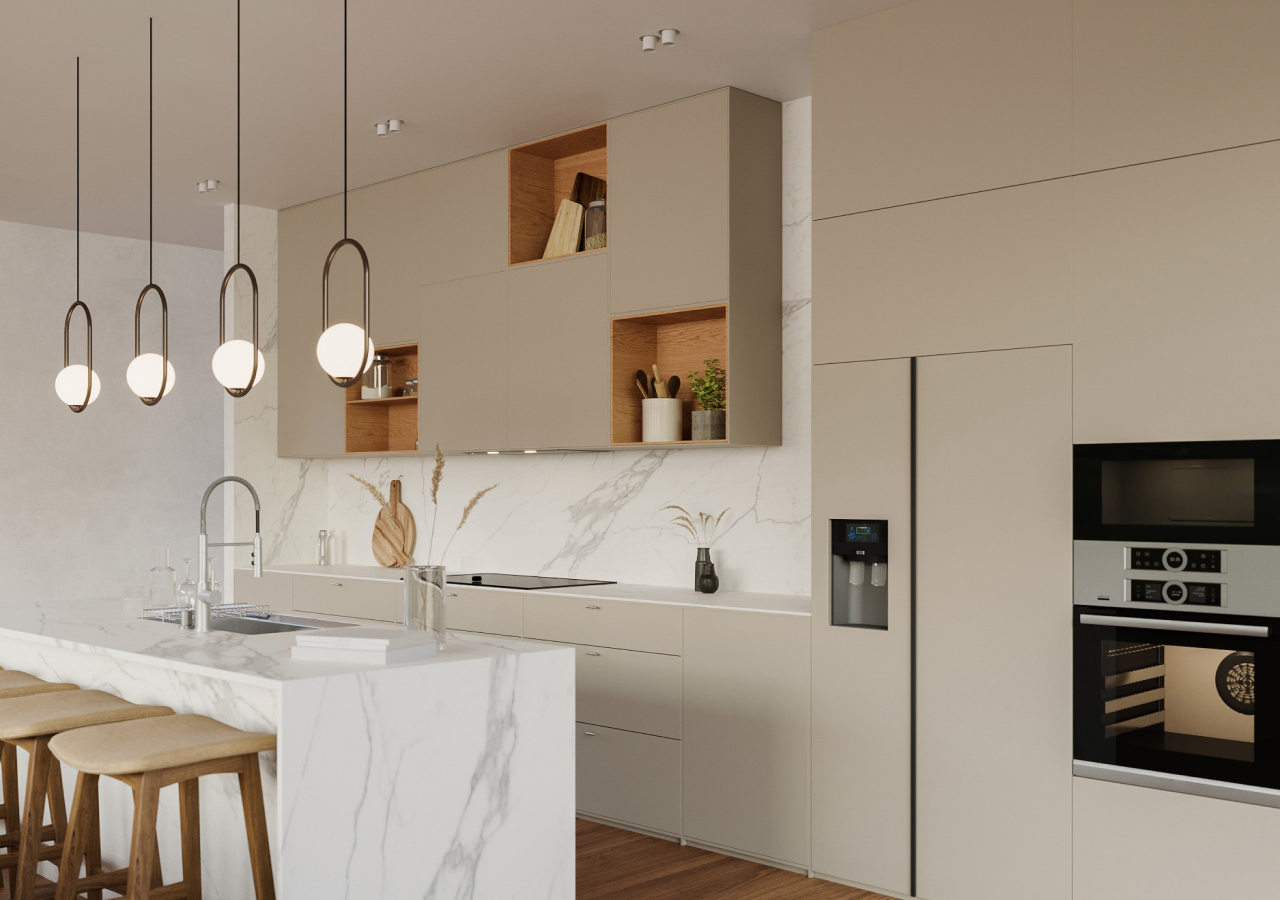
Handleless cabinetry creates a continuous cabinet plane that supports minimalist kitchen design visually and ergonomically. It reduces visual “punctuation,” looks cleaner in open-plan rooms, and makes surfaces easier to wipe down. Pick one opening approach and apply it consistently across the kitchen so the front elevation stays calm and cohesive.
X vs Y: handleless opening methods
| Method | Best for | Trade-offs |
|---|---|---|
| True handleless rail / gola | Fast daily use + durable rhythm line | Adds a horizontal line detail |
| Integrated pull / bevel | Clean look, simple hardware logic | Grip comfort depends on profile |
| Push-to-open | Ultra-clean, no pulls | Fingerprints + needs tuned hardware |
| Wood pulls | Warm, tactile, forgiving | Adds visual points—keep consistent |
7. Integrated Panel-Ready Appliance Wall
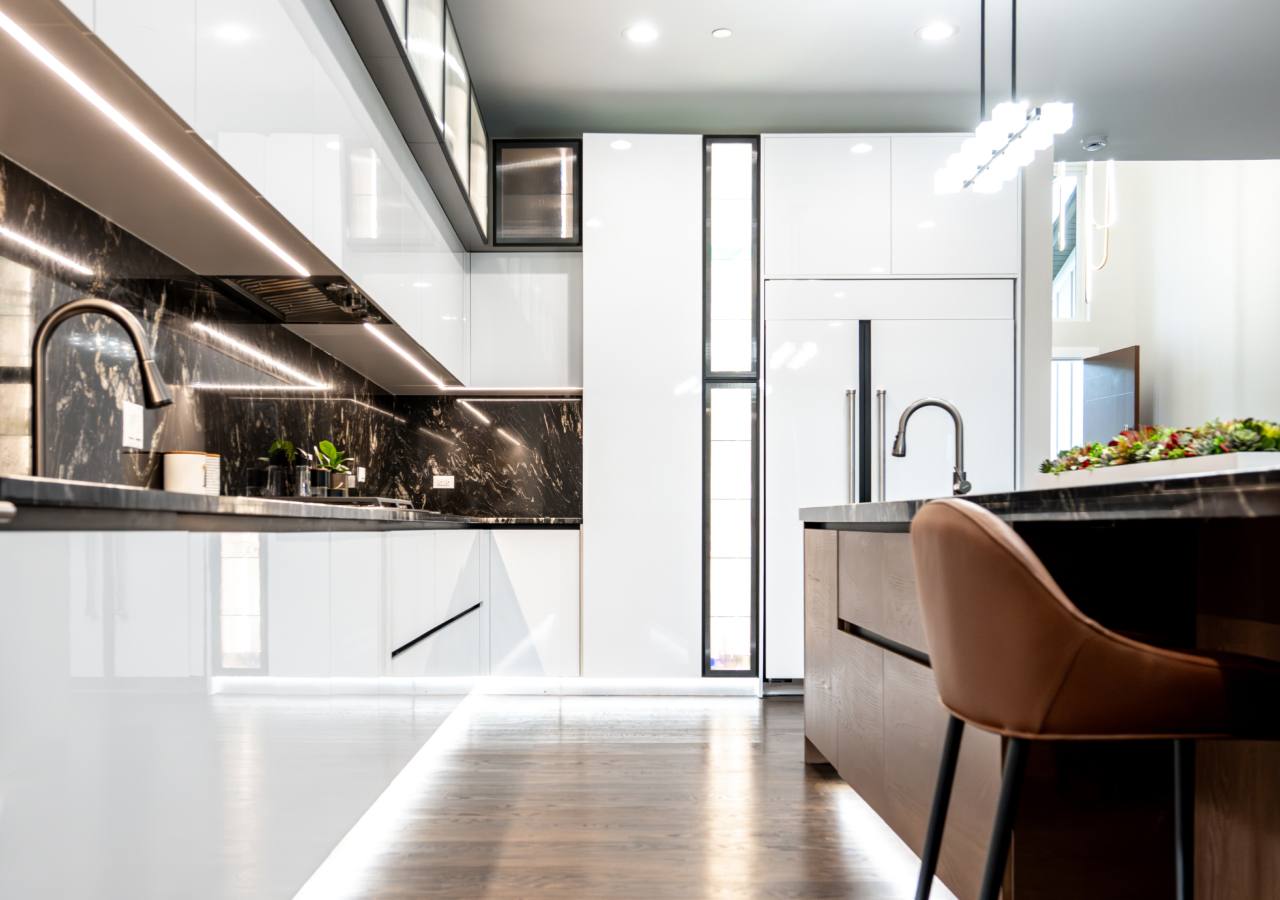
A panel-ready appliance wall makes appliances disappear into the cabinetry line, strengthening the calm, architectural look of kitchen design minimalist interiors. It also simplifies zoning by consolidating storage and appliances into one composed wall. Group refrigeration, ovens, and pantry storage together, align door lines, and keep finish changes minimal so the wall reads as one intentional composition.
8. Ceiling-Height Storage Cabinets
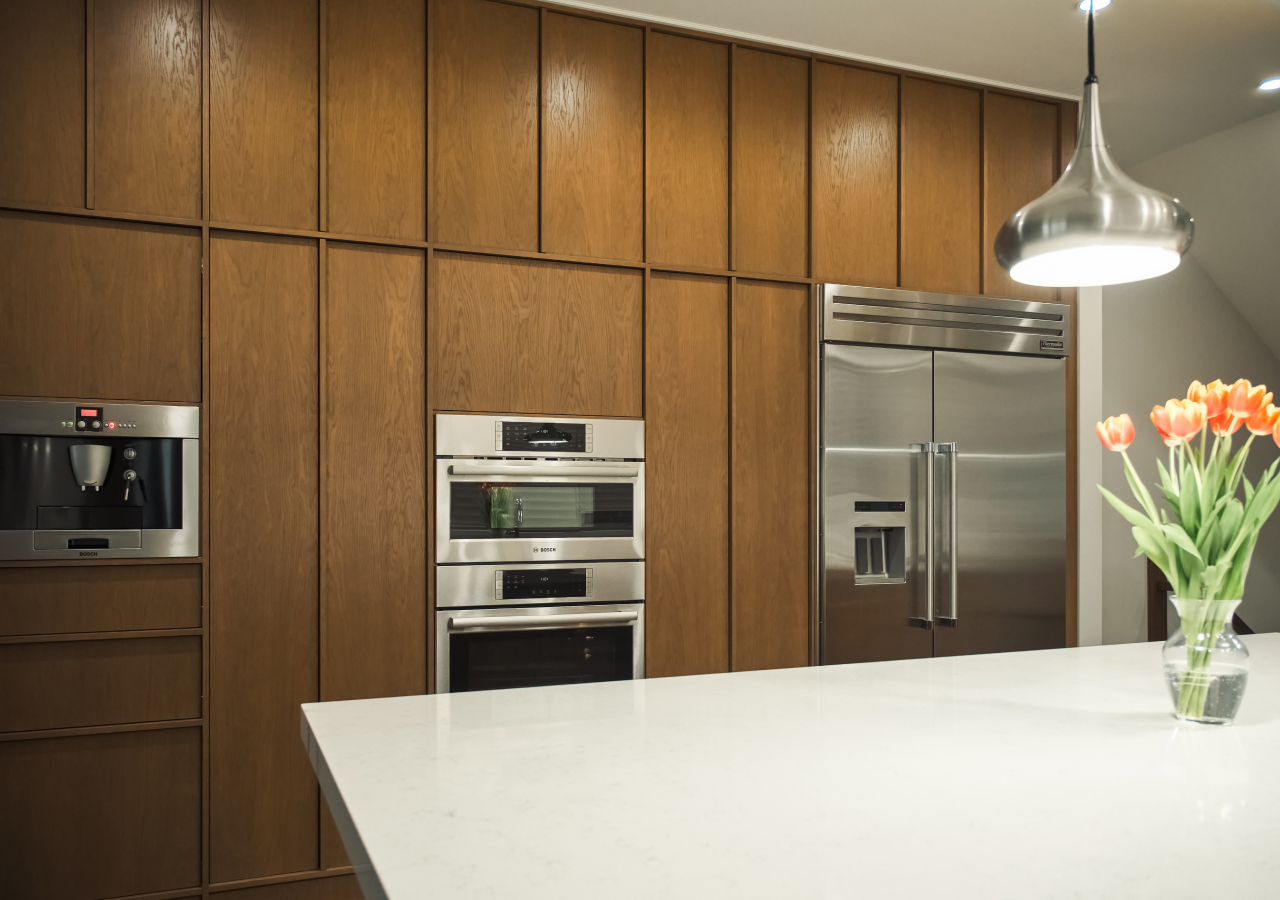
Ceiling-height cabinets give the kitchen a finished, tailored look while adding storage without adding footprint. The functional benefit is big for a minimalist kitchen setup: fewer items need to live on counters or open shelves. Use the highest shelves for seasonal and rarely used items, then organize the main cabinet zone around daily routines so the lower storage stays effortless.
9. Clutter-Free Countertop System
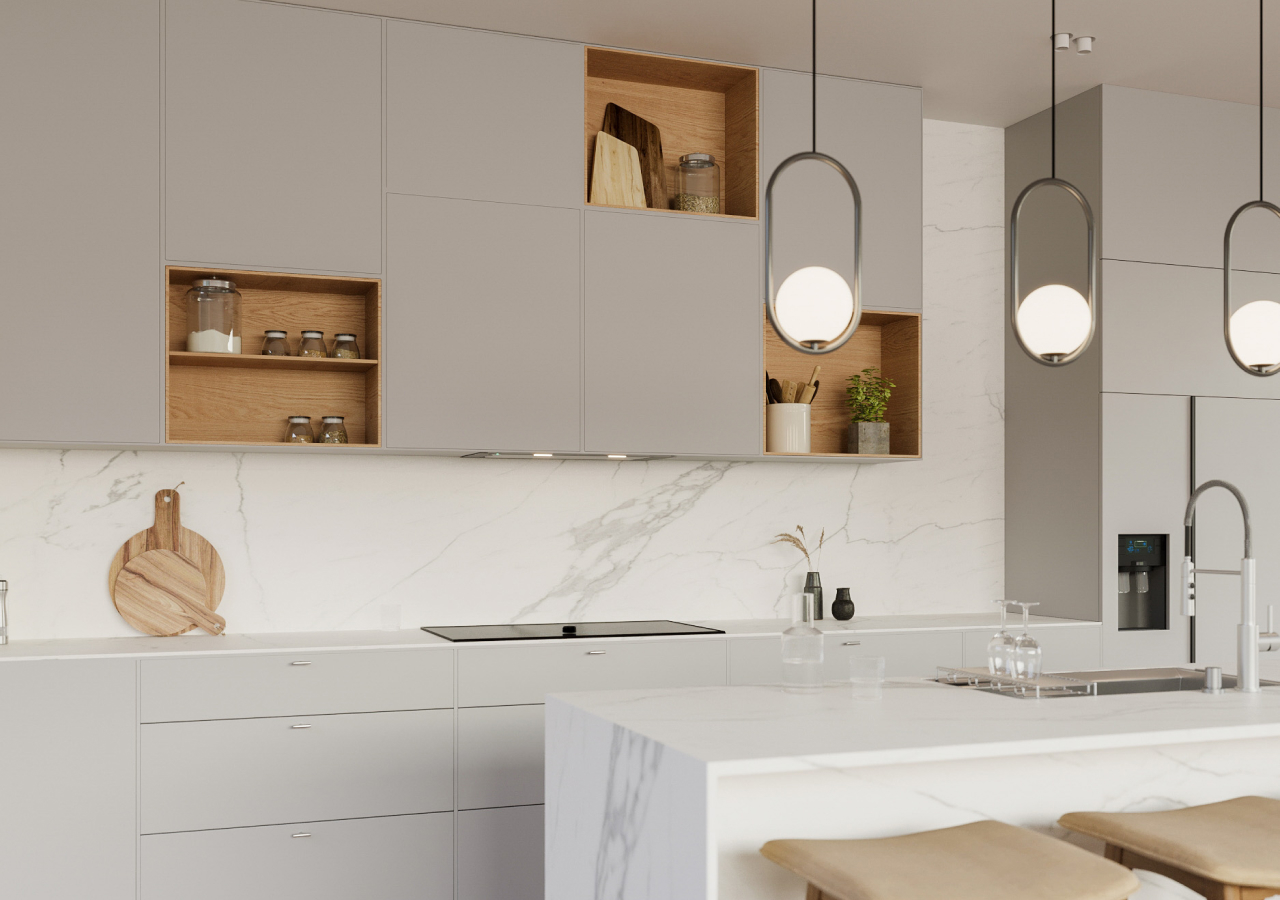
Clutter-free counters come from a storage design that catches everyday items before they land on the surface. This improves both aesthetics and workflow because the counter stays ready for cooking. Prioritize deep drawers for tools and pantry staples, plan under-sink organization for cleaning supplies, and place waste/recycling close to prep to reduce countertop “staging.”
10. Minimalist Open Shelving
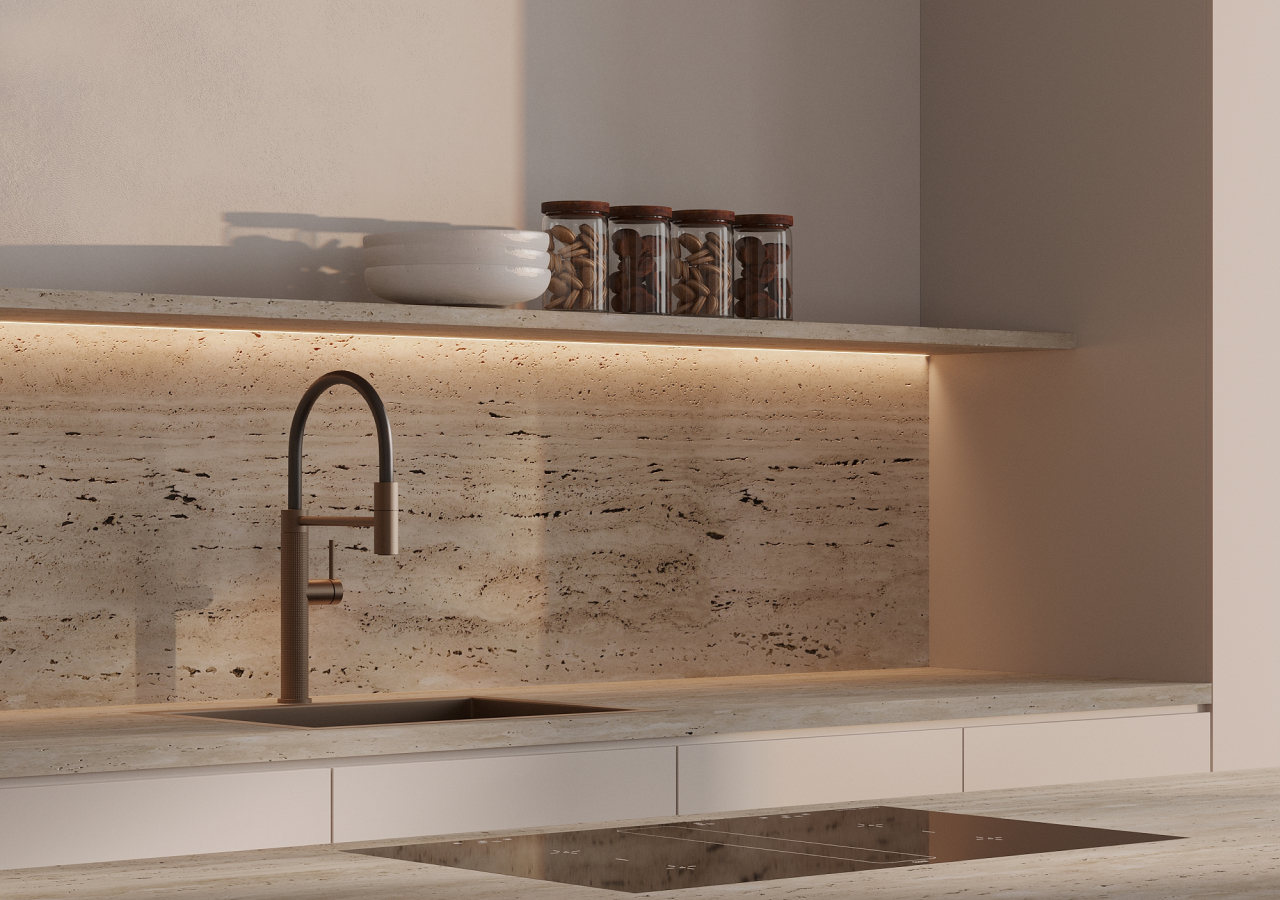
Open shelving can add air and warmth when it’s treated as a limited display zone rather than overflow storage. The benefit is visual lightness and quick access to daily ceramics. Keep shelves shallow, limit the run, repeat a tight material palette, and leave negative space so the shelf reads as intentional.
11. Curated Shelf Display for Minimal Kitchens
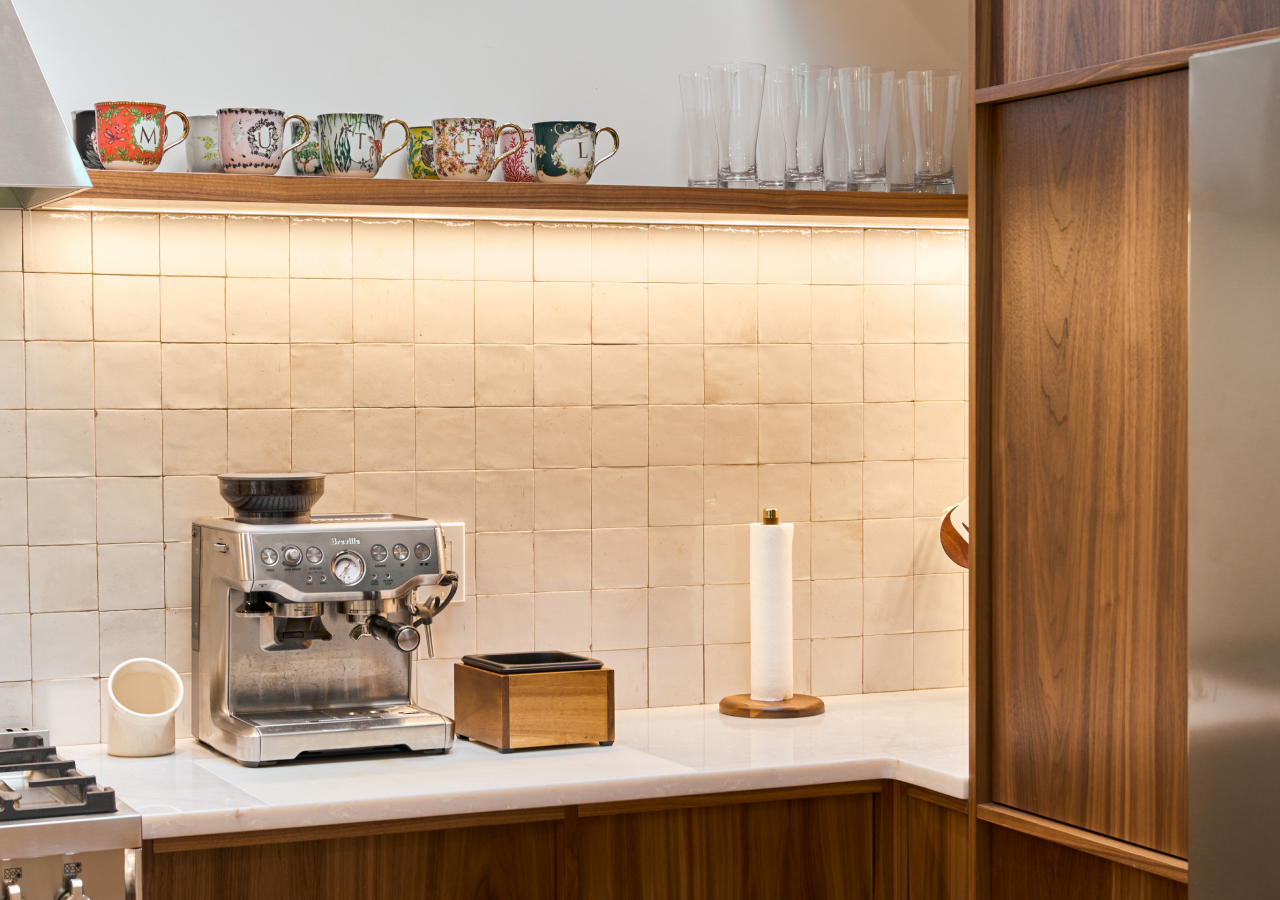
A curated display keeps open shelving from turning into visual clutter. The aesthetic benefit is warmth through texture—ceramic, wood, glass—without busy styling. The practical benefit is easy maintenance because fewer items mean faster cleaning. Choose a small set of repeatable items, keep colors consistent, and rotate seasonally so the kitchen stays fresh without accumulating more “stuff.”
12. Dedicated Coffee Station
.webp)
A coffee station keeps a daily routine contained so the main counters stay clean. It supports minimalist kitchen remodel goals because cords, pods, mugs, and tools stop spreading across the kitchen. Place it near power and water when possible, include drawers for supplies, and consider a closed-front solution so the station visually disappears between uses.
Color, Materials, and Surface Ideas
Warm minimalist kitchen design comes from controlled contrast and tactile finishes. A tight palette (neutrals + one wood tone) makes the room feel bigger and calmer, while texture replaces décor. This is where “minimal” becomes inviting instead of sterile.
13. Light Neutral Minimalist Color Palette
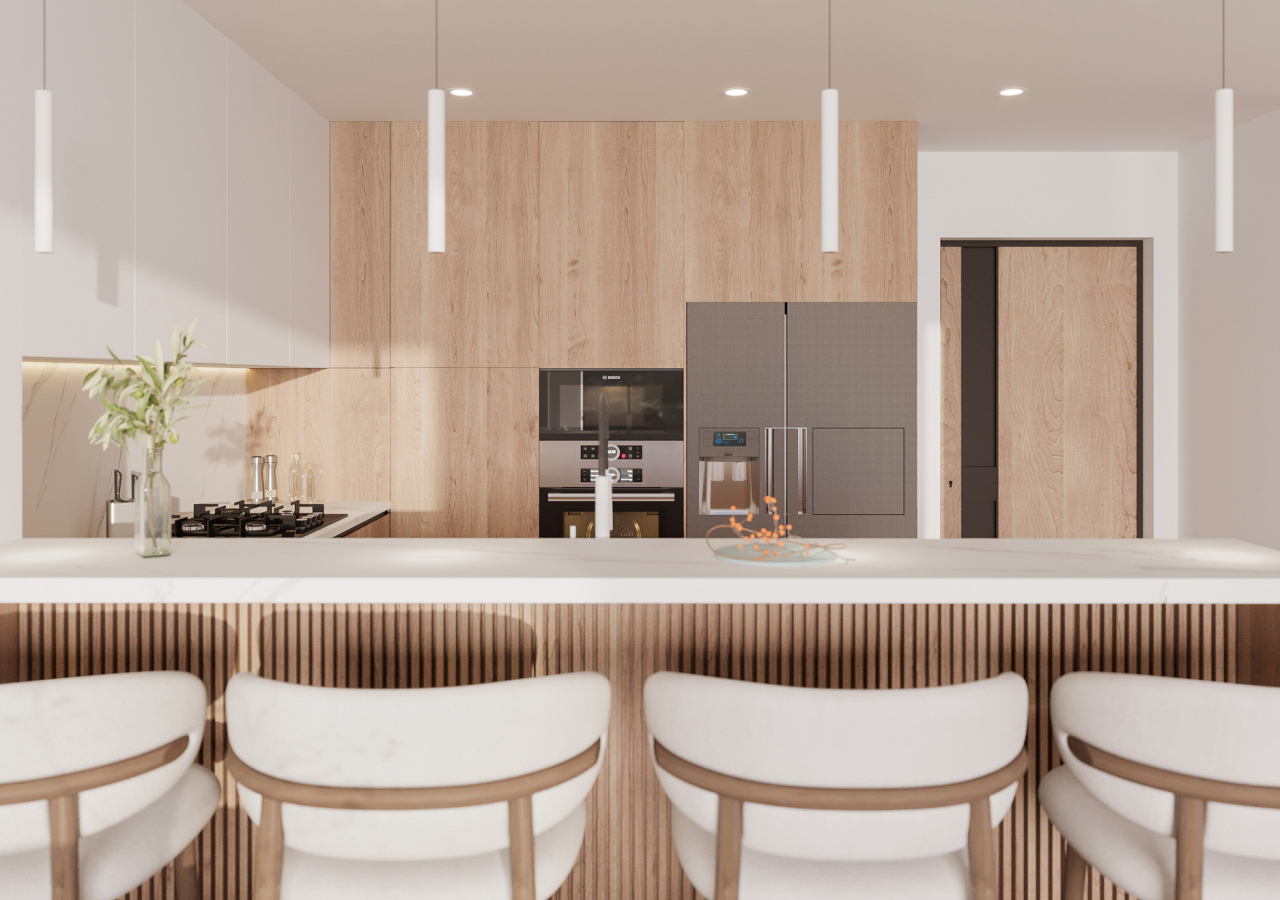
A light neutral palette makes the room feel bigger, brighter, and easier to read. It also gives you flexibility to add warmth through texture rather than loud color. Use off-whites, warm grays, and soft taupes, then repeat one wood tone so the palette feels intentional and lived-in.
14. Single Accent Color Minimalist Kitchen
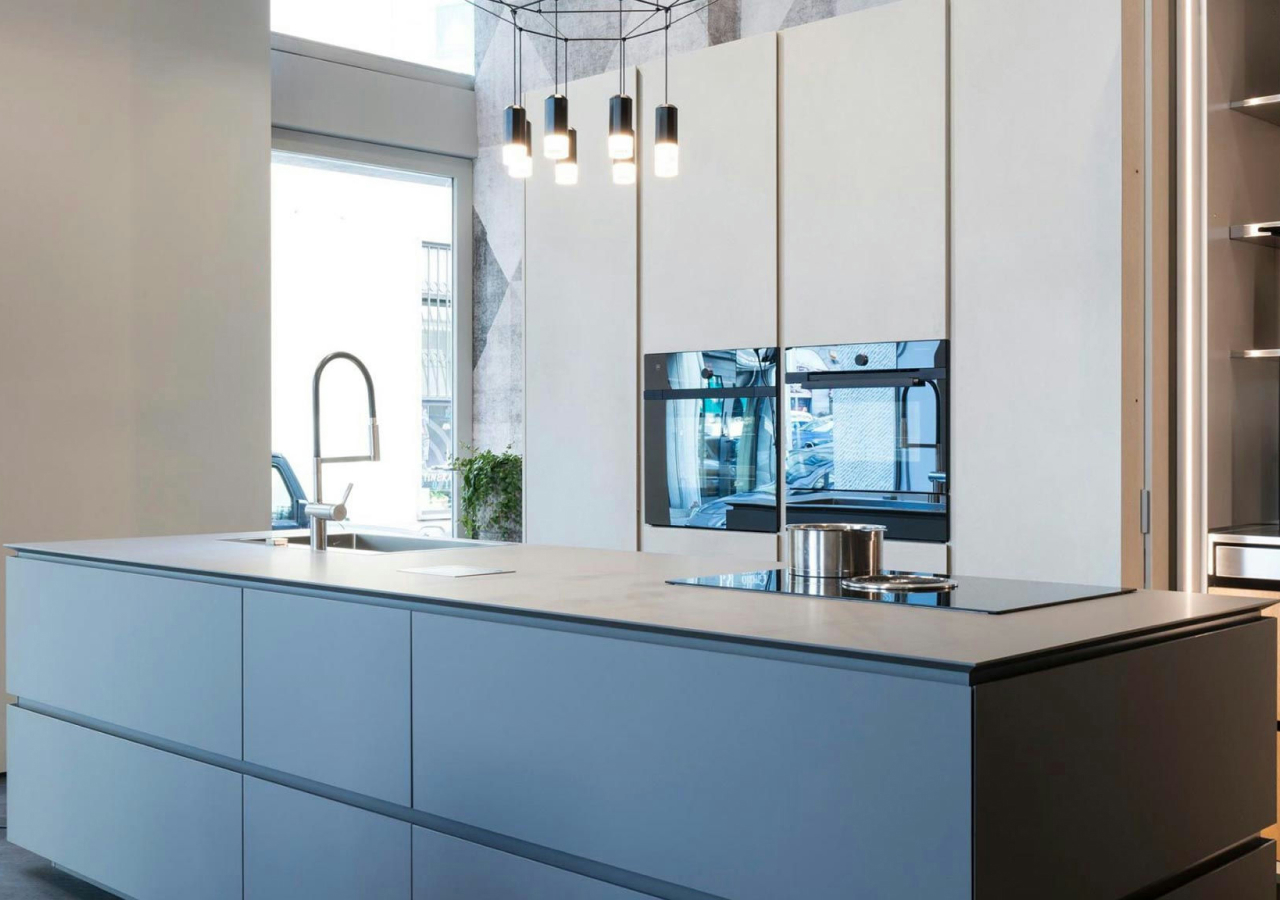
A single accent color adds personality without disrupting the calm. The benefit is focus: one controlled color note reads as design rather than clutter. Apply it in one zone—an island, a tall wall, or a niche, and repeat it subtly once more so it feels integrated.
15. Matte Mlack Minimalist Accents

Matte black accents add contrast and definition, especially in light kitchens. They make the design feel crisp without adding visual noise because the finish stays quiet. Keep black limited to a few repeatable elements—faucet, lighting, or slim frames—so it reads as a deliberate outline rather than scattered bits.
16. Scandinavian Light Wood Finishes
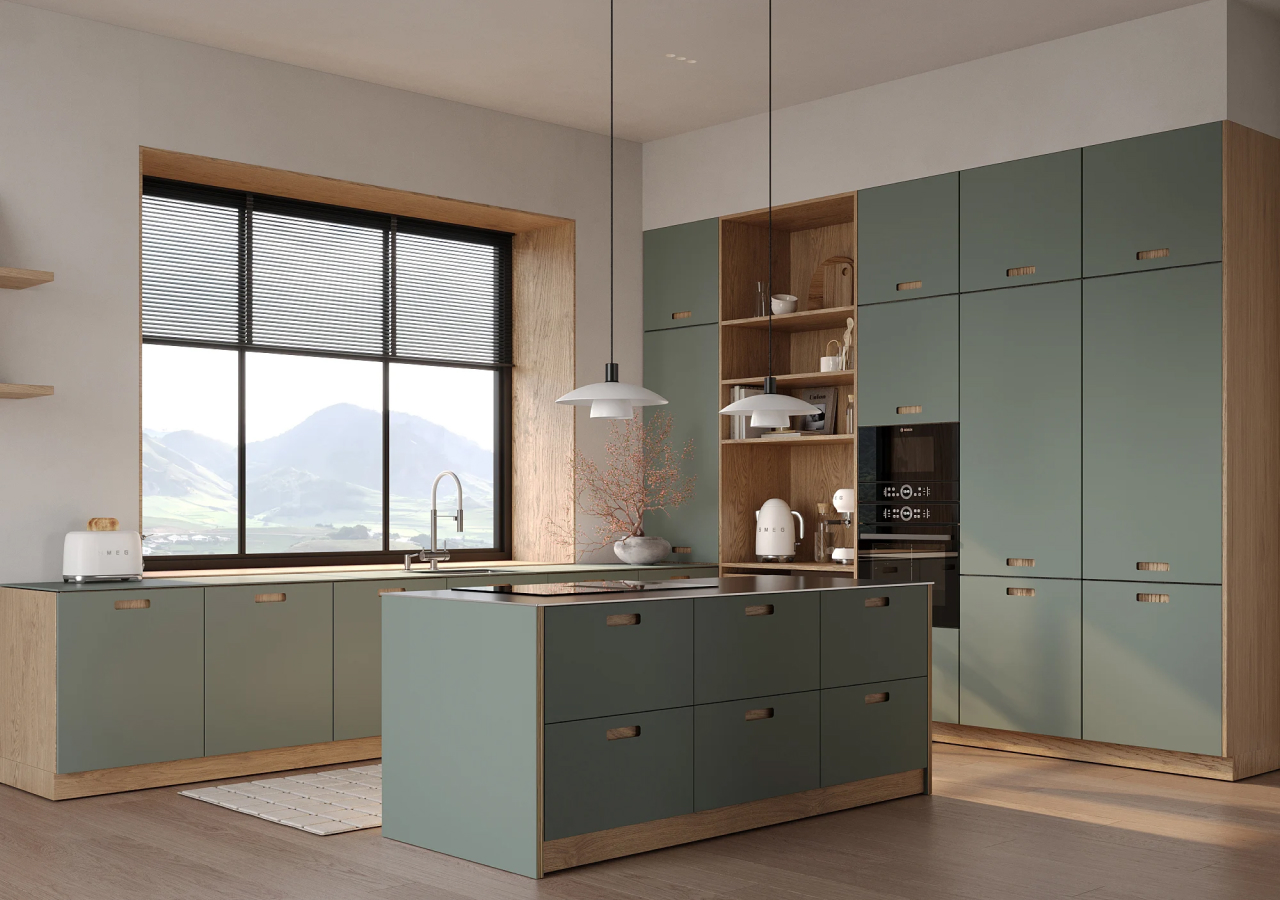
Light wood adds warmth and softness, which helps minimalism feel inviting. The grain becomes a gentle “pattern” that replaces decorative clutter. Use wood on the main cabinet faces or the island, pair it with calm neutrals, and keep the sheen matte so the texture reads modern and grounded.
17. Matte Finish Minimalist Surfaces
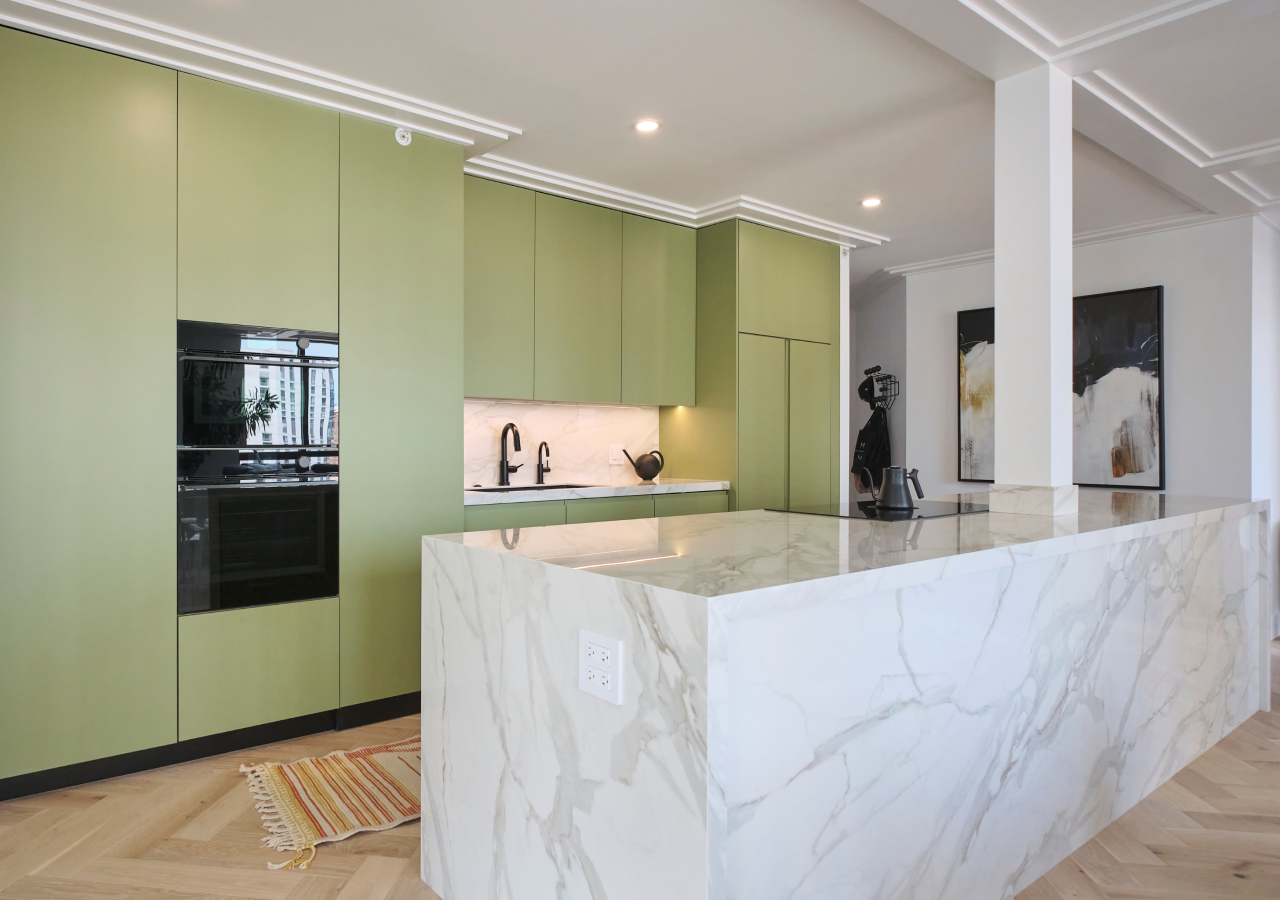
Matte surfaces reduce glare and keep the kitchen looking steady in different lighting. They also handle everyday fingerprints more gracefully than high-gloss finishes. Choose matte cabinetry and pair it with a countertop and backsplash that have controlled movement so the space feels clean and cohesive.
18. Texture-Forward Minimalist Material Mix
.webp)
Warm minimalism relies on texture instead of decoration. The benefit is depth: the kitchen feels layered without looking busy. Keep the mix tight (wood + matte cabinetry + quiet stone), and repeat materials across multiple elements (island, shelves, backsplash) so the room reads as a coherent system.
19. Simple Statement Backsplash Tile Pattern
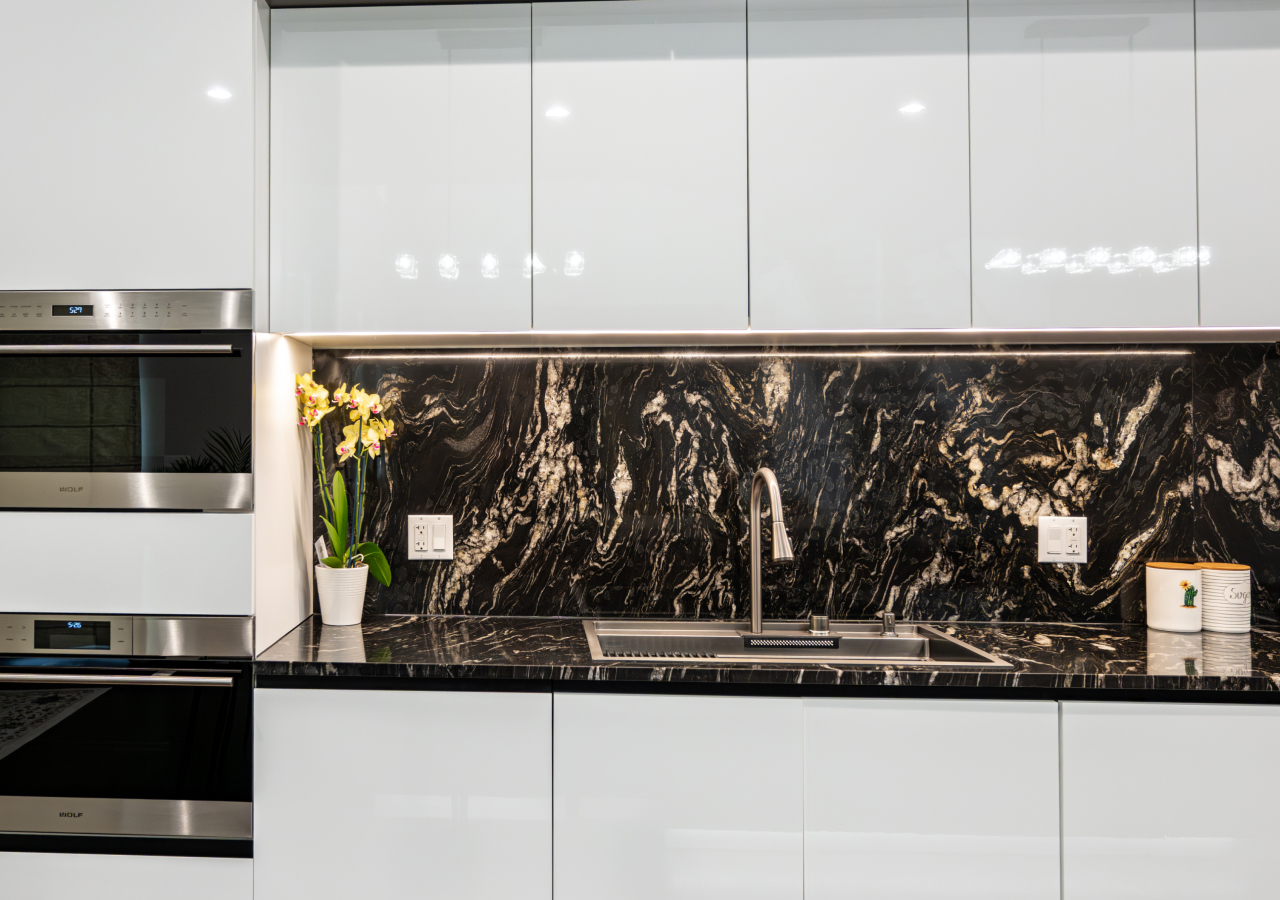
A restrained backsplash pattern adds interest while keeping the overall composition calm. It helps a minimalist kitchen feel finished without leaning on decor. Use simple layouts (stack, vertical, or a clean grid), keep grout lines crisp, and choose tones that sit close to the countertop and cabinet palette.
20. Scandi-Inspired Accent Tile

A feature zone works best when it’s local and purposeful: behind the cooktop, around a niche, or at a coffee station. The benefit is a clear focal point that doesn’t spread across the whole kitchen. Keep the tile color muted, repeat one tone elsewhere, and let the rest of the kitchen stay quiet so the feature feels intentional.
21. Subtle Architectural Texture Wall Treatments
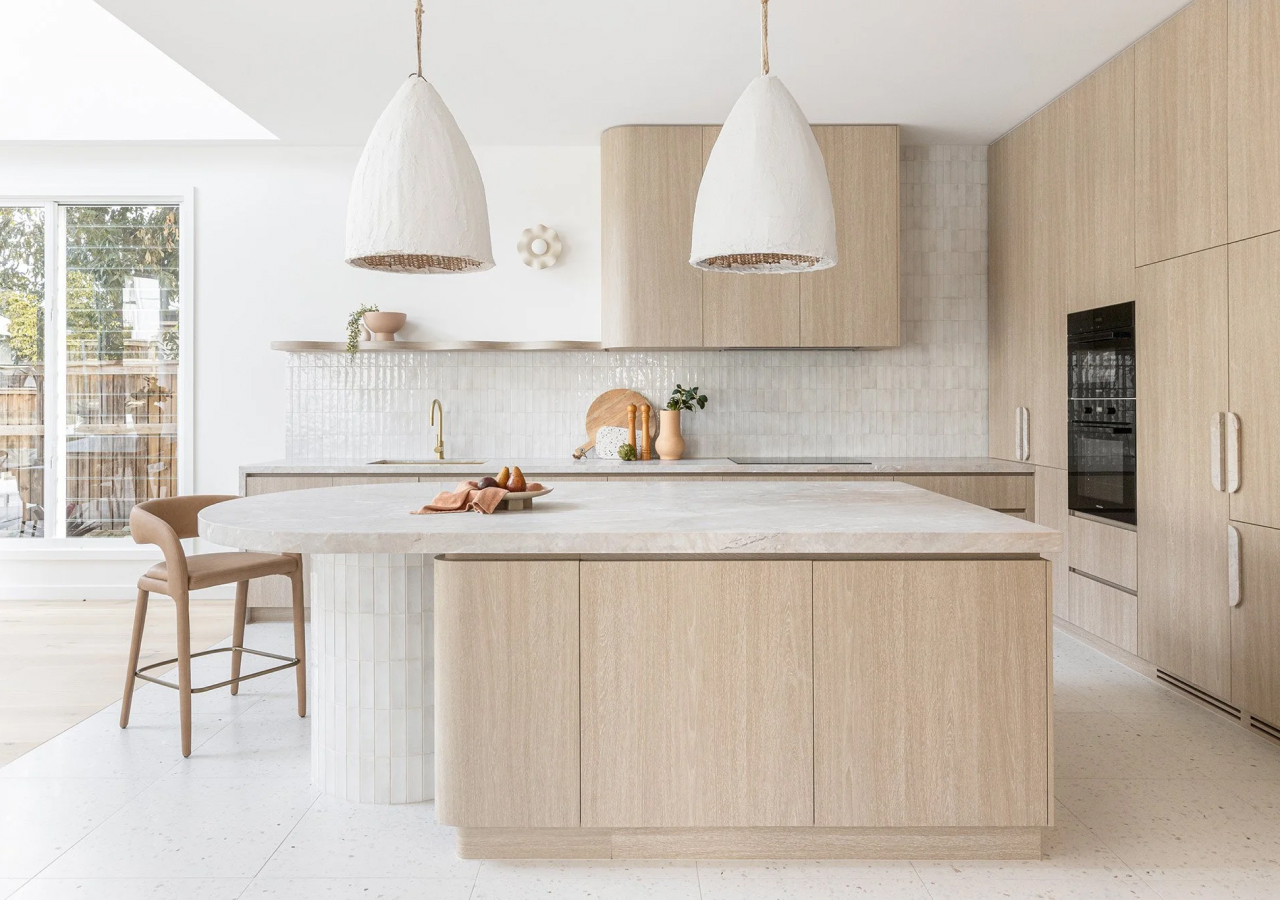
Subtle texture (microcement, plaster-like finishes, or quiet paneling) adds warmth without adding objects. It supports minimalist kitchen ideas because it creates depth while keeping surfaces uncluttered. Use texture on a single wall or in a niche, stay in the same tonal family as the cabinetry, and keep lighting soft so shadows do the work.
22. Fluted Detail Minimalist Island Design
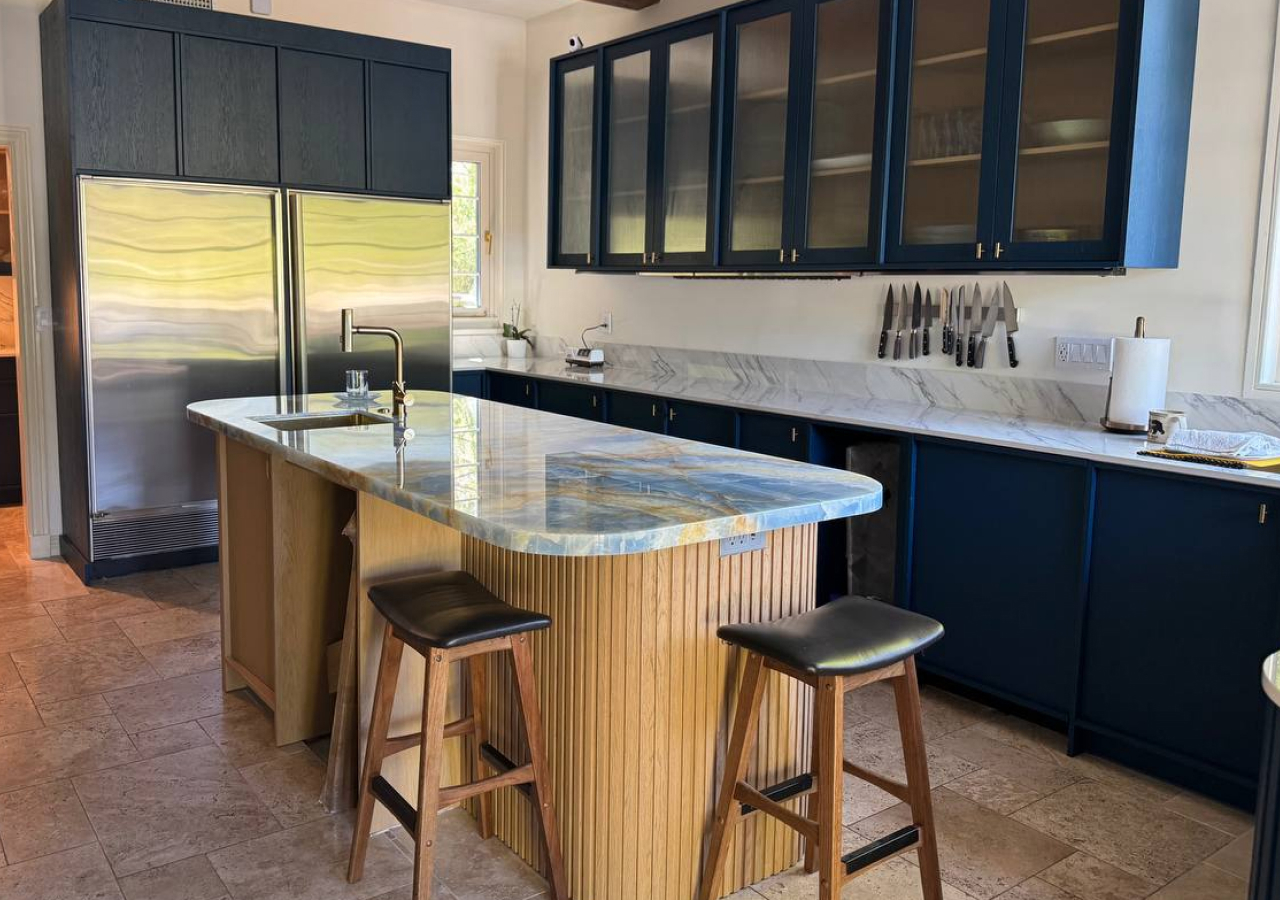
Fluting introduces rhythm and craft without turning the kitchen into a “decor project.” The benefit is warmth through shadow and texture—especially on an island, where you want a strong, friendly focal point. Use fluting on one element only (usually the island), keep the color calm, and pair it with simple slab doors elsewhere so the kitchen stays balanced.
Matte vs Glossy (quick comparison)
| Finish | Why it works | Where it backfires |
|---|---|---|
| Matte | Low glare, steadier look, hides smudges better | Needs consistent cleaning on very light tones |
| Glossy | Reflects light, can feel sleek | Reflections add visual noise; shows fingerprints |
Light, Decor, and Tech Ideas
Lighting is the difference between “minimal” and “cold.” The goal is even ambient light, strong task lighting where you work, and one anchored fixture that gives the room a human center at night.
23. Natural Light-First Minimalist Kitchen Design
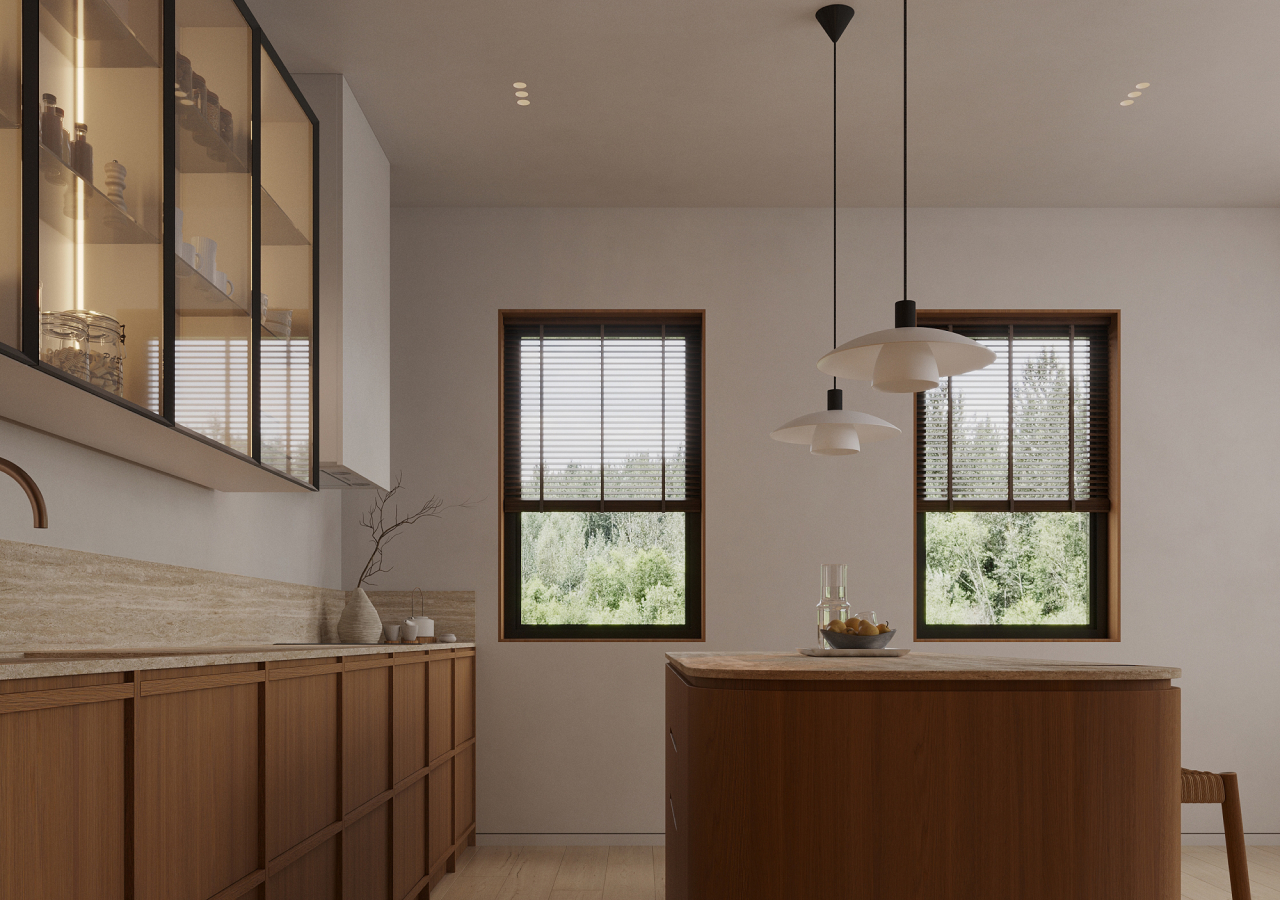
Natural light amplifies the calm of minimalist kitchens because it reveals materials and keeps shadows soft. It also makes light palettes feel warm rather than stark. Keep window treatments minimal, avoid blocking glazing with tall units when possible, and use reflective-but-matte surfaces to bounce light gently.
24. Skylight-Enhanced Bright Minimalist Kitchen
.webp)
A skylight creates a clean, even wash of daylight that makes the whole room feel airy. It’s especially powerful in deeper plans where wall windows can’t reach the center. Pair it with matte finishes and controlled material contrast so the light highlights texture instead of clutter.
25. Layered Minimalist Kitchen Lighting Plan
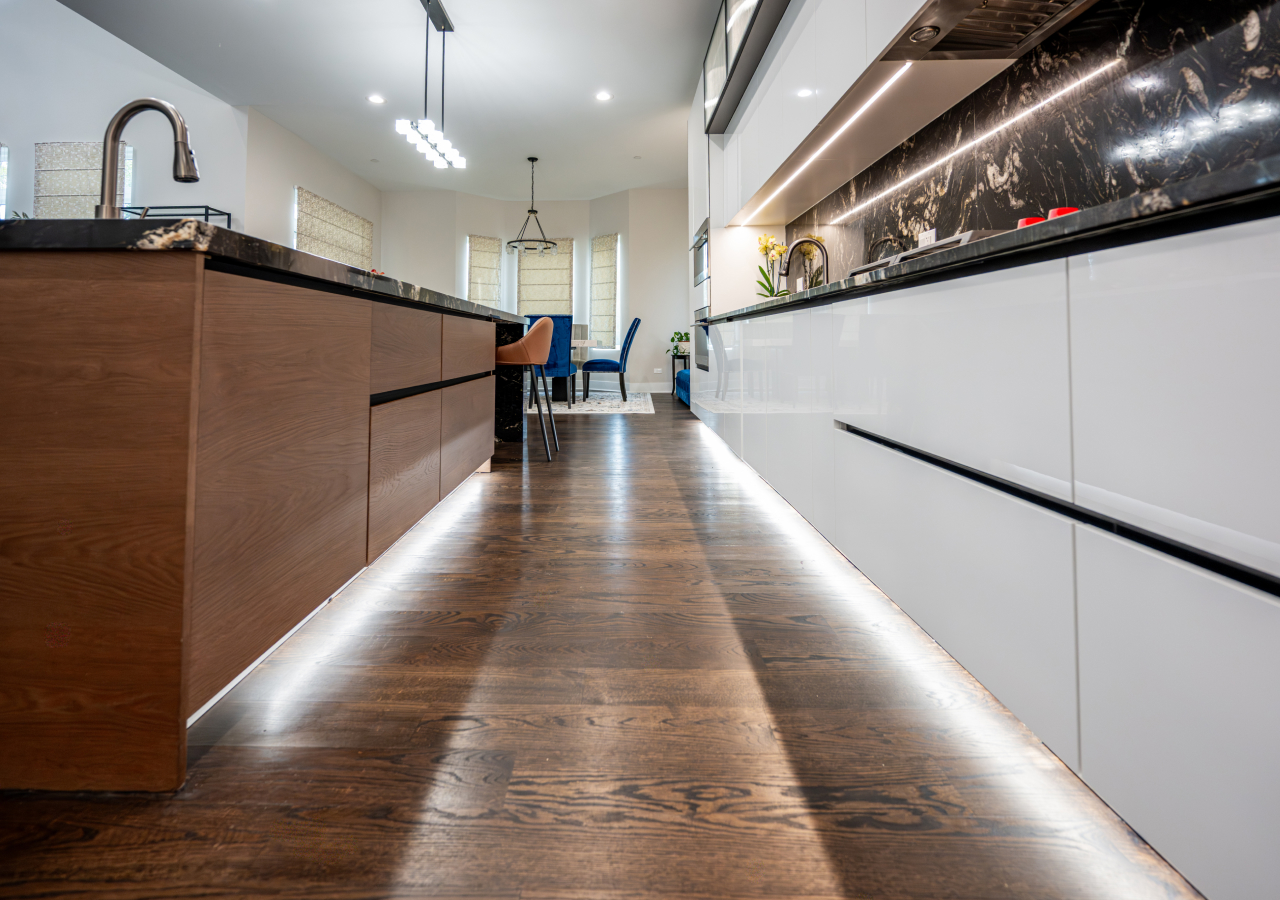
Layered lighting keeps a minimalist kitchen functional at night while maintaining a calm mood. The benefit is control: you can light the whole room or just the work zones without harsh glare. Combine ambient ceiling light, task lighting under cabinets, and a simple feature pendant over the island or table to anchor the plan.
HowTo: Setting up a minimalist kitchen (fast, practical)
This is the simplest way to start setting up a minimalist kitchen without redesigning the whole room. It’s built to create a “resets fast” system.
- Choose one protected counter. Pick the surface you want to keep clear most days (usually the main prep run).
- List the 10 items that land there. Oils, knife block, blender, mail—whatever keeps showing up.
- Assign each item a home within 1–2 steps. If it’s used daily, it belongs in a drawer or pull-out near where you use it.
- Add a prep drawer stack. Boards, wraps, bowls, spices—one vertical “prep brain” under the prep counter.
- Put waste + recycle near prep. Pull-out bins stop scraps and packaging from sitting on the counter.
- Contain small appliances. Choose one: appliance garage, coffee station, or a dedicated “cord drawer.”
- Create one display zone (optional). If you love open shelves, limit them to one short run with curated items only.
- Reduce duplicates monthly. If you didn’t use it in 30 days, it doesn’t deserve prime space.
Budget Minimalist Kitchen Upgrades (impact vs cost)
| Upgrade | Cost level | Effort | Impact on “visual calm” |
|---|---|---|---|
| Drawer inserts for prep tools | Low | Easy | High (stops countertop scatter) |
| Pull-out waste/recycle near prep | Medium | Medium | Very high (removes staging) |
| Under-shelf or under-cabinet task lighting | Low–Medium | Easy–Medium | High (warmer nights, better function) |
| Matte hardware refresh (or unify hardware) | Low | Easy | Medium (reduces visual mismatch) |
| Create a closed coffee/appliance zone | Medium | Medium | High (cord control) |
| Paint + unify palette (warm neutrals) | Low–Medium | Medium | Medium–High (cohesion) |
What to Have in a Minimalist Kitchen
If you’re wondering what to have in a minimalist kitchen, or what’s in a minimalist kitchen, think in categories: cookware you actually use, a small set of prep tools, and storage that keeps counters free.
Minimalist Kitchen List: Daily Dssentials
Use this as a minimalist kitchen list you can actually follow.
| Category | Minimalist kitchen items to keep | Notes |
|---|---|---|
| Cookware | Minimalist kitchen pots and pans: 1–2 saucepans, 1 skillet, 1 stock pot | Choose sizes that match your habits |
| Knives | Chef’s knife, small knife, serrated | Store in a drawer insert, not on the counter |
| Prep | 2 cutting boards, mixing bowl set, measuring set | One “prep drawer” keeps it contained |
| Bake | 1 sheet pan, 1 roasting/casserole dish | Store vertically if possible |
| Tools | Tongs, spatula, ladle, peeler, microplane | Keep only the workhorses |
| Small appliances | 0–2 max (kettle + blender, for example) | This is where very simple kitchens win |
| Pantry core | Salt, oil, vinegar, 8–12 core spices | Everything else lives in the pantry zone |
| Food storage | 1 matching container set | Matching shapes stack better, fewer lids chaos |
Note: If you want very simple minimalist kitchen design ideas, start by cutting duplicates and containing cords. The “minimal” look follows.
Conclusion
The best minimalist kitchen ideas create a space that feels quieter because it functions better. Strong storage protects your counters, a clear layout protects your flow, and a restrained palette lets texture and light bring warmth. Whether you’re planning a minimalist kitchen remodel or looking for minimalist kitchen facelift ideas on a budget, start with the moves that change daily life: drawer-first storage, a composed appliance wall, a real waste zone near prep, calm matte-forward surfaces, and lighting that supports real cooking.
FAQ: Minimalist Kitchen Ideas


