
.webp)
European kitchen design isn’t just a modern and elegant interior. For many American homeowners and designers, it signals a specific way of building a kitchen: frameless construction, clean full-overlay lines, integrated appliances, and storage that feels engineered rather than improvised. If you’ve been hearing names like Bulthaup, Poggenpohl, SieMatic, or Boffi and feeling a bit lost, you’re not alone.
European kitchen brands usually mean a frameless, full-overlay cabinet system planned as one integrated elevation, with consistent reveals and panel-ready appliance integration. In the US, the biggest variables are the dealer model, lead time (often ~4–6 months), and replacement risk if anything arrives wrong or damaged. This guide breaks down the top brands by tier, what buying them in the US actually looks like, and practical US paths to the same European-style result with simpler accountability.
What “European Kitchen” Actually Means
When people say “European kitchen,” they usually mean a frameless, system-based cabinet build with full-overlay fronts, consistent reveals, and appliance integration planned from the start. The calm look comes from repeatable geometry (lines, alignments, panel breaks), not decoration. In US remodels, this matters because tolerances are tighter and planning has to be locked earlier.
| Path | Best when | Main trade-off | Biggest US risk |
|---|---|---|---|
| Imported European brand | You want a specific brand system/design language | Dealer layers + slower changes | Replacements can reset timeline |
| Design-led custom frameless | You want the European result tailored to US realities | Maker quality varies | Process discipline (appliances, drawings, tolerances) |
| Modular + upgraded fronts | Layout is simple + budget is tight | Limited true customization | Integration limits + filler/tolerance constraints |
.webp)
The system behind the clean look
When people say “European kitchen,” they often mean the minimalist aesthetic: flat fronts, calm colors, and little visible decoration, but the reason it feels calm is structural. European kitchens are usually designed as a system, not as a collection of cabinets. The construction is typically frameless, doors are full overlay, reveals are consistent, and the kitchen is planned as one composed elevation with appliances and storage integrated from the start. This is why European kitchen design tends to feel “architectural”: it’s controlled in the details, and the storage strategy is built into the plan rather than added later.
Germany vs Italy: two traditions, same DNA
Within Europe, two broad traditions shape how brands feel. German manufacturers are generally associated with system engineering: modular logic, strict geometry, repeatable detailing, and an emphasis on long-term durability. Italian manufacturers often lean more into design language and materials: expressive forms, stone and metal experimentation, and a stronger focus on how the kitchen reads as an object in the room. Both share the same core DNA (frameless construction and integrated systems), but they express it differently.

Why this matters in US remodels
For US remodelers, this matters because the system demands a different level of planning discipline. Frameless tolerances are less forgiving, appliance integration needs to be locked early, and “close enough” site conditions show up quickly in modern elevations. It also clarifies what you’re paying for with European kitchen cabinet manufacturers: not only finishes, but the engineering and coherence of the whole system.
Top European Kitchen Brands: Landscape and Benchmark Shortlist
European brands cluster into tiers. The icon tier tends to be system-defining, brand-signature, and dealer-dependent; the premium tier can still be highly engineered but typically with fewer exotic options and a more approachable total budget. In the US, tier affects not just price, but how painful late changes and replacements become.
%20(1).webp)
Tiers: why “top brands” aren’t all the same
There are many European kitchen brands, but they cluster into tiers. At the top are the icon brands—global benchmarks designers reference because they’ve shaped the modern kitchen as an architectural element.
Below that is a premium tier that’s still serious in engineering and quality, often with fewer exotic options and a more approachable overall budget. In the US, tier matters because it affects not only price, but also how dependent your project will be on the dealer network and how painful late changes become.
Icon tier: the benchmark names designers reference
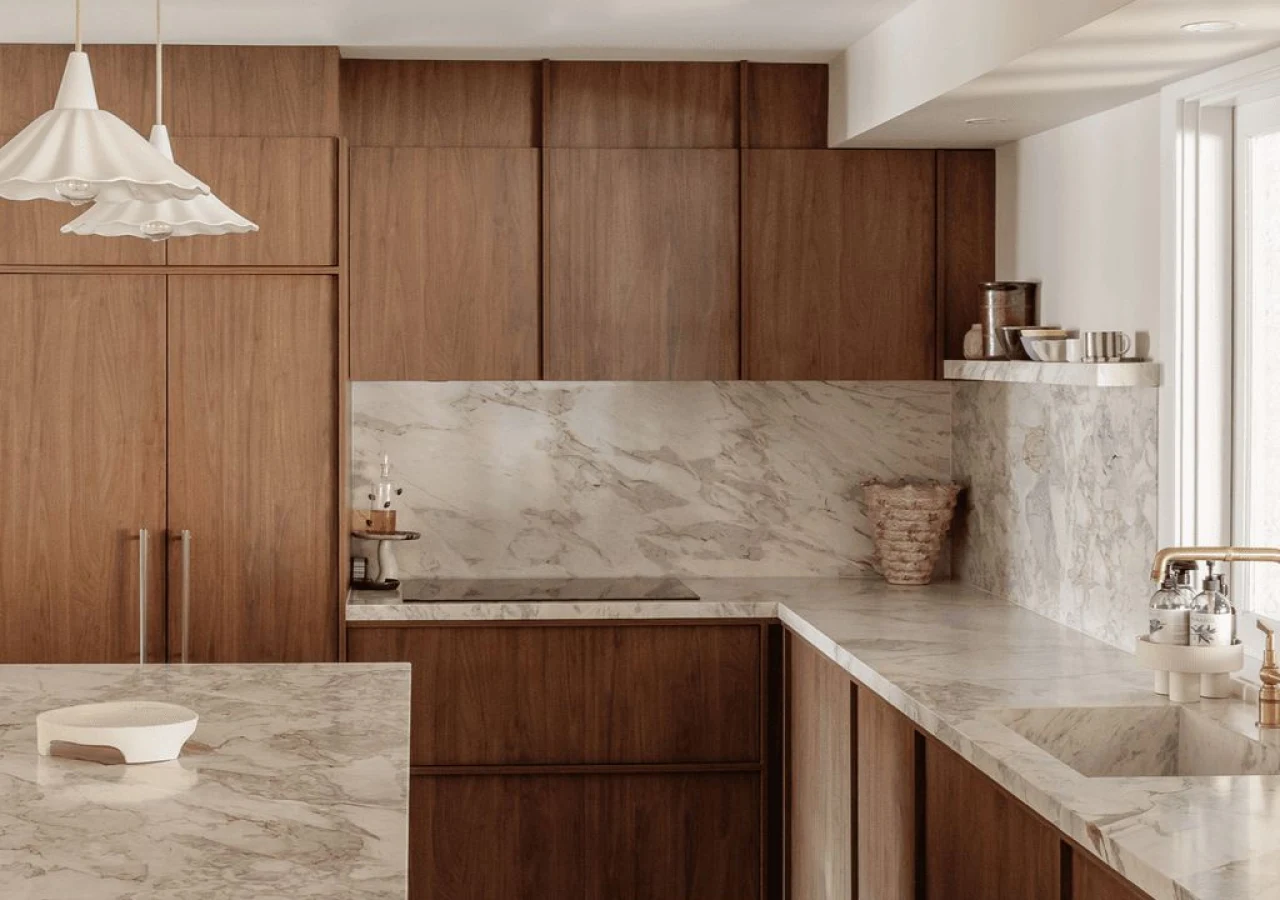
Among the benchmark names, Bulthaup is often treated as the definition of architectural minimalism: restrained, rigorous, and system-first. Poggenpohl carries a deep heritage and a recognizable contemporary identity, while SieMatic is frequently chosen for a premium European-modern result that can flex across multiple stylistic directions.
On the Italian side, Boffi and Arclinea are known for strong design language and material expression, with kitchens that are often composed more like interior architecture than standard millwork. Valcucine is widely associated with innovation and a distinctive design philosophy, and Snaidero remains a recognizable Italian modern option with broad configurations and a strong visual identity.
Premium but more attainable: strong systems without the flagship overhead
A few other brands often land in the “premium but more attainable” conversation, depending on the market and specification. Eggersmann is commonly seen as clean German engineering with a premium feel. Häcker is frequently referenced as a strong value within German-style system cabinetry. Poliform (Varenna) brings an Italian modern approach that connects well with broader interior and furniture language, which can be appealing when the kitchen is part of a whole-home design concept.
This list isn’t meant to be a directory. The useful takeaway is how these brands behave: how consistent the system is, how much design language you’re buying into, and how the US dealer structure affects the experience.
Buying European Kitchen Brands in the US: What to Expect
In the US, European cabinetry is typically sold through a dealer chain (brand → importer/distributor → dealer → installer), which drives quote variation and splits accountability. Typical delivery timing is often framed as ~4–6 months including overseas logistics. The real schedule risk is replacements, which can restart a production-and-shipping cycle if something arrives wrong or damaged.
.webp)
The dealer model and why quotes vary
In the US, most European brands are sold through a layered dealer model: manufacturer, national importer, local dealer, and then the end customer. That structure shapes the final cost because you’re paying not only for cabinetry, but also for design services, showroom overhead, logistics handling, and—sometimes—project management. It also explains why quotes vary so widely. Two dealers can sell the same brand and deliver very different levels of scope clarity, coordination support, and pricing structure.
Lead times and replacement reality
European kitchens are often quoted at roughly four to six months from order to delivery when you include production, overseas shipping, customs, and domestic delivery. The bigger issue is what happens when something arrives damaged or incorrect. Replacement parts typically mean a re-production cycle plus another logistics run, which can reset a schedule more than homeowners expect—especially if the project is already underway.
Installation: The tolerance is tighter than most people expect
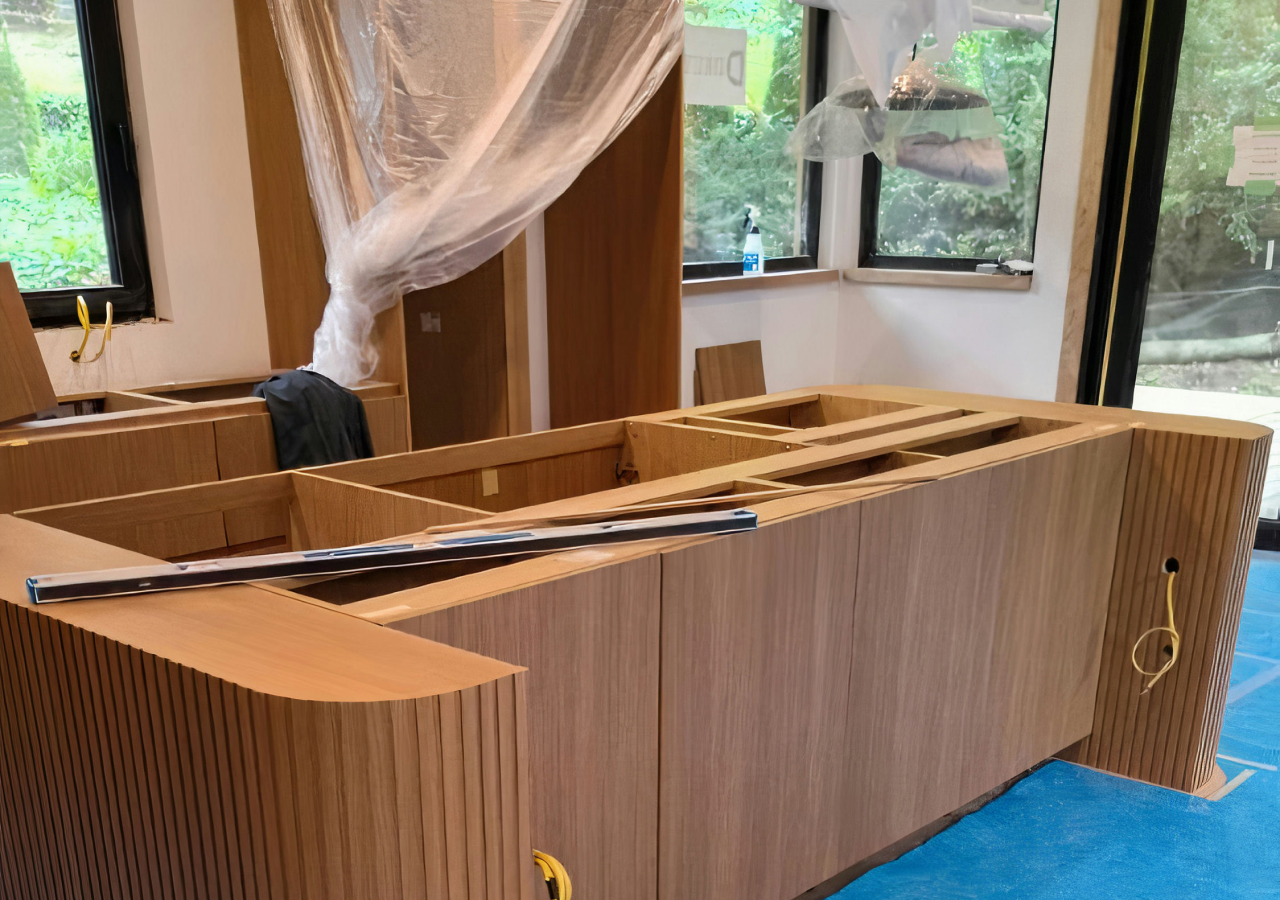
Frameless systems, integrated panels, and tight reveals require an installer who’s comfortable working with small tolerances and understands how modern appliance integration behaves in the field. Room readiness matters more, too. Walls, floors, and ceilings that are “a bit off” can be managed, but only if the kitchen was designed with those realities acknowledged early.
Coordination: where projects actually break down
Coordination is the most sensitive variable. A modern European-style project touches the homeowner, designer, GC, installer, and kitchen supplier. Most problems trace back to unclear responsibility: who owns final measurements, who locks appliance models, how changes are handled once drawings are approved, and who absorbs delays when site conditions diverge from plans.
Choosing Your Path: Brand vs Custom vs Hybrid
Most projects fall into one of three routes: imported European brand, design-led custom frameless, or a hybrid modular path. The best fit depends on how custom your room conditions are, how tight the tolerances need to be, and how much you want a single team owning coordination. The trade-off is usually brand system vs adaptability vs budget predictability.
When the European brand route makes sense
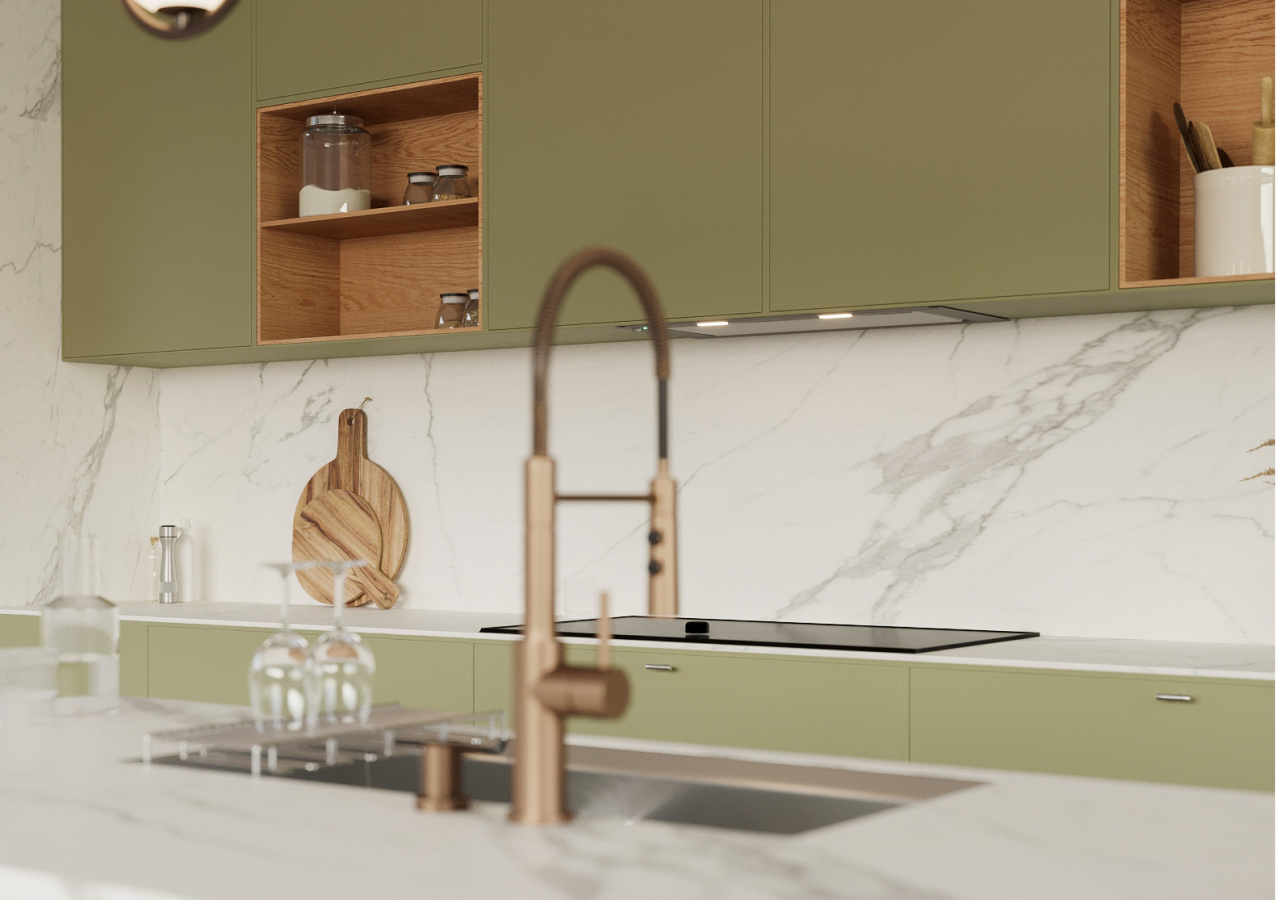
A European brand tends to make sense when the brand’s design language is part of the goal, and the showroom/dealer experience matters to you. It also assumes you’re comfortable working within the manufacturer’s system and living with longer timelines, higher budgets, and the real possibility that late-stage changes become expensive and slow.
When a design-led, custom frameless approach is the better fit
A design-led, custom frameless kitchen made in the US can make more sense when you care primarily about the European result, but want better adaptation to American homes, ceiling heights, and appliance standards. For many projects, the biggest gain is accountability: fewer middlemen, tighter feedback loops, and clearer ownership of the details that typically derail schedules.
.webp)
When modular plus upgraded fronts are enough
A hybrid route—modular boxes with upgraded fronts—can be a smart choice for simpler layouts and tighter budgets. It can look excellent when it’s specified with restraint and when you don’t push it into heavy customization or complex integration. The trade-off is flexibility and depth: it’s less forgiving when you need truly tailored dimensions or a very tight architectural fit.
Top Alternatives in the USA (Ways to Get a European Result)
You can get a European-style result in the US without importing an icon brand. The alternatives differ mainly in system rigor, coordination ownership, and how reliably they handle tight tolerances and appliance integration. The right choice depends less on the “look” and more on how the provider behaves in real installs.
Premium US modern: closest to “kitchen as a system.”
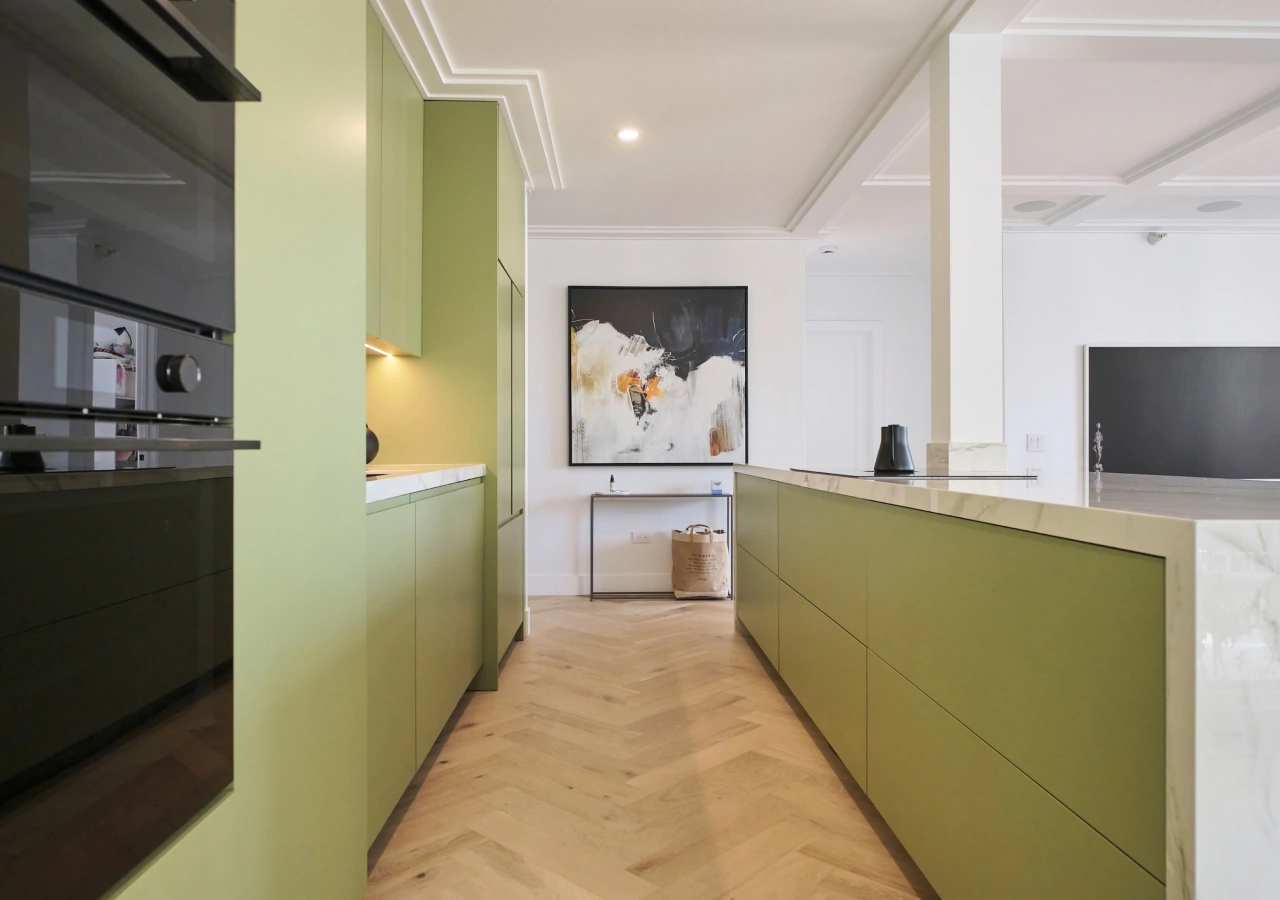
You don’t have to import a top European brand to get a frameless, modern “kitchen-as-a-system” result. In the premium modern category, companies like Henrybuilt, Space Theory, and Boxco tend to deliver the closest US parallel: design-led process, modular logic, and an architectural approach to storage and elevations.
Bespoke workshops: great outcome, but the experience varies
If your home is unusual or highly tailored, a bespoke cabinet shop can be the right move. The main watch-out is not craftsmanship—it’s whether the shop has real experience delivering modern frameless detailing and appliance integration at tight tolerances. Plenty of shops can build beautiful work, but not all build this specific type of system well.
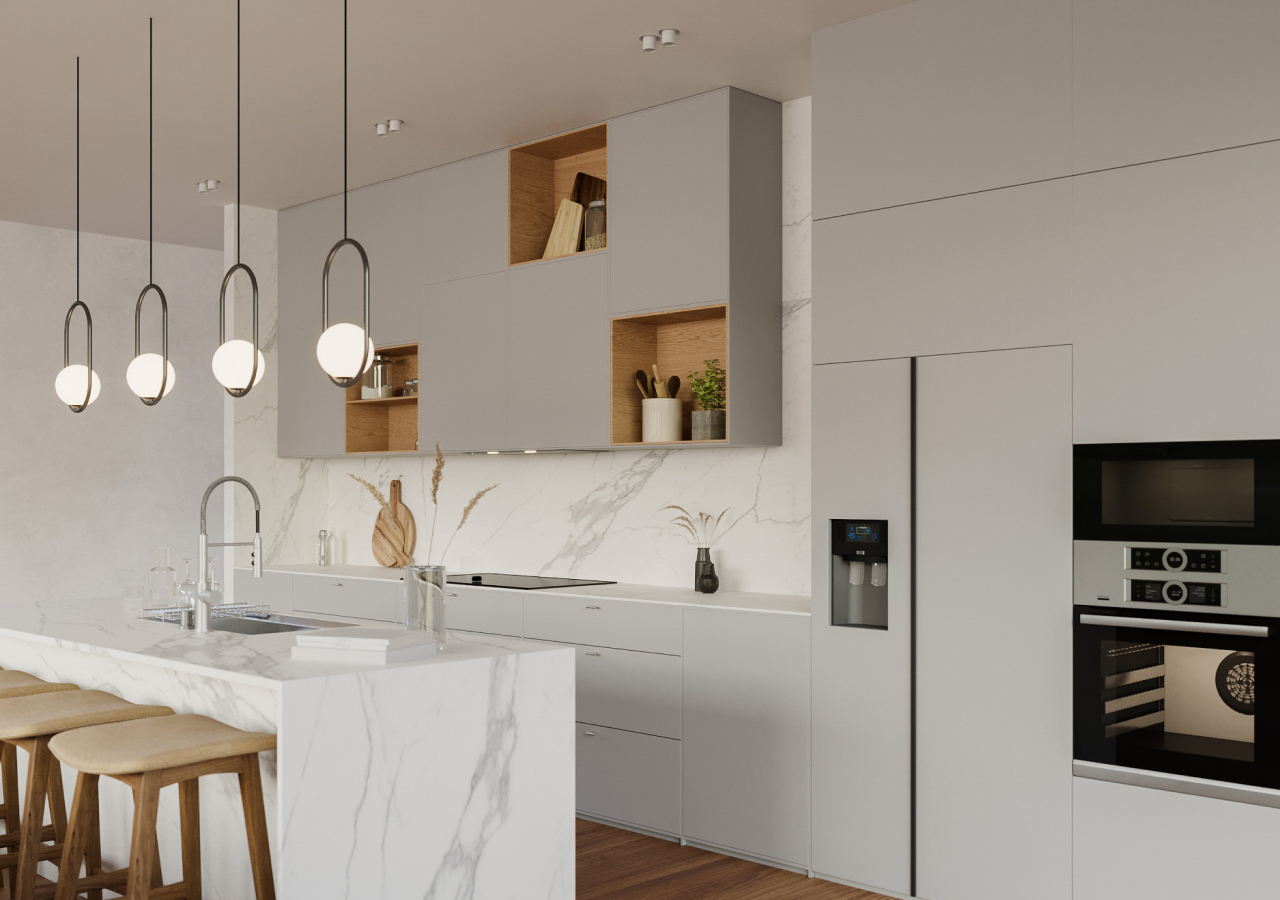
Mainstream brands: can look modern, but behave differently
Mainstream American cabinet brands can be specified to look cleaner and more modern, especially with careful door styles and finish choices. The limitation is that many of these systems are traditionally face-frame at their core, so even when the exterior looks modern, the “system behavior” may not match a true European frameless approach.
Modular + upgraded fronts: predictable and clean for simpler plans
The modular + upgraded-front path (Ikea with custom fronts, or brands in that category) remains popular because it’s predictable and relatively straightforward. When the layout is simple and expectations are set correctly, it can be an efficient way to get a modern look without the complexity of full custom.
Corner Renovation: A Design-Led Custom Alternative to European Kitchen Brands
Corner Renovation aims to deliver the European outcome (frameless system logic, composed elevations, integrated storage) while adapting to US site conditions and appliance standards. The biggest practical difference is accountability: fewer layers and clearer ownership of measurements, drawings, and integration details. This can reduce the schedule risk tied to replacements and coordination gaps.
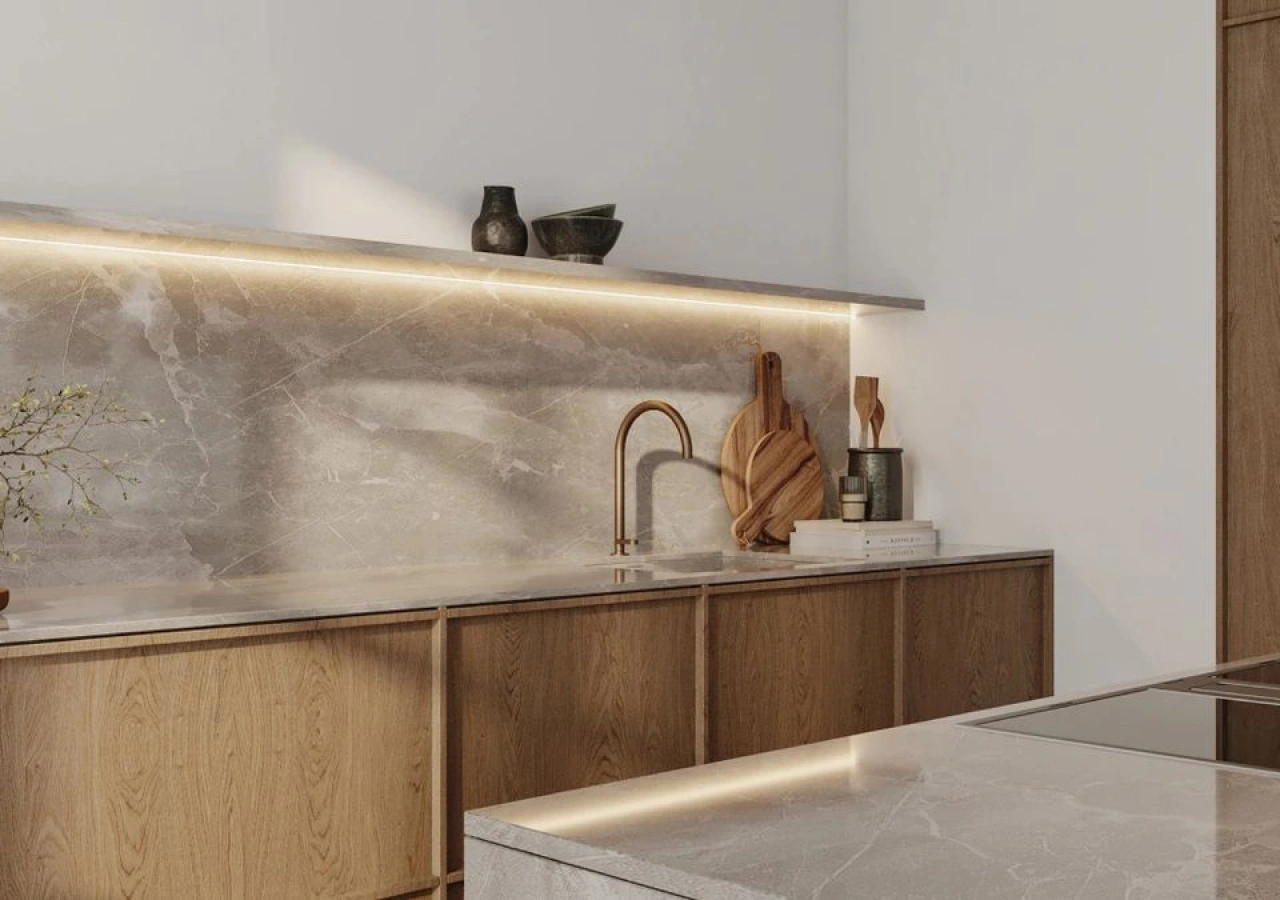
The European result, adapted to US realities
Corner Renovation delivers frameless, European-style kitchen systems with a modern, understated design language rooted in Scandinavian and Japandi principles. The aim is the outcome shoppers usually want from European brands: composed elevations, integrated storage, tall cabinet systems, and hardware that supports daily use.
Where Corner can be especially strong
American homes often come with real-world constraints—ceiling heights, uneven walls, appliance standards, and remodel conditions that don’t behave like ideal showroom rooms. A design-led custom approach can adapt to those realities while keeping the European visual discipline intact. Working directly with the design and production team also reduces the friction that can happen in multi-layer dealer structures, and it tends to make scope, drawings, and specifications clearer earlier in the project.
Who it’s best for
Corner is a good fit for design-forward remodels that want the European look with a custom-level fit and a managed, transparent process. It’s not the right fit for ultra-low-budget projects or for buyers whose top priority is a specific legacy logo, regardless of process and timelines.
How to Plan a European-Style Kitchen in the US (7 steps)
- Confirm your appliance list. Collect model numbers and decide which appliances need to be panel-ready.
- Decide the integration level. Choose full panels vs partial integration so the elevations stay consistent.
- Establish reveal and alignment rules. Define which lines must match across runs (tops, bases, tall units, appliances).
- Measure and document site realities. Note out-of-level floors, out-of-plumb walls, and any constraints that affect fit.
- Build a tolerance plan. Plan fillers, scribe panels, and end conditions so the installation can land cleanly.
- Approve final drawings with control. Use a one-change policy and a single owner for approvals to prevent drift.
- Prep the room before delivery. Finish floors and walls and confirm rough-ins so cabinets install without surprises.
Conclusion
European kitchen furniture brands set many of the standards the modern market uses: frameless construction, system thinking, and an architectural approach to storage and composition. But the ideal kitchen is not always the most famous name from Germany or Italy. For US projects, what often matters most is the result: thoughtful planning, precise fit, predictable execution, and clear responsibility across the people involved.
Once you understand how the dealer model affects quotes, why lead times and replacements can reshape schedules, and how important coordination is for frameless installs, you can choose the path that delivers the European outcome without unnecessary risk. See real European-style projects in our portfolio, or talk to a designer about a European-style kitchen for your layout.
FAQ: European Kitchens in the US


