
.webp)
A modern minimalist kitchen should feel easy to reset. You cook, you clean, and the room returns to calm without a big cleanup session, because the design is built around fewer decisions and fewer “parking spots” for clutter. Corner’s minimalist approach follows a clear order: function first, storage second, finishes third, then styling. That sequence keeps the space beautiful and keeps it livable.
This article focuses on the “modern” layer that can either elevate a minimalist kitchen or clutter it fast: integrated appliances, induction, handleless systems, lighting, and everyday tech. The goal stays simple: more capability, less visual noise.
What Is a Modern Minimalist Kitchen?
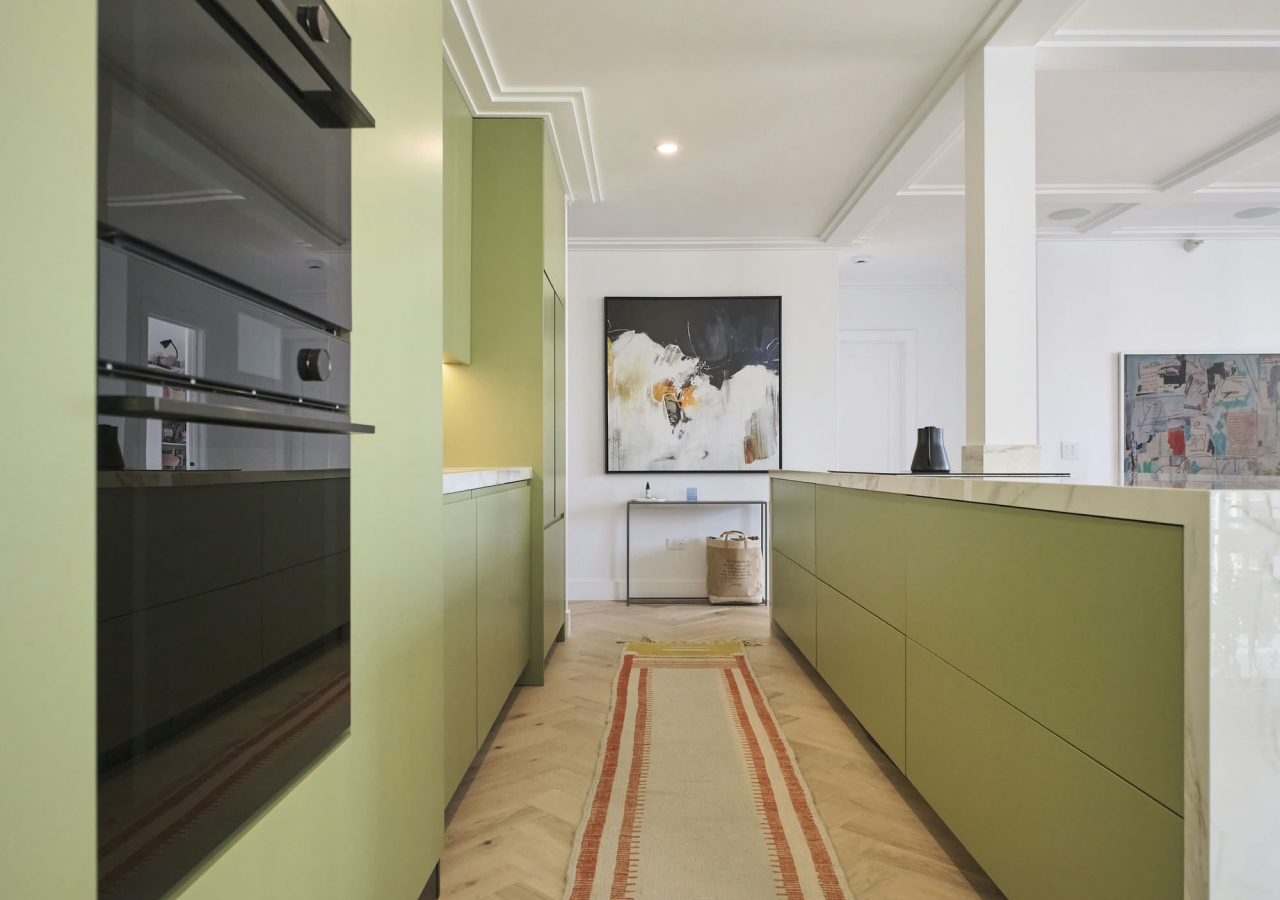
A modern minimalist kitchen is defined by clean visual rules—controlled palette, consistent cabinet lines, edited surfaces—paired with modern integration like panel-ready appliances, quieter ventilation, and concealed everyday clutter. Minimalism reduces visual noise through restraint and storage, while “modern” shows up as technology that improves the routine without adding objects to the room.
The kitchen feels calm because your eye does not have to process dozens of objects, finishes, and competing details. Instead of decoration doing the heavy lifting, the space gets its character from proportion, material quality, and light. When modern minimalism works, the kitchen reads as one composed interior element.
A simple test helps. If you can “count” features across the room in seconds, the design likely feels busy. If the room reads as a calm whole and the features reveal themselves only as you use the kitchen, you are on the right track.
The Three Pillars of a Modern Minimalist Kitchen
.webp)
A modern minimalist kitchen stays balanced when three systems support each other: integrated technology, storage that prevents countertop parking, and consistent design rules (palette, alignment, lighting). If any one of these breaks, especially storage, the room stops feeling calm no matter how “minimal” the finishes are.
Technology matters because modern homeowners want performance: induction, integrated refrigeration, better lighting, and smarter convenience. In minimalist design, technology should reduce friction without advertising itself. You want smoother cooking, faster cleanup, and a more comfortable kitchen, without a room full of visible gadgets.
Storage matters because minimalism collapses the moment the counter becomes a parking lot. A minimalist kitchen stays calm when storage is planned around the exact moments that create mess: prep, cooking, cleaning, unloading the dishwasher, grabbing snacks, making coffee. When each of those moments has a clear home for the related items, countertops clear naturally because “put away” becomes the easiest option.
Calm design moves matter because they create the immediate feeling of order. Consistent cabinet lines, a restrained palette, and layered lighting make the room feel intentional even before you notice the details. The benefit is both aesthetic and practical. A kitchen that looks edited tends to be easier to keep organized because the system feels clear.
How to Add Technology Without Adding Visual Noise
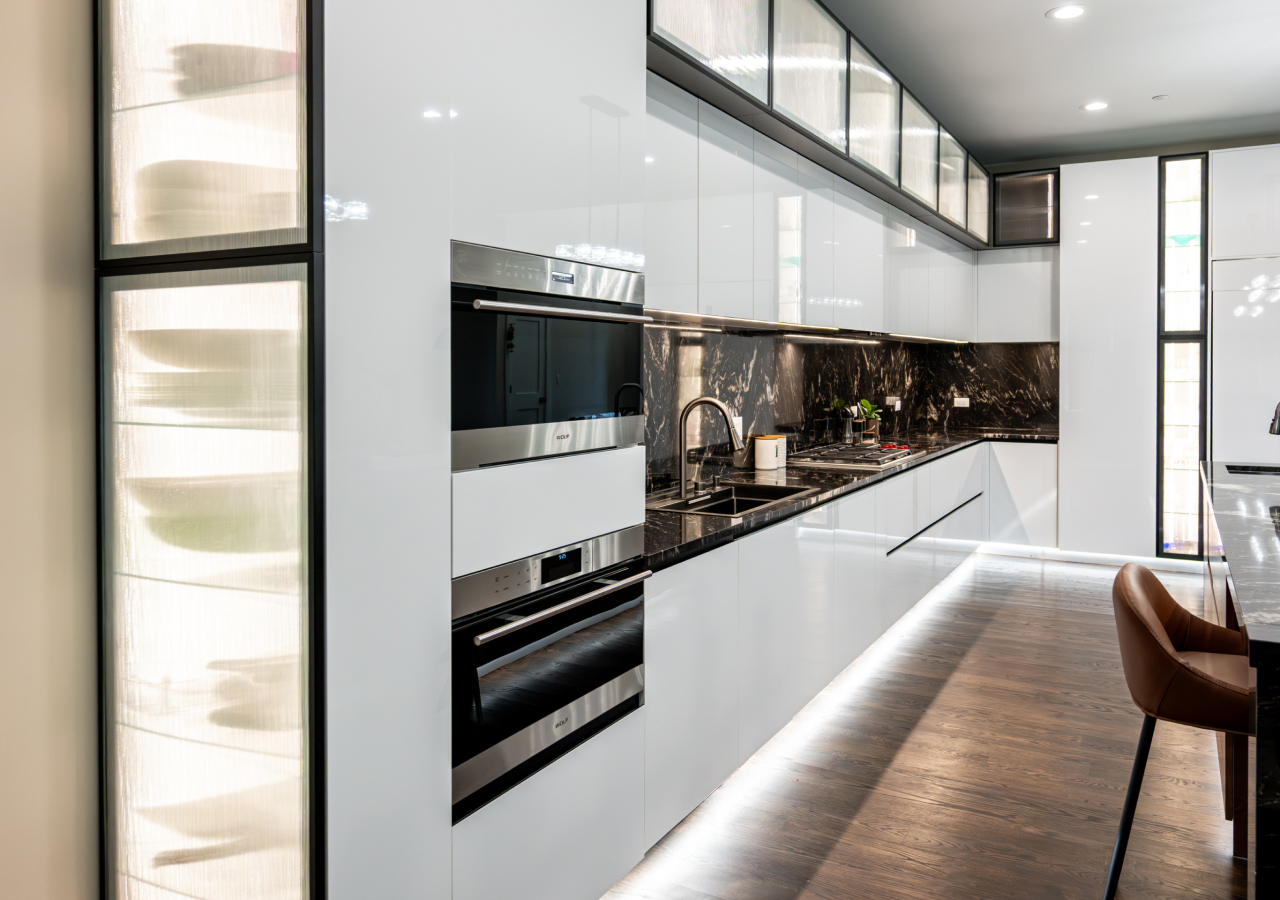
In a modern minimalist kitchen, technology earns its place only when it reduces friction without adding objects. The rule is integration: panel-ready appliances, discreet lighting, concealed charging, and hidden small-appliance zones that keep surfaces calm.
The best approach uses fewer, stronger decisions instead of sprinkling tech across the room. Integrated appliances make the biggest visual difference because they remove interruptions—panel-ready refrigeration and dishwashers help the kitchen read as one continuous cabinet composition rather than a mix of separate objects.
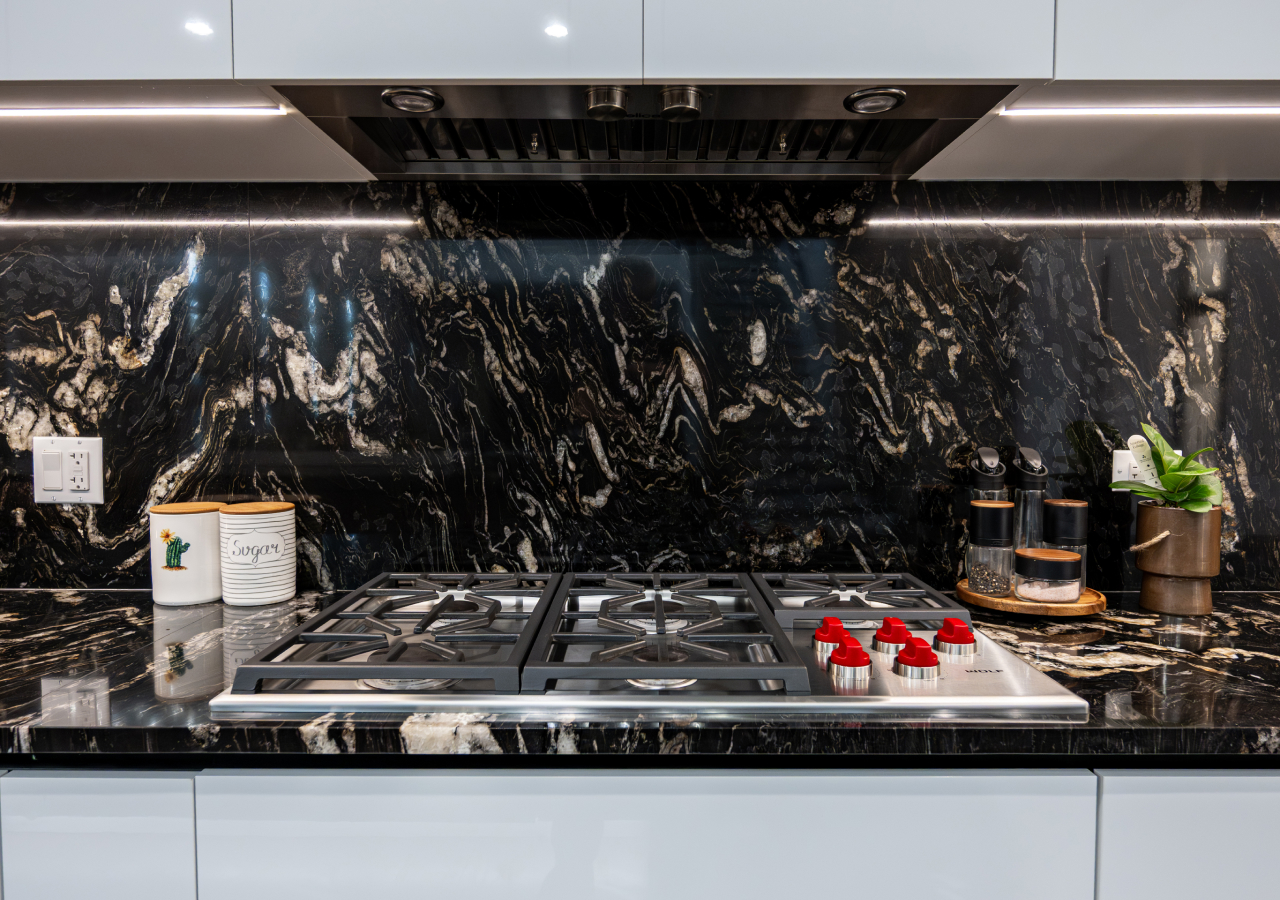
Induction supports modern minimalism for the same reason. The cooktop reads like part of the counter, cleanup tends to be faster, and the cooking zone looks quieter in open-plan homes where the kitchen is always visible. Induction also supports a more flexible countertop story. When the cooktop looks minimal, you can keep the backsplash and shelf moments restrained without the room feeling plain.
Ventilation choices also shape the “modern” look. Many minimalist kitchens aim for an unobstructed sightline, especially over an island. A bulky hood can dominate the room, even when the rest of the design stays restrained. A cleaner visual approach comes from keeping ventilation as integrated as possible in your overall plan, so the cook zone does not become the loudest element in the space. The goal is more than to hide function, but to keep it from visually taking over.
.webp)
The biggest technology mistake in minimalist kitchens shows up on the counter. Chargers, speakers, smart displays, and small appliances add up fast and break the calm. A modern minimalist kitchen needs a realistic plan for daily appliances. A coffee setup can live behind pocket doors or inside an appliance garage, so it stays accessible without being visible. Charging can happen inside a drawer so cords do not become part of the kitchen decor. The benefit is immediate. Your kitchen looks clean even when your routine stays normal.
Lighting counts as technology too, and it should work quietly. Under-cabinet lighting adds depth and makes task zones more comfortable without adding visual clutter. In-cabinet lighting can make storage easier to use while adding a soft, high-end glow at night. When lighting is layered and discreet, minimalist surfaces look warmer and less flat, and the room feels more inviting without needing extra decor.
Smart Storage That Keeps Countertops Calm

Minimalist kitchens stay minimalist when storage is placed exactly where clutter is created: prep, cooking, cleaning, unloading the dishwasher, snacks, and coffee. The goal is to remove decisions, when the right storage sits where you need it, “put away” becomes easier than leaving things out.
Drawer-first base cabinets are a strong foundation because they make daily items easy to see and easy to reach. Deep drawers handle cookware, tools, and pantry items without the stacked chaos that happens behind doors, which is why they support clear counters in a modern minimalist kitchen.
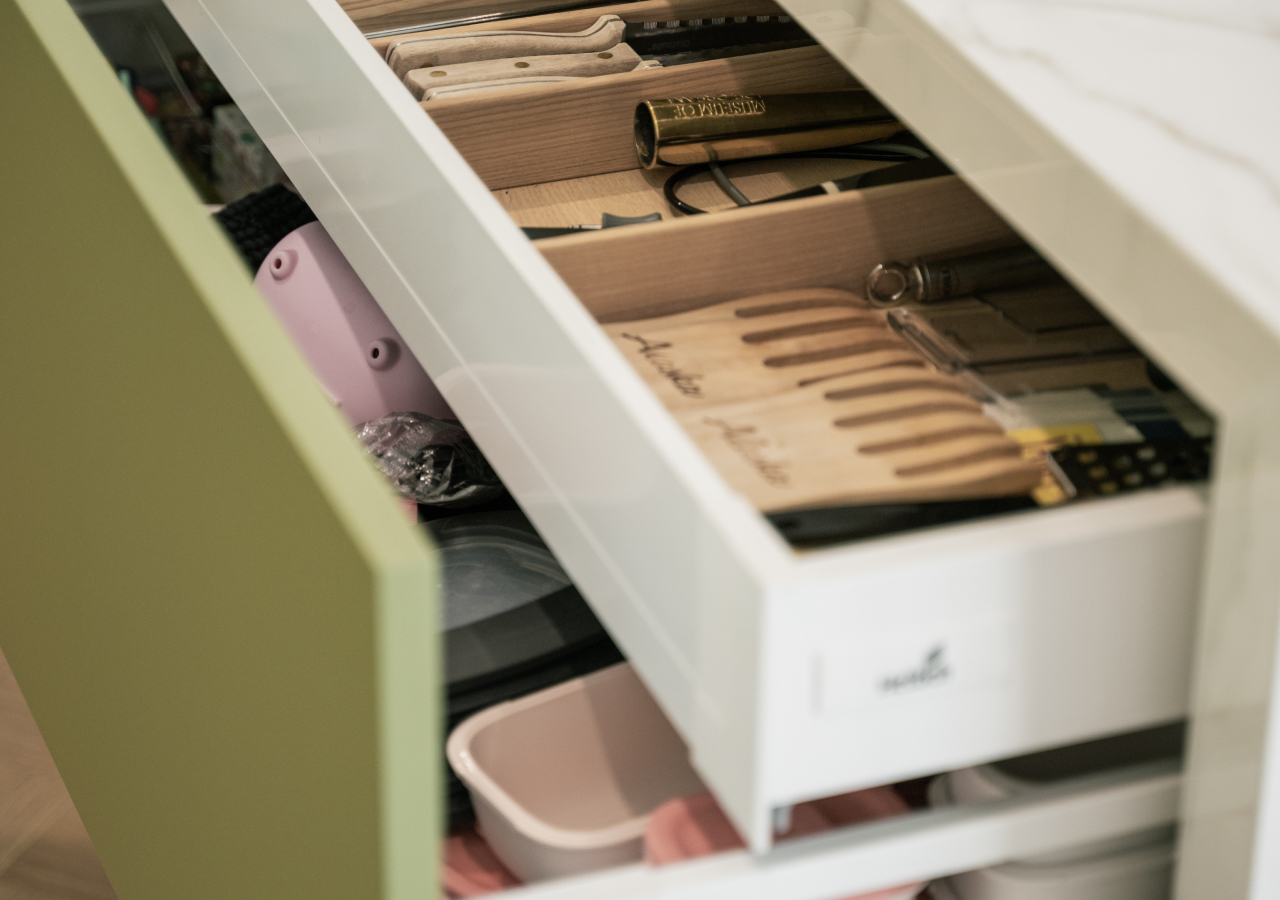
The sink zone deserves special attention because it creates constant small clutter. Soap, sponges, refills, towels, and cleaning products tend to migrate onto the counter when there is no designated home for them. Under-sink pull-outs and drawers keep those items contained and easy to access while keeping the counter visually quiet. The benefit is simple. The sink area stops looking “busy,” which improves the whole kitchen because the sink sits in the most visually central part of daily use.
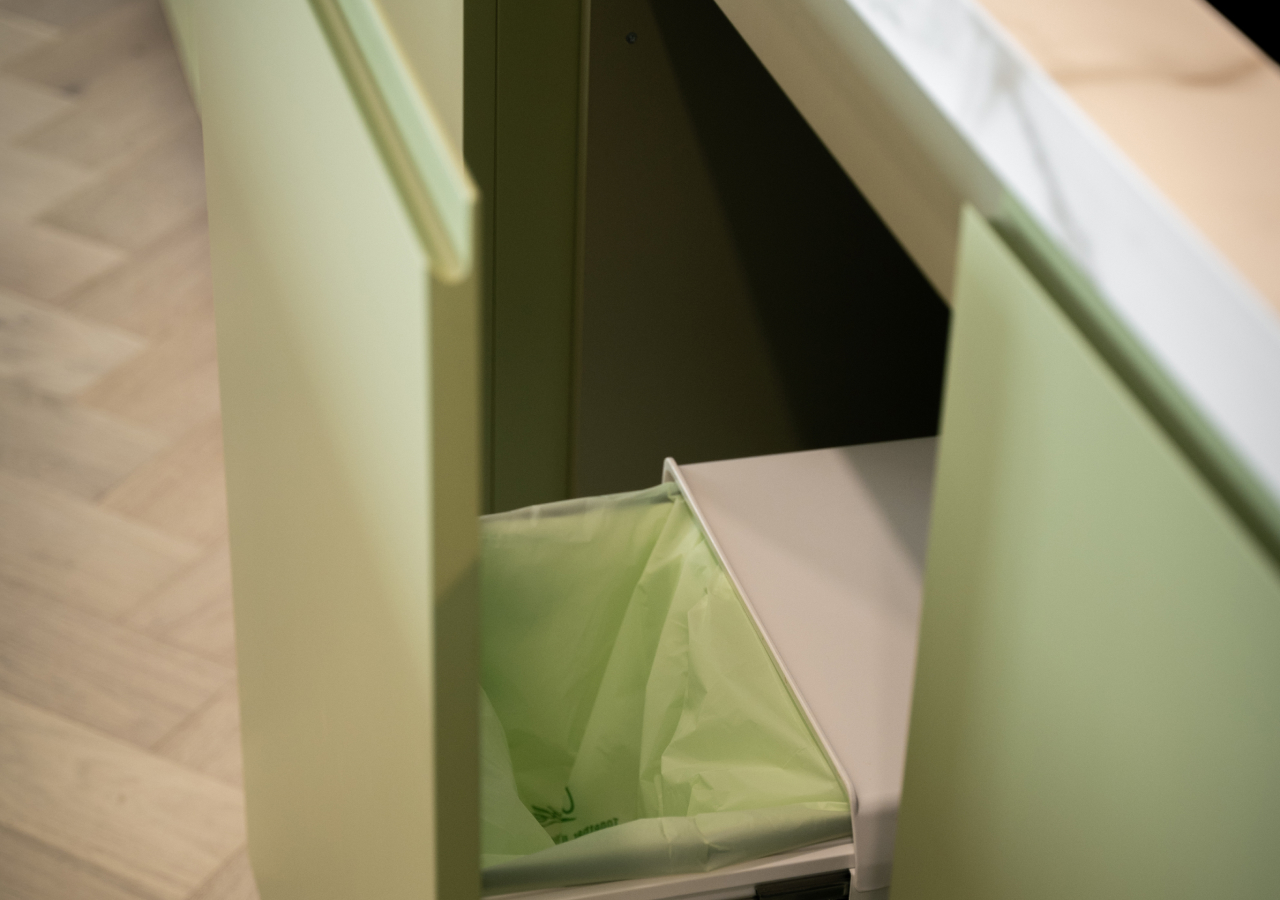
Waste and recycling also influence whether a minimalist kitchen feels truly modern. A freestanding trash can interrupts clean lines and pulls attention to the floor plane. Integrated pull-out waste keeps the room more architectural and improves workflow because waste stays close to prep and cleanup. This is one of those upgrades that feels small until you live with it, then it becomes hard to go back.
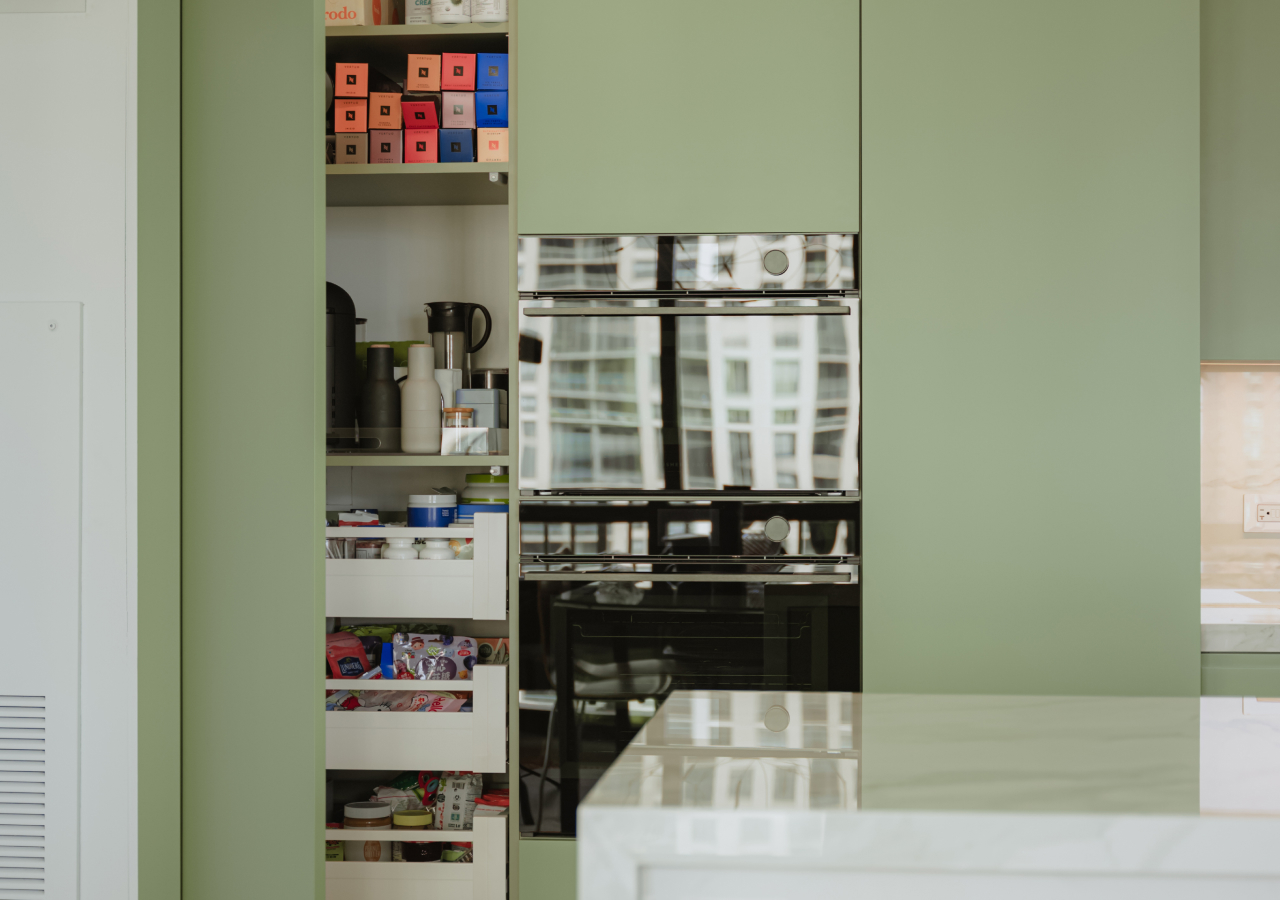
Pantry planning often decides whether a minimalist kitchen stays minimalist long-term. When pantry storage is undersized, countertops become overflow. When pantry storage is designed for real household volume, the rest of the kitchen can stay clean and simple. Many modern minimalist kitchens benefit from a tall pantry wall that holds food, backstock, and the non-pretty essentials, so the main kitchen surfaces stay calm.
Corner cabinets and narrow gaps can either become dead zones or become valuable storage that reduces clutter elsewhere. The best approach is selective. Use corner pull-outs or slim pull-outs when they solve a real problem, such as daily spices near cooking or bulky items that otherwise end up scattered. Avoid the trap of adding “special” organizers everywhere. Minimalism benefits from a few strong storage moves, not a cabinet full of mechanisms you rarely use.
Calm Design Moves That Make a Kitchen Feel Minimal Fast
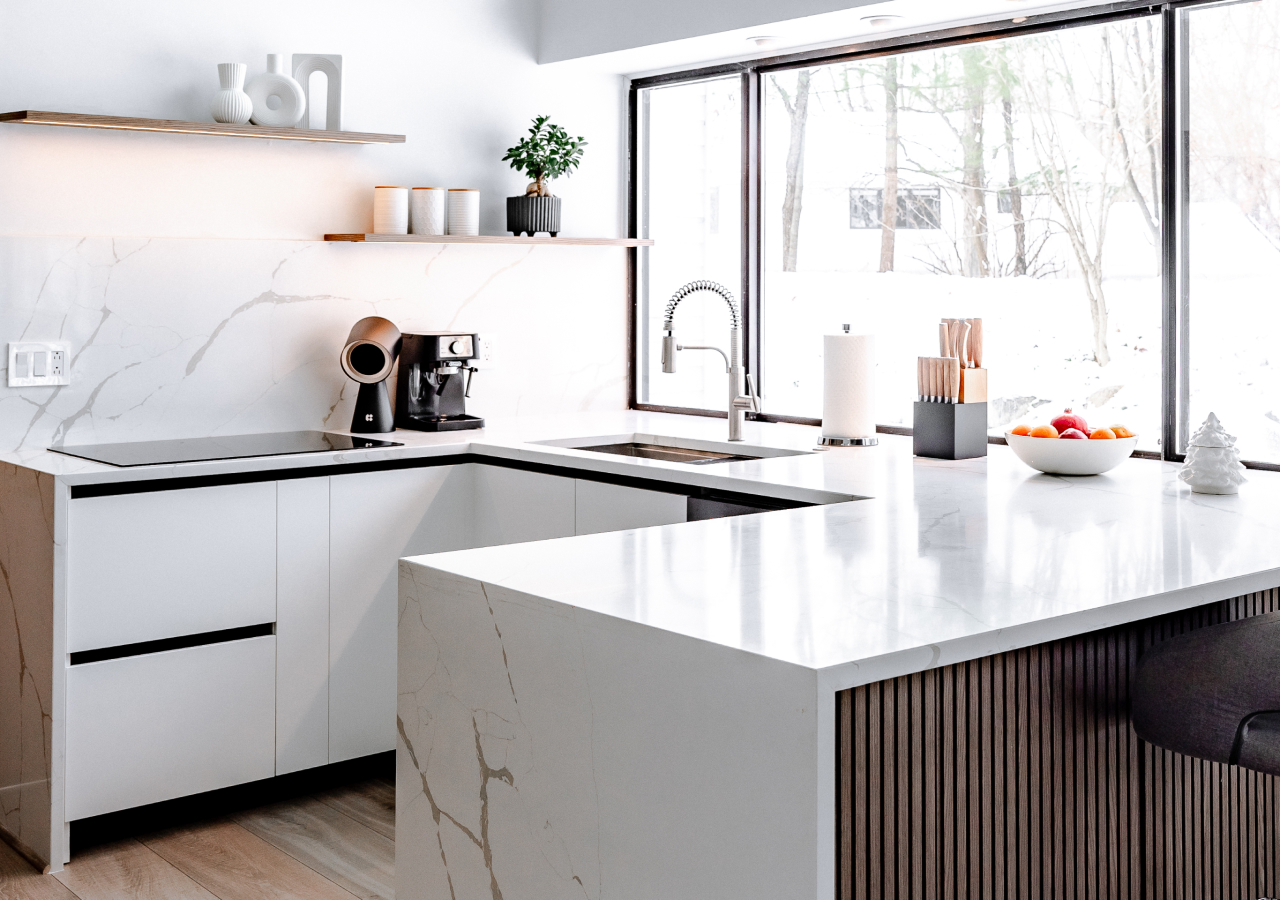
Modern minimalism looks expensive when the visual rules are consistent: aligned cabinet geometry, a restrained palette, and lighting that adds depth without décor. Calm comes from repetition and restraint, not from stripping out warmth.
A restrained palette creates calm, but warmth keeps the space livable. Warm whites, soft neutrals, light woods, and muted grays work well because they reduce visual noise and stay flexible; texture does the design work through matte finishes, subtle grain, and soft-toned surfaces.
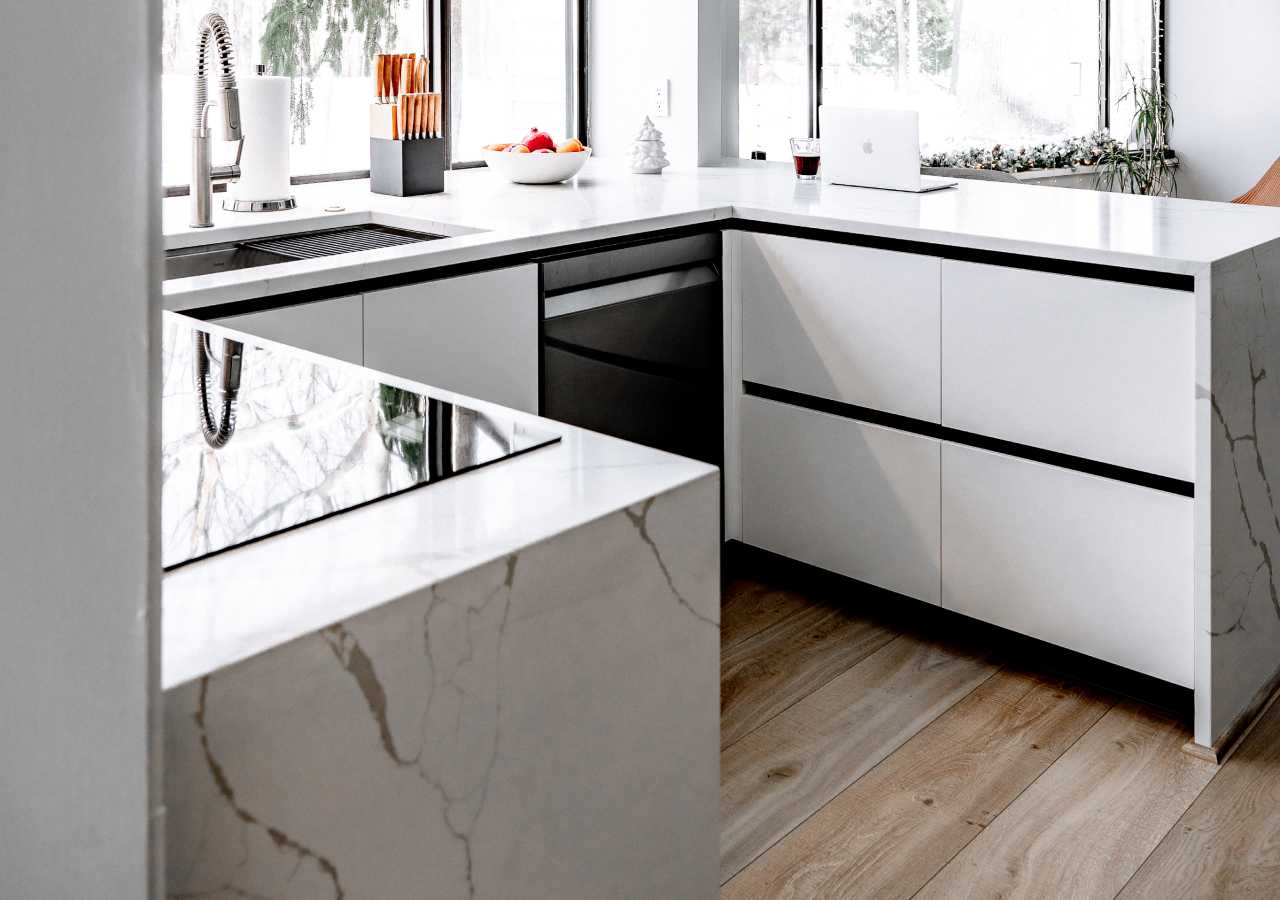
Cabinet geometry and alignment do more work than most people expect. When reveals, lines, and appliance placements feel intentional, the room reads as modern even with very simple materials. Consistency in how cabinets open is part of that. Handleless systems can strengthen the architectural look, but the deeper rule is consistency. A kitchen that mixes too many opening styles and door styles starts to feel visually noisy, even if every individual choice is “minimal.”
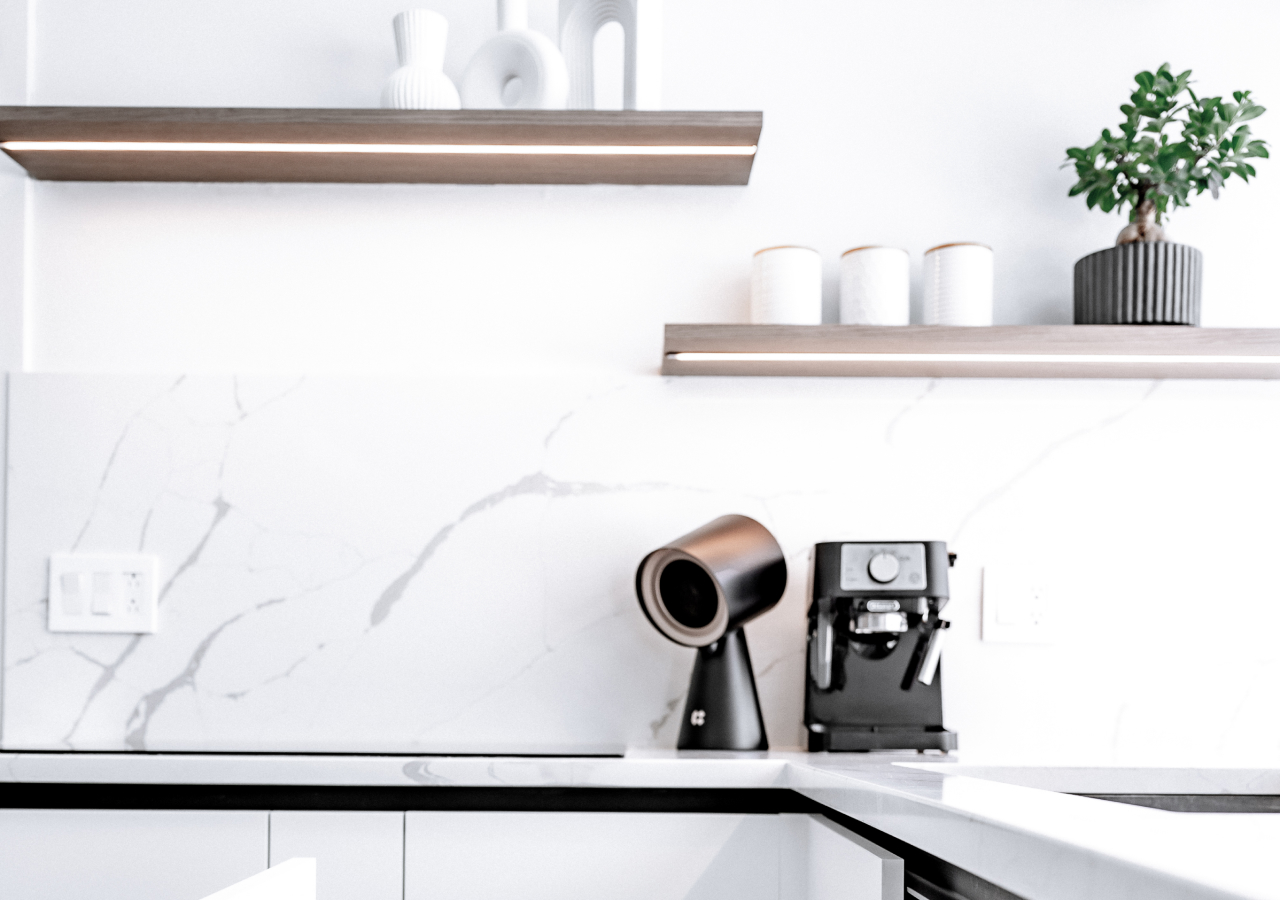
Visibility control is another core move. Open shelving can look great, but it raises the maintenance load because everything stays on display. Closed storage tends to support modern minimalism more reliably, especially in family kitchens. If you want open shelves, the cleanest way is to treat them as one composed moment, not as primary storage. The point is to keep the kitchen from looking like a pantry.
Negative space finishes the feeling. A kitchen needs breathing room: a clear stretch of counter, a clean wall run, a transition that does not try to say too much. That breathing room makes the kitchen feel larger, calmer, and more premium. It also makes daily cooking easier because you have a kitchen that stays functional instead of constantly moving objects around.
Common Mistakes That Break the Minimalist Feel
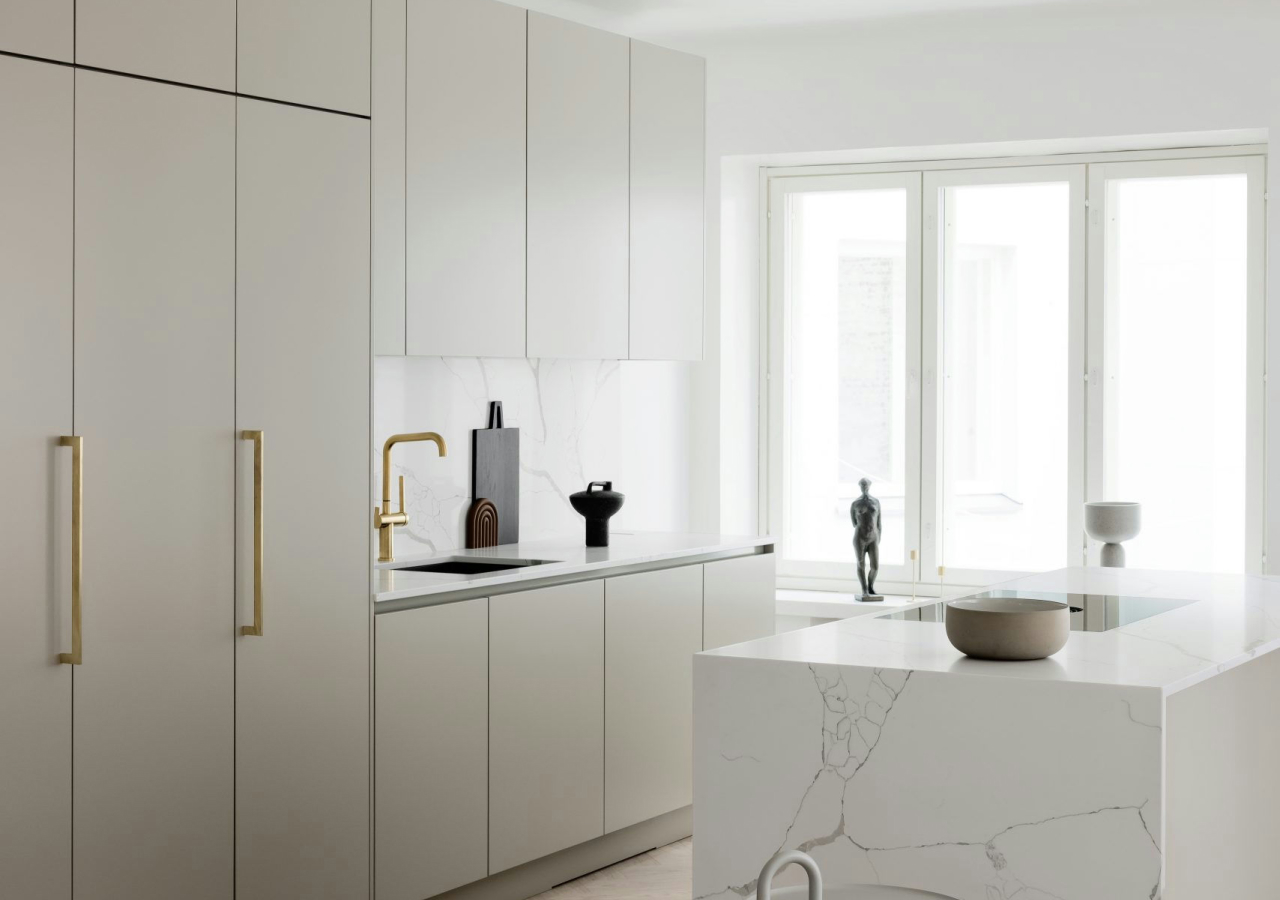
Most minimalist kitchens drift into clutter for predictable reasons: undersized storage pushes daily items onto counters, too many statement moments create visual competition, and visible tech turns the kitchen into a device shelf. If the countertops become a parking lot, minimalism stops being a design and starts being daily maintenance.
Storage that is too small pushes everyday items onto the counter, and minimalism becomes a constant fight. Mixed cabinet strategies create noise, especially when door styles, opening methods, and finishes change across the room. Open shelving used as primary storage invites visible clutter and raises the daily effort needed to keep the kitchen looking calm.
Each of these mistakes has the same root cause. The minimalist kitchen stops behaving like a system and starts behaving like a display of individual ideas.
Conclusion
A modern minimalist kitchen works because it’s designed as a system. Technology is integrated so it improves routines without adding visual noise. Storage is planned around friction points, so countertops clear naturally. And the room stays visually edited through consistent lines, a controlled palette, and layered lighting that adds warmth without clutter.
If you want a minimalist kitchen that stays calm in real life, explore Corner Renovation’s collections and see how modern lines, warm materials, and smart storage come together. When you’re ready, book a consultation and we’ll help you plan a kitchen that looks intentional and works effortlessly.


