.webp)
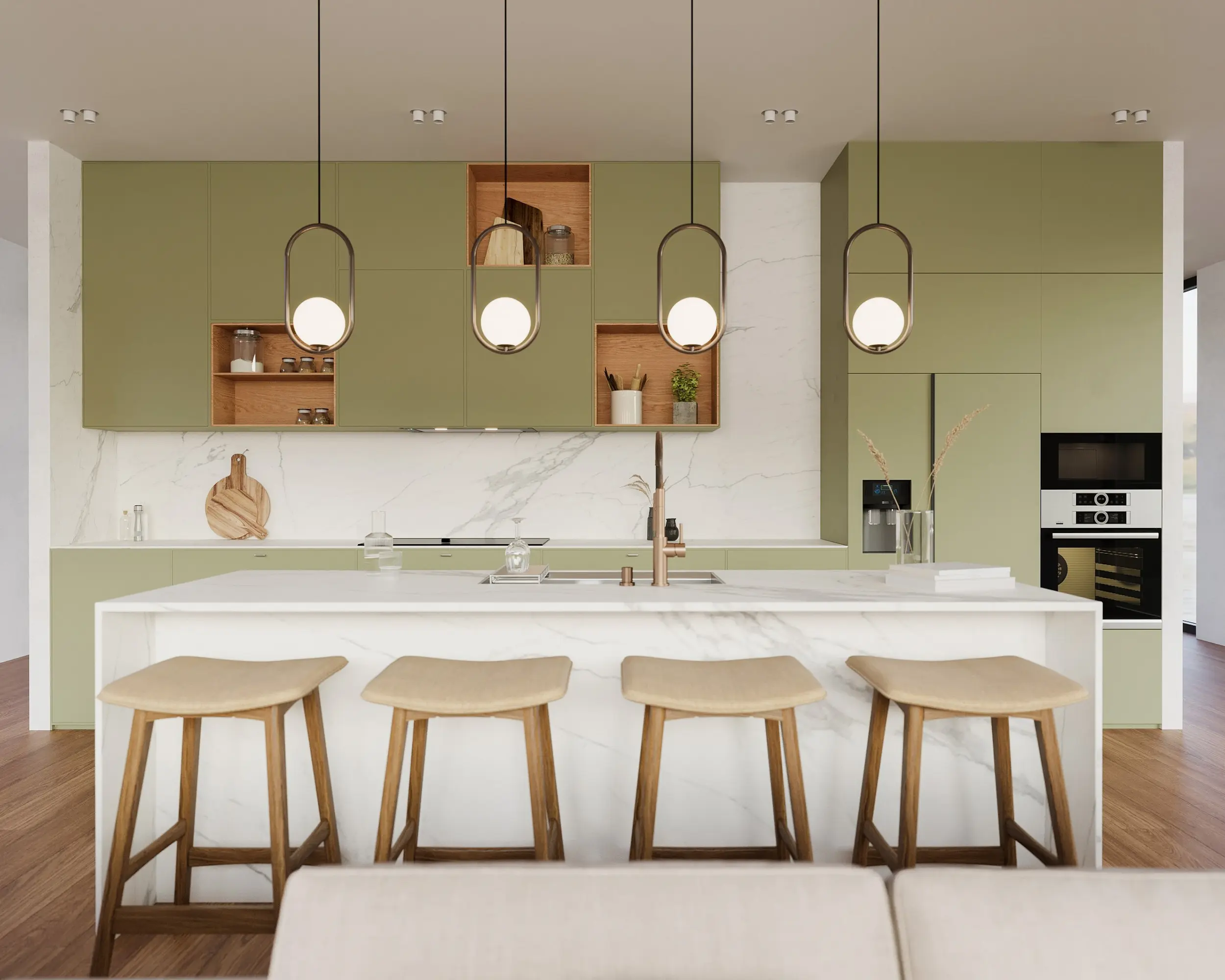
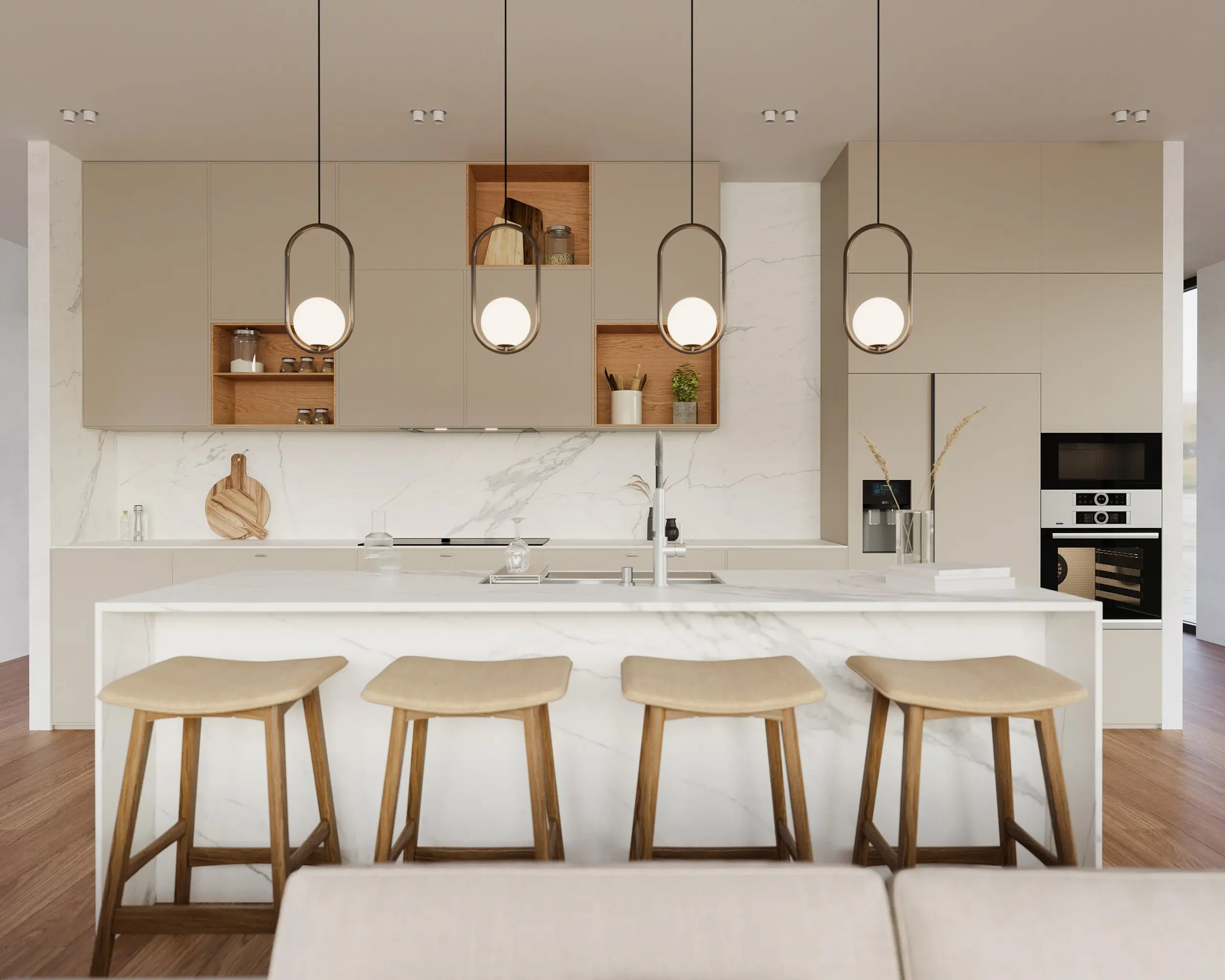
Many modern homeowners are drawn to European kitchens because they feel calm, organized, and visually balanced. That effect usually comes from a few consistent choices: handleless cabinetry, integrated storage, natural materials, and surfaces that work together instead of competing for attention.
A European kitchen backsplash follows the same logic. Rather than relying on busy tile patterns or decorative layouts, it usually uses large surfaces, restrained tones, and minimal joints. Common options include full-height slabs, large-format tile, glass panels, stainless steel, and cabinetry-matched wall panels.
In modern European kitchens, the backsplash is not just wall protection. It helps define the overall architecture of the room, supports a cleaner visual flow, and makes everyday maintenance easier.
Design Principles Behind European Kitchen Backsplashes
European kitchen backsplashes are designed to feel quiet, continuous, and practical. The goal is usually not to make the wall stand out on its own, but to make it support the cabinetry, countertop, and overall material palette.
That effect comes from a few consistent design principles. First, the backsplash is treated as part of the kitchen architecture rather than as separate decoration. Second, designers prioritize continuity by extending materials vertically or reducing grout lines and interruptions. Third, the color palette stays restrained, often using neutrals, soft stone tones, and natural wood pairings instead of sharp contrast. Finally, the material still needs to perform well in real life, especially around water, grease, heat, and regular cleaning.
Most Common European Kitchen Backsplash Materials
The most common backsplash materials in modern European kitchens are slab stone or quartz, large-format porcelain tile, glass panels, stainless steel, and wall panels that match the cabinetry. Each creates a different effect, but all work best when the surface feels visually calm and easy to maintain.
Full-Height Slab Backsplashes
.webp)
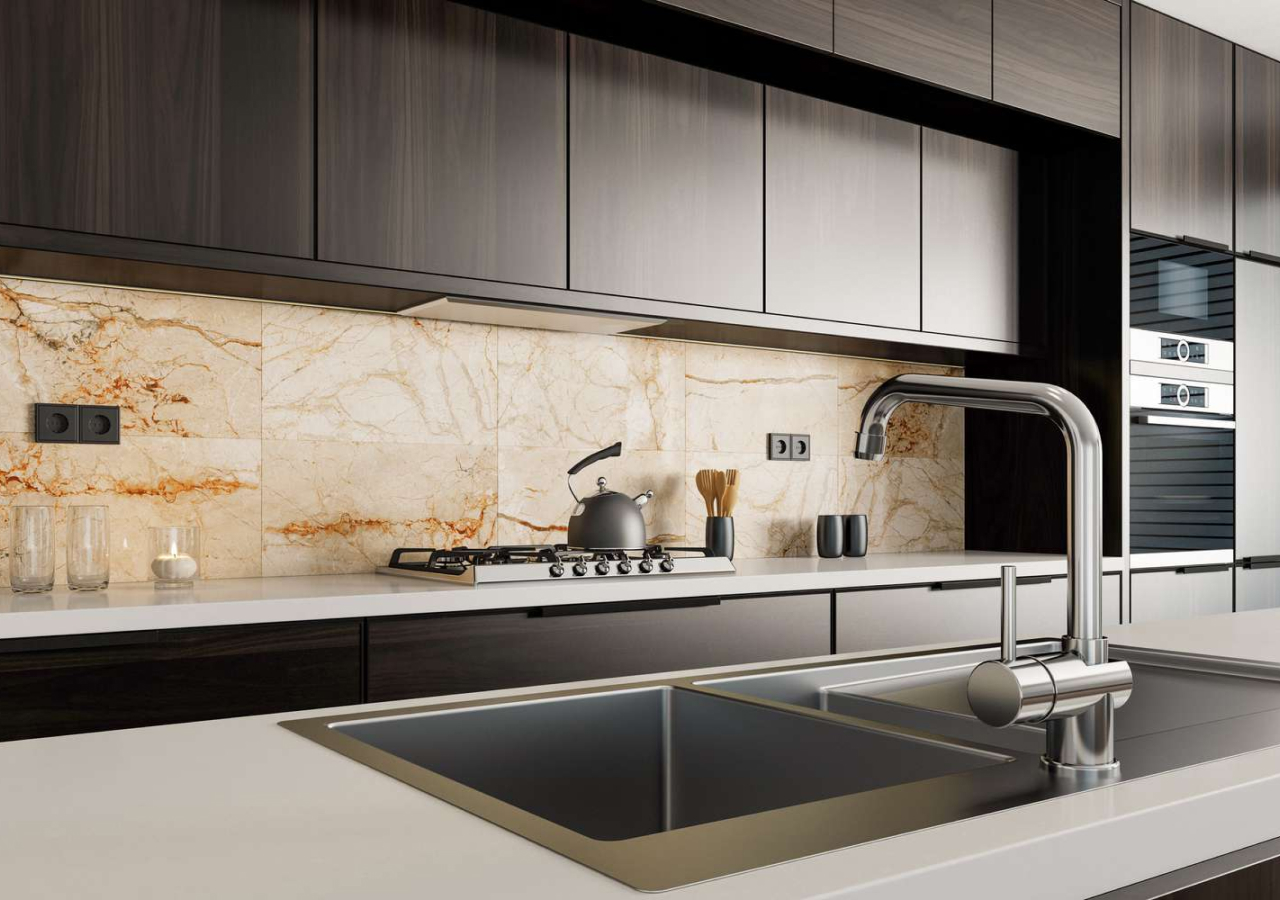
A full-height slab backsplash is one of the clearest visual markers of a modern European kitchen. It creates a continuous surface with very few joints, which makes the wall look cleaner and more architectural.
Instead of stopping at a short backsplash strip, the countertop material continues vertically behind the cooktop, sink, or entire work zone. In some kitchens it runs only to the underside of the upper cabinets. In others, it continues all the way to the ceiling.
Materials such as quartz, porcelain slab, Dekton, and natural stone are especially well suited to this approach because they are durable, easy to wipe clean, and available in large sizes. Fewer seams mean less visual clutter and less maintenance. In kitchens with handleless cabinetry and integrated appliances, a full-height slab backsplash helps reinforce the overall minimalist look while still protecting the wall from heat and splatter.
Large-Format Tile Backsplashes
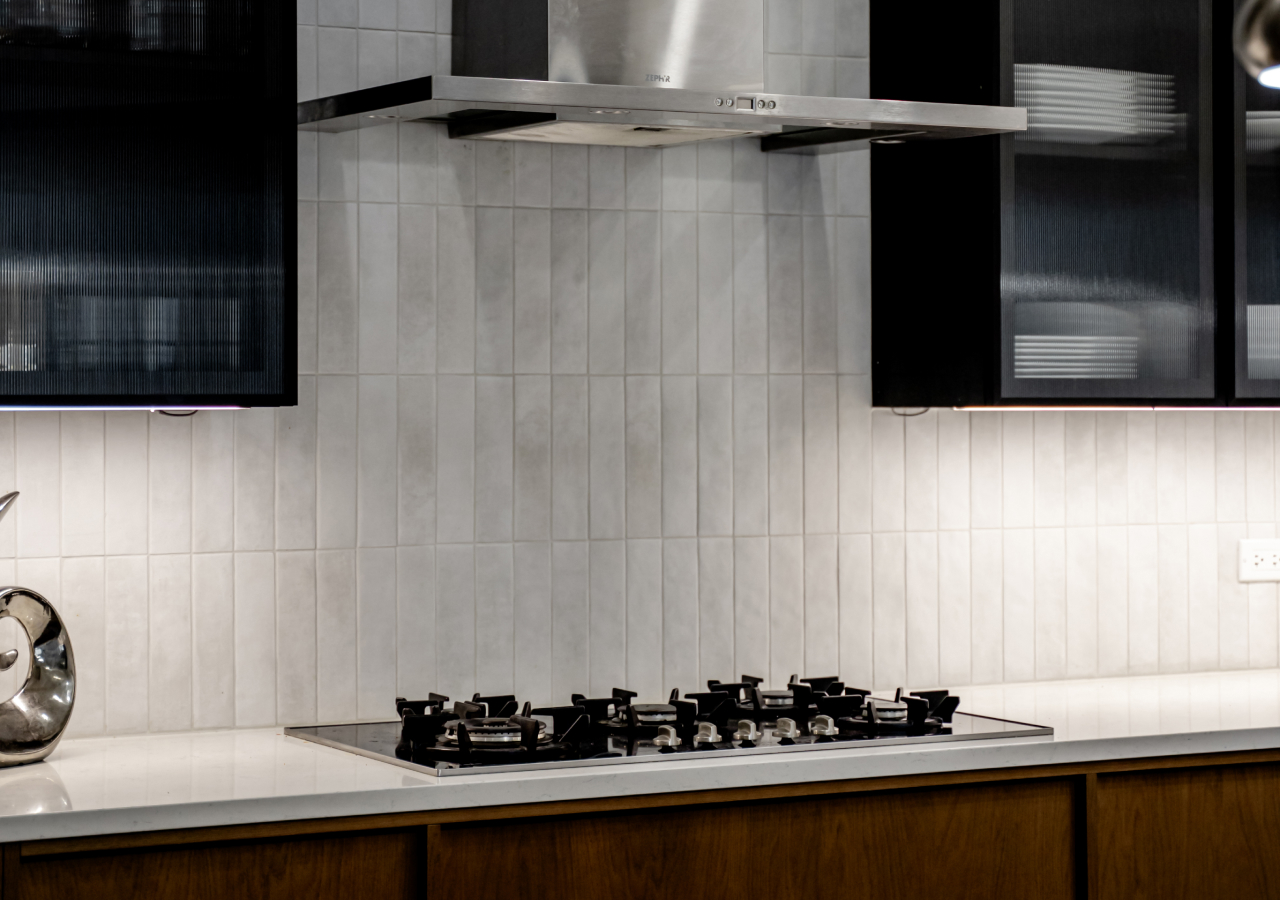
Large-format tile backsplashes offer a similar visual calm to slabs but with a little more flexibility in budget and finish. They are a practical option for homeowners who want a cleaner wall surface without committing to full slab fabrication.
In European kitchens, tile is typically used very differently than in more traditional designs. Instead of small decorative patterns, designers usually choose large-format porcelain or ceramic tiles with minimal grout lines. Sizes such as 24 x 48 inches or larger help the wall read more like a single surface than a tiled pattern.
This approach works especially well when you want subtle texture rather than a perfectly smooth slab look. Soft limestone tones, concrete-inspired finishes, and lightly textured porcelain surfaces all fit well within Scandinavian and other minimalist kitchen styles. Matte finishes are usually the strongest choice because they reduce glare under under-cabinet lighting and keep the wall feeling quiet.
Glass Backsplashes in Modern European Kitchens
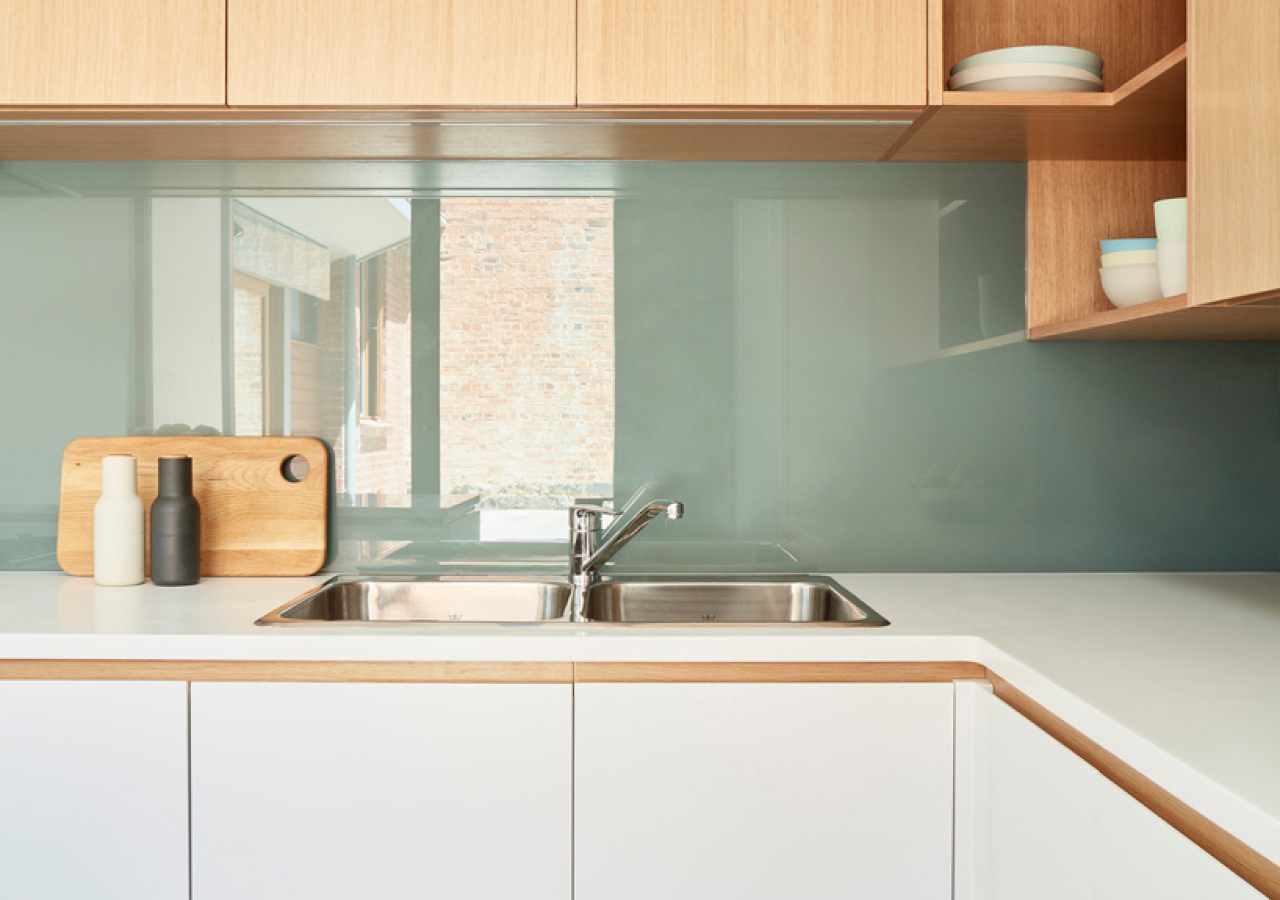
Glass backsplashes are used when the goal is to keep the wall bright, reflective, and easy to clean. They work particularly well in kitchens that need help bouncing light around the room.
Unlike smaller tile installations, glass panels can cover wide areas with very few visible seams. That gives the backsplash a cleaner, more uninterrupted appearance, especially behind countertops and sinks. In kitchens with limited natural light, this can make the room feel more open.
The best versions are usually simple in color. Warm white, pale gray, taupe, or soft beige tend to work better than bold tones because they reflect light without overpowering the rest of the kitchen. Glass is also practical: it is non-porous, stain-resistant, and easy to wipe down after daily use.
Stainless Steel Backsplashes
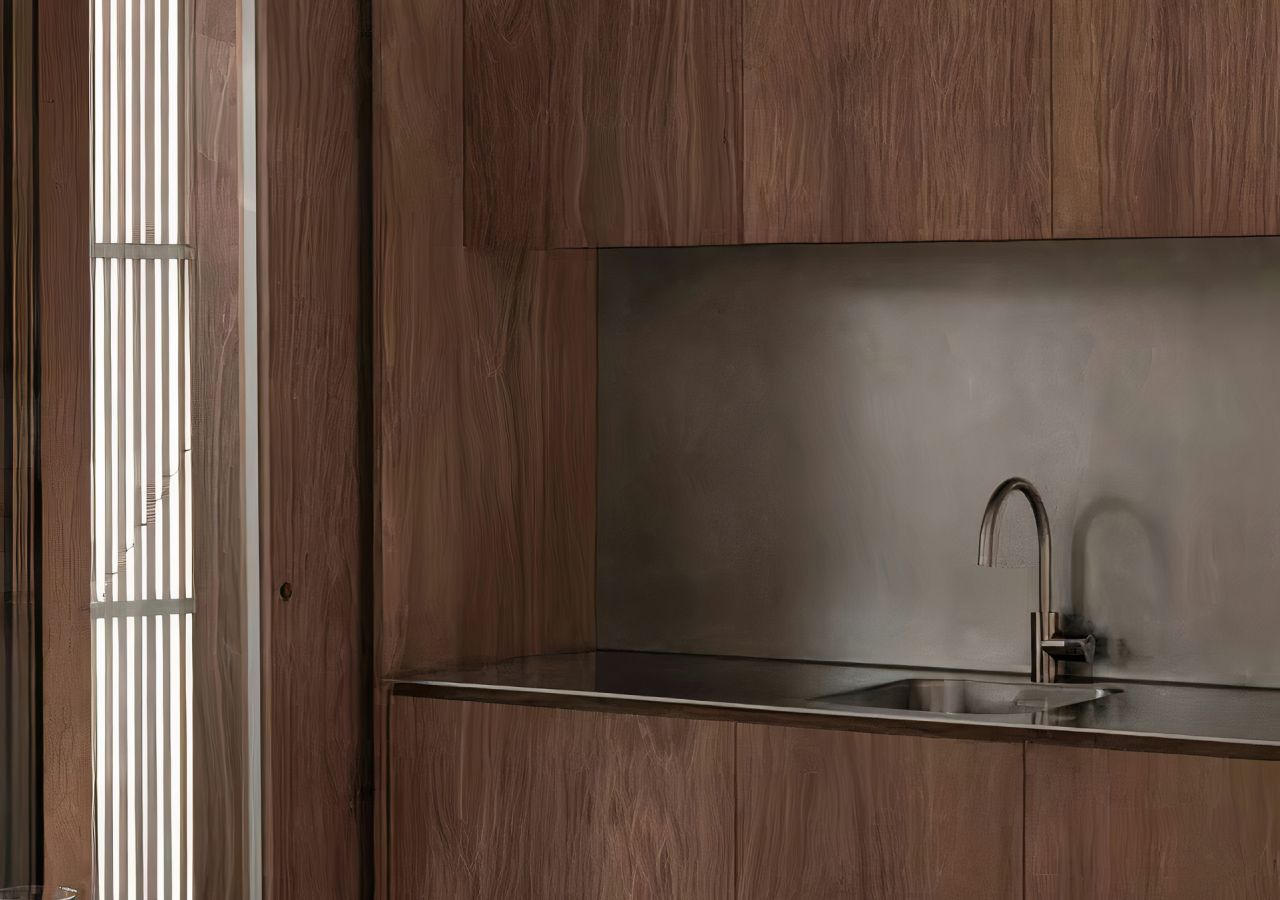
Stainless steel is less common in residential European kitchens than stone or tile, but it still has a place, especially in cooking zones. It is one of the most practical backsplash materials for heat, splatter, and frequent cleaning.
In a home kitchen, stainless steel works best when used with intention rather than throughout the entire room. Behind the cooktop, it adds durability and a professional feel without forcing the whole kitchen into an industrial style. When paired with matte cabinetry, wood veneer, or stone countertops, the metal introduces contrast in a controlled way.
This option tends to work best in minimalist kitchens with strong functional priorities, or in spaces that lean slightly more modern loft than soft Scandinavian.
Minimalist Wall Panels and Alternative Surfaces
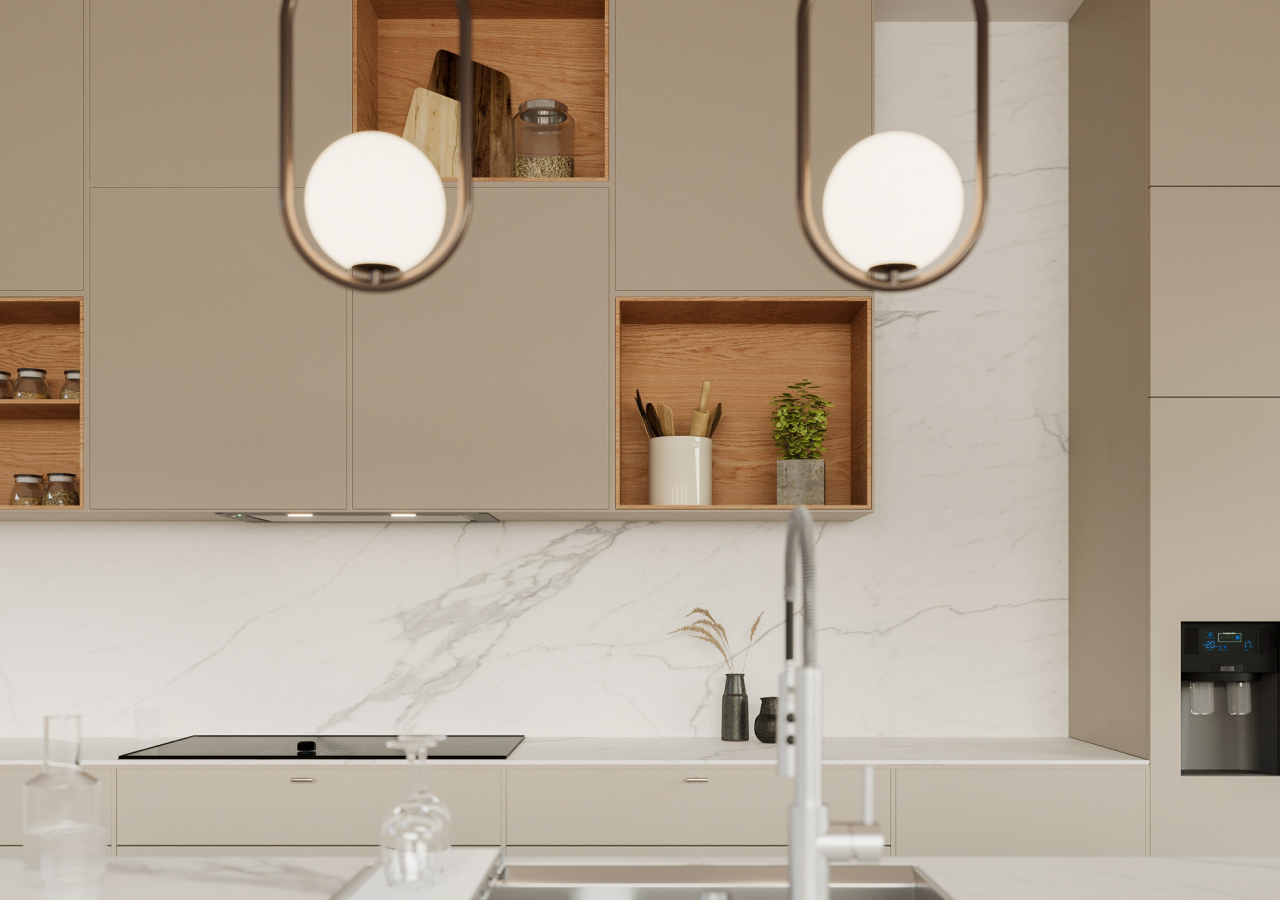
Some European kitchens use wall panels instead of traditional backsplash materials in selected areas. These panels are often made from the same laminate, Fenix surface, or engineered finish used on the cabinetry, which helps the wall and cabinets read as one continuous composition.
This creates a particularly clean effect in low-splash areas, coffee stations, breakfast zones, or kitchens where the cooktop wall is handled separately in a more heat-resistant material. The result is visually minimal and highly integrated.
This approach usually works best when it is used strategically. In areas exposed to frequent heat and grease, slab material, glass, or stainless steel is often the more durable choice. But in the right zones, matching wall panels can make the kitchen feel even more seamless.
Slab Backsplash vs Tile Backsplash
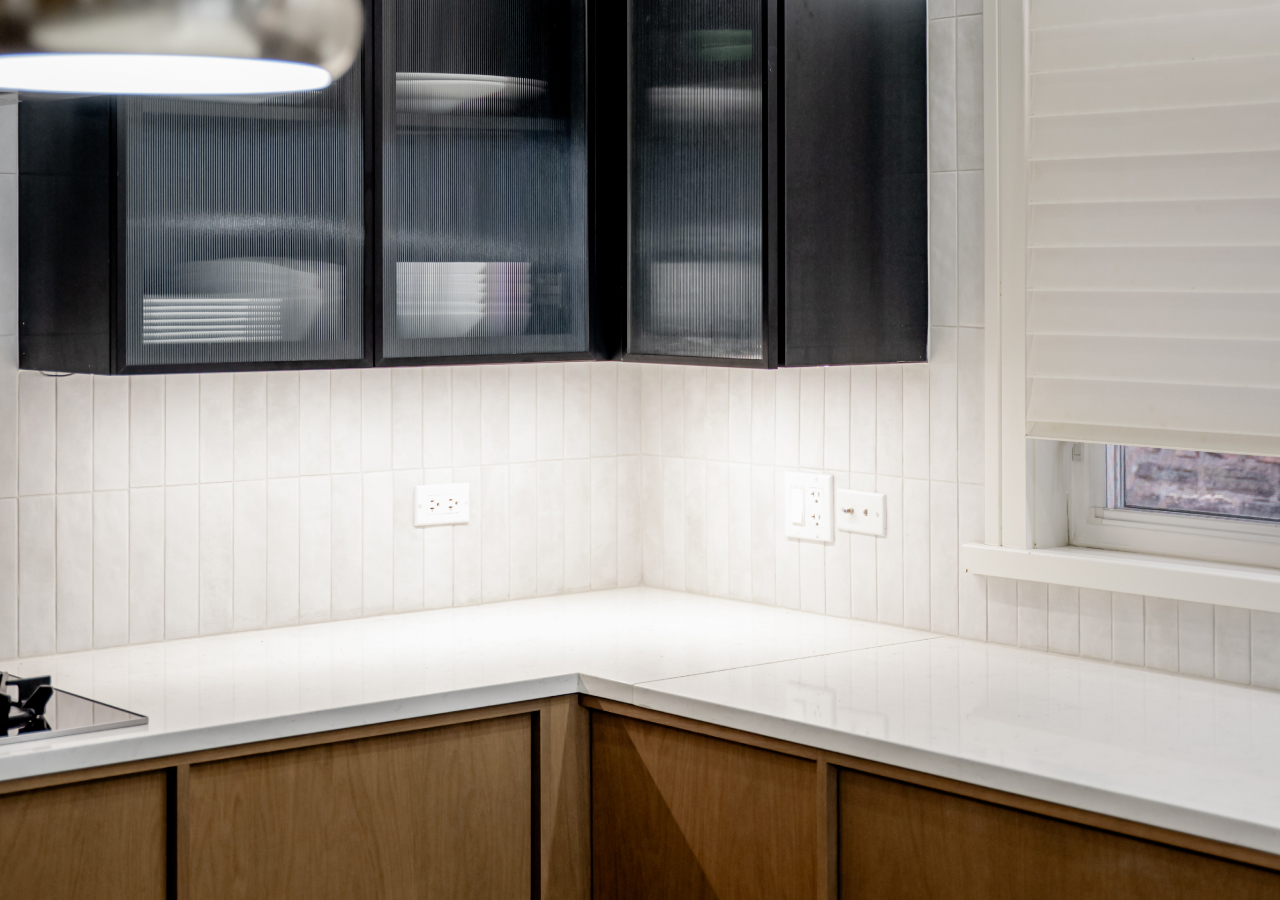
The main difference between slab and tile is visual continuity. Slab backsplashes create the cleanest possible surface, while large-format tile introduces slightly more texture and slightly more visible joints.
Choose a slab backsplash when you want the strongest minimalist effect and the fewest possible interruptions. Choose large-format tile when you want a softer material feel, more finish options, or a more flexible installation budget.
Standard Backsplash vs Full-Height Backsplash
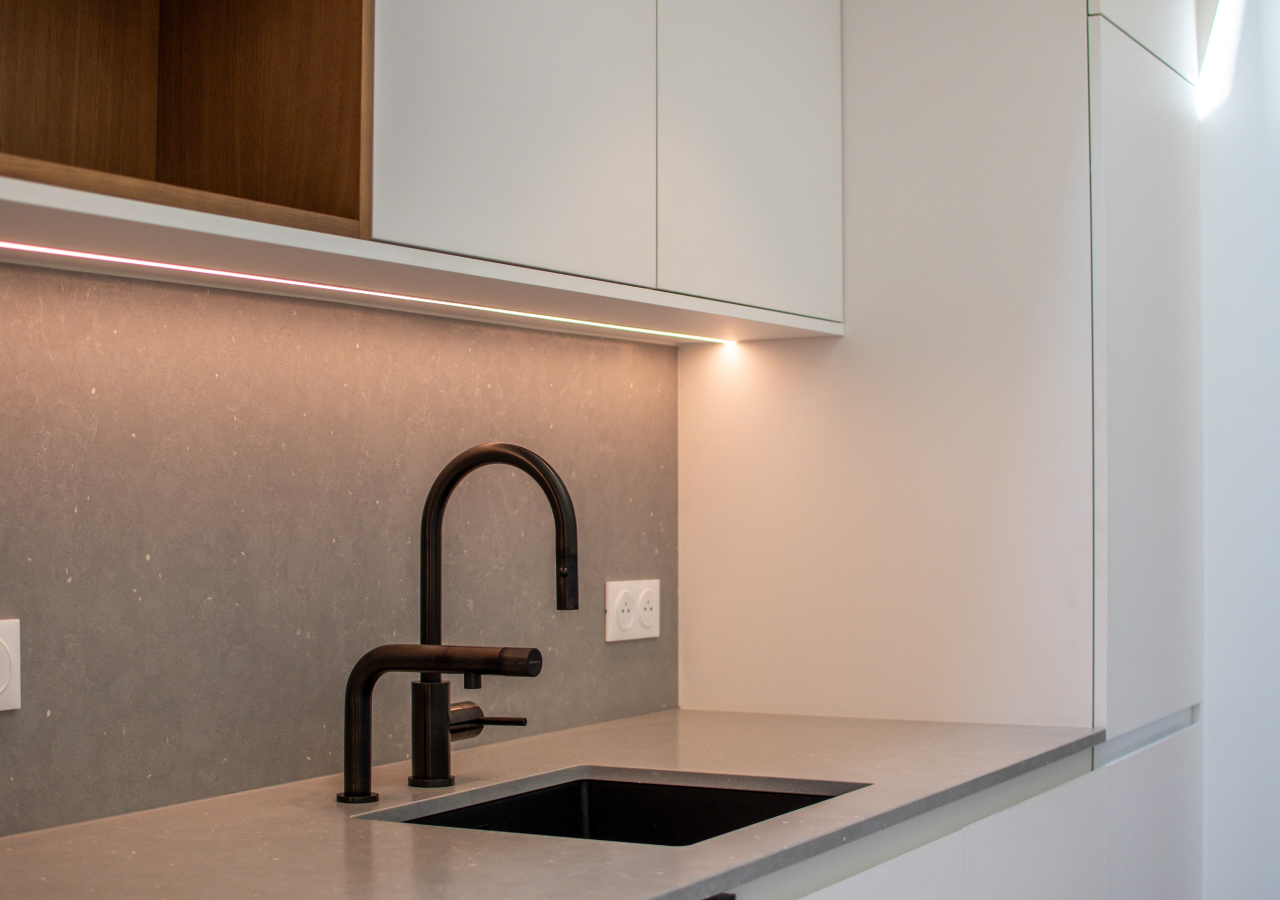
Backsplash height changes the character of the whole kitchen. In modern European kitchens, the wall surface often extends higher than it does in traditional kitchens because that creates better continuity and stronger protection in working zones.
Full-height surfaces have become more popular because they help the kitchen look more deliberate and reduce the visual fragmentation that often comes from short backsplash strips, exposed painted walls, and too many material changes.
Common European Backsplash Mistakes
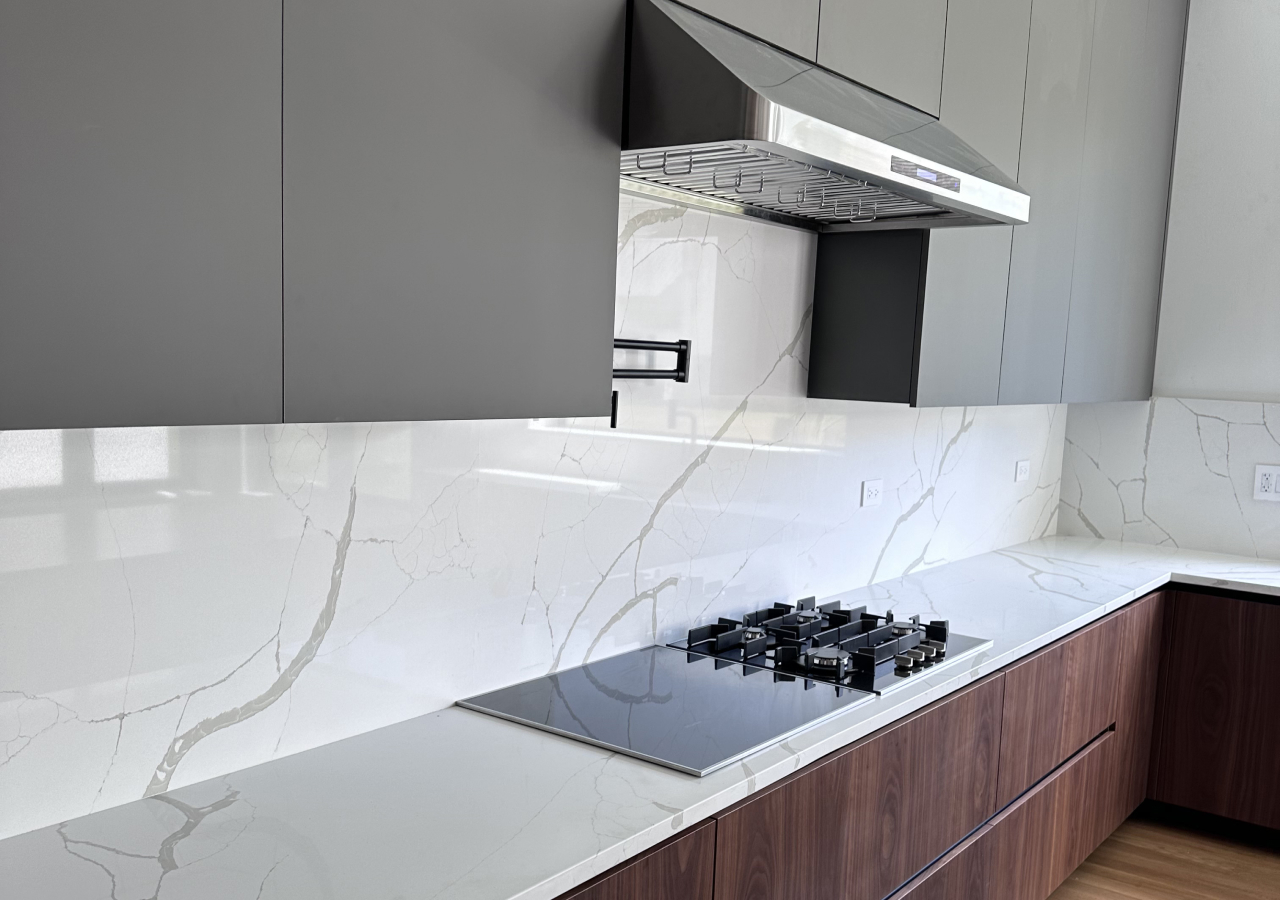
A European kitchen backsplash usually works best when it stays visually restrained. The fastest way to lose that effect is to introduce too much pattern, glare, or fragmentation into the wall surface.
Some of the most common mistakes include:
- using small decorative tiles that create too many grout lines
- choosing dramatic veining that competes with the cabinetry
- mixing several backsplash materials in one compact kitchen
- selecting glossy finishes that create strong glare under task lighting
- placing outlets randomly across a slab backsplash without planning the layout first
Most of these mistakes come from treating the backsplash as a decorative feature rather than as part of the kitchen’s architecture. In European kitchens, the wall surface usually works best when it supports the room quietly.
What Makes a European Kitchen Backsplash Feel Calm?
A calm backsplash usually has three qualities: low visual noise, material continuity, and controlled contrast. In practice, that means fewer grout lines, softer finishes, and colors that sit comfortably with the cabinetry instead of fighting against it.
That does not mean every backsplash has to be flat or plain. Texture can still work well, especially in large-format porcelain or natural stone. What matters more is scale and restraint. When the pattern is subtle and the joints are minimized, the kitchen feels more architectural and less busy.
Conclusion
A well-designed backsplash can quietly shape the entire kitchen. In modern European kitchens, the best backsplash materials do not rely on decoration to make an impact. Instead, they create continuity, protect the wall effectively, and support a cleaner overall composition.
Full-height slabs, large-format porcelain tile, glass panels, stainless steel, and minimalist wall panels can all work well when chosen with the broader kitchen in mind. The strongest results usually come from keeping the palette restrained, reducing visual interruptions, and matching the surface to the way the kitchen is actually used.
For modern homeowners planning a renovation, this approach supports exactly what makes European kitchens so appealing: calm surfaces, practical materials, integrated storage, and a layout that feels intentional from every angle.