
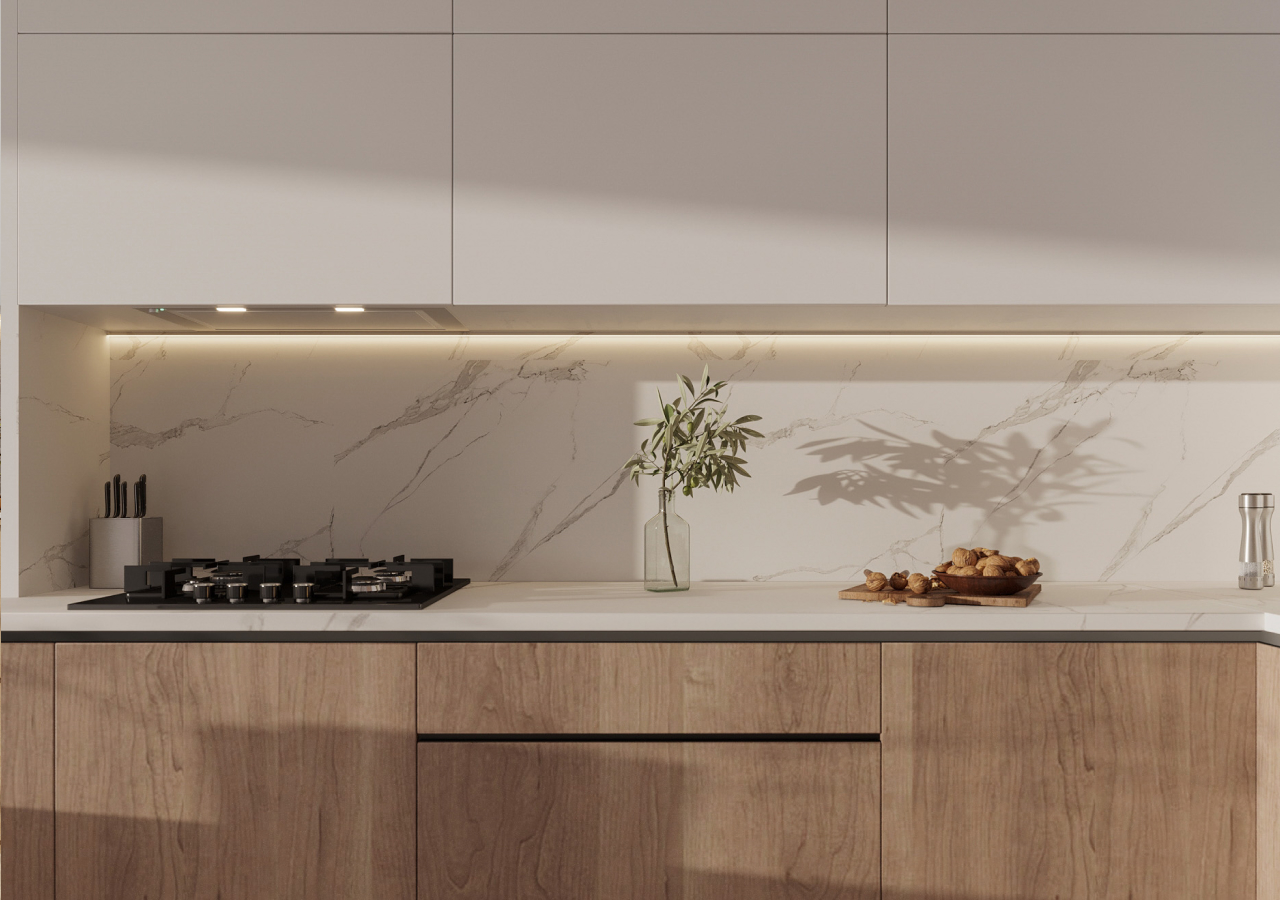
Kitchen cabinets are usually one of the largest costs in a remodel because they combine materials, hardware, design, production, finishing, delivery, and installation planning. They also affect almost every other part of the kitchen: appliance placement, storage, countertop support, workflow, and the finished look of the room.
That is why cabinet pricing can feel confusing. One quote may look much cheaper than another, but it may leave out panels, fillers, drawer systems, organizers, delivery, installation support, or detailed drawings. Another quote may look expensive at first, but include a more complete scope and fewer surprises later.
So the real question is not only why kitchen cabinets cost so much. It is what you are actually paying for, where the price comes from, and how to save money without choosing cabinets you will regret later.
Why Are Kitchen Cabinets So Expensive: The Short Answer

Kitchen cabinets cost a lot because they carry a large part of the kitchen’s function, structure, and design. They are used every day, exposed to moisture, heat, weight, movement, and cleaning, and they need to fit around appliances, plumbing, walls, floors, and countertops.
A cabinet system also has to be planned before it is made. Even a simple kitchen needs accurate dimensions, cabinet sizes, appliance clearances, fillers, finished side panels, toe kicks, hardware choices, and installation details. In a custom or semi-custom kitchen, this planning becomes even more important because small mistakes can affect the entire layout.
The price usually comes from several areas at once.
| Cost Factor | Why It Matters |
|---|---|
| Cabinet box material | Affects structure, stability, and moisture resistance |
| Front material | Drives much of the visible design and finish cost |
| Hardware | Hinges, drawer slides, lift systems, and pull-outs affect daily use |
| Finish quality | Matte, veneer, lacquer, acrylic, and textured finishes vary widely |
| Custom sizing | Reduces awkward gaps but requires more planning and production |
| Design and drawings | Helps prevent mistakes before cabinets are made |
| Delivery and packaging | Large cabinet orders require careful packing and transport |
| Installation planning | Bad installation can ruin even well-made cabinets |
This is why two cabinet quotes can look similar on the surface and still be very different once you review what is actually included.
Cabinet Boxes and Cabinet Fronts Are Not the Same Thing

Many homeowners assume the entire cabinet is made from one material. In most kitchens, the cabinet box and the cabinet front are different.
The cabinet box is the interior structure. It holds the drawers, shelves, hinges, appliances, and hardware. The cabinet fronts are the visible doors and drawer faces, so they have the biggest effect on how the kitchen looks. Fronts may be painted MDF, wood veneer, laminate, acrylic, lacquer, Fenix, or another decorative surface.
This distinction matters because you do not always need the most expensive material everywhere. A smart cabinet plan can use durable, practical materials for the interior and invest more in the visible fronts, where the design impact is strongest.
Hardware Can Change the Price More Than Expected
.webp)
Hardware is one of the most underestimated parts of a cabinet quote. It is also one of the parts you touch every day.
A kitchen with many drawers will usually cost more than a kitchen with mostly doors and shelves. A tall pantry with pull-out storage will cost more than a simple cabinet with fixed shelves. Corner pull-outs, pocket doors, lift-up systems, trash pull-outs, inner drawers, and organizers can also raise the price.
That does not mean these features are unnecessary. Good hardware can make a kitchen much easier to use. The key is to use it where it actually improves daily function, not in every cabinet just because it is available.
Stock, Semi-Custom, and Custom Cabinets

Cabinet type has a major effect on price. Stock cabinets are usually the least expensive because they come in fixed sizes, finishes, and configurations. They can work for simple layouts, but they may require more fillers, leave awkward gaps, or limit appliance and storage planning.
Semi-custom cabinets offer more flexibility, but still work within a defined system. Custom cabinets are made for the specific kitchen, which can help with unusual dimensions, panel-ready appliances, ceiling-height storage, and cleaner layout details.
The right choice depends on the project. A simple kitchen may not need a fully custom system. A kitchen with awkward walls, built-in appliances, or a very specific design direction often benefits from more customization. For more on the buying process, read our guide to buying custom cabinets online.
Why Cheap Cabinets Can Become Expensive Later

The lowest cabinet quote can be tempting, especially when the full renovation budget is already high. But very cheap cabinets often save money in places homeowners do not notice right away.
The box may look fine at first, but weaker materials can swell near moisture or lose strength over time. Drawer slides may start to feel rough, hinges can loosen, and finishes can peel, bubble, or stain earlier than expected. The layout can also suffer if the cabinet line has limited sizing and relies on too many filler pieces.
Cheap cabinets can also become more expensive when the original quote is incomplete. A price may look low because it does not include finished side panels, toe kicks, fillers, appliance panels, organizers, delivery, or installation support. This is why it is important to compare cabinet quotes by scope, not just by the final number.
How to Save Money Without Making the Kitchen Feel Cheap
The best way to save on kitchen cabinets is through planning, not random cuts. Use the budget where it changes daily function, durability, or the finished look, and simplify the areas that do not need extra complexity.
-
Keep the layout simple. A clean cabinet run is usually more cost-effective than a layout filled with unusual angles, small custom pieces, and frequent changes in depth.
-
Use drawers where they matter most. Drawers are worth prioritizing in lower cabinets for pots, pans, dishes, and cooking tools. Areas used less often can stay simpler.
-
Spend more on the visible fronts. Cabinet fronts shape the look of the kitchen. Interiors still need to be durable, but they do not always need the most expensive decorative finish.
-
Choose specialty mechanisms carefully. A pull-out pantry, corner system, appliance garage, or waste pull-out can be useful when it solves a real problem. Too many mechanisms can raise the price quickly.
-
Keep appliance locations practical. If the existing layout works, keeping appliances close to their original locations can help control cabinet, electrical, plumbing, and installation costs.
-
Plan key decisions before production. Appliance models, sink size, countertop thickness, handles, panels, and organizers should be confirmed early to avoid redesigns, delays, or change fees.
What Should Be Included in a Cabinet Quote?
.webp)
A cabinet quote should be clear enough that you understand what you are paying for before production begins. One quote may include most of the necessary parts, while another may leave several of them out.
A complete cabinet quote should clarify cabinet boxes, fronts, finished side panels, fillers, toe kicks, hinges, drawer systems, pull-outs, organizers, appliance panels, technical drawings, delivery or shipping, installation support, and warranty terms.
If a quote is vague, ask for more detail before comparing it with another offer. You can also use our Kitchen Cabinet Quote Checklist to review the details before paying a deposit.
Are Expensive Kitchen Cabinets Always Worth It?

Expensive cabinets are not automatically better. Some cost more because they use stronger materials, better hardware, more precise sizing, higher-quality finishing, and stronger project support. Those things can be worth paying for.
Other cabinets cost more because of brand markup, showroom overhead, complex sales structures, or unusual finishes that may not matter for your kitchen.
Very cheap cabinets can be risky, but the most expensive option is not always the smartest one. The best value is usually the cabinet system that gives you the right balance of durable materials, practical hardware, clear drawings, strong storage, and a design that fits your home.
How Corner Approaches Cabinet Cost

At Corner, we focus on custom cabinet systems with clear design, technical drawings, durable materials, and delivery support, so homeowners can understand what they are paying for before production begins.
Our process is built around scope clarity. That means reviewing materials, fronts, hardware, storage, appliance planning, drawings, delivery, and installation support before cabinets are made.
You can explore more about our process on How It Works, compare options on Compare Us, or review real project details in our Price Examples.
Conclusion
Kitchen cabinets are expensive because they shape the kitchen’s storage, layout, durability, and finished design. They need to fit correctly, work with appliances, support daily use, and hold up over time.
The smartest way to save is not to choose the cheapest cabinets. It is to understand what drives the cost, simplify where it makes sense, invest where it matters, and compare quotes carefully before production begins.
A well-planned cabinet system should feel good to use every day and still make sense for your budget.


