
.webp)
A white European kitchen is not simply a white kitchen with a more minimal look. What sets it apart is the way the whole room is planned from the beginning. Layout, storage, materials, and lighting are considered together, so the kitchen feels practical, visually quiet, and comfortable to live with.
That matters because white tends to expose weak decisions. If the storage is not thought through, the materials feel too sharp, or the lighting is harsh, the whole room can quickly start to feel cold. When those decisions are handled properly, white can make a kitchen feel open, orderly, and easy to use. Storage is a big part of that. When appliances, pantry items, and everyday tools are built into the cabinetry properly, the surfaces stay clearer and the kitchen works better day to day.
What Defines a White European Kitchen
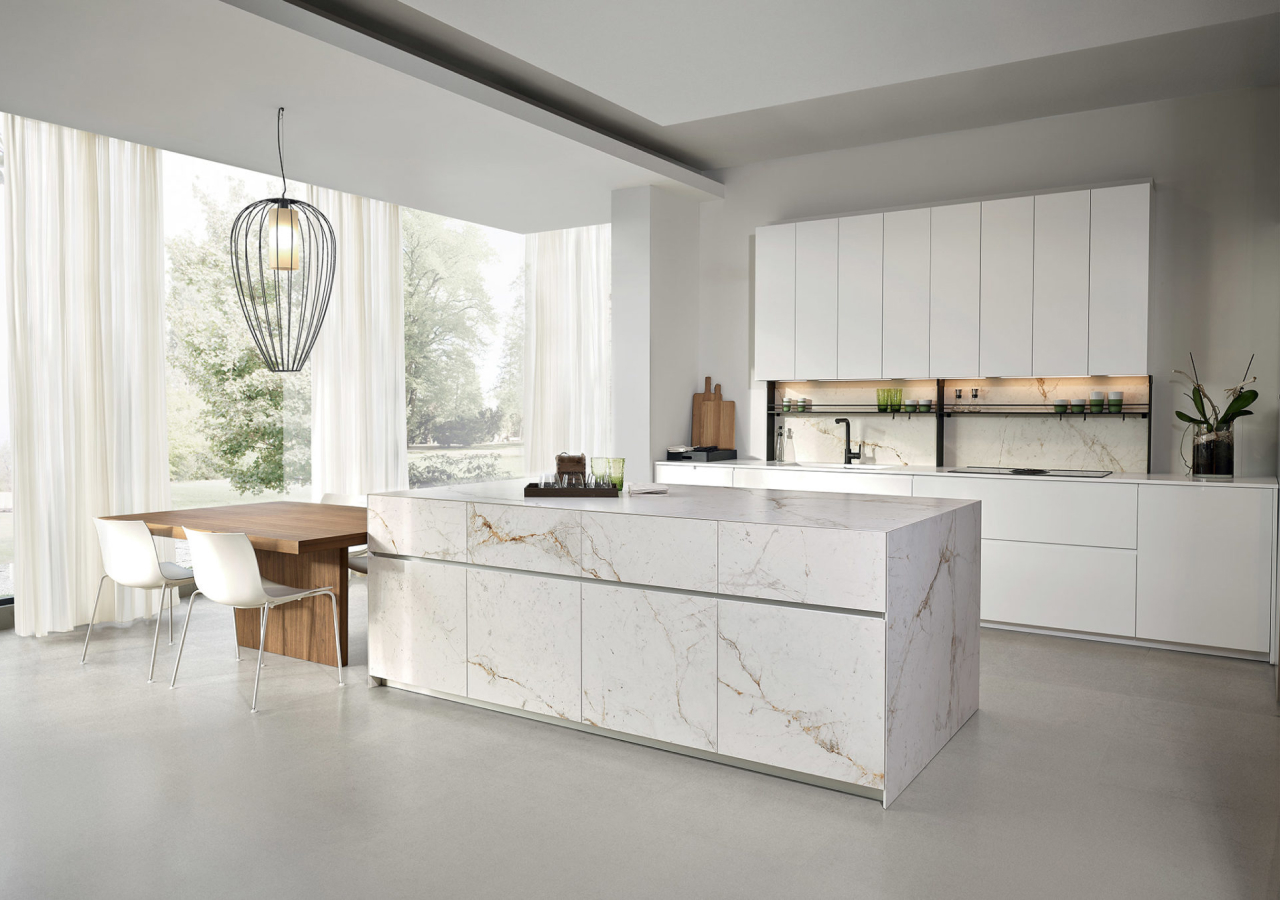
A white European kitchen is usually built around flat-front cabinetry, integrated appliances, restrained detailing, and a limited palette of materials. The focus is less on decoration and more on how the kitchen is put together. Cabinet lines are cleaner, more of the storage is concealed, and the room feels less interrupted visually.
That does not mean it has to feel severe. The best versions use white as a base, then bring in warmth through wood, softer stone, flooring, and lighting. The result feels lighter than a darker kitchen, but also more settled than an all-white room with no contrast at all.
This is also where it differs from Scandinavian white and white minimalist kitchens. A Scandinavian white kitchen usually feels softer and lighter, often with paler wood and a more relaxed mood. A white minimalist kitchen pushes further toward reduction and restraint. A white European kitchen sits somewhere between those two. It still feels clean, but it usually places more emphasis on integration, storage planning, and the way the whole kitchen is composed.
White European Kitchen vs Scandinavian White Kitchen vs White Minimalist Kitchen
Cabinet Structure Sets the Tone
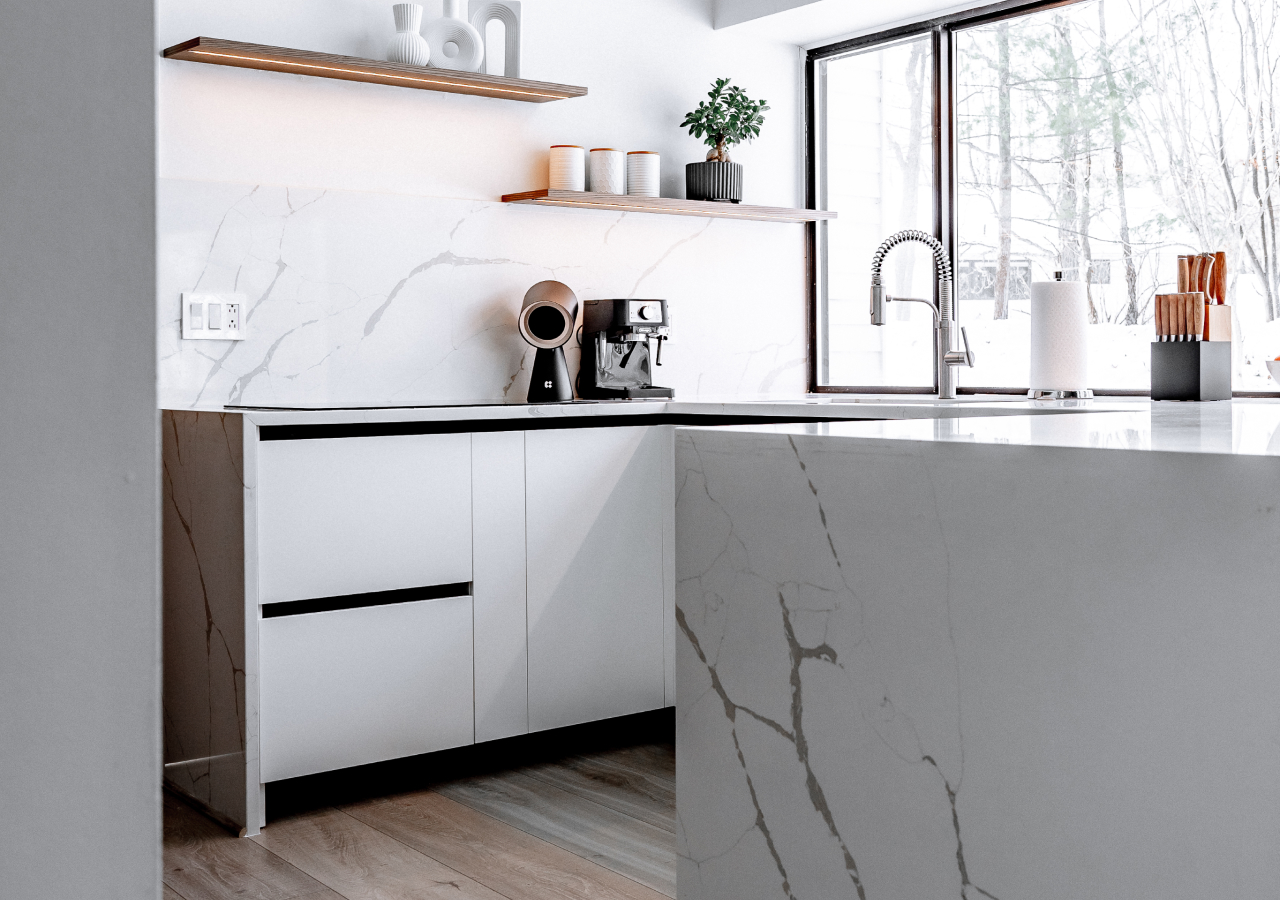
Cabinet structure affects the final result more than color alone. In a white kitchen, proportions, alignment, and cabinet runs are easier to notice because the palette itself is quieter. If the layout feels broken up, or if the appliances interrupt the flow too much, the room starts to look less considered.
That is why white European kitchens usually work best when the cabinetry is treated as one continuous composition. Tall units absorb bulk. Integrated appliances reduce visual interruption. Drawer lines and door lines are aligned so the whole kitchen reads more cleanly from one end to the other.
This helps practically as well. When more storage is built into full-height cabinetry and better-planned lower drawers, the counters stay clearer and everyday use becomes easier. The kitchen looks better, but just as importantly, it functions better too.
Why White Needs Controlled Contrast

White kitchens usually go wrong in one of two directions. They either feel too stark, or they feel too flat. A good white European kitchen avoids both.
The contrast is usually softer than people expect. Instead of relying on sharp black-and-white contrast, it often comes from oak, walnut, warm off-whites, beige stone, or finishes with a little texture. These materials add depth without making the kitchen feel busy.
The goal is not to add contrast everywhere. It is to place it where it actually helps the room. A wood island, a warmer floor, a quieter stone surface, or one section that breaks up a long run of white cabinetry can do more than a collection of smaller decorative accents.
Material Balance in a White European Kitchen
Flooring Does a Lot of the Warmth Work
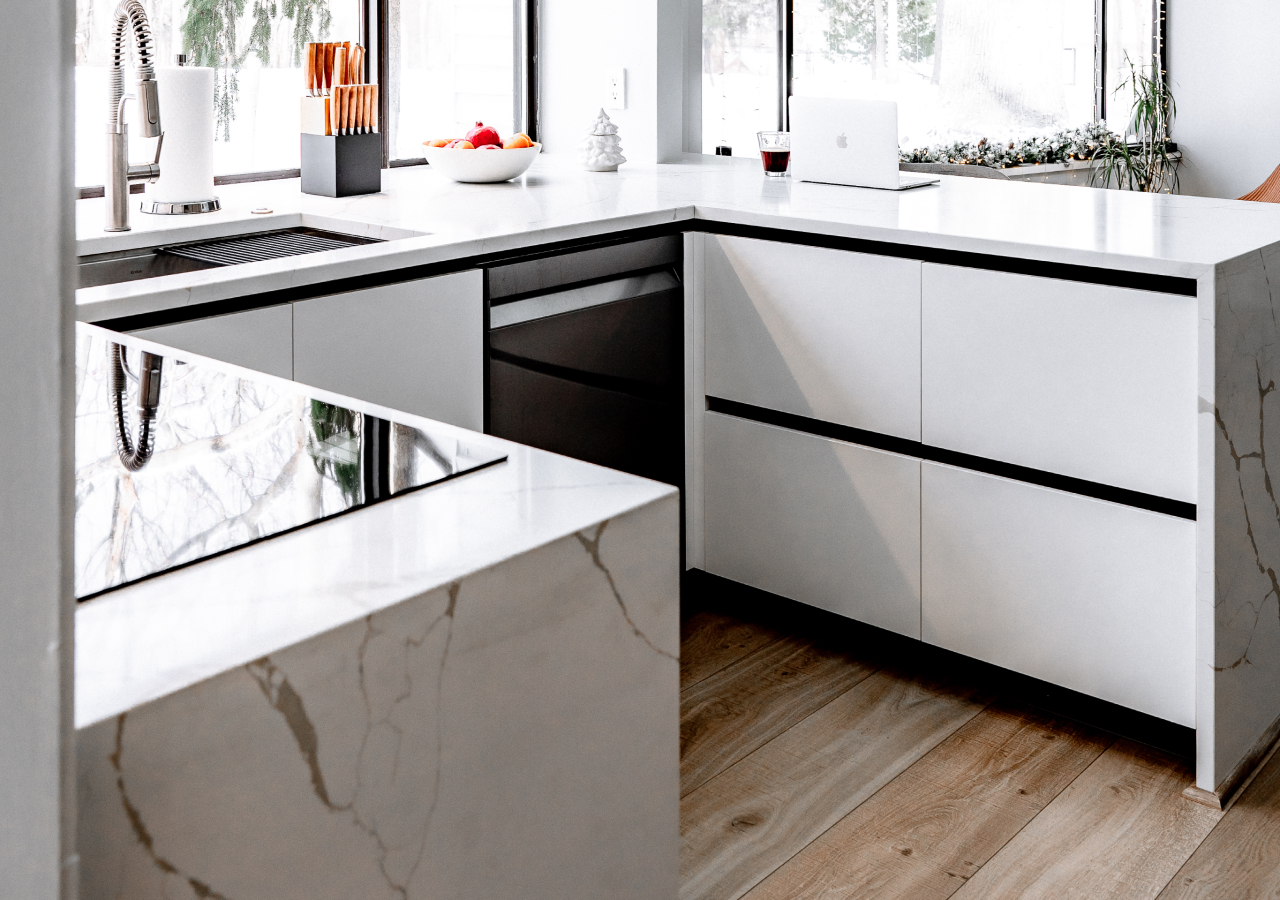
In many white kitchens, the flooring does more to create warmth than the cabinetry itself. It gives the room a base, keeps the kitchen from feeling visually disconnected from the rest of the home, and helps the white feel more settled.
That is why white European kitchens often work especially well with natural wood flooring or other warmer, grounded tones. Oak is one of the strongest options because it supports white cabinetry without making the room feel too yellow or too dark. It adds texture and warmth without crowding the space.
Vertical wood elements can help in the same way. A wood end panel, an open shelf, or a section of tall cabinetry framed in oak can make the room feel more anchored. The point is not to scatter wood everywhere. It is to place it where it has a clear effect.
Storage Is What Keeps the Look Intact
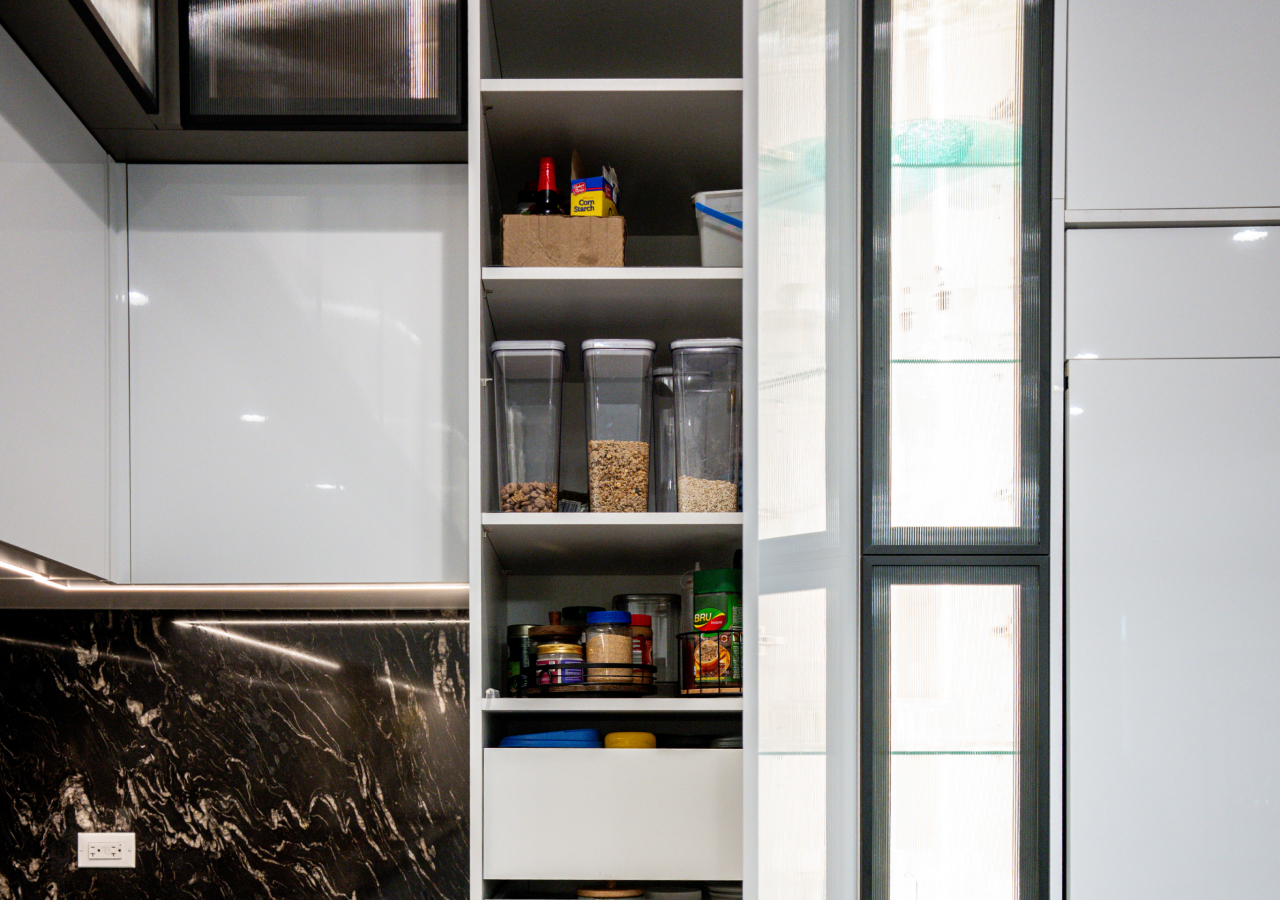
A white kitchen only stays clean-looking if the storage is strong enough to support real daily use. Otherwise, coffee tools, small appliances, pantry overflow, and other everyday items begin to collect on the counters, and the design loses the clarity it started with.
This is one of the biggest strengths of the European approach. A kitchen can look visually simple because more of the function has been absorbed into concealed storage. Deeper drawers, internal organizers, pantry pull-outs, hidden waste bins, and appliance garages all help the room stay cleaner in daily use.
These features are not just extras. They are a major part of why the kitchen works over time. When the storage is doing its job, white cabinetry feels calm and intentional. When it is not, the room starts to feel exposed no matter how good the materials are.
Lighting Changes How White Reads
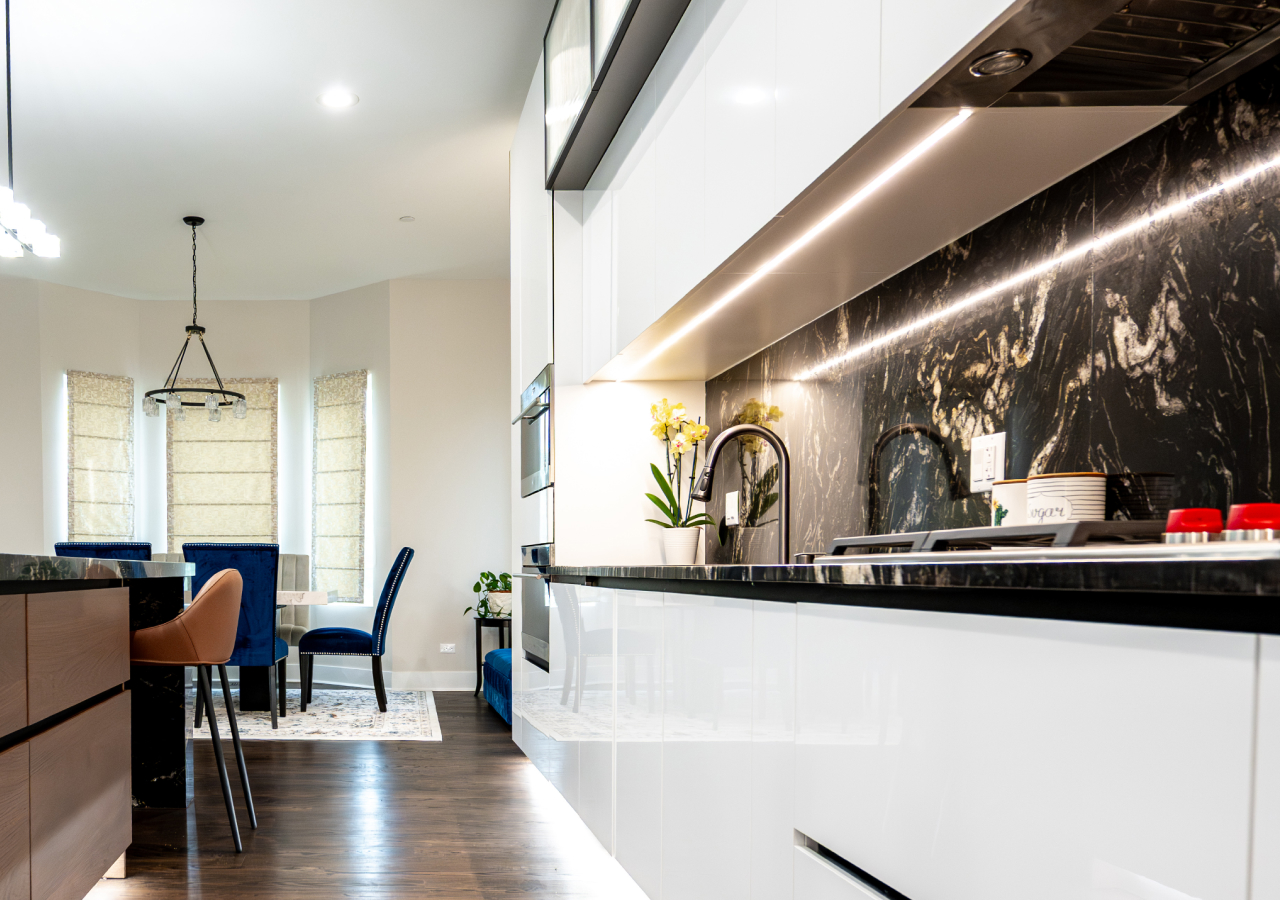
White surfaces react strongly to light. The same kitchen can feel warm and soft in one room, then cold and uncomfortable in another, simply because the lighting plan is different.
Layered lighting is what gives a white kitchen more range. Daylight helps the room feel open, but evening comfort usually depends on a mix of ambient light, task lighting, and softer accent lighting. Under-cabinet lighting, shelf lighting, and warmer light in the evening can make a major difference.
This is often where a technically clean kitchen either works or falls short. Even a strong material palette can feel uncomfortable if the room relies only on overhead lighting. White needs some softness and variation in the light around it, otherwise it can start to feel clinical.
A Few Cost and Planning Tradeoffs Worth Knowing
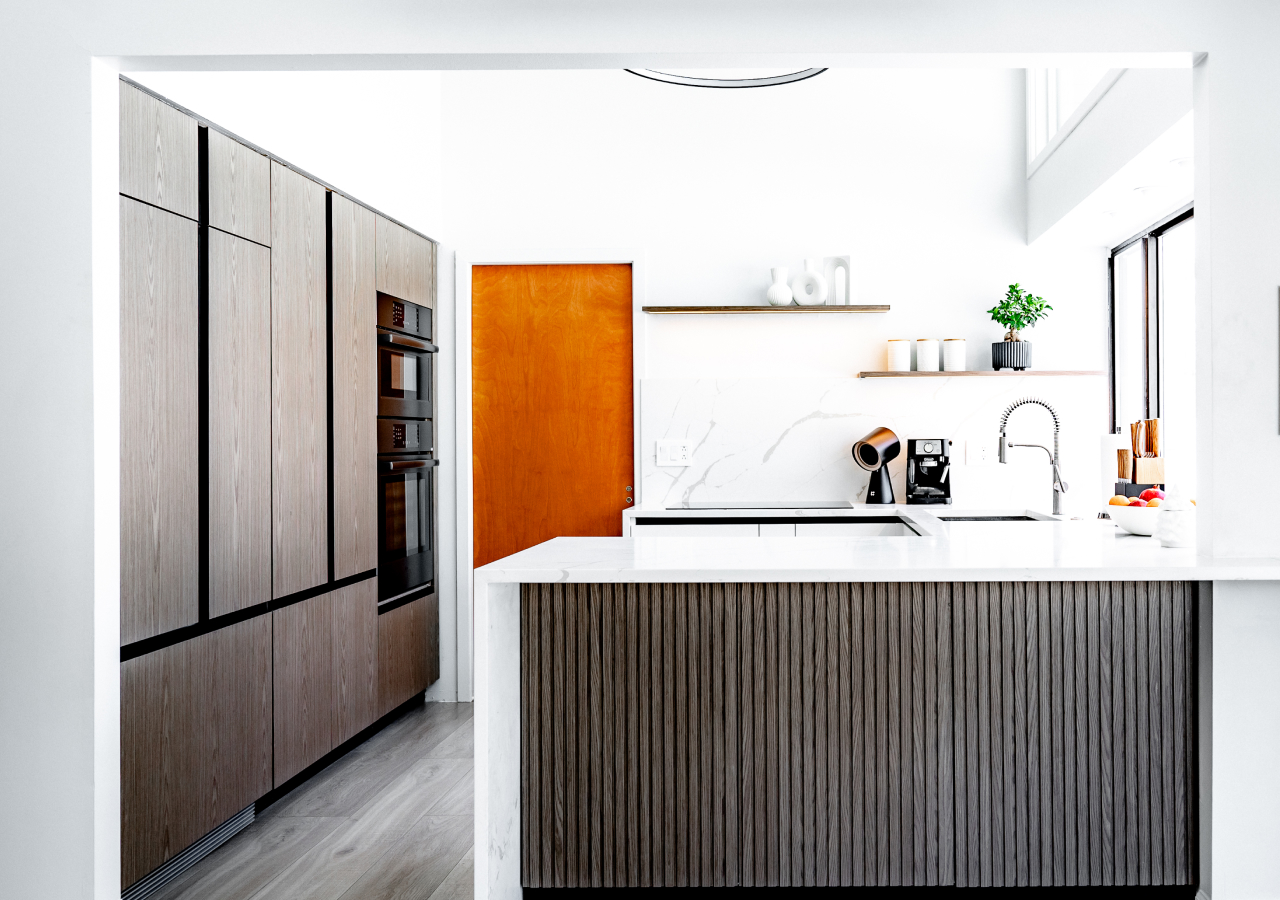
A white European kitchen can look simple, but that simplicity usually comes from more coordination behind the scenes. The extra cost is rarely about choosing white itself. It is more often tied to integrated appliances, taller cabinetry, internal fittings, and the level of detail needed to keep the whole kitchen looking clean and consistent.
That tradeoff is worth understanding early. A kitchen with better drawer organization, concealed appliance storage, and more carefully planned cabinetry will usually perform better over time than one that spends most of its budget on decorative finishes. In many cases, the value is behind the fronts rather than on them.
Common Cost Drivers in a White European Kitchen
Conclusion
A white European kitchen works when white is only one part of the decision, not the whole decision. The kitchens that feel best are usually the ones where storage, cabinet planning, flooring, contrast, and lighting have all been handled with the same level of care.
That is also what keeps them from feeling sterile. Warmth does not have to come from more styling or more objects. It usually comes from wood in the right place, a softer floor, calmer stone, better concealed storage, and lighting that gives the room some depth at the end of the day.
If you are comparing directions, it helps to look past the cabinet color and judge the kitchen more broadly: how integrated it feels, how well it stores daily-use items, and whether the warmth is built into the room rather than added on top. That is usually where the best white kitchens separate themselves from the forgettable ones.

.webp)


