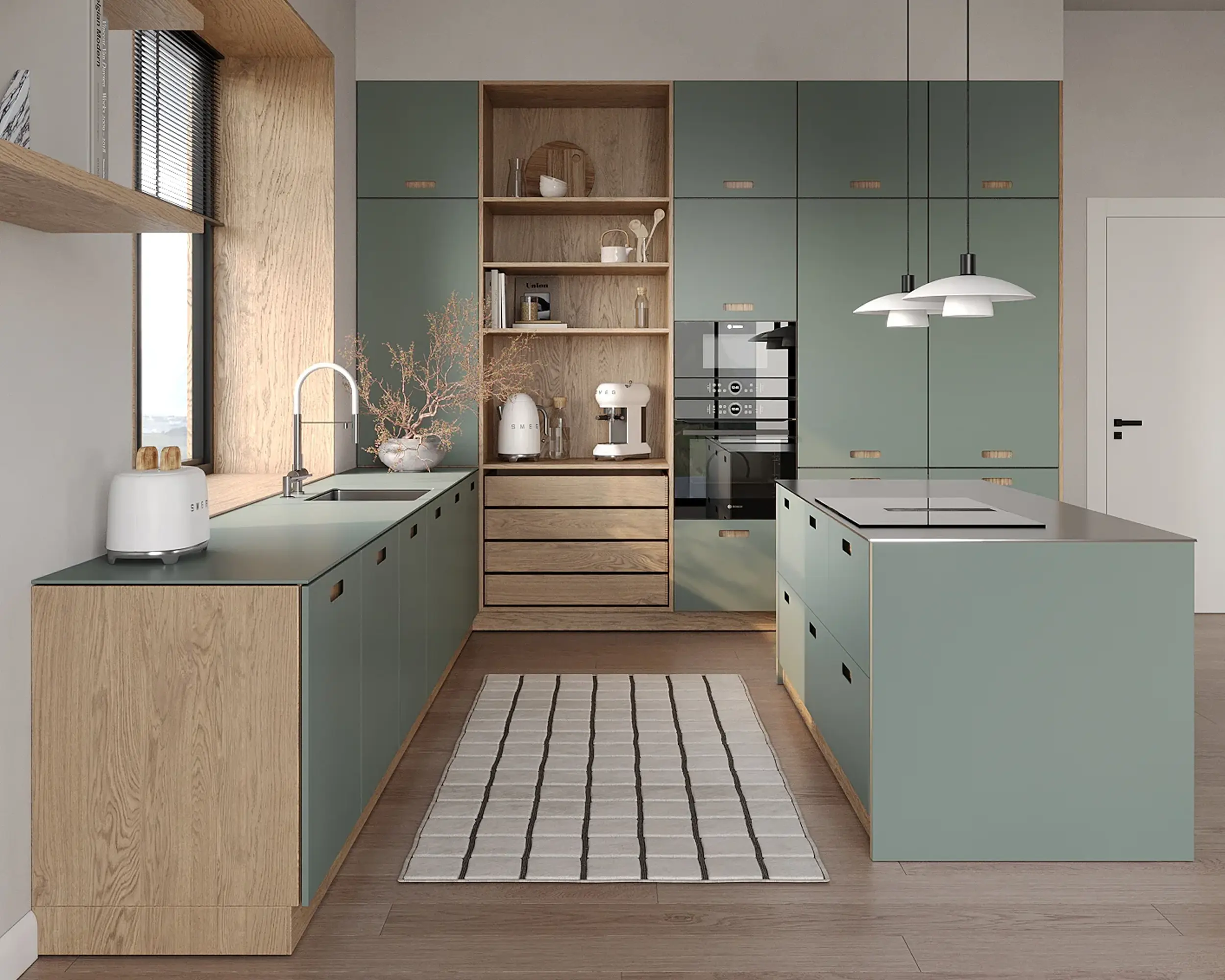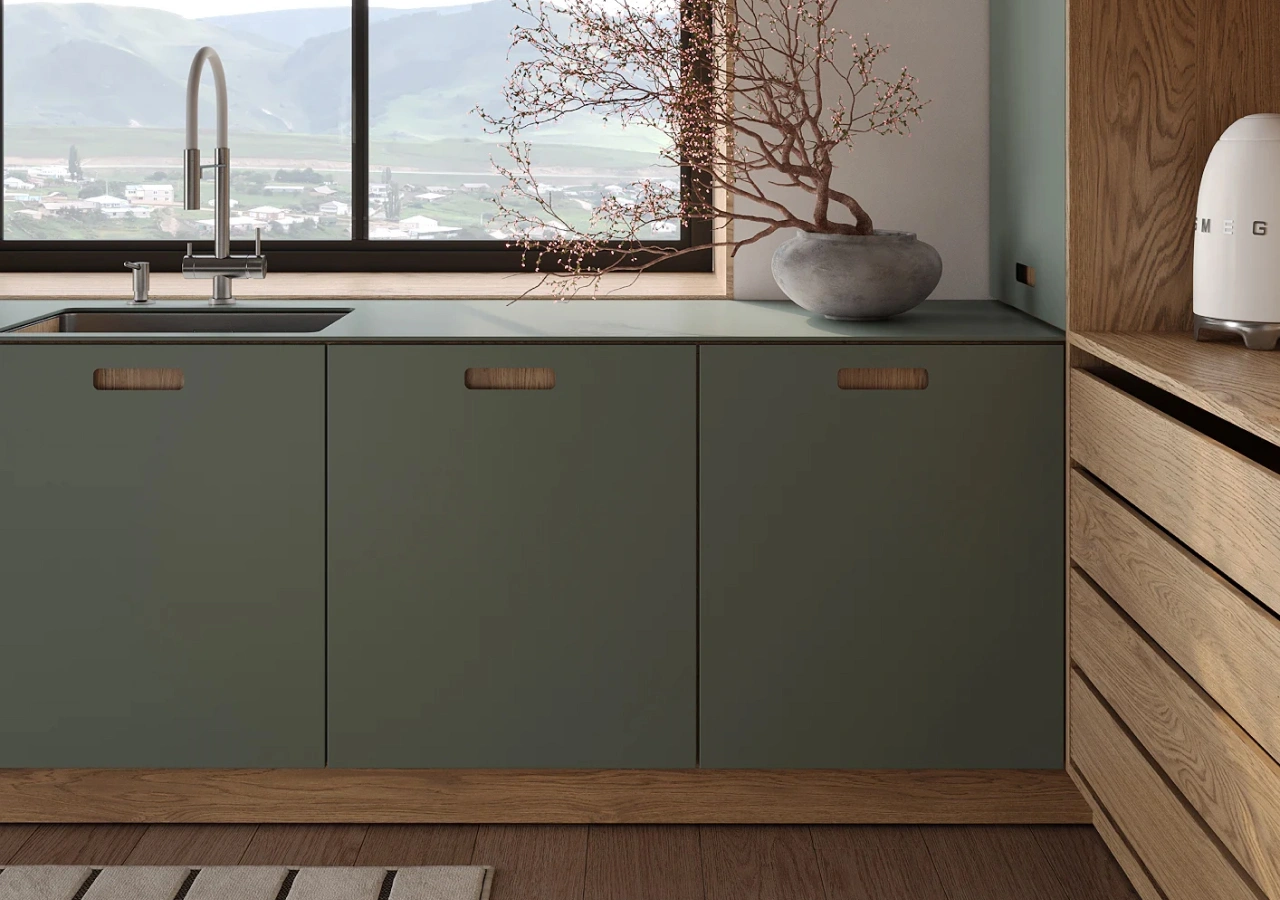
Scandinavian kitchen hardware can disappear almost completely or become a small detail that adds warmth to the room. Either approach can work. The more important question is what happens when you start opening drawers, unloading the dishwasher, taking food from the pantry, or pulling out the trash several times a day.
A calm kitchen still needs storage that is easy to reach and cabinets that are comfortable to use. Scandinavian kitchen hardware includes integrated pulls, edge pulls, visible handles, knobs, and handleless opening systems such as Gola profiles and push-to-open mechanisms. The best option depends on the cabinet zone, front weight, frequency of use, appliance requirements, and how much direct contact you want with the cabinet surface.
Start With the Cabinet Zone, Not the Hardware Type
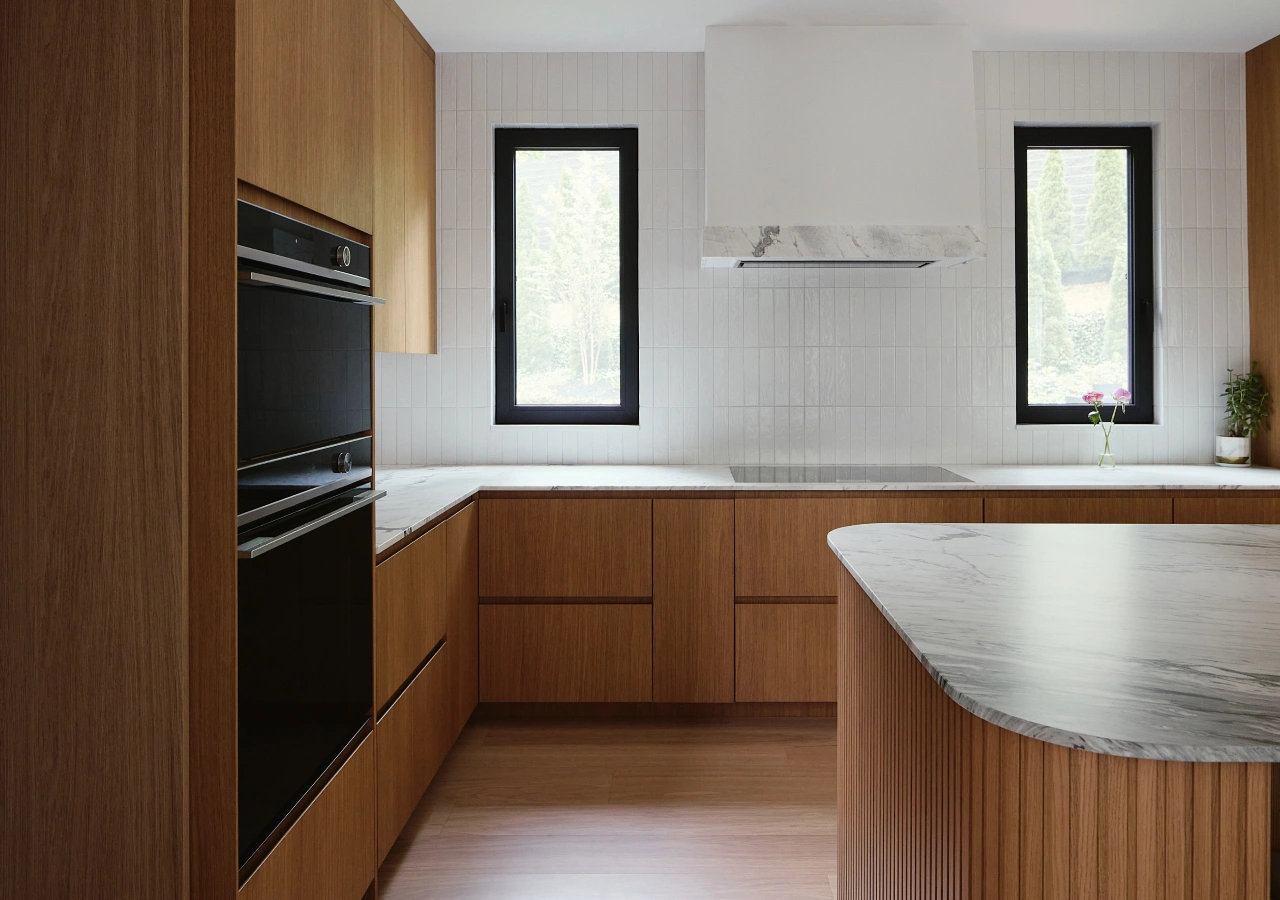
Choose kitchen hardware according to what the cabinet holds, how heavy the front is, and how often it will be opened. A light upper cabinet can use a much subtler grip than a loaded pot drawer, tall pantry door, or panel-ready refrigerator.
It is easy to begin with a visual preference. You may want a completely handleless kitchen, slim edge pulls, or small wood handles that almost disappear against oak cabinetry. But one opening system does not necessarily need to cover the entire room.
Frequency, weight, grip, and cleaning should come first. Once those decisions are clear, the hardware can be coordinated so the kitchen still reads as one simple composition.
Scandinavian Kitchen Hardware by Cabinet Zone
There is no single best type of Scandinavian kitchen hardware. The strongest choice usually depends on what sits behind the front and how often it is opened.
The table is a starting point rather than a rule. A kitchen might use integrated pulls across the main drawer run, small knobs on selected upper doors, and stronger handles on appliance or waste panels. If the finish, placement, and proportions remain consistent, the result can still feel distinctly Scandinavian.
Integrated Pulls vs Edge Pulls vs Handles vs Knobs
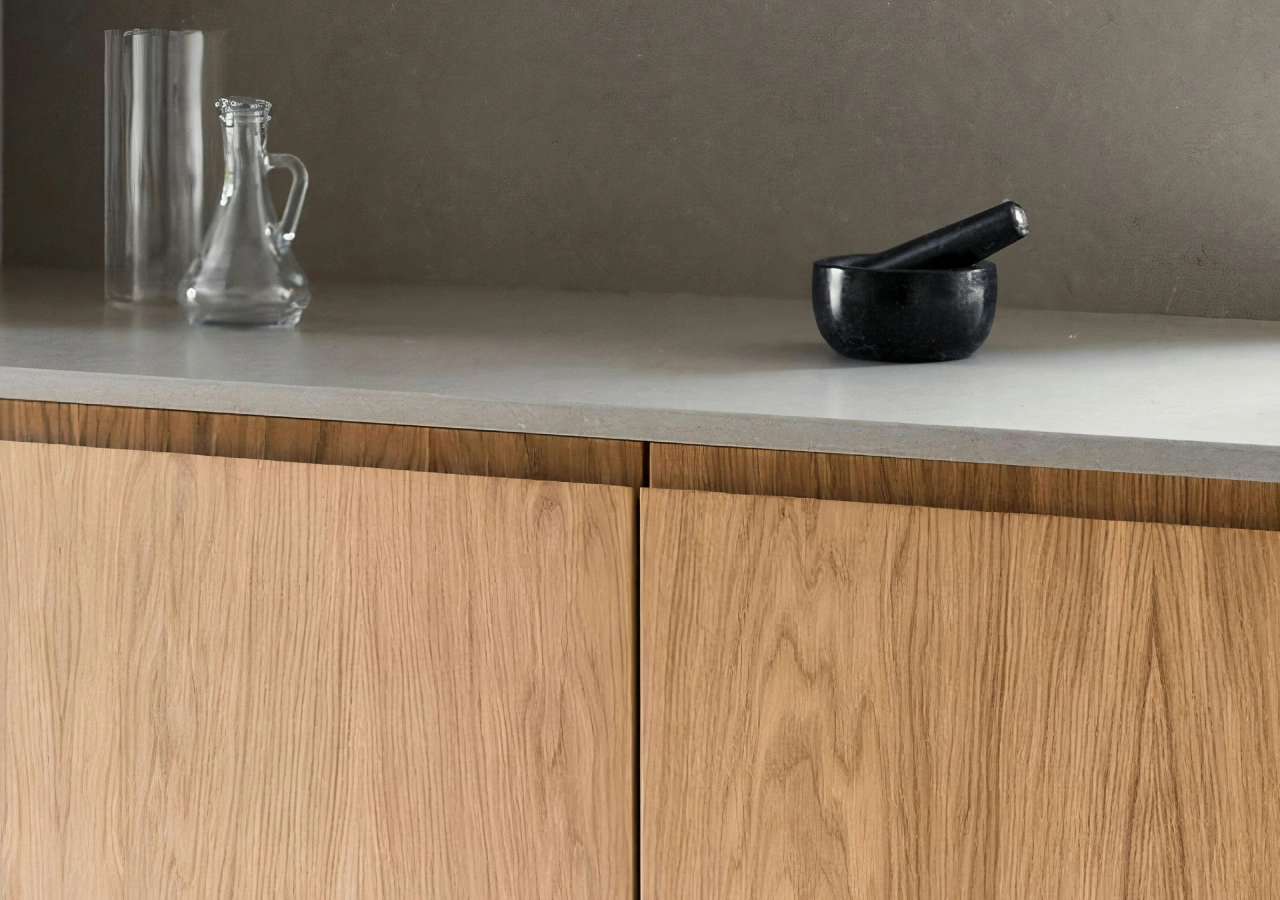
The main difference between opening systems is how much hardware you see and how much grip they provide. Integrated and edge pulls usually balance a minimal appearance with a defined place to hold, while visible handles provide more leverage for heavier fronts.
Integrated pulls and edge pulls often provide the best balance between a handleless appearance and a reliable grip. Visible handles make more sense where greater leverage is useful, while push-to-open creates the cleanest surface but requires direct contact with the cabinet front.
Where Handleless Looks Work Best
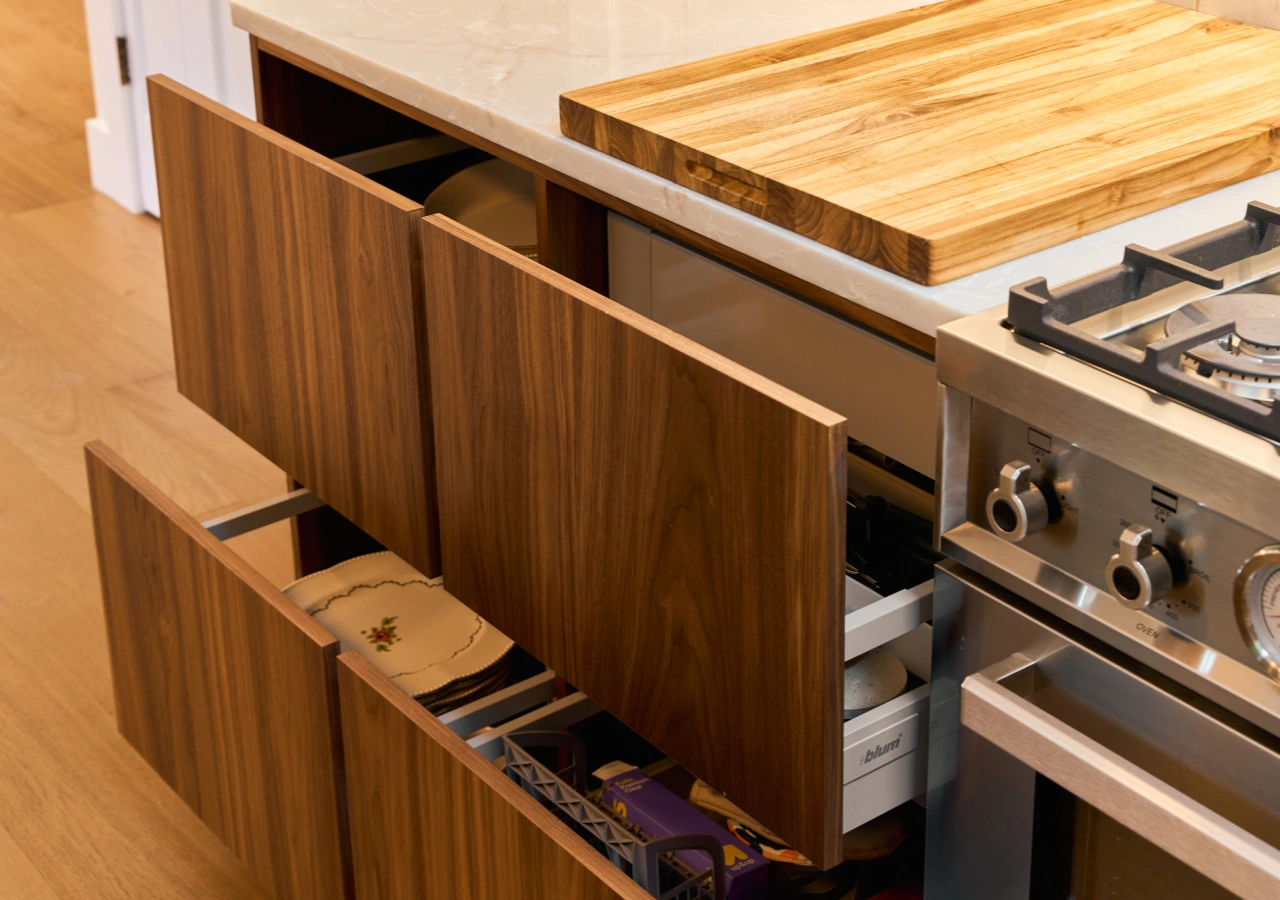
Handleless hardware works best where continuous cabinet lines are important and the front can still be opened comfortably. Integrated pulls, J-pulls, and Gola-style systems are particularly suited to islands, drawer banks, base cabinets, and tall storage walls.
They fit Scandinavian kitchens because they reduce visual interruptions across slab fronts. Oak grain, matte color, appliance panels, and long cabinet runs can remain the main features instead of being divided by rows of hardware.
Push-to-open takes the idea further because there is no visible grip at all. It can work well on selected fronts, particularly where the cabinet is not being opened constantly, but it does not need to become the default across the entire kitchen. Trash pull-outs, heavy drawers, and frequently used storage usually benefit from a more defined grip.
For a closer look at the systems themselves, see our guides to handleless kitchen cabinet options and Gola profiles vs J-pull handles.
Where Handles and Knobs Make More Sense
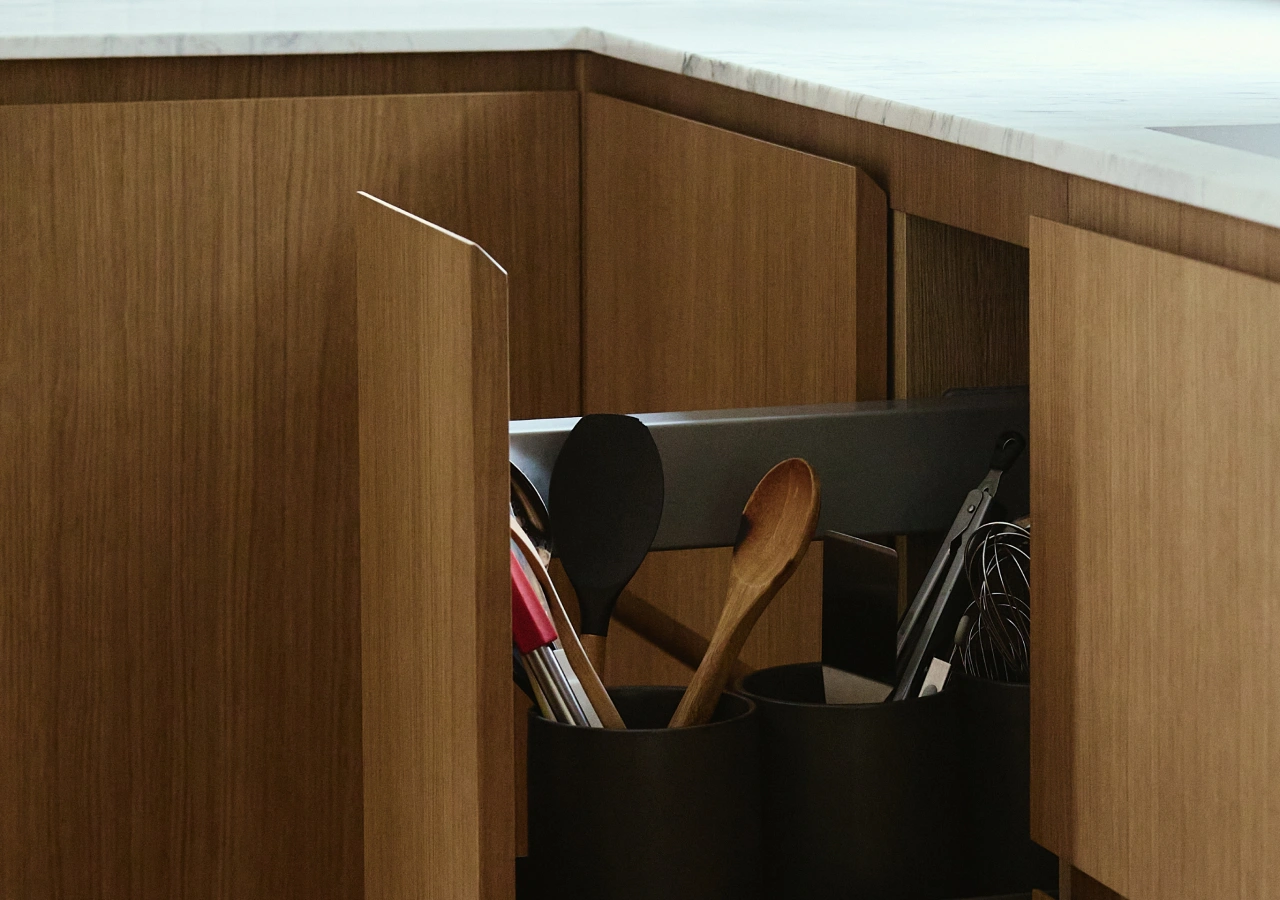
Visible Scandinavian kitchen handles are useful when a cabinet needs a stronger or more intuitive grip. Heavy drawers, waste pull-outs, tall pantry doors, and some appliance panels often benefit more from a handle than from an extremely shallow recessed opening.
Simple metal pulls, slim edge handles, and solid wood handles can still look restrained. A narrow oak or walnut handle can also repeat the cabinetry or nearby furniture, adding a tactile detail without making the kitchen visually busy.
Knobs are better suited to lighter doors where a long grip is unnecessary. They can work on selected upper cabinets, bar storage, or coffee stations. Mixing them with integrated pulls is not a problem when the change has a functional reason, and the finish remains coordinated.
Fingerprints, Wet Hands, and Daily Cleaning
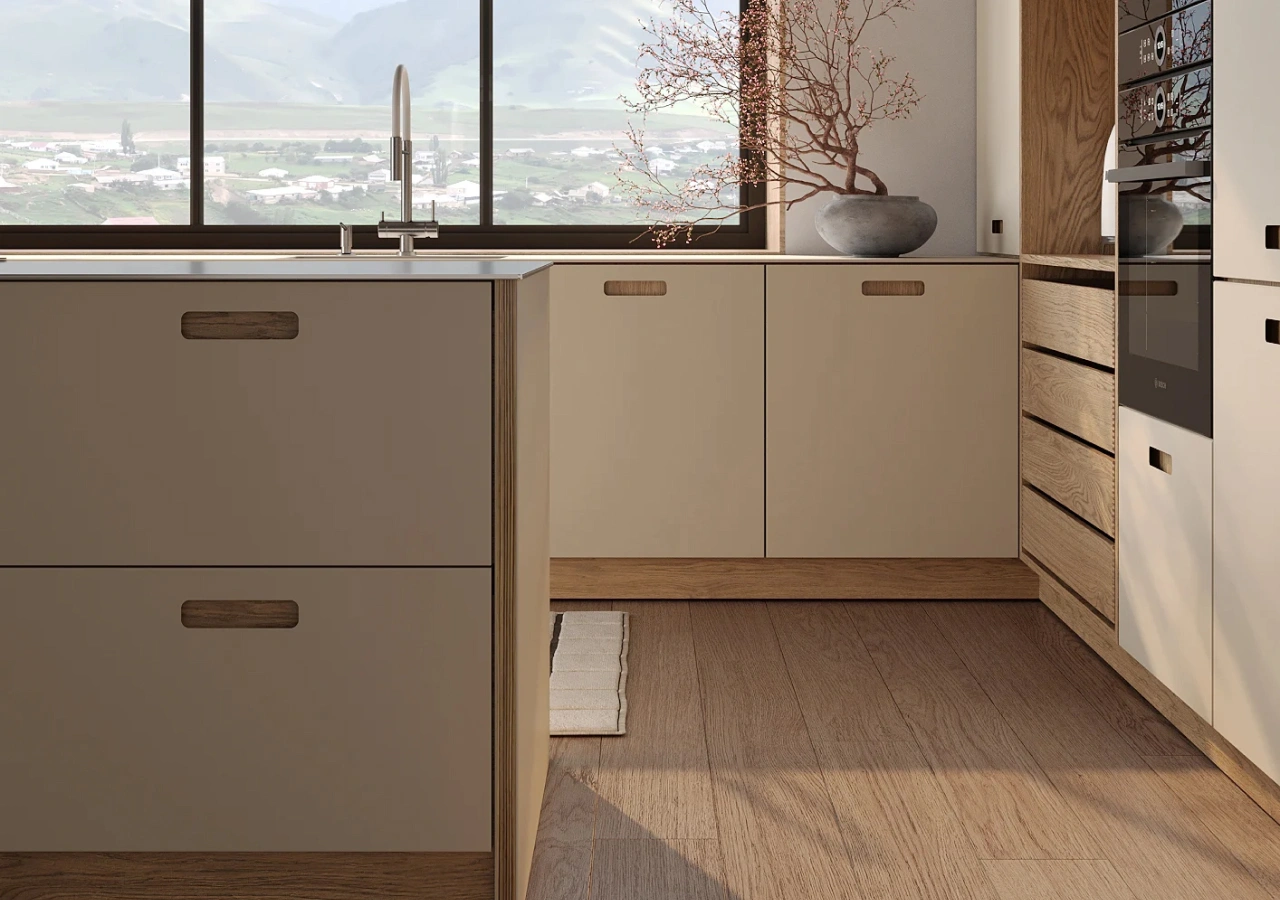
The opening system determines where fingerprints and cooking residue collect. Push-to-open places your hand directly on the cabinet front, while integrated grips, edge pulls, handles, and knobs move much of that contact toward an edge or separate piece of hardware.
This matters most around high-use zones such as the dishwasher, trash pull-out, prep drawers, and pantry. Dark or very smooth fronts can make fingerprints more noticeable, while matte and fingerprint-resistant finishes may reduce their visibility.
Handleless therefore, does not automatically mean easier to clean. If direct contact with the cabinet surface bothers you on a sample, using push-to-open on every frequently opened front may not be the most practical choice.
Panel-Ready Appliances Need Hardware Decisions Early
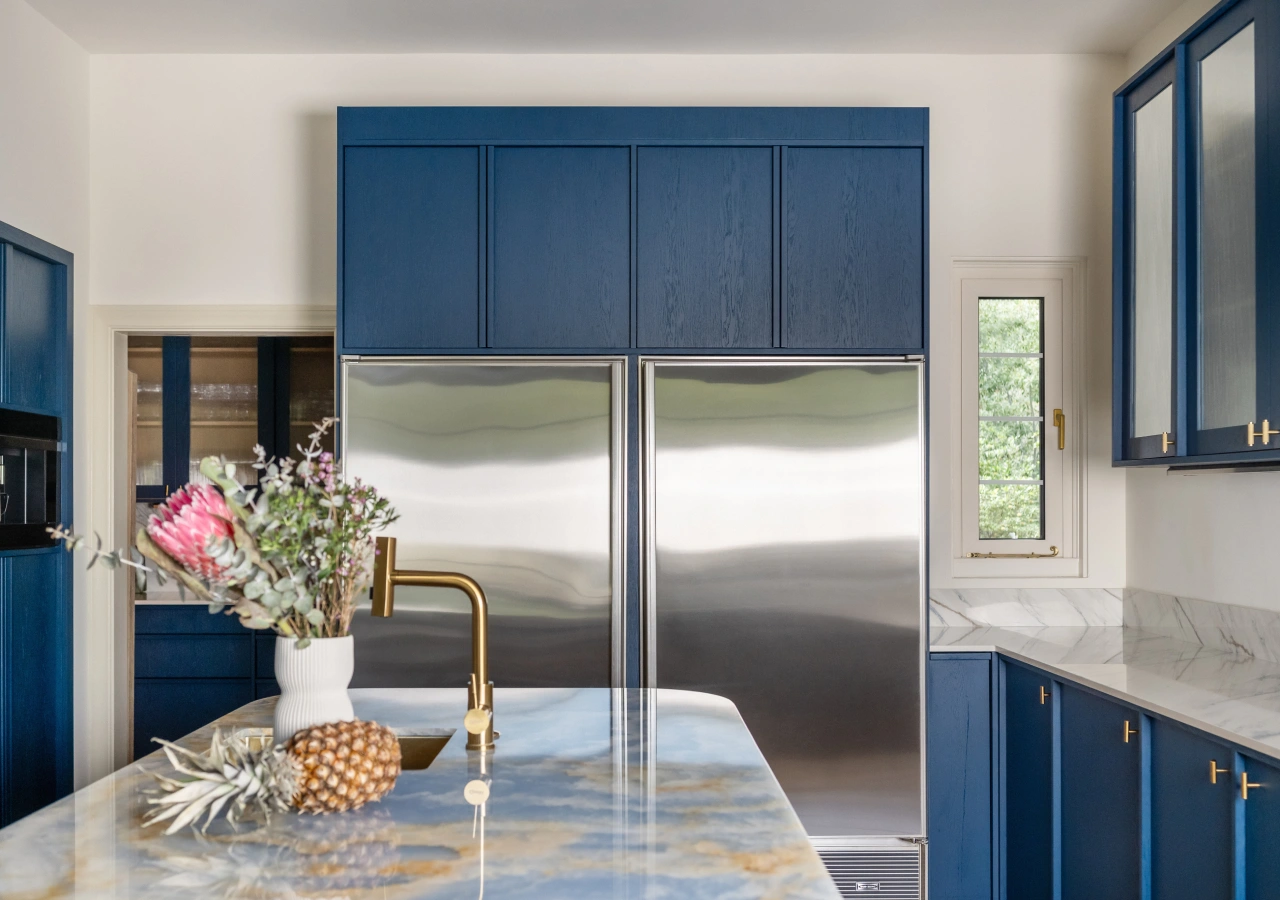
Select hardware for a panel-ready dishwasher or refrigerator before finalizing cabinet drawings. Handle position, panel dimensions, hinges, appliance clearances, and door movement can all affect the cabinet design.
A dishwasher panel needs to open comfortably while respecting the appliance specifications and surrounding cabinetry. A panel-ready refrigerator can add requirements for panel weight, hinges, ventilation, and door swing.
The hardware also affects the composition of the appliance wall. A tall handle can intentionally repeat pantry hardware, while an integrated opening can make the refrigerator read more like surrounding cabinetry. For more detail, see our guides to integrated appliances in Scandinavian kitchens and panel-ready appliance planning before final cabinet drawings.
Conclusion
The best Scandinavian kitchen hardware should keep the cabinetry visually calm while making everyday use comfortable. Integrated pulls, edge pulls, and Gola systems work well for minimal fronts and continuous cabinet lines, while visible handles and knobs can be more practical for pantry doors, appliance panels, trash pull-outs, and heavy drawers.
Push-to-open can create the cleanest look, but it is usually better suited to selected areas than to frequently used storage. There is also no need to use one opening system throughout the entire kitchen. Choosing hardware by cabinet zone can improve grip, cleaning, and usability while keeping the overall design cohesive.
Look at full Corner Renovation kitchen projects to see how integrated pulls, slim handles, appliance panels, and wood fronts work together across complete layouts.