
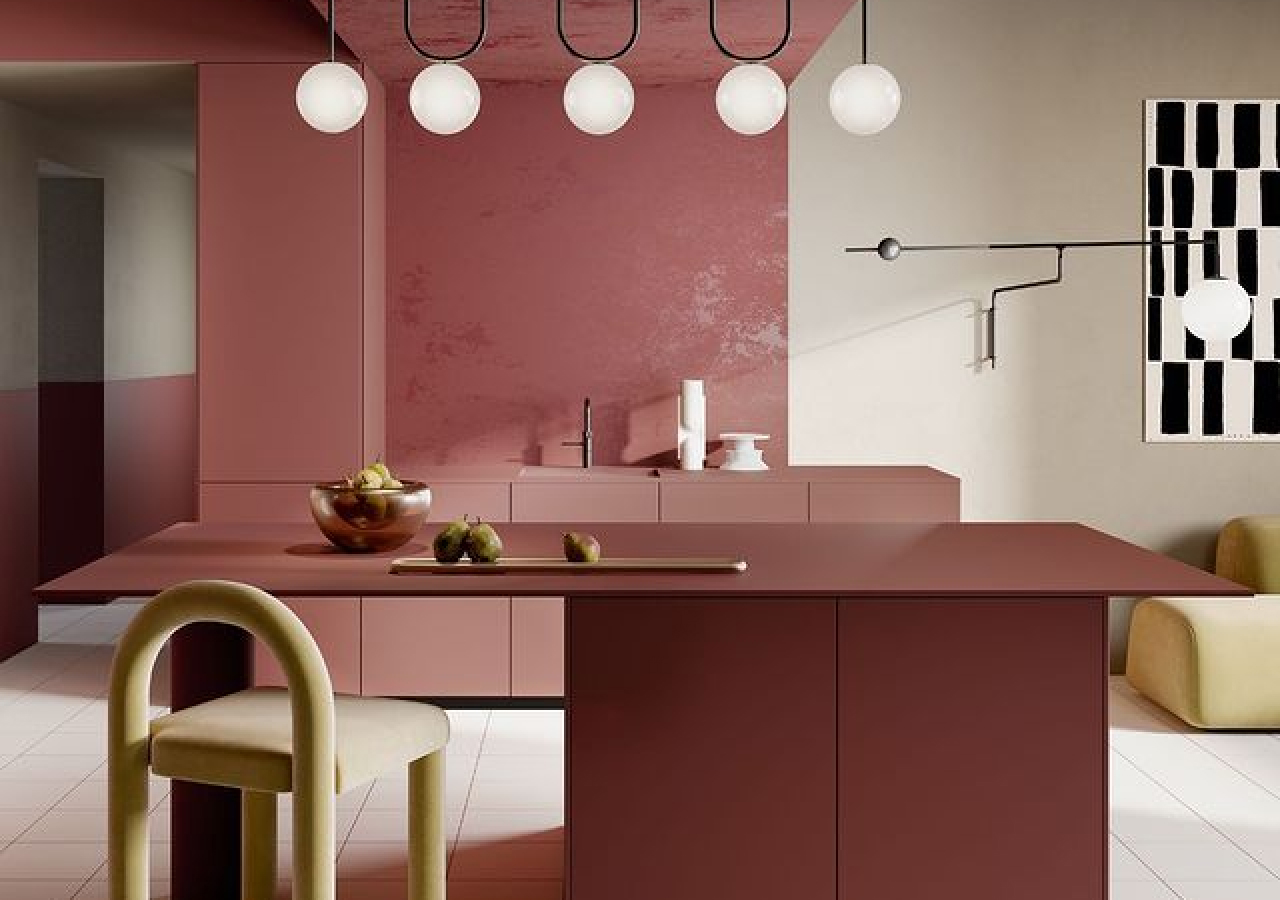
Fenix NTM countertops are made for modern kitchens that feel calm, not shiny. If you like matte surfaces, soft neutrals, and clean lines, Fenix is one of the most design-forward options because it stays visually quiet in real life. The finish is low-reflective, smooth to the touch, and it tends to look cleaner between wipe-downs than glossy materials. It is also practical, but it comes with a clear tradeoff: Fenix rewards good habits. Use cutting boards, treat heat with respect, and avoid abrasive cleaning, and it can look consistent for years.
This article explains what Fenix is, where it performs best, what daily care actually looks like, and when a stone or sintered surface may be the smarter choice. If you want a direct comparison, see Fenix NTM cs stone countertops.
Introducing the Fenix NTM Countertop
.jpg)
Fenix NTM is a nano-tech matte surface made with acrylic resins and advanced processing designed to create a dense, highly opaque finish. The visual effect is the main reason people choose it. It reduces glare, softens the look of the room, and keeps the countertop from becoming the loudest element in the kitchen.
In everyday use, Fenix is generally easy to maintain. It handles common kitchen mess well, and the surface is designed to reduce the look of fingerprints compared to many glossy finishes. It can also be more forgiving with fine surface wear than shiny materials, since matte finishes tend to hide small marks better.
Fenix NTM at a Glance
| Topic | What it means in real life |
|---|---|
| Look | Matte, low-glare, visually calm |
| Feel | Soft-touch surface |
| Cleaning | Simple daily wipe-down, avoid abrasives |
| Heat | Not for direct hot pans, use trivets |
| Scratches | Better at hiding fine marks than glossy, but not scratch-proof |
| Best fit | Modern, minimalist kitchens where consistency matters |
Caring for the Fenix NTM Countertop: Tips and Tricks
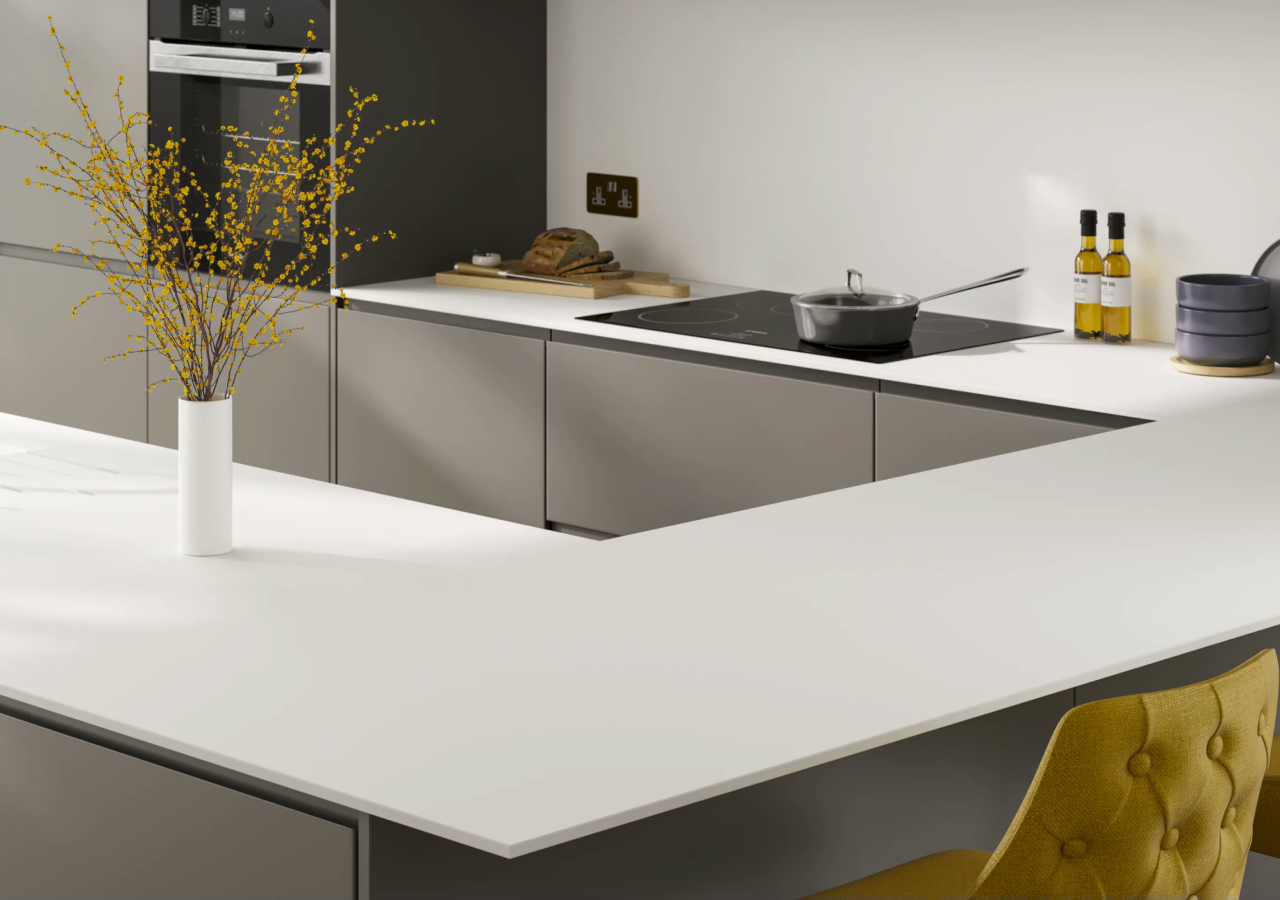
- Daily cleaning: Warm water and a microfiber cloth handle most mess. A gentle household cleaner is usually enough for cooking residue. Dry after wiping to avoid streaks on the matte finish.
- What to avoid: Skip abrasive pads, gritty powders, and harsh degreasers. These can dull the finish and make the surface look uneven over time.
- Heat reality: Fenix is not a hot-pan surface. Always use trivets or heat mats, and avoid leaving heat-generating appliances directly on the countertop for long periods.
- Scratch reality: Use cutting boards and avoid dragging rough items across the surface. Fenix may reduce the visibility of very fine marks, but deeper scratches, chips, and edge damage do not disappear.
- Spills and staining: Wipe spills sooner rather than later, mainly coffee, wine, turmeric, berries, and oil-based residues, which can leave visible marks if ignored.
Pros of Fenix NTM Countertops
.jpg)
Fenix is a strong option if you want a countertop that supports a minimalist kitchen instead of competing with it. The matte finish reduces glare and helps the space feel more balanced. It also feels pleasant to the touch, which matters more than people expect when you use the countertop every day. For homeowners who prefer consistent color with no veining or pattern variation, Fenix delivers a controlled, uniform look.
From a practical standpoint, it is straightforward to clean with routine care. Many everyday marks are less obvious than on glossy surfaces, so the kitchen can look cleaner between deep cleans.
Cons of Fenix NTM Countertops

Fenix is not the best choice for homeowners who regularly place hot cookware directly on the counter. Heat protection is not optional. It also requires basic common-sense habits around impact and cutting. Edges, corners, and sink cutouts are the zones to protect, and the surface should not be treated like a chopping block.
Matte surfaces can also show certain residues differently than glossy ones. Oils, soap streaks, and mineral residue can be visible if the surface is not rinsed or dried. It is easy to manage, but it is part of the finish style. Finally, if you want strong natural movement, dramatic veining, or the depth of real stone, Fenix can feel too uniform.
Best Use Cases for Fenix Countertops
.jpg)
Fenix works best when you want the countertop to be calm and consistent. It is a great fit for islands where glare is distracting, for coffee bars and secondary runs where you want a soft matte touch, and for kitchens built around warm minimalism with wood cabinetry and quiet neutrals.
If your kitchen habits include placing hot pans on the counter, or if you want maximum toughness in high-impact areas, stone or sintered surfaces may be a better match. If you are deciding between these categories, check more details about Fenix NTM features.
When to Choose Stone or Dekton Instead
| Choose Fenix NTM if you want | Choose stone or Dekton if you want |
|---|---|
| Matte, low-glare visual calm | Higher heat tolerance and a more rugged “hot pan” mindset |
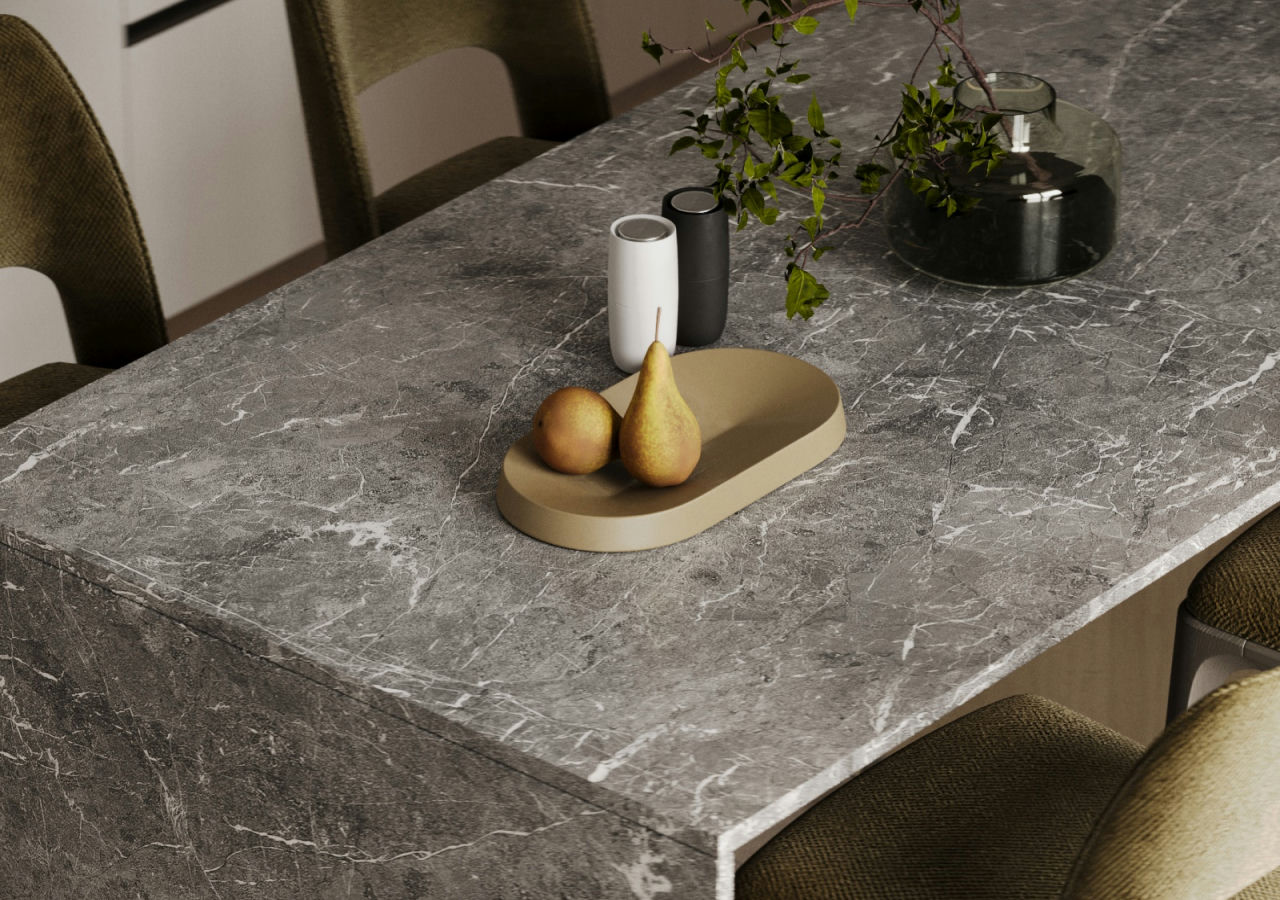
| Consistent, uniform color | Natural variation, veining, and depth |
| Soft-touch feel | A harder, more impact-tolerant surface in busy zones |
| Minimalist design control | More traditional or natural material expression |
Conclusion
Fenix NTM is a design-first countertop for modern kitchens that aim to feel quiet, balanced, and intentional. It delivers a matte, low-reflective look and a soft-touch surface that many homeowners prefer once they live with it. The key is matching the material to your habits. If you are comfortable using trivets, cutting boards, and gentle cleaning, Fenix can stay beautiful with minimal effort. If your kitchen is hard on surfaces, or you want higher heat tolerance and natural movement, you may be happier with stone or Dekton.

.webp)


