.webp)
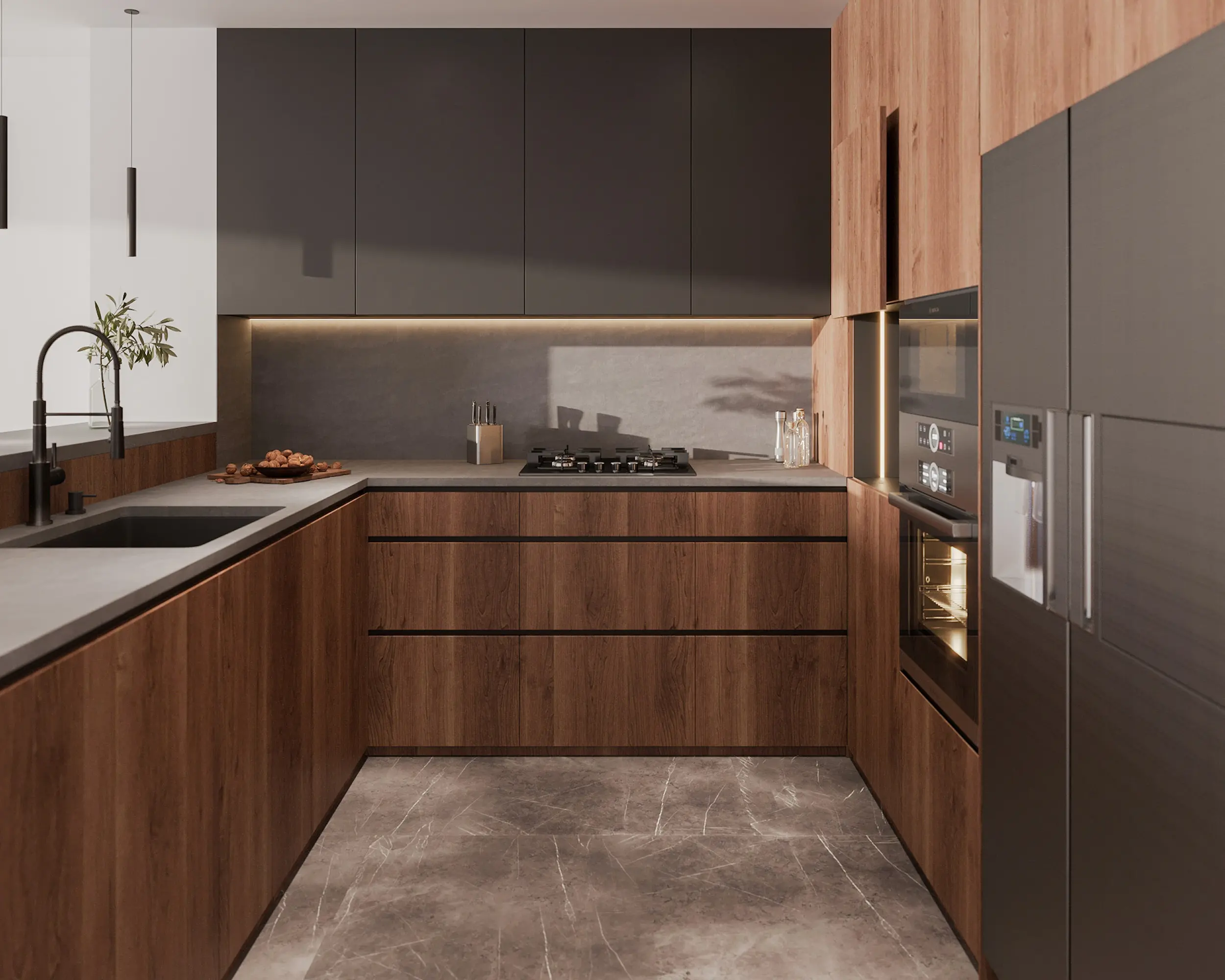
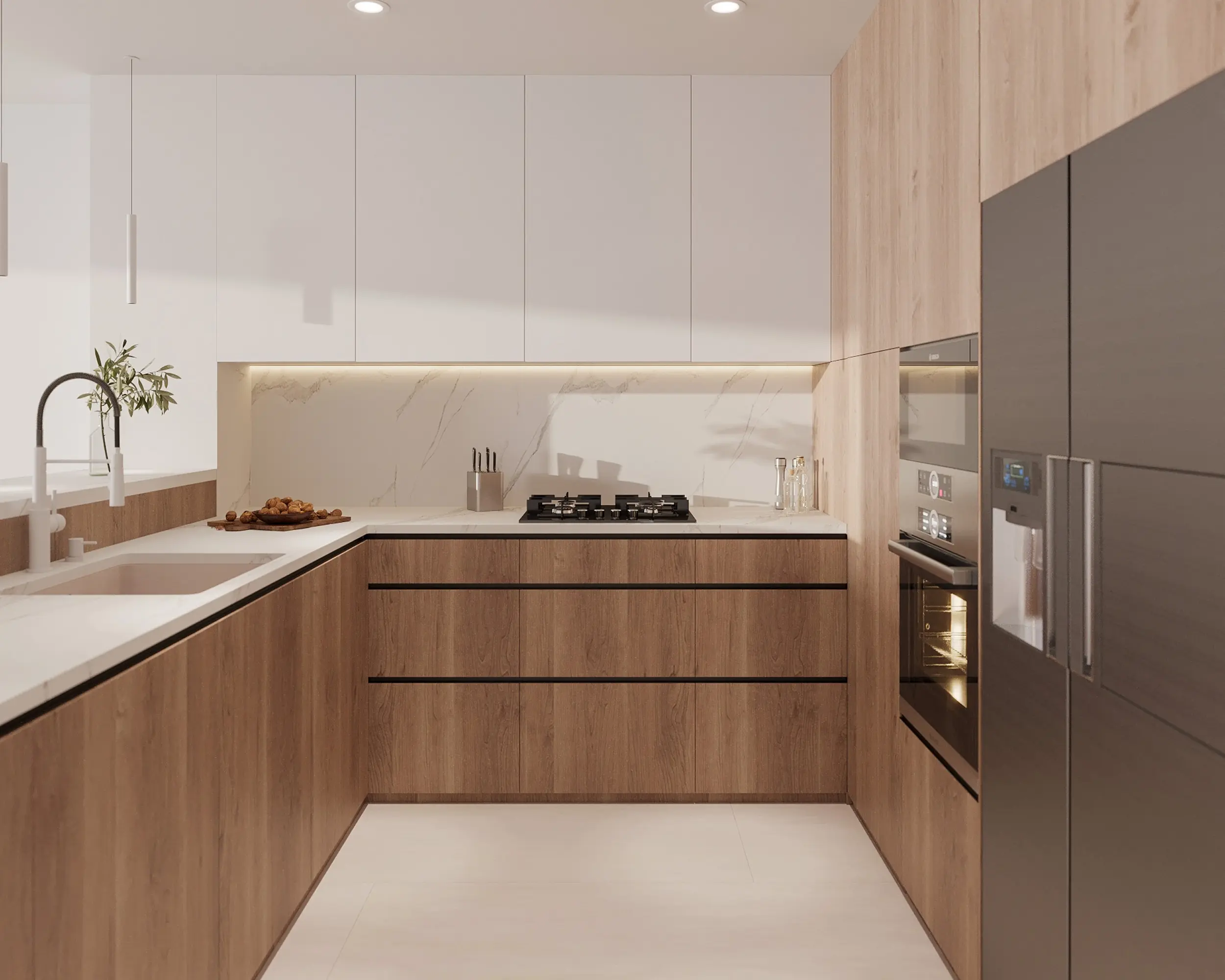
A modern loft kitchen has to do more than look good in isolation. In an open-plan loft, the kitchen is almost always visible from the living area, which means the design has to stay visually calm, easy to reset, and strong enough to hold its own as part of the wider space. That usually calls for cleaner elevations, better hidden storage, quieter ventilation, and lighting that works harder than it would in a more enclosed kitchen.
Loft kitchens also come with a different set of practical demands. Smells and noise travel more easily in open spaces, clutter is more noticeable, and in many lofts there are fewer upper cabinets, so storage planning has to be sharper from the start. The best loft kitchens balance that openness with warmth, structure, and enough concealed function to keep the room feeling composed.
Drawing on European kitchen design principles, Corner approaches loft kitchens as both living space and working space. The goal is not just efficiency, but a kitchen that feels integrated into the architecture of the loft while staying practical for everyday use.
Loft Kitchen Design Moves
| Loft kitchen challenge | Best design move | Why it works |
|---|---|---|
| Visual clutter in open plan | Integrated appliance wall and appliance garage | Keeps the kitchen elevation calm and easier to reset |
| Noise and echo | Quiet hood strategy, softer materials, layered lighting | Makes the kitchen feel less harsh in a large open room |
| Limited storage | Full-height pantry wall and drawer-first base cabinets | Builds more usable storage without crowding the room |
| Harsh industrial feel | Warm wood, matte finishes, textured stone | Softens the shell without losing the loft character |
| Grease and dust on display | Limit open shelving to one curated zone | Keeps the kitchen cleaner and visually calmer |
| Small appliances taking over counters | Pocket-door storage or appliance garage | Hides everyday mess while keeping access easy |
| Weak lighting in the evening | Task, ambient, and accent lighting with dimmers | Helps the kitchen feel warmer and more layered at night |
Seamless Integration of Appliances
.webp)
In a loft kitchen, integrated appliances do more than create a minimalist look. They help the kitchen read as part of the architecture instead of a collection of separate objects. That matters more in open-plan spaces, where the kitchen is visible from the sofa, dining table, and often the main entry view.
One of the most effective moves is to treat the tall cabinetry as a single integrated wall. Grouping the fridge, ovens, pantry storage, and sometimes even utility storage into one clean run helps reduce visual noise and gives the room a stronger structure. Panel-ready appliances are especially useful here because they allow the kitchen to feel calmer and more unified from across the space.
This approach also makes it easier to hide the messier parts of daily kitchen use. A loft kitchen benefits from surfaces that reset quickly, and integrated appliances support that better than a mix of exposed finishes and freestanding pieces.
Prioritizing Functional Layouts
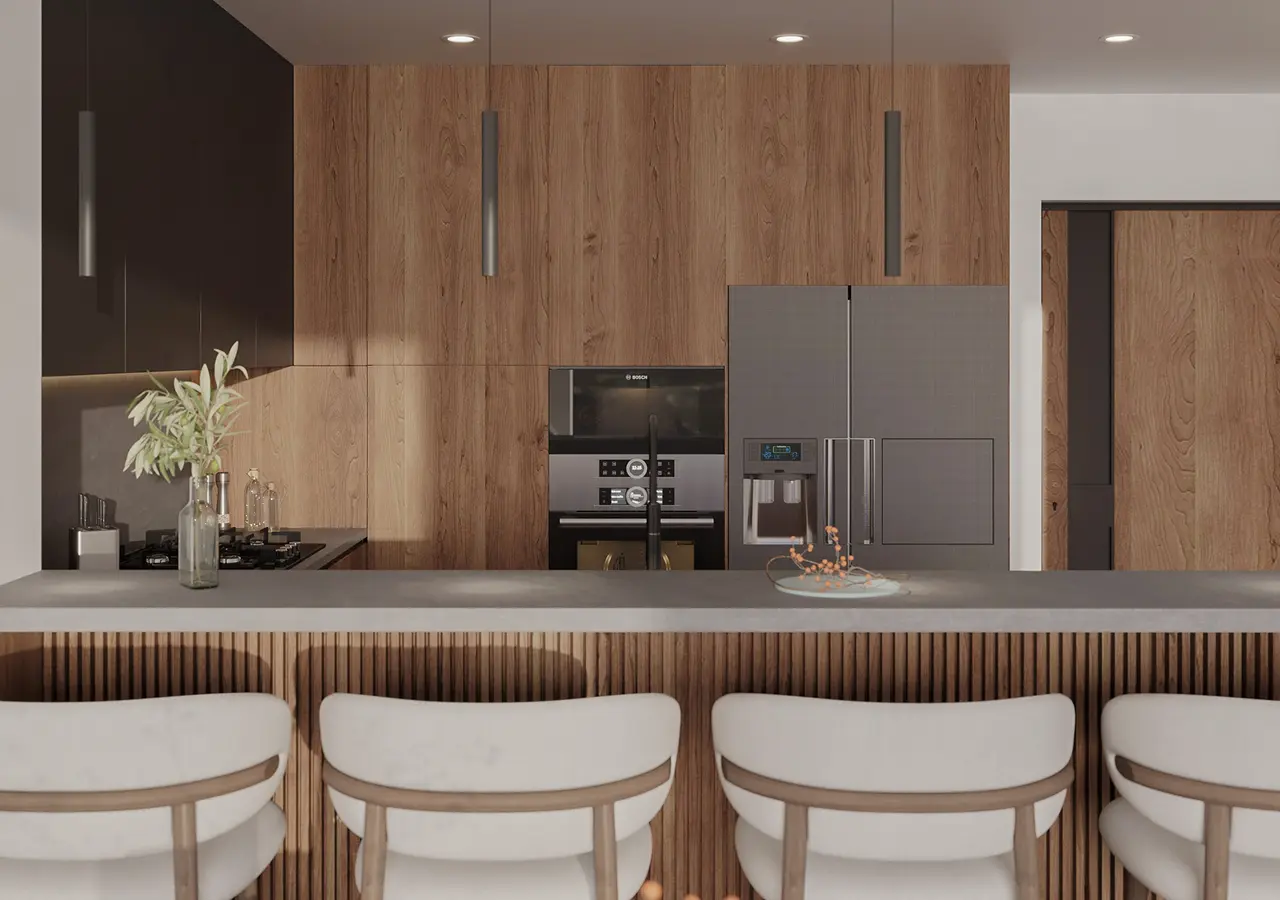
A loft kitchen layout should protect the working zones while respecting the flow of the surrounding room. In many lofts, people pass through or around the kitchen on the way to the living or dining area, so the layout needs to keep traffic from cutting directly through prep and cooking spaces.
Rather than focusing only on the traditional work triangle, it is often better to plan the kitchen in zones such as prep, cook, clean, serve, and store, similar to the layouts discussed in the kitchen floor plan guide. The goal is to place these functions in a way that supports daily use while keeping the busiest traffic path outside the main work area.
This is especially important when the kitchen includes an island. In a loft, the island often becomes both a working surface and a social edge, so it has to support circulation instead of interrupting it.
The Charm of Open Shelving

Open shelving can work in a loft kitchen, but it works best in a much more controlled way than many inspiration photos suggest. In open-plan spaces, shelves collect visual clutter quickly, and grease or dust is more noticeable when the kitchen stays on display all day.
That is why a single curated zone is usually the best approach. One shelf for glassware, a small niche for everyday ceramics, or a restrained display ledge can add warmth and personality without making the kitchen look busy.
Used this way, open shelving becomes an accent rather than a storage strategy. The heavier functional storage should stay behind doors or in drawers, where it is easier to keep the kitchen looking composed.
Investing in Quality Hardware
.webp)
Hardware matters even more in a loft kitchen because storage often has to work harder. When the design relies on fewer visible cabinets and cleaner exterior lines, the drawers and internal fittings that remain take on more daily use and more weight.
That makes quality drawer systems, hinges, and lift mechanisms worth prioritizing. Deep drawers often carry cookware, dishes, pantry items, or even small appliances, so they need to feel stable under heavy loads and smooth in constant use.
In a loft kitchen, good hardware is not just a finishing touch. It is what helps a minimal kitchen stay practical over time.
Soothing Neutral Color Schemes
A loft kitchen usually works best with a warm minimal base rather than strong contrast or decorative color accents. Since the kitchen is visually connected to the rest of the loft, the materials should feel calm, cohesive, and easy to live with.
Warm whites, soft taupes, gentle gray-beiges, muted stone tones, and natural wood finishes tend to work especially well. These palettes support light reflection without making the space feel cold, and they help the kitchen sit more quietly within an open room.
Low-contrast combinations are often more effective than sharp black-and-white schemes in loft kitchens. They create a softer backdrop and let material texture do more of the work.
Modern and Minimalistic Sinks
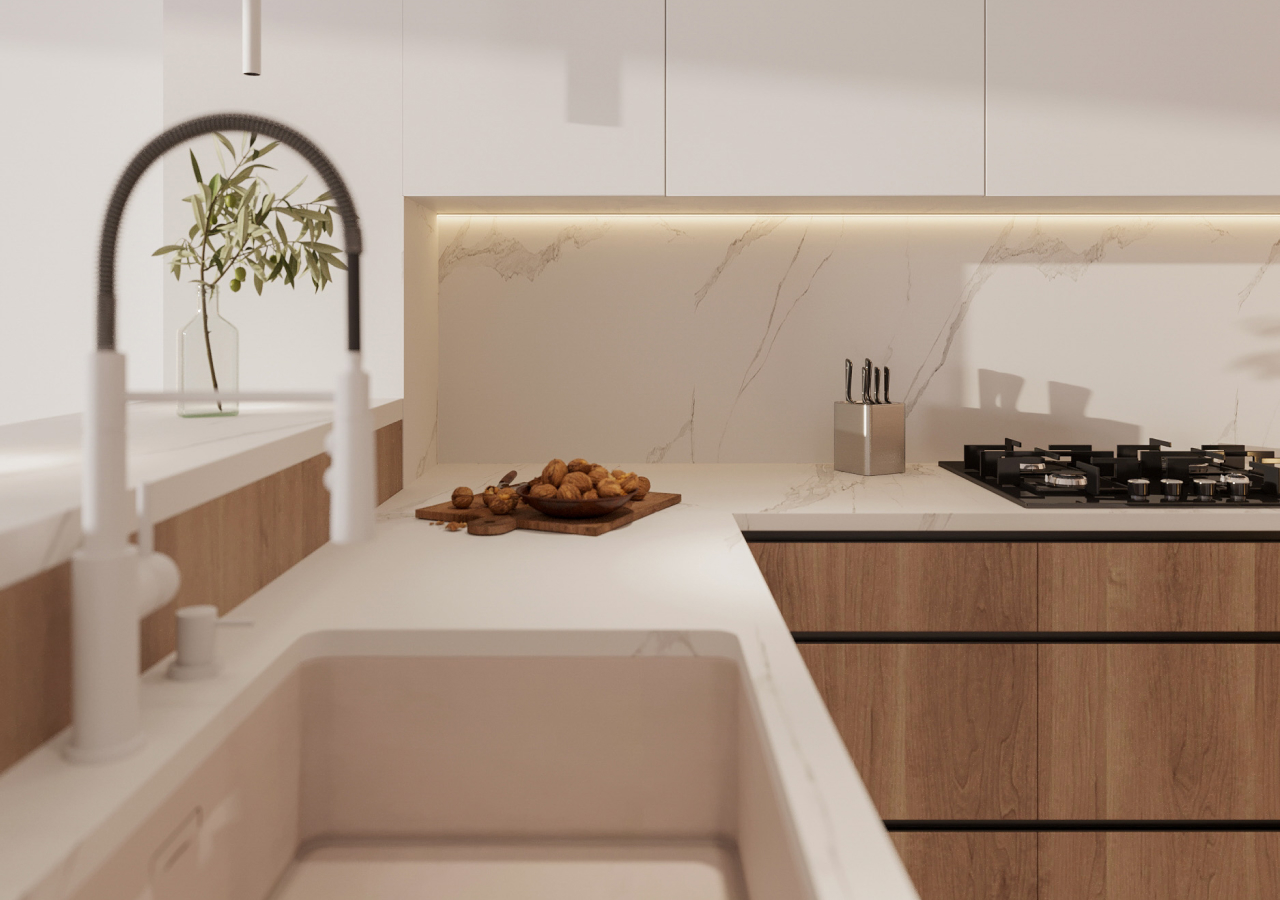
In a loft kitchen, sink choice should be driven by function and counter use rather than style alone. A simple undermount sink often works well when you want the counters to feel clean and uninterrupted. A workstation sink can also be useful, especially when the island or main counter needs to do more than one job.
What matters most is giving the sink proper landing space. In open-plan kitchens, clutter around the sink is highly visible, so the surrounding countertop needs to support a quick reset after cooking or cleanup.
The best sink for a loft kitchen is usually the one that supports your workflow without adding visual noise.
Bistro-Inspired Dining Spaces

A bistro-inspired dining setup can work beautifully in a loft kitchen, but it should be treated as a space-planning decision rather than just a decorative idea. In smaller lofts, a compact dining edge or casual seating zone can help the kitchen feel more social without requiring a large separate dining table.
The key is to make sure seating does not break your clearances. Whether you use an island overhang, a small round table, or a compact built-in banquette, the circulation around it still needs to feel comfortable.
In loft kitchens, the best dining spaces are the ones that support everyday use while staying visually light and proportionate to the room.
The Richness of Natural Materials

Natural materials are especially important in loft kitchens because they help soften the industrial shell that many loft spaces already have. Exposed concrete, steel, brick, and large windows can be beautiful, but they often need warmth and texture to feel comfortable enough for everyday living.
Wood veneer, matte lacquered fronts, textured stone, and other tactile finishes help bring that balance. They make the kitchen feel more grounded and less severe without fighting the architecture of the loft.
This is often where a loft kitchen becomes more personal. The structure of the space may be industrial, but the materials in the kitchen can make it feel warm, calm, and lived in.
Statement Lighting

Lighting does heavy lifting in a loft kitchen. Because many loft kitchens have fewer upper cabinets and sit inside a large open volume, they need a more deliberate lighting plan to feel finished and comfortable, especially at night.
The most effective approach is layered lighting. Task lighting supports prep and cleanup, ambient lighting fills the room more evenly, and accent lighting helps soften the kitchen after dark. Dimmers are especially important in lofts because a space that looks dramatic by day can feel flat or overly harsh in the evening without them.
Statement fixtures can still play a role, but they should be part of a larger lighting strategy rather than the only move.
Cultivating Fresh Herbs Indoors
.webp)
In a loft kitchen, greenery works best when it adds life without adding clutter. Instead of turning the kitchen into a display zone, keep it restrained: one rail, one shelf, or one windowsill grouping is often enough.
Fresh herbs can work beautifully this way because they add color, texture, and usefulness at the same time. A few well-placed plants near natural light can soften the kitchen and make it feel more alive without competing with the rest of the design.
The principle is simple: bring nature in, but keep it controlled.
Drawing inspiration from European kitchen design and from brands such as Nordiska, Corner Renovation aims to bring together clarity, warmth, and practical function in loft kitchens that feel integrated into the home rather than separated from it.
How to Plan a Loft Kitchen
- Define the always-visible sightlines. Start with the views into the kitchen from the living area, entry, and dining space. These sightlines shape how calm or cluttered the kitchen feels day to day.
- Choose an integrated appliance and storage wall. A full-height wall for refrigeration, ovens, and pantry storage gives the kitchen a cleaner architectural base.
- Place prep, cook, and clean zones away from traffic. Keep guests and everyday circulation from cutting through the most active parts of the kitchen.
- Lock ventilation early. In a loft, smells travel more easily, so hood planning matters more than it would in a more enclosed room.
- Go drawer-first on base cabinets. Deep drawers usually give faster access and better everyday storage than relying too heavily on doors and upper cabinets.
- Keep open shelving limited. Use one small display or access zone instead of spreading shelves across the kitchen.
- Layer lighting and add dimmers. A loft kitchen needs strong task lighting by day and softer ambient light in the evening.