
.webp)
A black minimalist kitchen can feel calm and welcoming when the design is planned like a system. Dark fronts make the room look sharper, and they also make clutter and lighting issues show up more quickly. Organization becomes part of the design because a countertop that turns into a parking lot for small appliances, cables, and mail will make the kitchen look busy, no matter how beautiful the cabinetry is.
Corner Renovation’s minimalist approach stays consistent across projects: start with layout and workflow, build storage that matches daily habits, then choose finishes and materials that support the plan. When storage is right, surfaces stay clear more days of the week, and the dark cabinet plane reads intentional rather than intense. This guide covers what a minimalist black kitchen looks like in real homes, plus the layout, materials, and lighting decisions that keep a dark minimalist kitchen practical.
What Black Minimalist Kitchens Mean in Real Life

A minimalist black kitchen reads calm when elevations stay continuous, reveals stay consistent, and the palette repeats on purpose. Storage keeps daily items off the countertop so the room stays visually quiet through normal use.
In open plans, black works best when it is concentrated into one dominant element, such as a tall run or an island, so the kitchen reads like a single, composed volume. Black also highlights inconsistency. Mixed finishes, scattered shelves, and frequent visual interruptions become contrast points, so the bold look tends to hold up best with fewer decisions applied more consistently.
Why Dark Minimalist Kitchens Feel Bold, Architectural, and Timeless
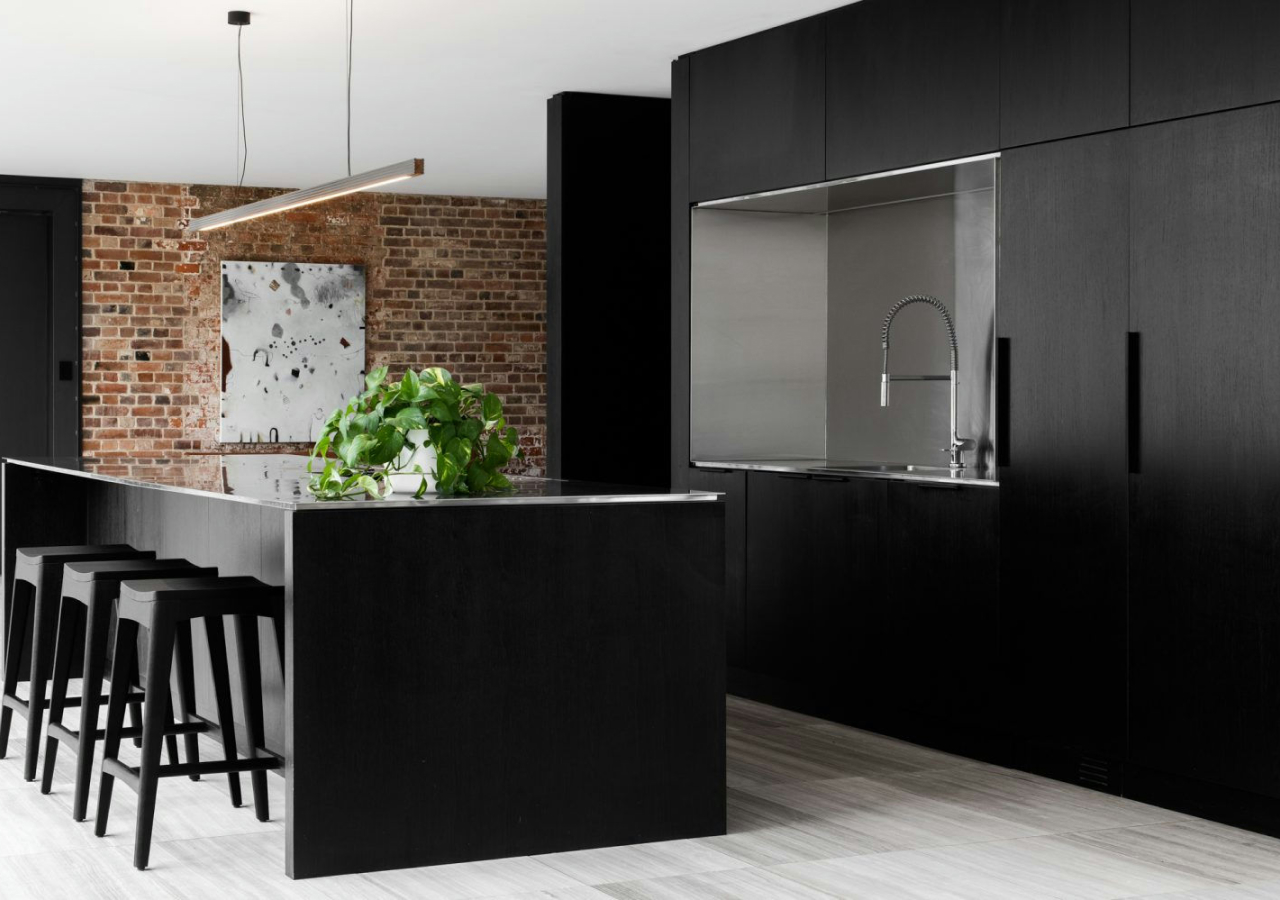
A dark minimalist kitchen feels architectural when the cabinet plane acts as a strong background, and the room relies on proportion, repetition, and material quality. Warmth comes from supporting materials and lighting choices that keep the space comfortable at night.
A dark cabinet plane makes the room feel more intentional, especially in homes where the kitchen is visible from the living area. Collections like Marble lean into this effect, using matte black surfaces to create a solid, grounded feel. Dark kitchens age well when interest comes from quiet texture, warmer supporting tones, and lighting that adds depth without visual noise.
Layout and Storage for a Black Minimal Kitchen That Stays Clean
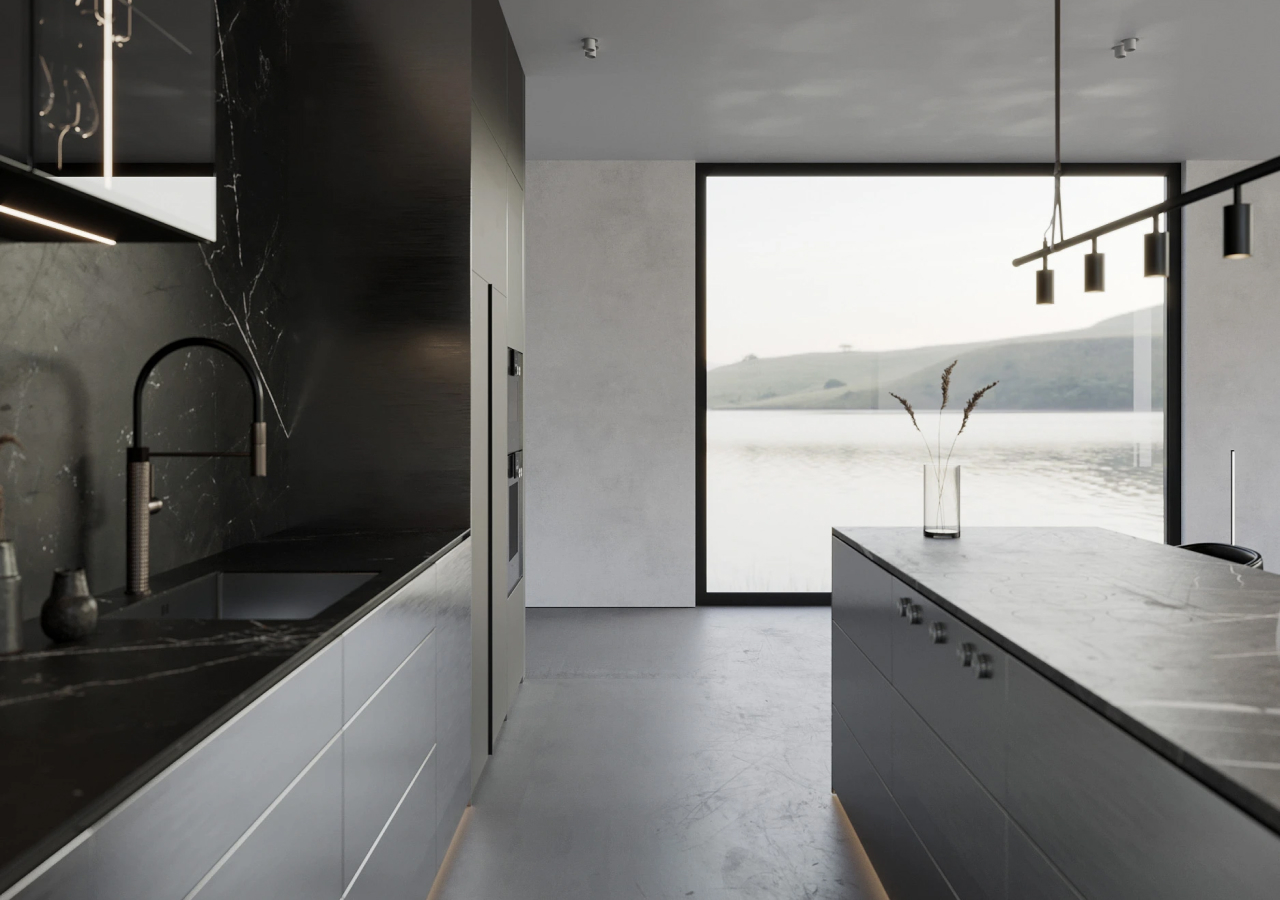
A black minimal kitchen stays minimalist when one cabinet plane does the visual heavy lifting and storage prevents countertop buildup. Drawer-led prep storage and concealed appliance zones protect the look on weekdays, not only after styling.
Black shows visual noise fast, so layout and storage have to do more of the work than decor. The strongest results usually start with a clear composition, then a storage plan that absorbs daily clutter before it reaches the countertop.
Start With the Composition
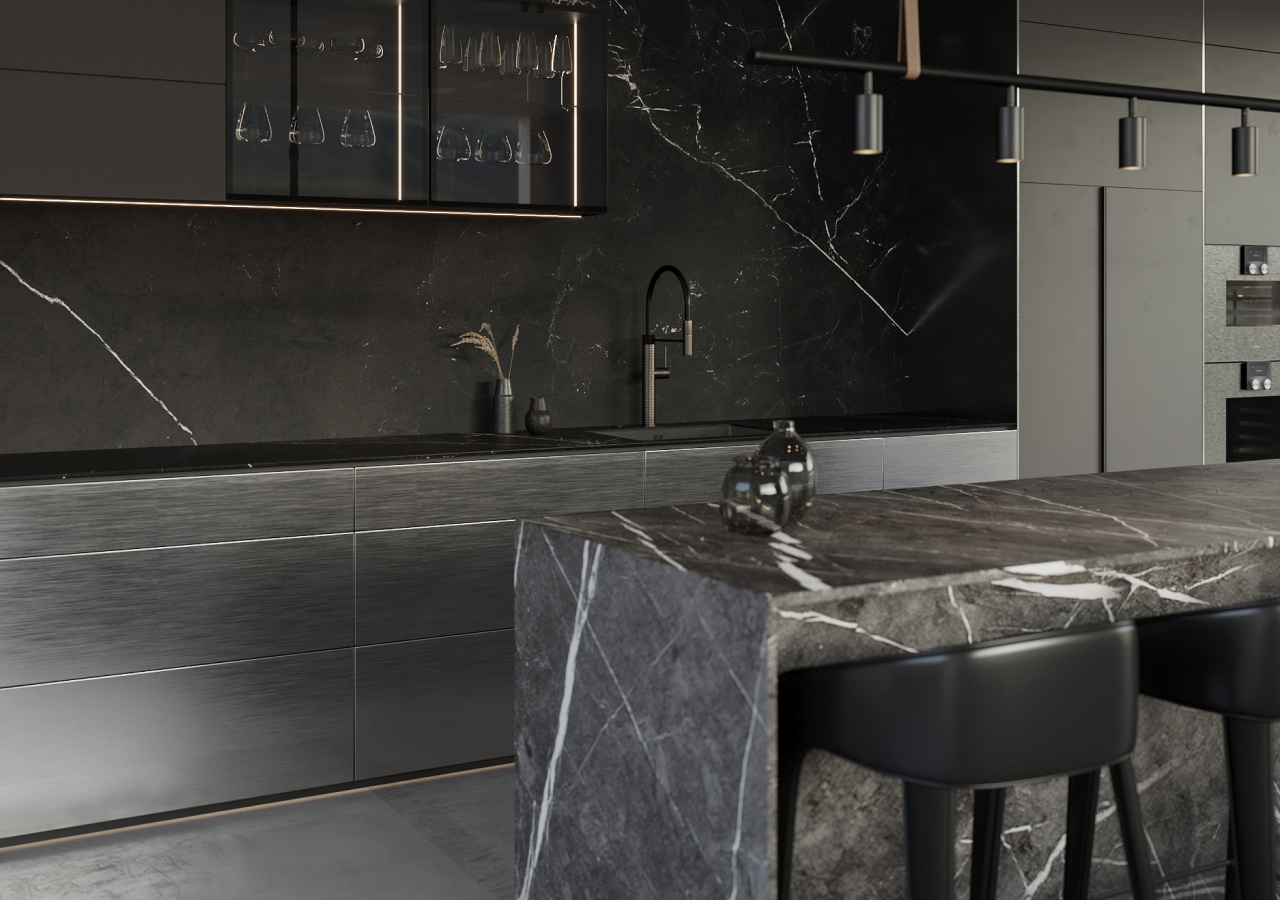
Many black kitchens feel best when one cabinet run acts as the anchor, often the tall wall where pantry storage and integrated appliances live. When that run reads as one continuous block, the room looks quieter and more architectural. The same approach prevents the common mistake of spreading black randomly across the space.
Make the Bases Work Hard
.webp)
Drawer-led bases support minimalist living because access and reset are faster. You can see what you have, return items quickly, and keep categories stable over time. That stability reduces countertop overflow, because the default behavior becomes putting things away rather than setting them down for later.
Plan Counter-Offenders Early
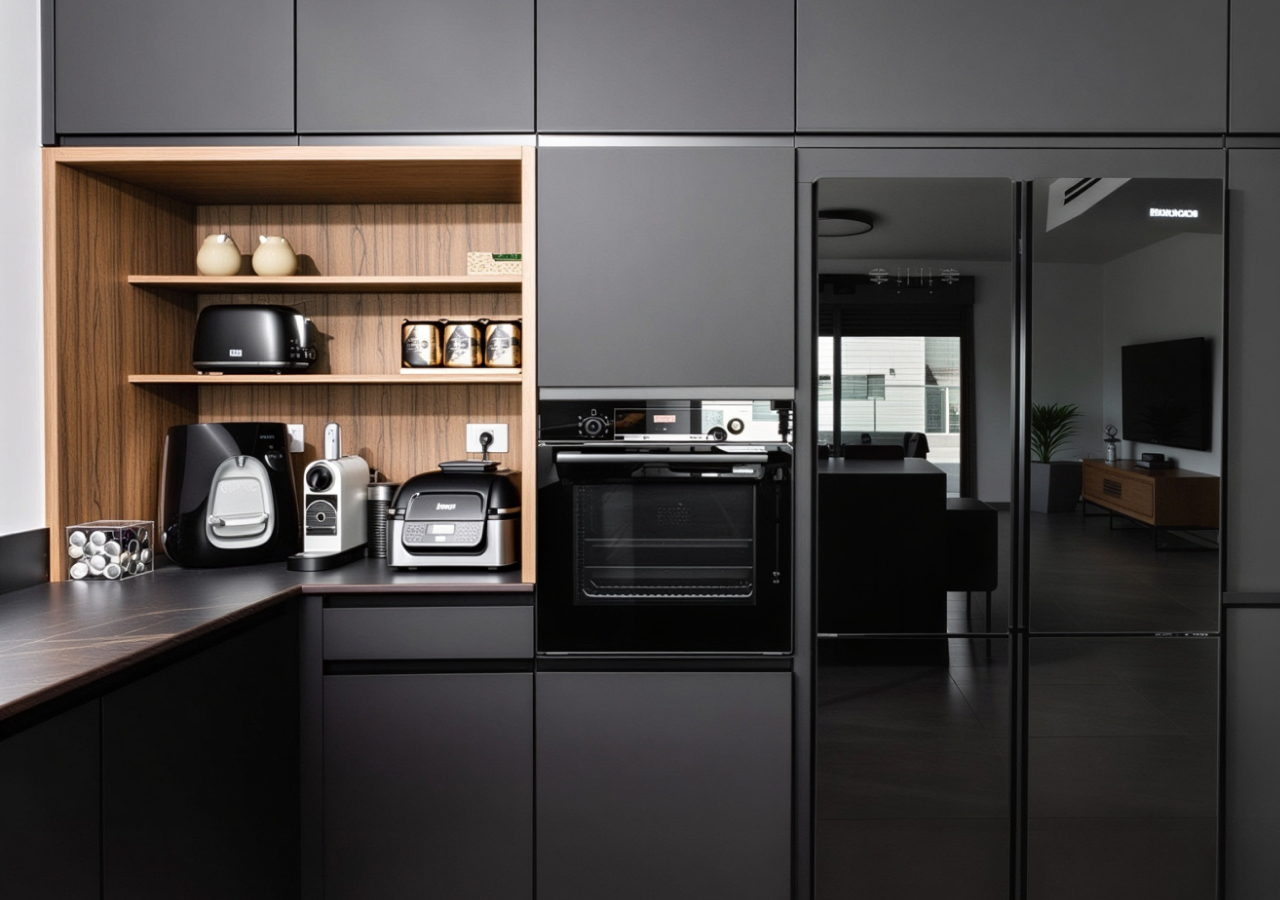
Coffee gear, toaster ovens, chargers, and speakers break minimalism in real life. If these items have no dedicated home, they will live on the counter. Pocket doors, appliance garages, and specific drawer zones protect the look and improve daily use at the same time.
How to Get This Look in Your Home
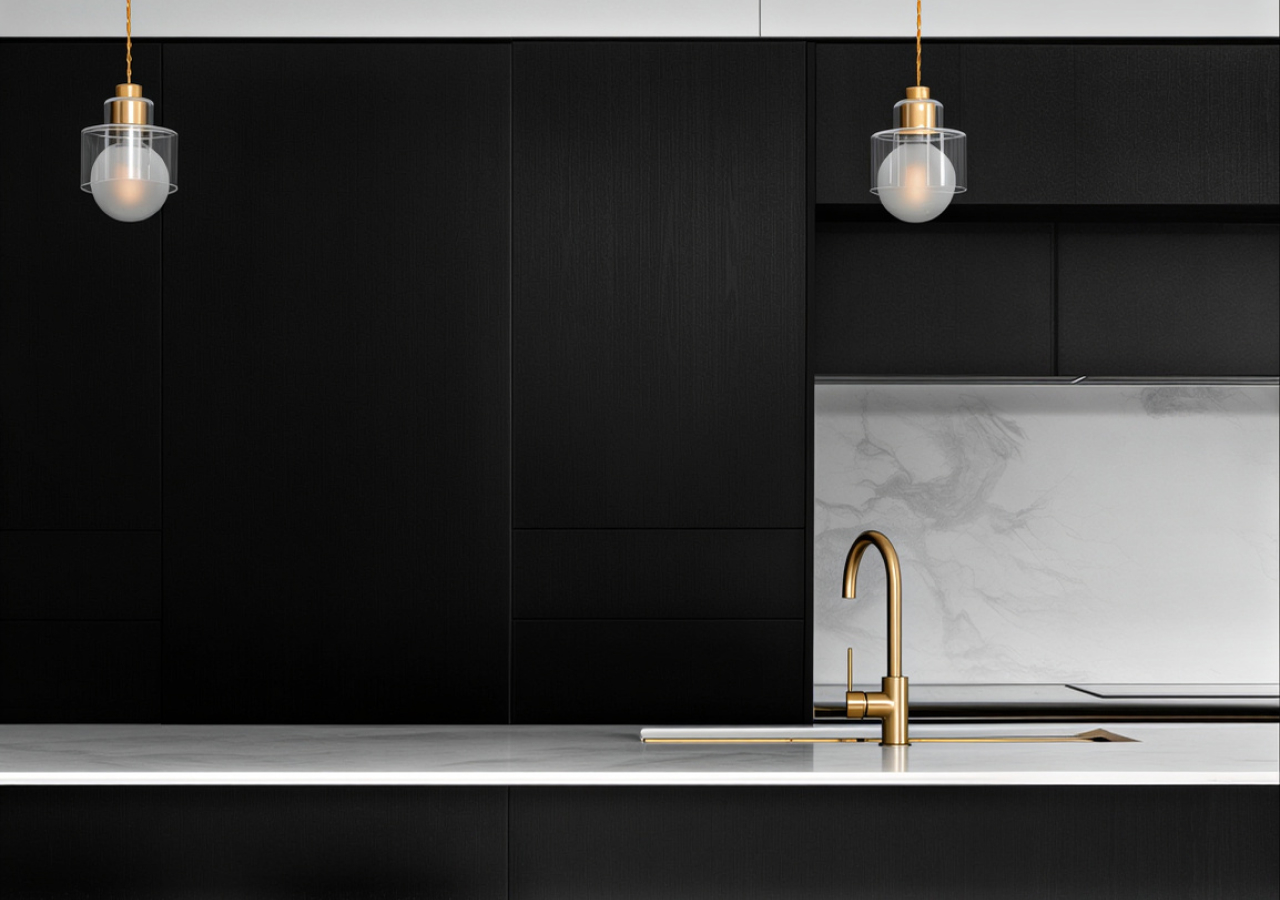
The fastest path to a black minimalist kitchen is one dominant black plane, a tight palette, and storage designed around the items you use daily. Lighting and opening method determine how clean the kitchen stays in real use.
Choose where black lives so it stays dominant on one main cabinet plane (often the tall run) or on the island. Keep the palette tight: black plus one light tone (floors or walls) plus one quiet counter surface. In the prep zone, prioritize drawers and a waste zone near prep so reset feels automatic.
Give daily small appliances a concealed home so the countertop stays clear. Plan lighting in layers before deciding the final finish sheen, then choose an opening method that fits how often the fronts get touched. Follow that logic, and the kitchen stays minimalist because it resets like a minimalist kitchen.
Materials for a Minimalist Black and White Kitchen Design That Feels Inviting
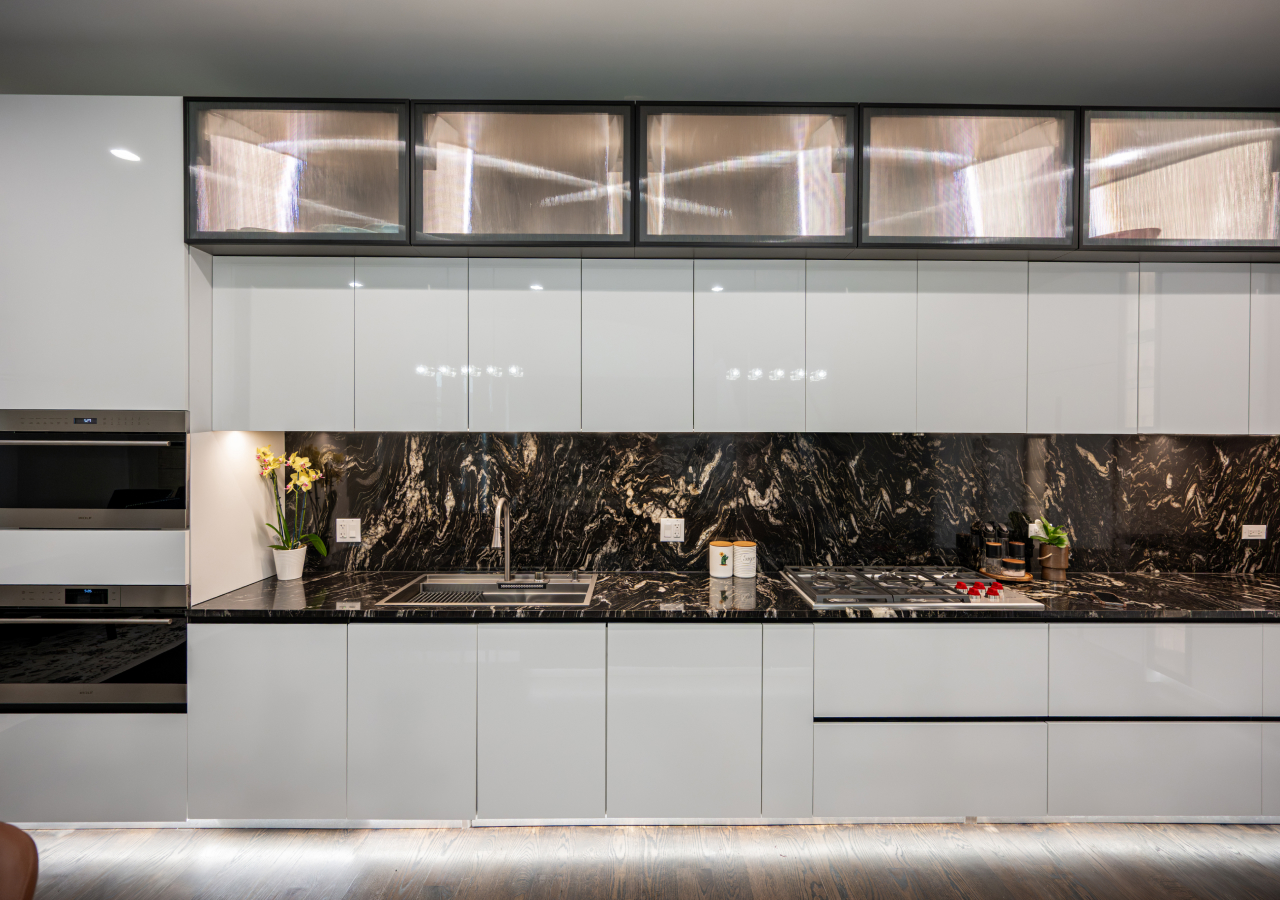
A minimalist black and white kitchen feels inviting when contrast stays controlled, and materials add warmth without visual clutter. Wood accents and quiet stone surfaces keep the cabinet plane dominant and the composition calm.
A minimalist black and white kitchen can look crisp, and the strongest versions avoid harsh contrast. White works as air, black works as structure, and the materials in between determine whether the room feels warm or cold.
Matte or low-sheen finishes support minimalism because they soften reflections. In a dark palette, gloss exaggerates glare and makes fingerprints more obvious under direct light. Warmth should come from materials, not extra decor. Wood is a reliable counterbalance to black, even in small amounts, because it adds softness and tactility without increasing visual clutter.
For counters and backsplashes, choose surfaces that behave quietly. A highly active stone pattern can compete with the cabinet plane and create visual noise. If you want a focal moment, keep it contained to one surface area so it reads intentional rather than everywhere.
A black and gray minimalist kitchen often works best when gray acts as the soft connector. Warm gray walls, a quieter gray stone, or a soft gray backsplash can bridge black fronts and light floors while keeping the palette controlled. This also supports black and white minimalist kitchen design when you want less contrast and more softness.
Lighting Plan for a Dark Minimalist Kitchen That Avoids the Cave Effect
.webp)
Lighting determines whether a dark minimalist kitchen feels comfortable after sunset. A layered plan reduces shadow on worktops and adds depth, so black surfaces look calm rather than flat.
A dark palette absorbs light, so one ceiling fixture rarely holds up on its own. The goal is coverage where you work and depth where you want the room to feel open.
Task lighting keeps prep zones readable and makes the worktop feel clean. Under-cabinet lighting does the most work here because it brightens the counter without adding objects to the space. Ambient lighting adds softness and space, including toe-kick lighting, subtle indirect light, or well-placed recessed lighting that gives the kitchen depth at night. Storage lighting supports daily use because drawers and tall pantry zones become easier to navigate, which speeds reset and reduces the temptation to leave items out for convenience.
Practical Reality and Mistakes to Avoid in Black and Gray Minimalist Kitchens
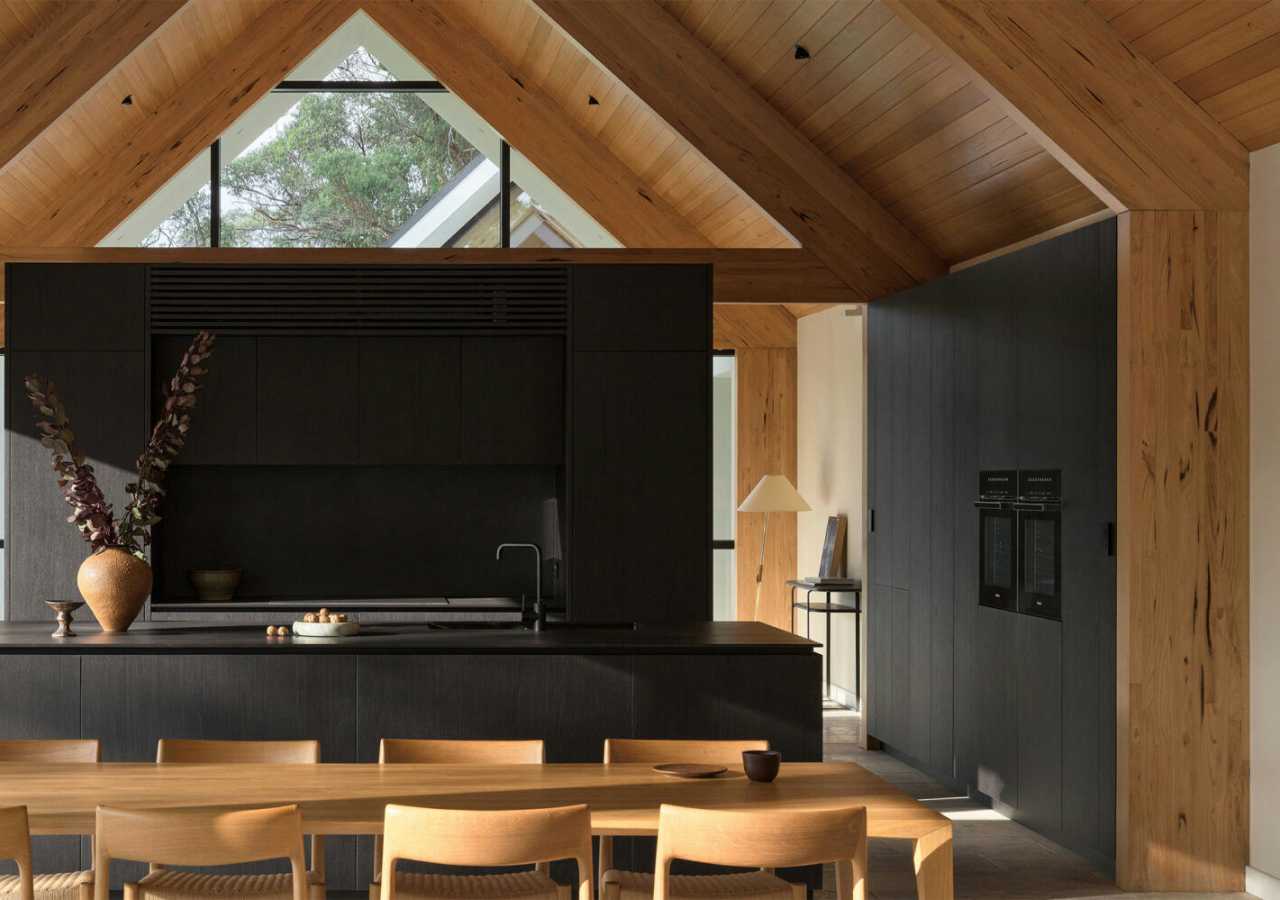
Dark kitchens stay practical when you plan for touch points, control competing statement surfaces, and protect the countertop from daily clutter. In a black and gray minimalist kitchen, the opening method and finish sheen strongly affect cleaning effort.
Fingerprints come down to finish the sheen, and where your hand lands. Matte finishes help, and the opening method changes how often you touch the front directly.
Another common issue is over-layering. A black cabinet plane already has strong presence. Dramatic stone, a bold backsplash pattern, and multiple metal finishes can make the kitchen feel like a collage. One focal moment tends to hold the minimalist read better, with everything else staying quiet and repeatable.
Lighting mistakes are next. A single-layer plan creates shadow and can make the room feel smaller. Layered lighting improves function and keeps the kitchen comfortable at night. The final mistake is failing to protect the countertop. Minimalism falls apart when everyday items have no home. Plan concealed zones early so the kitchen stays visually calm through normal use.
Conclusion
A black minimalist kitchen looks bold because black reads like structure, but it feels calm only when the system supports it. Keep the palette tight, let one cabinet plane do the heavy visual work, build storage that prevents countertop buildup, and treat lighting as part of the architecture.
If you want to explore this look in a real layout, start with Corner Renovation’s Minimalist references, then use your room constraints, appliance needs, and daily habits to pressure-test the plan.


