
.webp)
Kitchen cabinet trends are easy to overdo. A bold color, unusual door style, or decorative detail can feel exciting now but make the kitchen look dated a few years later.
The strongest cabinet trends tend to be quieter. They improve storage, simplify the layout, hide visual clutter, and make the kitchen easier to use every day. Warm wood fronts, frameless construction, integrated appliances, tall storage, drawers, lighting, and hidden organization all have lasting value because they are practical, not just decorative.
If you are planning a kitchen remodel now, these are the cabinet trends worth paying attention to.
Kitchen Cabinet Trends at a Glance
| Cabinet trend | Why it lasts | Best for |
|---|---|---|
| Warm natural wood cabinets | Adds warmth without heavy decoration | Japandi, Scandinavian, minimalist, and modern kitchens |
| Frameless European-style cabinets | Creates clean lines and more usable interior space | Modern custom kitchens |
| Integrated appliances | Makes the kitchen feel calmer and more built-in | Open-plan kitchens and appliance walls |
| Full-height cabinet walls | Adds storage while reducing visual clutter | Pantry storage, tall storage, and appliance integration |
| Drawers instead of lower doors | Makes everyday storage easier to reach | Pots, plates, pantry items, and prep zones |
| Hidden kitchen organization | Keeps counters clear and improves daily function | Family kitchens, small kitchens, and busy cooking zones |
| Handleless or minimal hardware fronts | Supports a cleaner cabinet design | Japandi, Scandinavian, and European kitchens |
| Built-in cabinet lighting | Improves visibility and atmosphere | Prep areas, shelves, drawers, and appliance garages |
| Softer color pairings | Feels warmer and less trend-dependent | Wood kitchens and neutral kitchens |
| Open shelving used sparingly | Adds lightness without replacing storage | Display areas, coffee zones, and accent walls |
1. Warm Natural Wood Cabinets
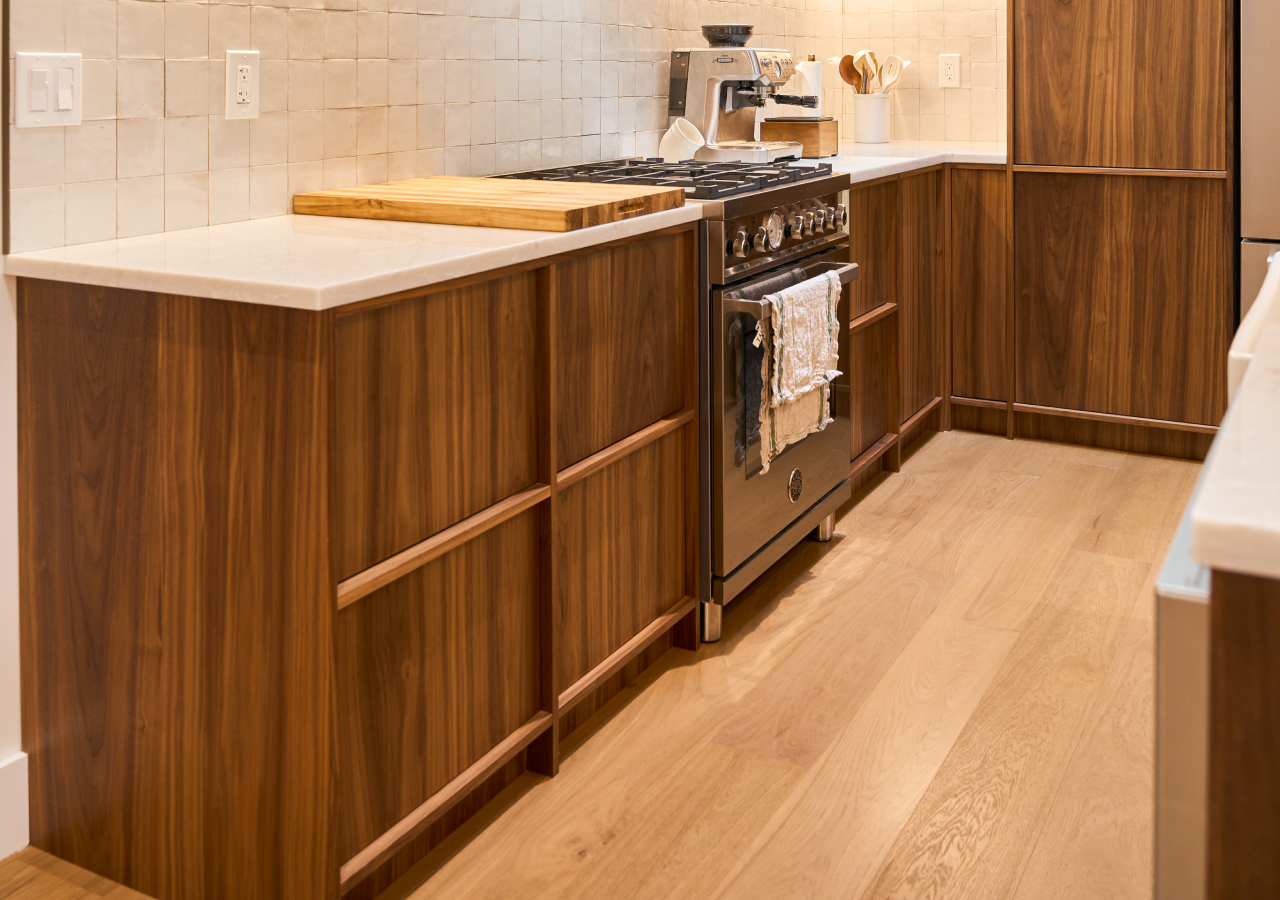
Warm wood cabinets bring texture and softness into a modern kitchen without relying on decoration. Light oak, natural walnut, warm brown wood tones, visible grain, and matte finishes all feel current but not overly trendy.
This is why wood works so well in Japandi, Scandinavian, and minimalist kitchens. It adds warmth while keeping the overall design calm and simple. For long-term appeal, choose natural-looking wood with clean cabinet fronts and avoid heavy stains, glossy finishes, or overly rustic grain.
2. Frameless European-Style Cabinets
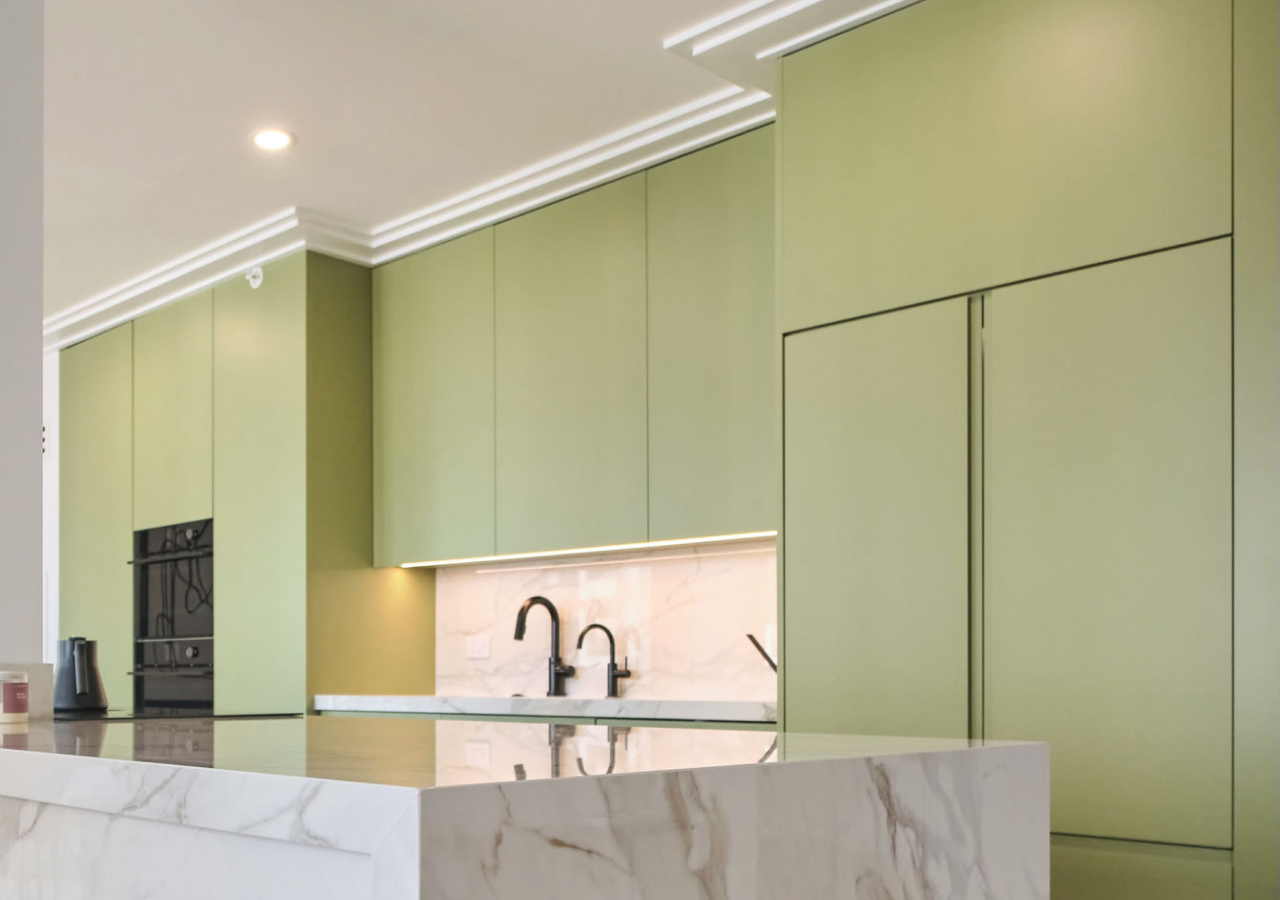
Frameless cabinets create a cleaner look because the doors and drawers sit closer together. The result is tighter reveals, simpler lines, and a more architectural cabinet layout.
They also offer slightly more usable interior space than many framed cabinet systems. Frameless cabinetry works especially well with flat fronts, integrated appliances, handleless details, and full-height cabinet walls, which makes it one of the strongest choices for a modern kitchen.
3. Integrated Appliances
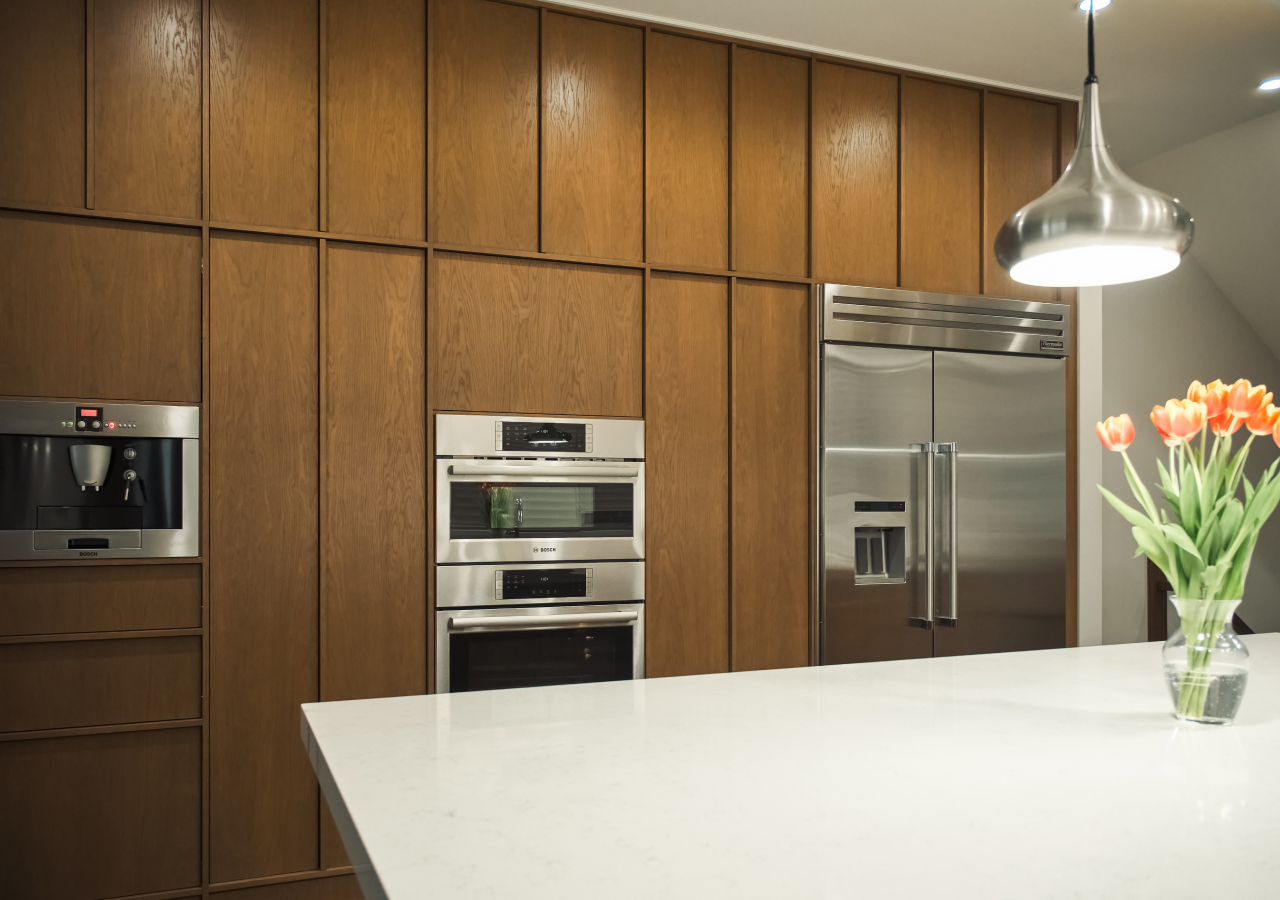
Integrated appliances help the kitchen feel calmer by blending refrigerators, dishwashers, freezer columns, and beverage units into the cabinetry. Instead of breaking up the room with several appliance finishes, the kitchen reads as one cleaner composition.
This is especially useful in open-plan kitchens, where the kitchen is visible from the living or dining area. Panel-ready appliances need early planning, including door swings, ventilation, clearances, and panel sizes, so they should be considered before cabinet drawings are finalized.
4. Full-Height Cabinet Walls
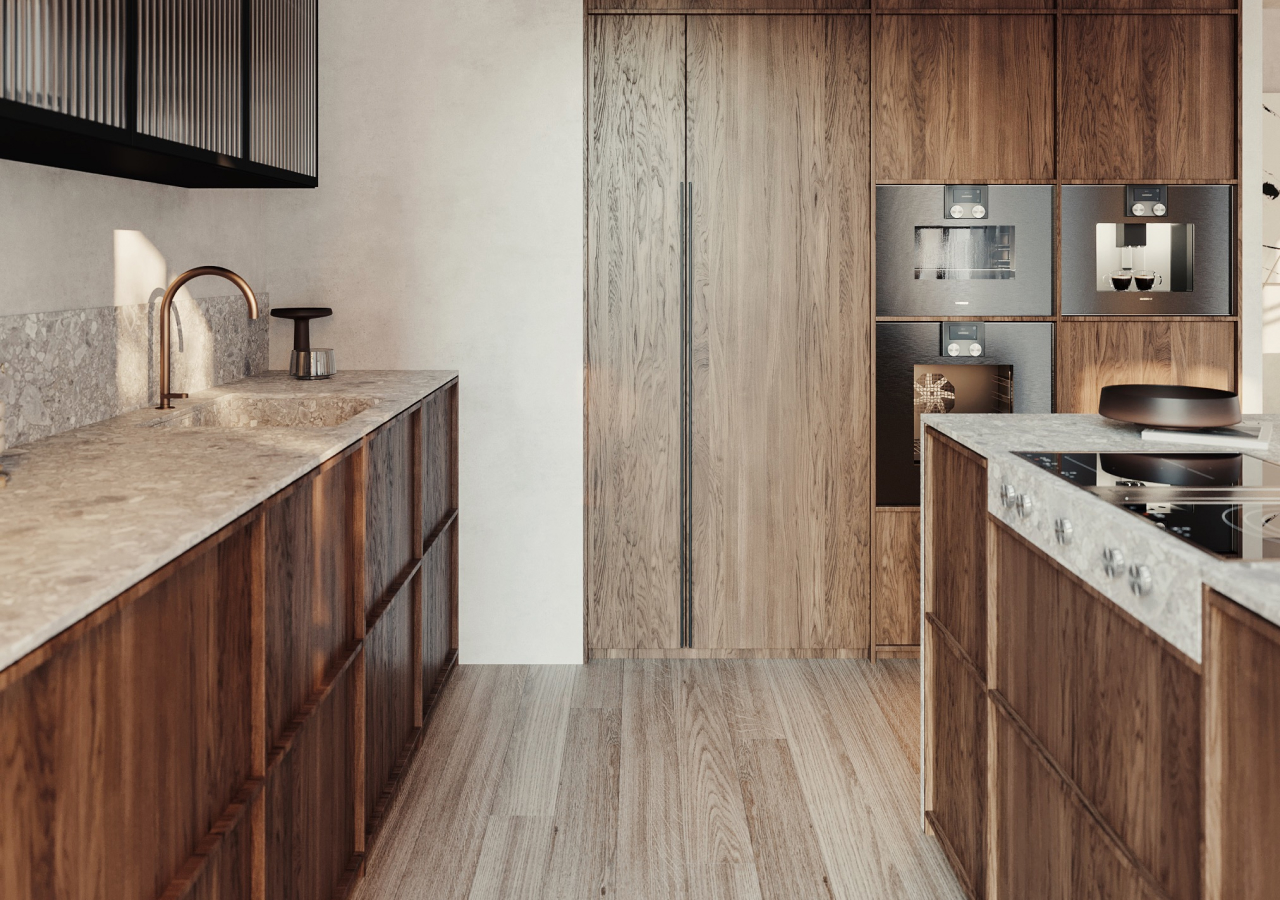
Full-height cabinet walls use vertical space for pantry storage, ovens, refrigerators, appliance garages, cleaning supplies, and hidden storage. They can make a kitchen feel more organized because storage is grouped into one clean area instead of scattered around the room.
The best full-height cabinet walls feel architectural, not bulky. Flat fronts, integrated appliances, pocket doors, and simple materials help the cabinetry blend into the room while still adding a lot of storage.
5. Drawers Instead of Lower Cabinet Doors
.webp)
Drawers make lower cabinets easier to use because storage comes out toward you. You do not have to bend down and reach into the back of a deep cabinet.
Deep drawers work well for pots, pans, plates, bowls, containers, pantry items, and small appliances. Inner drawers can add another layer of organization while keeping the outside clean. Lower cabinet doors still have a place, but for everyday storage, drawers are usually more practical and more modern.
6. Hidden Kitchen Organization
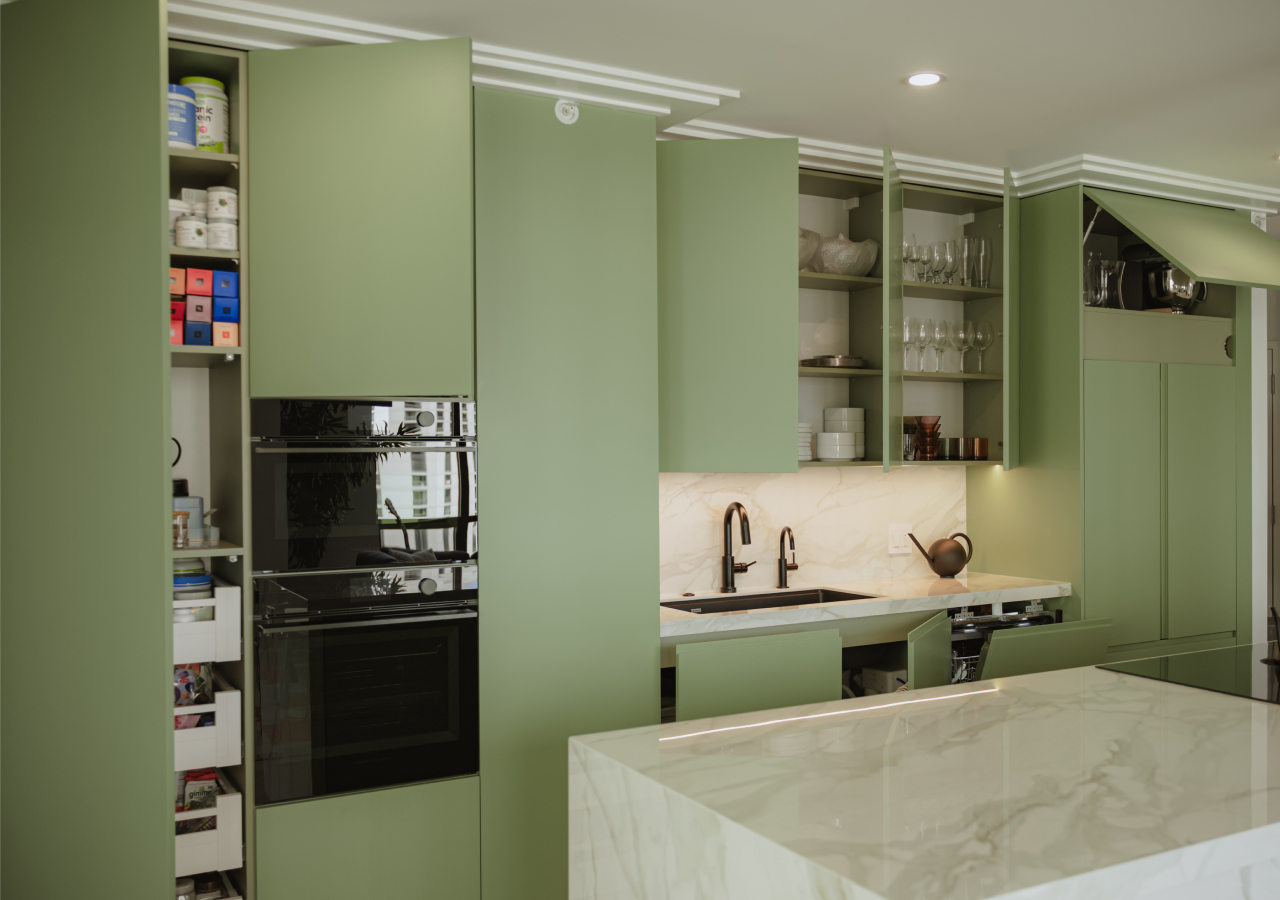
Hidden organization keeps the kitchen looking clean while making daily use easier. It is one of the most practical cabinet trends because it solves real storage problems.
Useful options include pull-out trash bins, pantry pull-outs, corner pull-outs, under-sink drawers, appliance garages, toe-kick drawers, spice pull-outs, and tray dividers. The best approach is not to add every accessory. It is to choose the features that match how the kitchen is actually used.
7. Handleless or Minimal Hardware Fronts
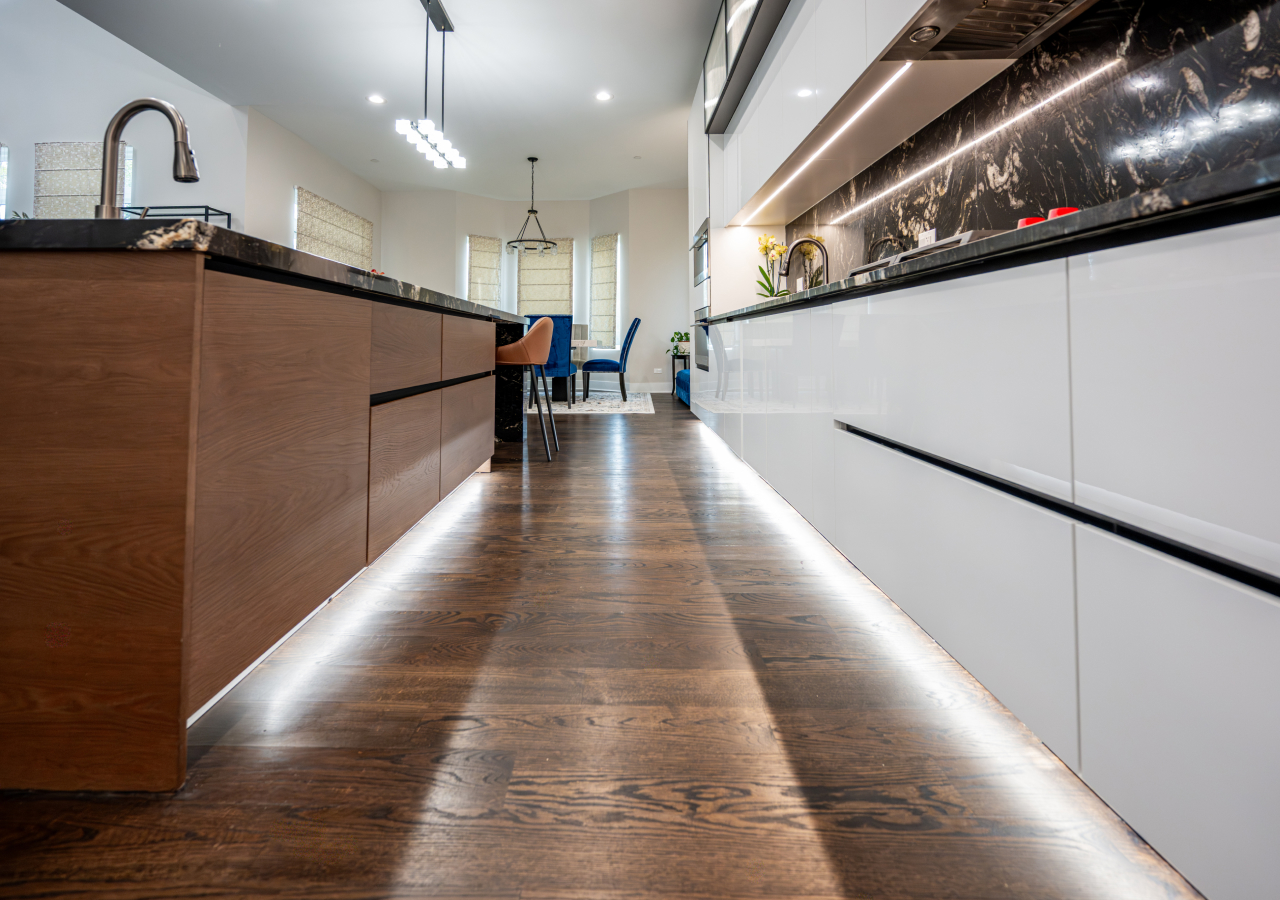
Handleless cabinets and minimal hardware help create a quieter kitchen design. They reduce visual clutter and let the cabinet material, proportions, and layout stand out.
This can be done with Gola profiles, recessed pulls, push-to-open systems, slim edge pulls, or very simple hardware. The main thing is usability. Heavy drawers, dishwashers, refrigerators, and trash pull-outs still need to open comfortably, so the hardware plan should be practical as well as clean.
8. Built-In Cabinet Lighting
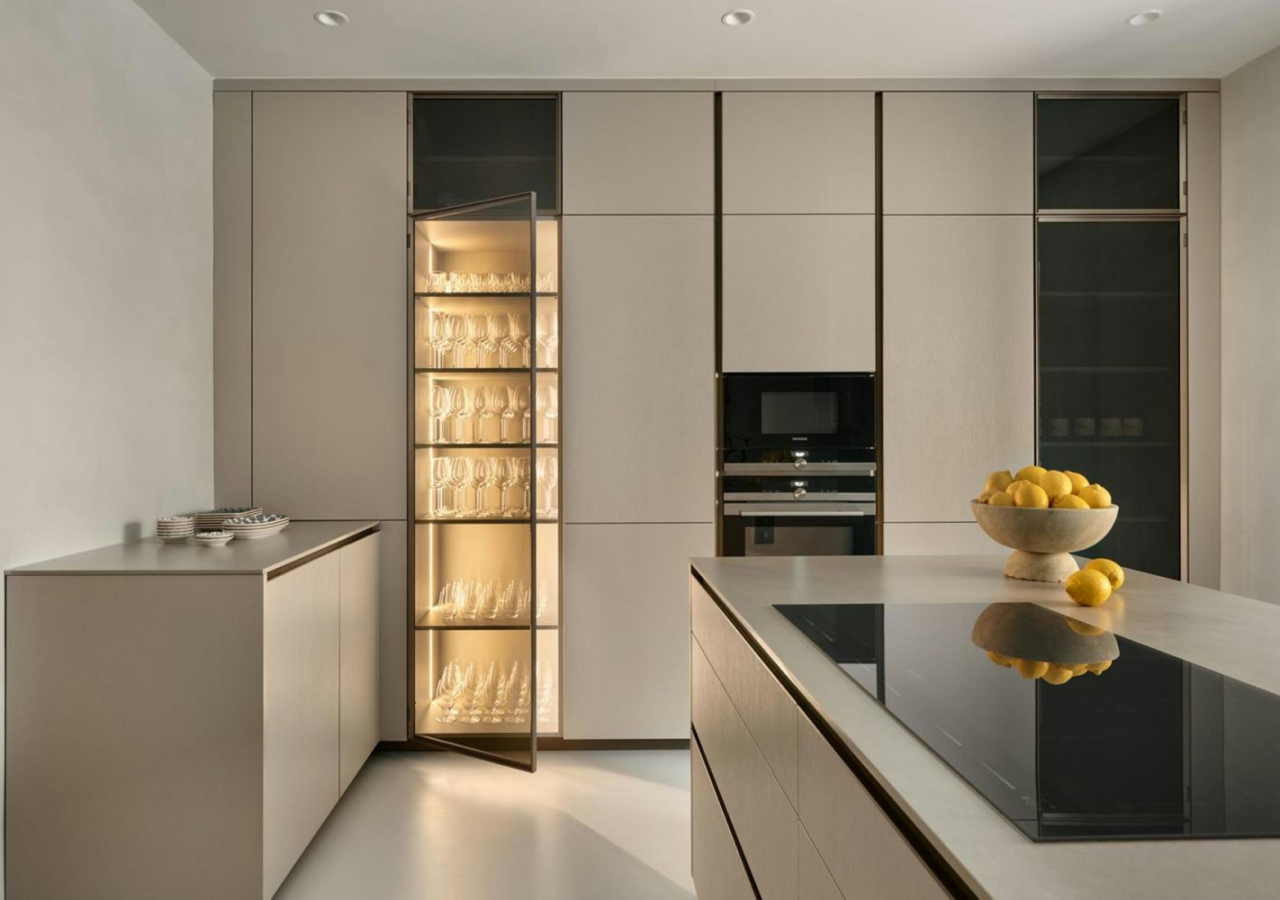
Cabinet lighting makes the kitchen more useful and more finished. It can improve prep areas, open shelves, drawers, appliance garages, and interior cabinet storage.
Useful options include under-cabinet lighting, shelf lighting, drawer lighting, and integrated LED channels. Lighting should be planned before production, not added at the end. Wiring, switches, dimmers, sensors, and cabinet construction all affect the final result.
9. Softer Color Pairings
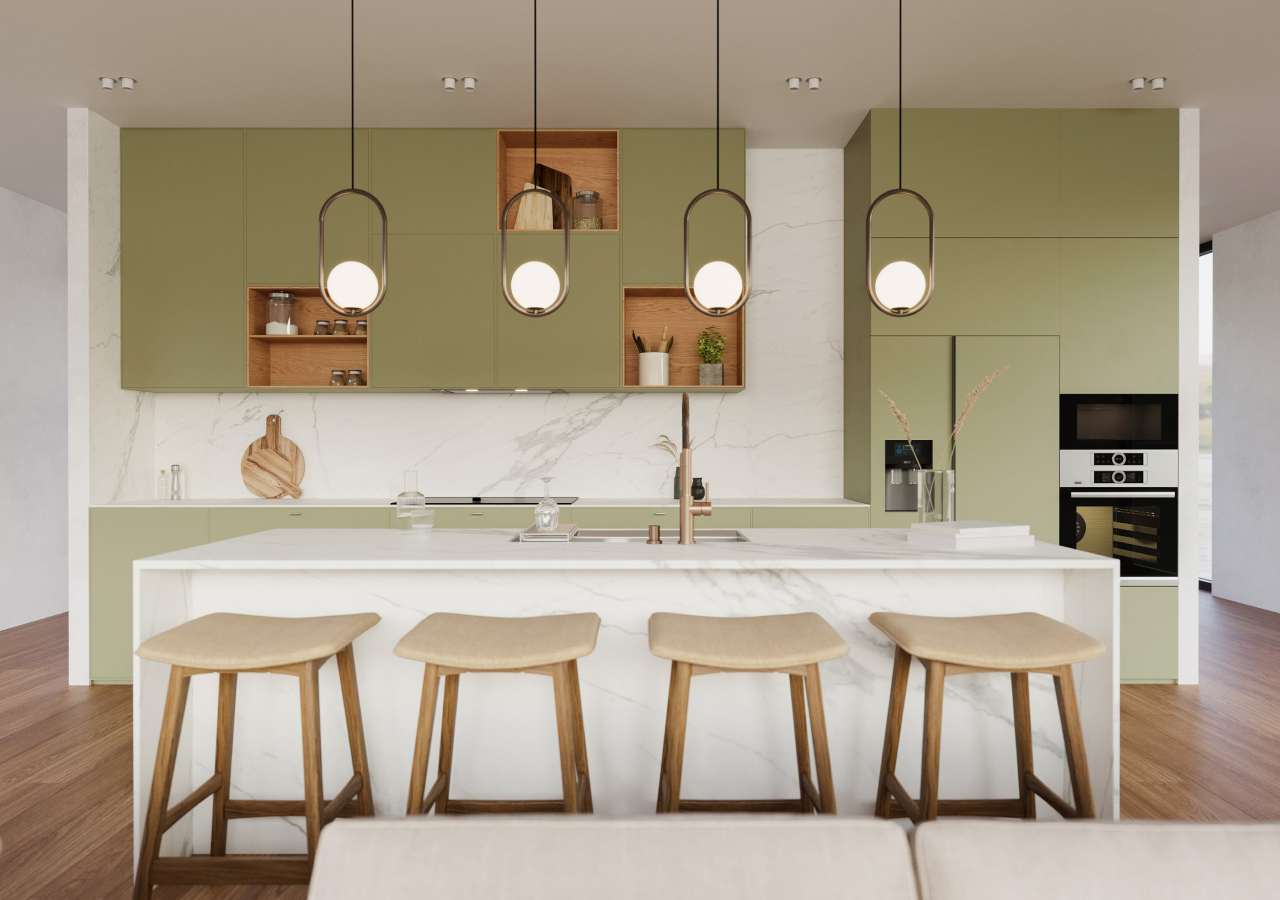
Softer color pairings tend to age better than loud contrast or very specific trend colors. Warm white with oak, beige with walnut, soft gray with wood, muted green, muted blue, and matte black accents all have lasting appeal.
This approach lets the kitchen feel personal without making the whole design depend on one bold color. The goal is balance. Color should support the cabinetry and materials, not overpower them.
10. Open Shelving Used Sparingly
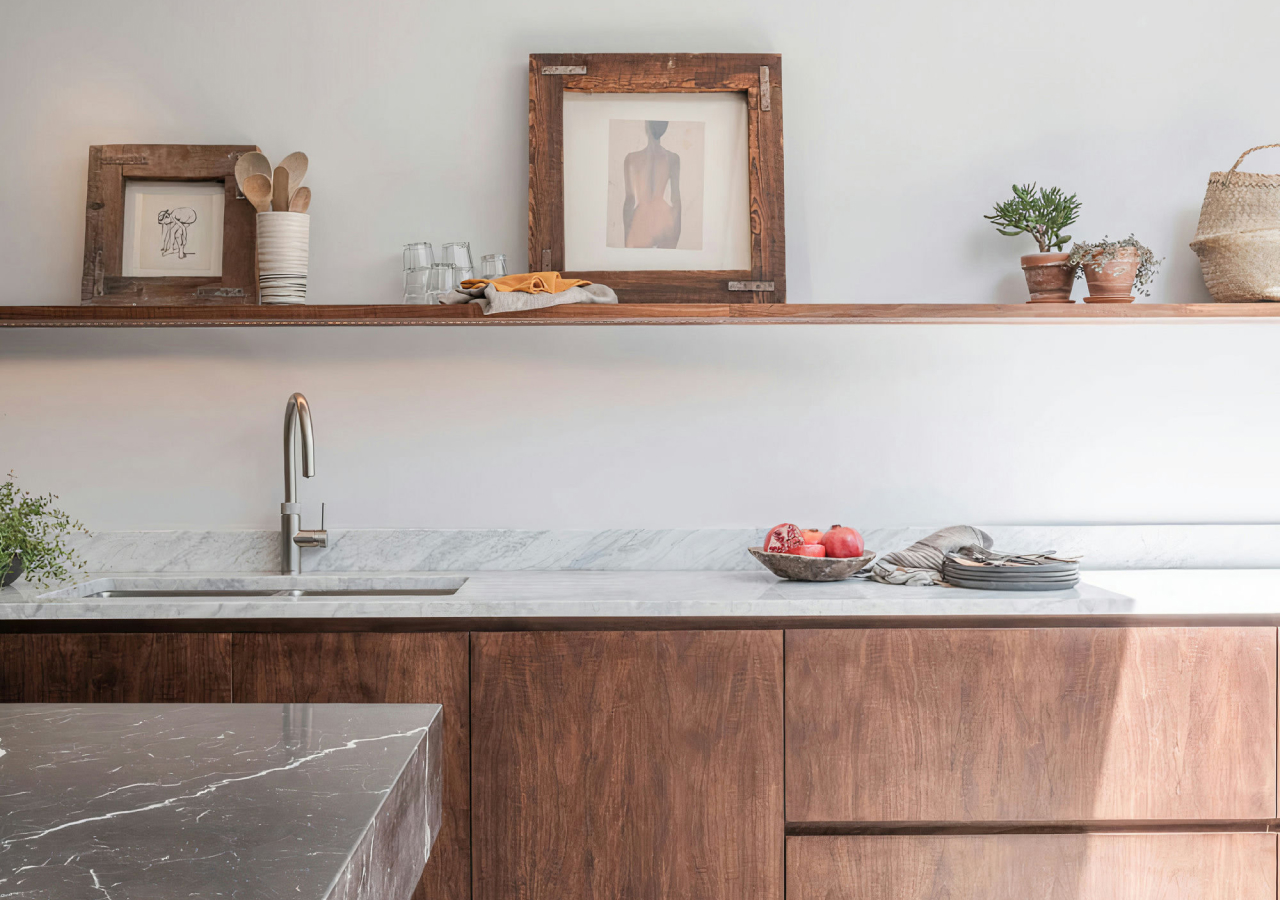
Open shelving can work well, but it is best used as an accent rather than the main storage strategy. A few shelves can lighten a kitchen, create a display area, or make a coffee zone feel more finished.
For everyday storage, closed cabinets and drawers are usually better. Open shelving looks best when it is intentional, limited, and easy to keep organized.
How to Choose Cabinet Trends That Will Last
.webp)
A cabinet trend is more likely to age well when it solves a real design or storage problem. If a choice only exists to make the kitchen feel trendy, it may not hold up as well.
Before choosing a cabinet direction, ask:
| Question | Why it matters |
|---|---|
| Does it improve how the kitchen works? | Function tends to age better than decoration |
| Will it still feel useful in five to ten years? | Good storage should support changing routines |
| Does it work with the rest of the home? | The kitchen should not feel disconnected from nearby rooms |
| Is the material durable enough for daily use? | Cabinet fronts take a lot of contact |
| Can the look be refreshed later? | Lighting, stools, wall color, and decor are easier to update than cabinets |
The safest cabinet choices usually combine simple forms, durable materials, and thoughtful storage. That does not mean the kitchen has to be plain. It just means the most permanent elements should not depend too heavily on one short-term style.
What Cabinet Trends Are Most Likely to Feel Timeless?
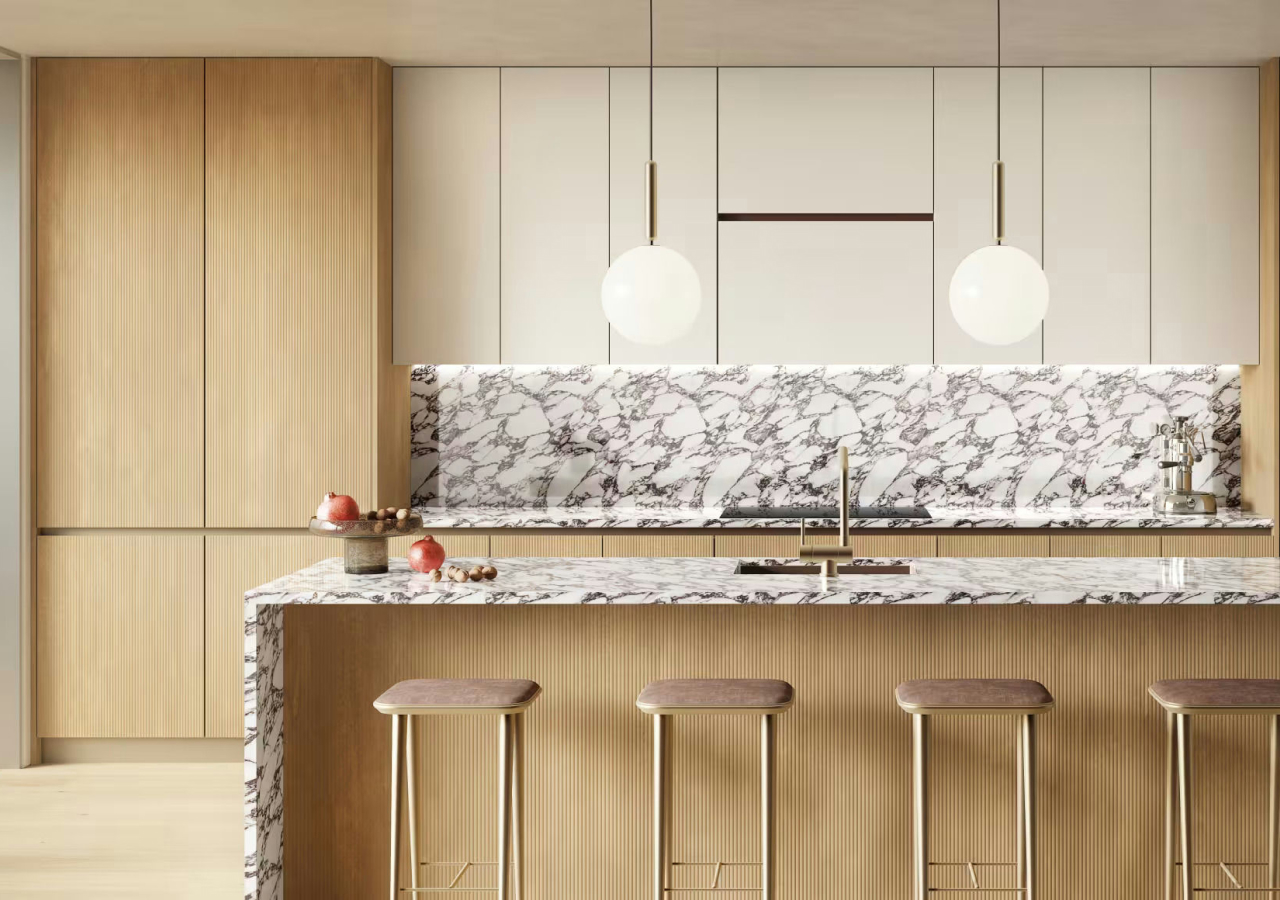
The cabinet trends with the strongest staying power are the ones tied to function and material quality. Warm woods, frameless construction, integrated appliances, full-height storage, drawers, hidden organization, and thoughtful lighting all have practical value beyond appearance.
Purely decorative trends are riskier. Very specific colors, heavy hardware, aggressive color blocking, or open shelving used everywhere can feel exciting at first but harder to live with over time.
For a kitchen that still feels relevant after 2030, focus on cabinetry that looks simple from the outside but works hard on the inside.
Conclusion
The best kitchen cabinet trends are not the loudest ones. They are the choices that make the kitchen easier to use, easier to organize, and calmer to look at every day.
Warm wood, frameless construction, integrated appliances, tall cabinet walls, drawers, hidden storage, minimal hardware, and thoughtful lighting all have staying power because they are practical as well as beautiful.
Explore Corner’s kitchen collections to see how modern cabinetry, natural materials, and smart storage can work together in a kitchen that feels current now and still comfortable years from today.


